Can I Mix Wheatgrass And Spirulina Powder?
2025-08-18 14:35:38
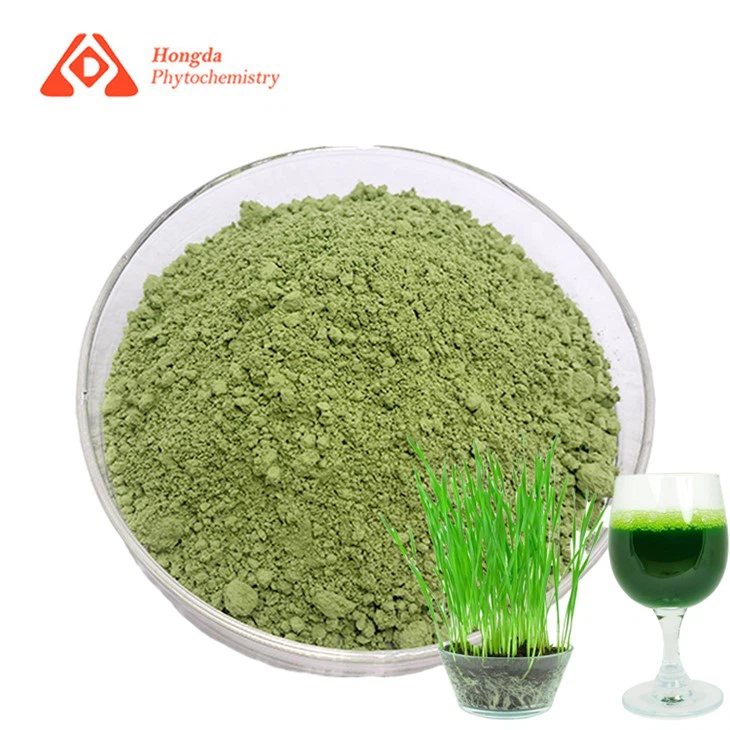
Wheatgrass and spirulina are two nutritional powerhouses that have gained immense popularity as supplements. Wheatgrass refers to the young grass shoots of the wheat plant, Triticum aestivum, while spirulina is a type of blue-green algae. Both are hailed as superfoods packed with vitamins, minerals, and antioxidants. Their bright green color comes from high levels of chlorophyll, the green pigment with potent health benefits. As powders, wheatgrass and Spirulina Powder offer convenience and versatility to enjoy their nutritional qualities.
The wheatgrass powder is prepared by drying and grinding the young shoots of the wheat plant into a fine green powder. It captures the plant at the peak of its nutritional value when it is richest in enzymes, vitamins, and minerals. On the other hand, spirulina powder is produced by drying the biomass of spirulina algae and milling it into a powder. Its deep green color indicates high levels of chlorophyll and other phytonutrients. With their concentration of health-promoting compounds, both wheatgrass and spirulina pack an intense nutritional punch.
Nutritional Profile of Wheatgrass and Spirulina Powder
Wheatgrass powder is rich in chlorophyll, vitamins, and minerals that provide a boost of nutrition. Chlorophyll protects cells against oxidative damage, aids detoxification, and demonstrates antibacterial effects against harmful pathogens. Wheatgrass also contains vitamins A, C and E, iron, calcium, magnesium, potassium, zinc and essential amino acids. The abundance of nutrients makes just a small amount of wheatgrass powder sufficient to have significant health impacts.
Meanwhile, spirulina powder delivers a hefty dose of digestible protein along with B vitamins like thiamin, riboflavin, and minerals like iron, magnesium, and manganese. It also provides antioxidants beta carotene and zeaxanthin, gamma linolenic acid (GLA), and phycocyanin, the pigment responsible for its blue-green color. Phycocyanin exhibits potent antioxidant and anti-inflammatory activities. With their high micronutrient content, both wheatgrass and spirulina pack a nutritional punch on their own.
Health Benefits of Wheatgrass and Spirulina Powder
Extensive research over the decades reveals that wheatgrass and spirulina provide significant health benefits:
Antioxidant Properties
Both wheatgrass and spirulina contain antioxidants that neutralize disease-causing free radicals and prevent damaging oxidative reactions in cells. Specific antioxidants include vitamin C, vitamin E, beta carotene, flavonoids, and phycocyanin. By limiting oxidative damage, they help reduce risk of chronic illnesses like diabetes, and heart disease.
Detoxification
The abundance of chlorophyll in wheatgrass stimulates liver function and bile production to eliminate environmental toxins, heavy metals, and metabolic waste. Animal studies show wheatgrass protects against damage from toxin exposure. Spirulina also exhibits protective effects on the liver and kidneys by inhibiting lipid peroxidation. These cleansing actions serve vital roles in liver health, toxin elimination, and immune function.
Increased Energy and Vitality
By reducing oxidative damage and inflammation, wheatgrass and Organic Spirulina Powder enhance cellular energy metabolism efficiency and reduce fatigue. Spirulina also increases exercise performance, endurance, and oxygen utilization during physical activity. For those with lower stamina levels, incorporating wheatgrass or spirulina can boost energy reserves safely without caffeine.
Immune Support
Wheatgrass raises the count of disease-fighting white blood cells like lymphocytes and neutrophils critical for immune defense. Additionally, spirulina helps phagocytosis, whereby immune cells like macrophages engulf and digest pathogens. Studies also show spirulina boosts the activity of various other immune cells like natural killer cells while increasing the production of antibodies, interferon, and cytokines.
As such, regular consumption of wheatgrass or spirulina builds resilience and helps strengthen immune function to reinforce the body's defenses against infectious microbes and diseases. This makes them especially beneficial for those vulnerable to illnesses.
Blood Sugar Regulation
Compounds in wheatgrass like chlorophyll and flavonoids help increase insulin secretion and enhance glucose uptake and metabolism in bodily tissues. Human trials display significant declines in blood sugar among diabetic patients taking wheatgrass. Though spirulina has not shown hypoglycemic effects, its antioxidant properties still make it helpful for diabetics.
Blood Formation
The vitamin B12 and folic acid in spirulina support red blood cell production and formation. Wheatgrass also assists blood building through its iron content. Improving red blood cell count and hemoglobin levels in this way increases oxygen carrying capacity.
Muscle Growth & Exercise Recovery
Wheat proteins stimulate muscle protein synthesis, assisting muscle tissue repair from resistance training and increasing lean body mass. Spirulina accelerates elimination of exercise-induced oxidative damage and inflammation. It also balances key hormones like testosterone and cortisol that get disrupted by intense training. In these ways, wheatgrass and spirulina aid exercise recovery.
Heart Health
Studies indicate wheatgrass improves blood lipid profiles, while spirulina prevents atherosclerosis plaque formation in arteries. Their antioxidant activities help defend the cardiovascular system against oxidative lesions. Minerals like magnesium and potassium found in both also support healthy blood pressure.
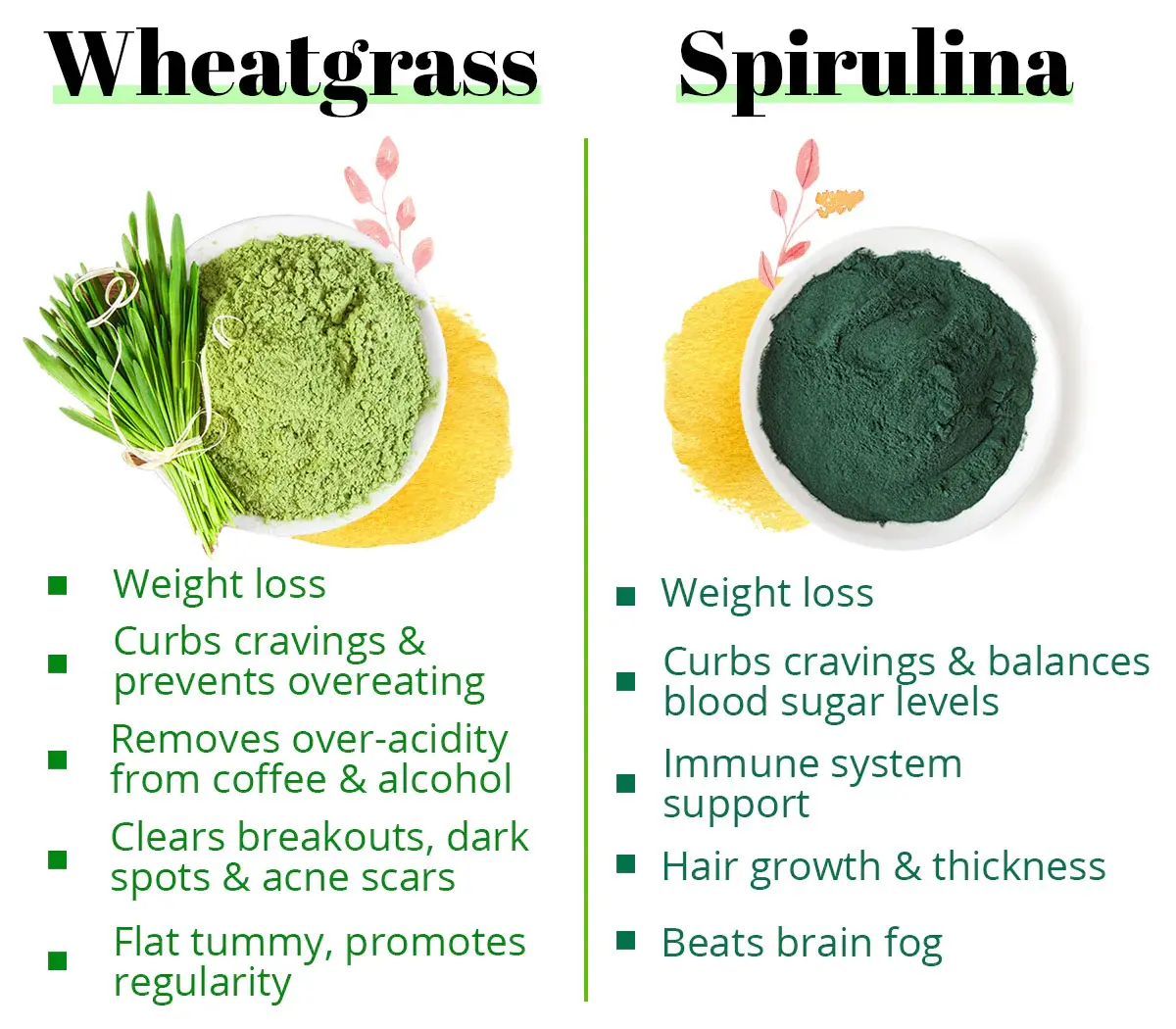
Can You Mix Wheatgrass and Spirulina Powder?
Given the standalone benefits of wheatgrass and spirulina, combining the two can have synergistic effects by enhancing the nutritional quality and antioxidant capacity far beyond either alone. However, their intense, grassy flavors may produce an unpleasant taste. Masking strong flavors requires sufficient dilution using juices or smoothies with abundant fruit content. The heightened nutrition justifies exploring taste preferences on an individual basis to find an optimal ratio.
Scientific examination of blended wheatgrass and spirulina is limited but early studies display promising results. One study found a formula with both was more effective at raising hemoglobin concentration compared to wheatgrass alone. Beyond nutritional synergies, blending the two eliminates the need to buy separate products, streamlining supplement regimens. Nonetheless, finding the right balance between health benefits and palatability through trial and error remains key.
Ways to Use Wheatgrass and Spirulina Powder
Smoothies and Juices
Smoothies naturally disguise intense flavors amongst fruits, vegetables, nuts and spices. Bases like apple, pineapple, mango, berries, banana, cocoa, and greens pair well with wheatgrass and spirulina. For green juices, moderate amounts prevent overwhelming grassy notes. Gradually add spirulina and wheatgrass alongside other greens like spinach, kale, parsley or mint. Vanilla, fruits, and ice balance out flavors too.
Energy Balls
Masking flavor profiles also applies when baking wheatgrass and spirulina into energy balls, protein bars, and healthy desserts. Cocoa powder, nut butters, vanilla, fruits like dates, apricots, and dried cranberries, and nuts like almonds and walnuts balance out the strong green flavors. Refrigeration further dulls the intensity. The nutrients make great pre or post workout fuel.
Salad Dressings
Boost the nutritional content of salads by including wheatgrass and Organic Spirulina Powder in dressings. Their strong taste enhances lighter vinaigrettes but requires abundant herbs and spices for creamy dressings. Great flavor combinations include lemon, garlic, parsley, basil, dill, rosemary, thyme, and Dijon mustard. Whisk together wheatgrass and spirulina with oil, acid, herbs for potency.
Soups and Sauces
Adding small amounts of spirulina and wheatgrass into soups andsauces bolsters nutritional quality while blending into the ingredients. Tomato-based soups and sauces nicely conceal green flavors, as do coconut or cream based ones. Start with tiny quantities and adjust accordingly. Great additions include tempeh, tofu, beans, lentils, hemp seeds, vegetables, and legumes too for extra protein and fiber.
Baked Goods
For those who tolerate intense green flavor, incorporate modest amounts of spirulina and wheatgrass directly into cookie, bread, muffin or waffle batters. Substitute up to a quarter cup of all-purpose flour. Adding nuts, dried fruits, vanilla extract, maple syrup and spices balances out grassiness. These lend a visually vibrant green color and added nutrition to baked items.
Pestos and Tapenades
Processing wheatgrass and Spirulina Powder into flavorful herb pastes makes enjoying their health perks more palatable. Blend modest amounts with olive oil, nuts like walnuts or pine nuts, garlic, basil, parsley or mint, plus spices, lemon, and nutritional yeast. Spread onto sandwiches or use as dips.
Dosage and Precautions
When consuming standalone powders, stick to the serving recommendations on Packaging, usually 1-5 grams per day. Start wheatgrass and spirulina supplementation slowly in small amounts and gradually work upwards to higher dosages to minimize side effects. Further, consult your doctor before consuming wheatgrass or spirulina if pregnant, breastfeeding, or taking medication, as interactions may occur.
When combining both powders, exercise additional caution regarding dosing. Begin mixing both in conservative amounts to assess tolerance, especially for individuals new to green supplements. Combining numerous potent ingredients makes it imperative to carefully watch individual body responses. Keep tabs on energy levels, digestion, and other noticeable reactions.
Minor side effects like nausea, headaches, cramping and green stools sometimes accompany supplementation, especially at larger intakes. Should adverse reactions arise, cease consumption and seek medical advice if symptoms persist or worsen. Those with autoimmune diseases should avoid spirulina due to possible inflammatory effects or allergic reactions. Ultimately, personal factors determine appropriate spirulina and wheatgrass intake.
Those on blood thinners should consult a doctor since wheatgrass contains vitamin K, which plays a role in coagulation. Spirulina also poses risk for those with a rare metabolic condition called phenylketonuria (PKU) where phenylalanine builds up. Spirulina-sourced phenylalanine makes it unsuitable. Lastly, sources of spirulina production carry risk of contamination, so confirming quality assurance and certification of supplements is crucial.
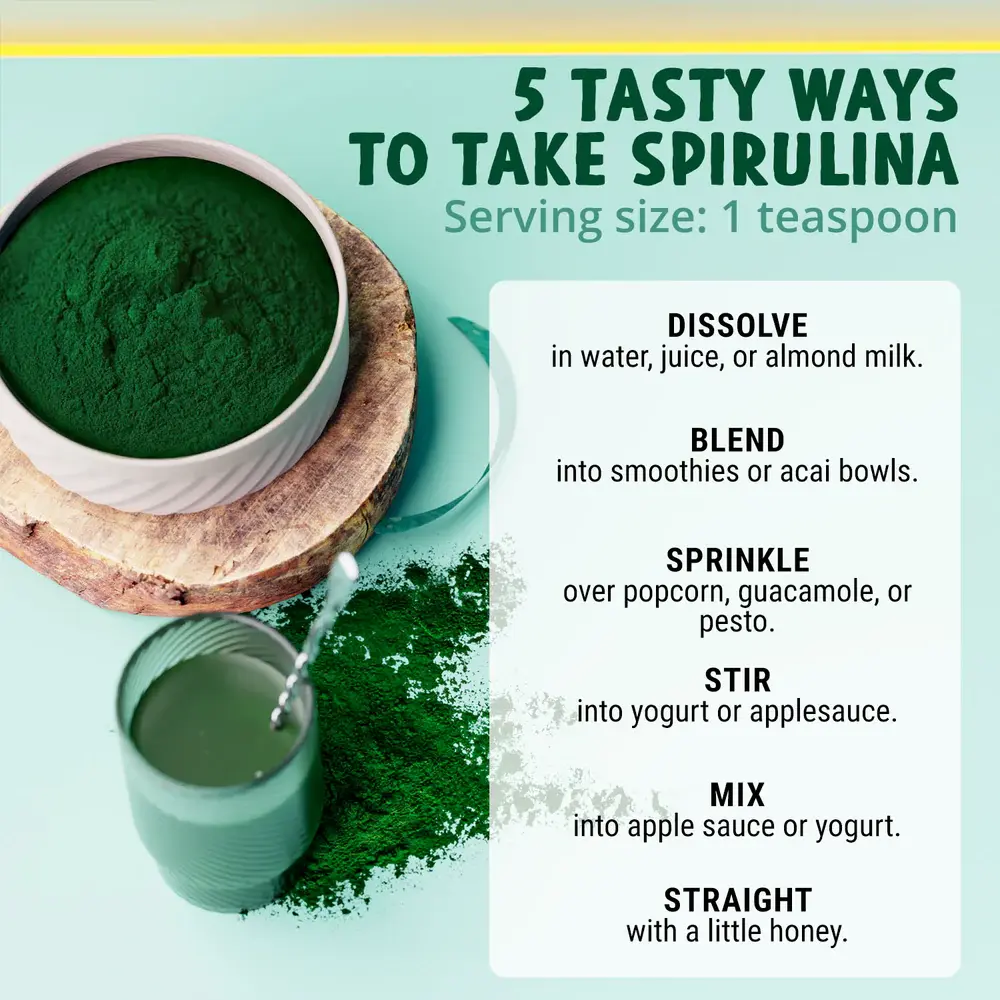
Combining the Two Powders to Maximize Benefits
Both wheatgrass and spirulina powerhouses deliver standalone merits, but strategic combination synergizes effects. Blending the antioxidant and micronutrient dynamos potentially boosts vitality, immunity, and overall wellbeing exponentially compared to a single supplement alone. Although taste preferences factor into combining the two green superfoods, the plethora of mixing methods and recipes make the nutrition trade-off worthwhile.
Finding optimal ratios potentiate nutritional assets without requiring extremely high doses of one alone to garner equivalent benefits. This circumvents disproportionate quantities necessary if focusing on a singular nutrient profile. Small amounts of each produce an enhanced blended profile while still balancing flavors. For best results, vary daily intake alternating between alone and together.
Consult a nutritionist or dietitian to develop a personalized protocol for including wheatgrass and Spirulina Powder into a healthy lifestyle. Getting professional guidance fine-tunes incorporation for maximizing benefits particular to personal nutritional requirements and health objectives while monitoring safety.
Other Complementary Supplements
Certain other supplements taken alongside spirulina and wheatgrass can augment benefits even further via synergistic reactions:
Probiotics: boost nutrient bioavailability and absorption
Chlorella: additional protein and phytonutrients
Amla berry: extra antioxidants and vitamin C
Flax/hemp: plant-based omegas enhance anti-inflammatory activity
Curcumin: pair for heightened antioxidant and antitumor effects
Wrapping Up
Given substantial scientific validation of health advantages, integrating wheatgrass and spirulina makes sound nutritional sense. Their stellar nutritional profile, antioxidant abundance, detoxification properties, energy enhancement, immune modulation, and disease protection convey profound therapeutic potential.
Combining the two greens provides more comprehensive benefits. But finding balance between maximizing synergies with tolerable taste requires personal experimentation. Regardless, masking options exist to reap this nutrition power duo's joint powers as part of a healthy diet and lifestyle. When sourcing quality supplements, wheatgrass and spirulina promote wellness daily.
Hongda Phytochemistry Co., Ltd. boasts an impressive array of Certifications including cGMP, BRC, ORGANIC (EU), ORGANIC (NOP), ISO22000, ISO9001, FDA, HALAL, KOSHER, and national certification of high-tech innovative enterprises. With over 30 years of experience, our Shaanxi Hongda factory is a renowned ingredients manufacturer. Spanning an area of 20,000 square meters, our Hongda Phytochemistry factory is equipped with advanced extraction equipment and houses its own SGS certified laboratory.
One of our highly sought-after products is the Organic Spirulina Powder, which has gained popularity among our customers. Should you wish to obtain more detailed information about this product or any other inquiries, please don't hesitate to reach out to us via email at duke@hongdaherb.com. We take pride in our corporate advantages and strive to provide comprehensive solutions to meet our clients' needs.
References:
Wheatgrass
1,Kulkarni,S.D., Tilak,J.C., Acharya,R., Rajurkar,N.S., Devasagayam,T.P., & Reddy,A.V.( 2006). Evaluation of the antioxidant exertion of wheatgrass( Triticum aestivumL.) as a function of growth under different conditions. Phytotherapy Research, 20( 3), 218 – 227.
2,Parihar,M.S., Parihar,P., Fujita,M., Hashimoto,M., & Ghafourifar,P.( 2008). relief of intracerebral oxidative and nitrosative stress enhances neurogenesis response in ischemic brain. PloS one, 3( 7), e2334.
Spirulina
1,Mani,U.V., Desai,S., & Iyer,U.( 2001). Studies on the long- term effect of Spirulina supplementation on serum lipid profile and glycated proteins in NIDDM cases. Journal of Nutraceuticals, functional & medical foods, 3( 4), 25- 32.
2,Selmi,C., Leung,P.S., Fischer,L., German,B., Yang,C.Y., Kenny,T.P.,. & Gershwin,M.E.( 2011). The goods of Spirulina on anemia and vulnerable function in elderly citizens. Cellular & molecular immunology, 8( 3), 248- 254.





YOU MAY LIKE