How To Use Lion's Mane Mushroom Powder?
2025-08-18 14:40:17
Lion's mane mushroom powder is an increasingly popular supplement derived from the Lion's mane mushroom, known scientifically as Hericium erinaceus. This unique mushroom contains bioactive compounds that offer a wide range of health benefits, from supporting brain health to alleviating inflammation. Lion's mane mushroom powder makes it easy to get the advantages of this mushroom on a daily basis. Read on to learn all about lion's mane mushrooms, their health perks, and how to incorporate them into your own supplemental regimen.
What is Lion's Mane Mushroom Powder?
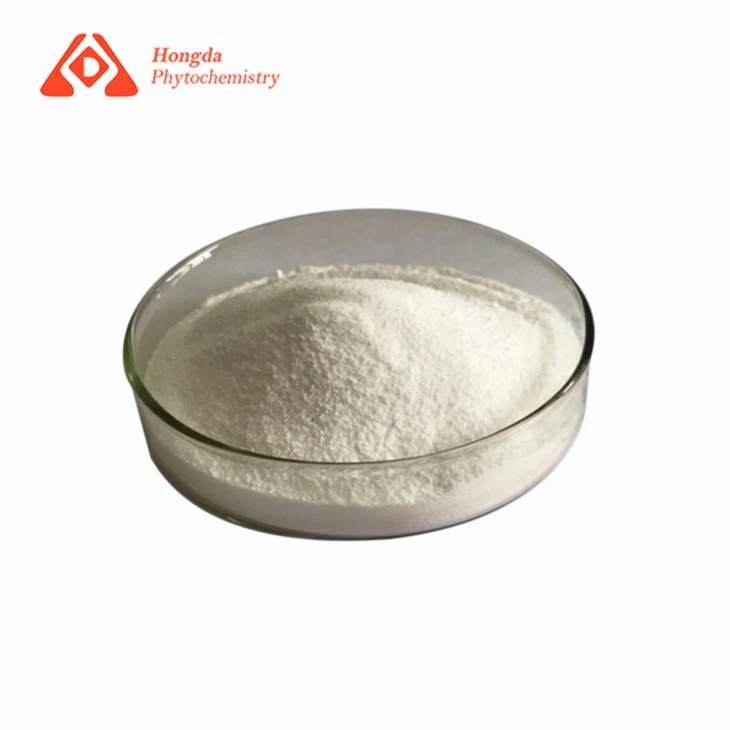
Lion's mane mushroom powder is simply the ground, dried fruitbodies of H. erinaceus mushrooms. Various products may use fruitbodies harvested at different growth stages for differing concentrations of bioactives. The mushrooms are hot water or alcohol extracted to concentrate the beneficial compounds. The extract is then spray dried at low temperatures into a fine powder for convenience and preservation [1].
This resulting supplement contains a wealth of beneficial ingredients:
• Polysaccharides - Anti-inflammatory beta-glucans
• Hericenones - Support nerve growth factor
• Erinacines - Encourage nerve myelination
These powerful compounds enable lion's mane mushrooms to offer neuroprotective, immunomodulating, antioxidant and other health effects that we'll explore shortly [2].

Benefits of Lion's Mane Mushroom Powder
Research has uncovered an impressive range of health benefits offered by lion's mane mushroom extract components. Here are some of the top scientifically-backed benefits:
Supports Cognitive Health
Key substances in lion's mane extracts have demonstrated the ability to stimulate the production of nerve growth factor (NGF) in the brain. NGF is essential for neurogenesis - the growth and maintenance of neurons [3]. Lion's mane consumption may aid cognitive capacities like memory, focus and clarity.
Alleviates Neurological Damage
The nerve regenerating activity of lion's mane is also beneficial for neurological damage. Animal research found improved rate recovery in cognition and neural tissue when given to subjects dealing with stroke, injury or other neurological trauma [4]. More human studies are still needed in this application.
Reduces Anxiety and Depression
By encouraging neurogenesis and reducing inflammation, lion's mane shows potential effects against mood disorders like anxiety and depression. Studies found lion's mane effective at lowering symptoms of depression and anxiety, and improving overall mood [5].
Relieves Inflammation
The anti-inflammatory effects of lion's mane mushroom stem largely from its beta-glucan polysaccharides and other bioactive components. Research confirms the immunomodulating abilities, making lion's mane potentially useful against inflammatory disorders [6].

How to Use Lion's Mane Mushroom Powder
The convenience of lion's mane mushroom powder makes getting your daily dose much easier. Here's how to start integrating it into your wellness regimen:
In Smoothies
Stir about 1 teaspoon - 2 grams of powder - into your morning smoothie, plant-based milk or other beverage. The neutral flavor easily incorporates into juices, shakes, lattes and more. Blending the powder helps maximize absorption.
Sprinkled on Foods
You can also simply sprinkle lion's mane powder onto meals like oatmeal, yogurt, soups and salads as a supplement booster. Use it daily just as you might add turmeric, cinnamon or other superfood powders to foods.

In Supplement Capsules
For accurate dosing, lion's mane capsules provide measured amounts of mushroom powder in convenient capsule form. Look for capsules with at least 500mg of mushroom extract standardized to contain minimum levels of active compounds like hericenones and beta-glucans.
Pair with Other Mushrooms
You can combine lion's mane powder or capsules with other beneficial mushroom supplements like cordyceps, reishi and chaga for increased effects. Many mushroom complex supplements offer blends to provide nutritional diversity.
Dosage and Safety
Research indicates lion's mane mushroom powder is very safe for daily consumption, though some minor side effects can occur.
Human studies used 1,000-3,000mg of lion's mane extract powder per day successfully and safely. This equates to around 1-3g of actual mushroom powder. It's best consumed with food for proper absorption.
In capsule form, typical dosing ranges from 500mg - 1000mg taken 1-3 times daily. Note capsules contain measured mushroom extract, so contain more bioactives per gram than straight mushroom powder.
Lion's mane supplements may cause mild stomach upset, digestive discomfort or diarrhea in some users. Discontinue use if this persists. As mushrooms naturally contain chitin fiber, those with digestive sensitivies should introduce it slowly.
Some research also shows potential for lion's mane to stimulate Th1 immunity pathways, possibly interfering with immunosuppressive therapies [7]. Check with your doctor before taking it if you have an autoimmune condition or take these types of medications.
Concluding Remarks
With proven cognitive enhancing and inflammation alleviating abilities, lion's mane mushroom powder makes an excellent daily health supplement. By stimulating nerve growth factor and tissue-repairing myelination, the bioactive compounds in lion's mane mushrooms support brain, nervous system and whole body health.
When taken regularly in doses of 1-3g daily, lion's mane extract powder or capsules offer many science-backed benefits - from improving focus and memory to reducing anxiety and protecting neurological health. Add this neuro-regenerative superfood supplement to your routine today.
As with any new supplement, consult your healthcare provider first, especially if taking any medications or have a medical condition. Enjoy the mental clarity and soothing comfort of lion's mane mushroom powder.
Hongda Phytochemistry Co., Ltd. is a renowned ingredients manufacturer with over 30 years of experience in the field. We take pride in our Certifications, including cGMP, BRC, ORGANIC (EU), ORGANIC (NOP), ISO22000, ISO9001, FDA, HALAL, KOSHER, and national certification of high-tech innovative enterprises. Our commitment to quality and safety is evident in every aspect of our operations. Situated in Shaanxi province, our state-of-the-art factory spans an impressive 20,000 square meters. Equipped with advanced extraction equipment and boasting our very own SGS-certified laboratory, we ensure the highest standards of excellence throughout our production process. At Hongda Phytochemistry, efficiency is paramount. With six advanced production lines operating simultaneously, we have a daily output of ten tons, resulting in an annual yield of several thousand tons. This level of productivity allows us to meet the demands of our diverse clientele without compromising on quality.
Should you require further information about our Lion's Mane Mushroom Extract Powder or any other inquiries, please don't hesitate to contact our team at duke@hongdaherb.com. Our knowledgeable professionals are dedicated to providing you with comprehensive answers based on their expertise.
References:
[1] Phan, Chia-Wei et al. "Hericium erinaceus: A Review of Its Uses, Formulation, and Cultivation." Foods (Basel, Switzerland) vol. 9,12 1746. 2 Dec. 2020
[2] Friedman, Mendel. "Mushroom Polysaccharides: Chemistry and Antiobesity, Antidiabetes, and Antibiotic Properties in Cells, Rodents, and Humans." Foods (Basel, Switzerland) vol. 5,4 80. 19 Oct. 2016
[3] Phan, Chia-Wei et al.
[4] Wong, Kah-Hui et al. "Neuroregenerative potential of lion's mane mushroom, Hericium erinaceus (Bull.: Fr.) Pers. (higher Basidiomycetes), in the treatment of peripheral nerve injury (review)." International journal of medicinal mushrooms vol. 14,5 (2012): 427-46.
[5] Nagano, Mayumi et al. "Reduction of depression and anxiety by 4 weeks Hericium erinaceus intake." Biomedical research (Tokyo, Japan) vol. 31,4 (2010): 231-7.
[6] Jayachandran M, Xiao J, Xu B. A Critical Review on Health Promoting Benefits of Edible Mushrooms through Gut Microbiota. Int J Mol Sci. 2017;18(9):1934. Published 2017 Sep 8.
[7] Xu C, Teng BS, Zhang P, et al. Polysaccharides from Hericium erinaceus Modulate Inflammatory Mediators in Triple Immortalized Granulocytes. Front Pharmacol. 2019;10:1438. Published 2019 Dec 17.