Why Is Liposomal Coenzyme Q10 Powder the Preferred Choice for Energy Support?
2026-06-16 16:17:26
Liposomal Coenzyme Q10 Powder has become the best choice for energy support because it fixes the main problems with how bioavailable standard CoQ10 forms are. This new delivery method uses advanced nano-lipid encapsulation technology that works like cellular membranes to get plasma amounts 3–10 times higher than crystalline CoQ10, which usually has absorption rates below 5%. The better uptake by cells directly leads to better mitochondrial support and ATP production, making it the best choice for formulators in the nutraceutical industry who want to see real results in energy improvement.
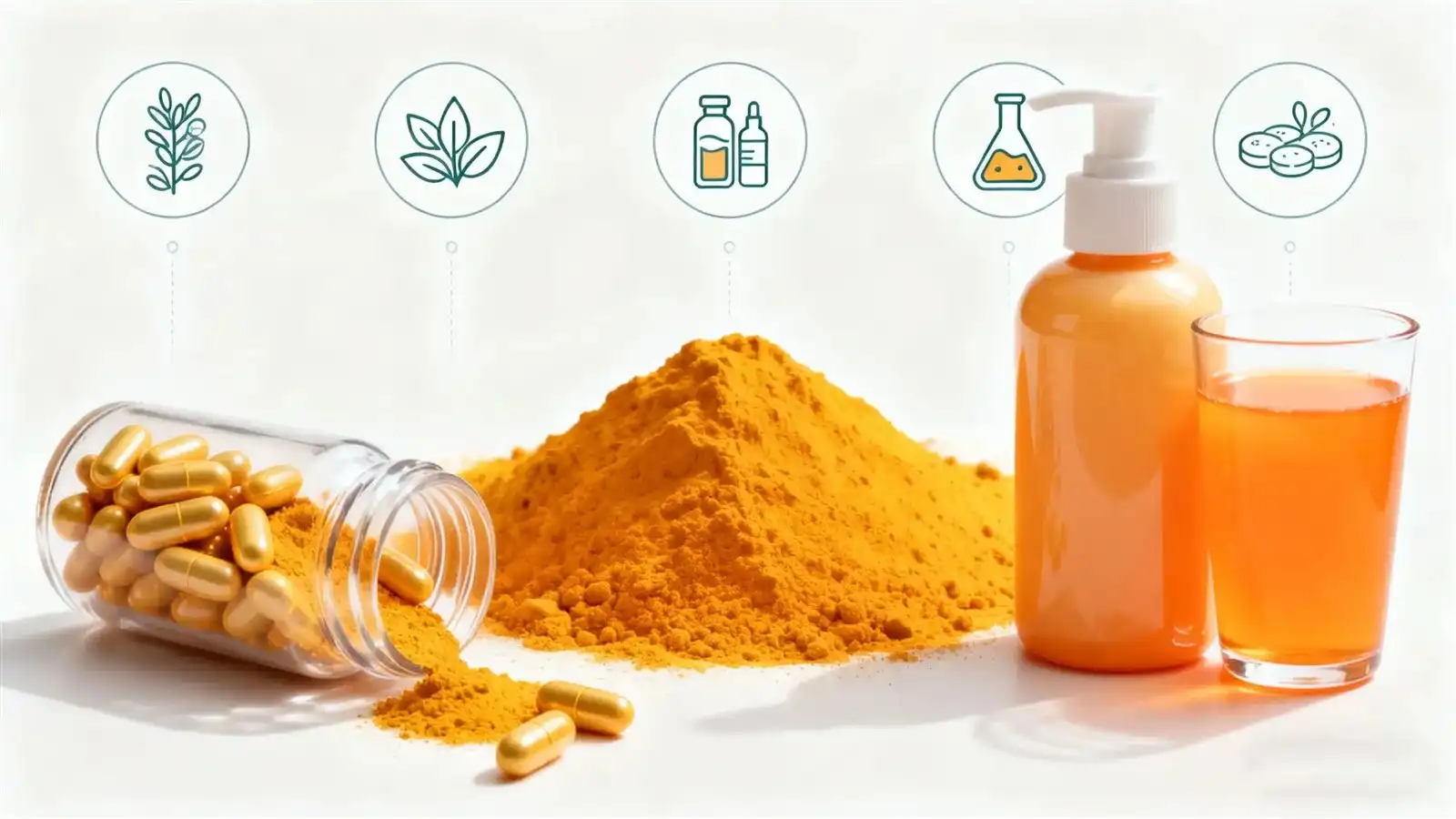
Understanding Liposomal Coenzyme Q10 Powder: A Comprehensive Overview
Along with the creation of liposomal delivery methods, the way people take CoQ10 supplements has changed profoundly. Traditional ubiquinone has a lot of problems because it has a very high molecular weight and is very attracted to fat, which makes it very hard for the body to absorb. There are a lot of people who buy normal CoQ10 supplements but don't feel any physiological effects because the active substance never hits therapeutic levels in their bloodstream.
The Science Behind Liposomal Encapsulation Technology
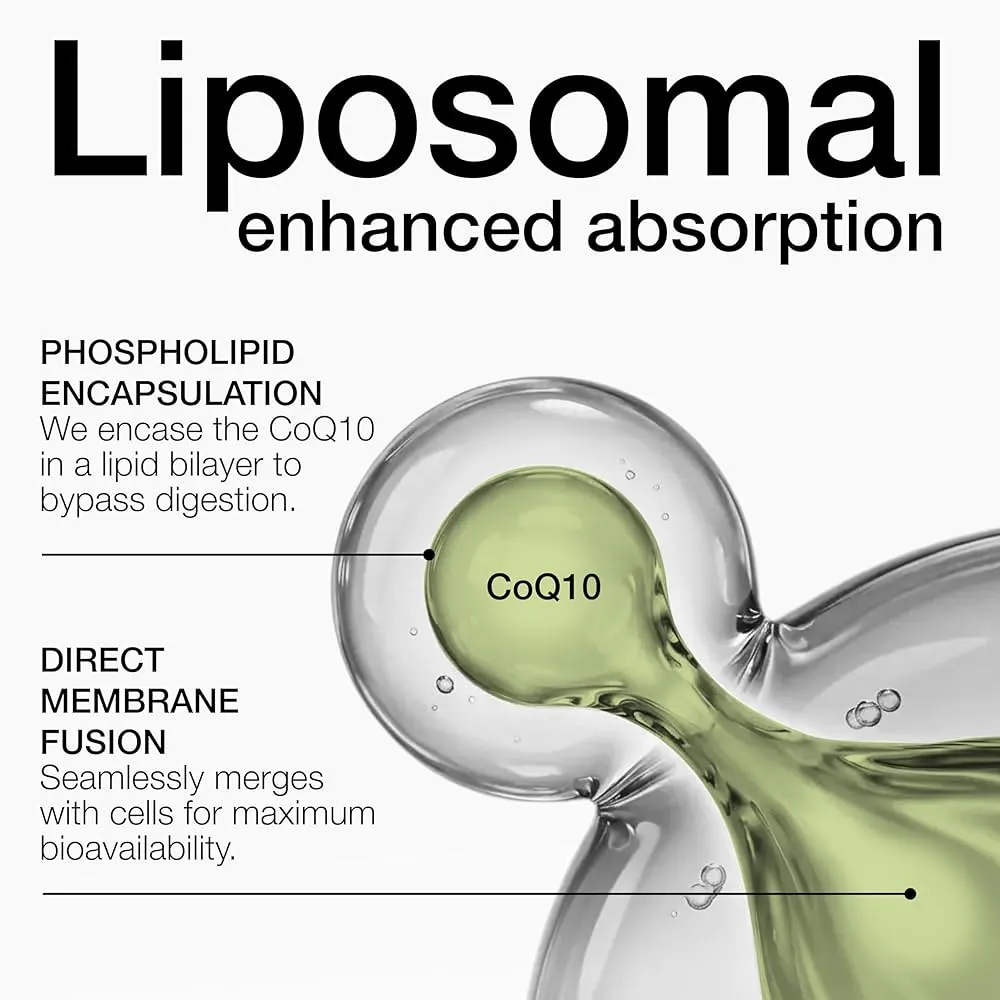
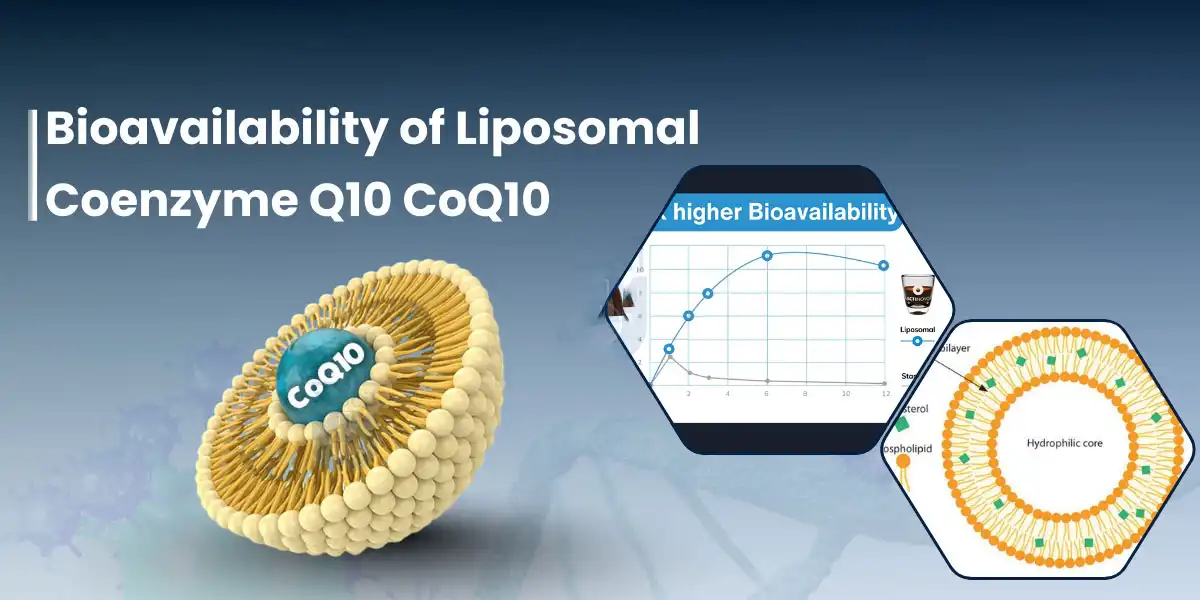
Liposome technology is a way to give nutrients that is safe enough for use in pharmaceuticals. During the process, CoQ10 molecules are enclosed in phospholipid bilayers that are usually made from phosphatidylcholine found in non-GMO sunflowers. These very small bubbles, which are about 100 to 400 nanometers across, keep the active ingredient from breaking down and make it easier for it to get through digestive walls. Unlike simple physical mixes of CoQ10 and lecithin, real liposomal formulas have particles of the same size all over and a Polydispersity Index below 0.3. This makes sure that the absorption properties are the same from one production batch to the next.
Key Structural Advantages Over Standard CoQ10 Powder
Standard solid CoQ10 powder makes it very hard to make new products. It floats, clumps, and doesn't dissolve easily when added to water, which makes it difficult for companies that make drinks and liquid supplements. Liposomal Coenzyme Q10 Powder changes everything about this situation. When it comes in touch with water, it quickly breaks up into stable colloidal suspensions, so you don't need to add any extra emulsifiers or surfactants. This ability to dissolve in water gives product makers new ways to make their products, especially when it comes to functional drinks and ready-to-mix energy support products for busy people.
Core Health Benefits for Energy Metabolism
CoQ10 is an important part of the electron transport chain in mitochondria, which is where cells make energy. CoQ10 helps move electrons between enzyme groups in mitochondria, which makes adenosine triphosphate, which is the global energy currency of living things, possible. In addition to helping the body use energy, CoQ10 is a powerful antioxidant that protects cells from damage caused by free radicals that are created during regular cellular respiration. Because it can do two things, it is especially useful for supporting heart health, exercise healing, and the loss of energy that comes with getting older. Liposomal transport makes sure that these healing chemicals reach the right tissues at the right amounts to have measurable effects on the body.
Scientific Rationale Behind Liposomal Coenzyme Q10 Powder's Superior Energy Support
Liposomal Coenzyme Q10 Powder and regular CoQ10 formulations are not as successful as each other because of basic changes in how drugs are absorbed and distributed in the body. When procurement experts and formulators know these differences, they can choose ingredients based on proof that gives real value to end consumers.
Mitochondrial Function and ATP Synthesis Fundamentals
There are hundreds to thousands of mitochondria in human cells. Each one works like a tiny power plant, turning food into energy that the cell can use. CoQ10 works inside the inner mitochondrial membrane, taking electrons from Complex I and Complex II and sending them to Complex III. This transfer of electrons causes proton pumps to move across the membrane, which creates the electrochemical gradient that powers ATP synthase, the molecular machine that makes ATP molecules. This whole process slows down when CoQ10 levels drop below the optimal amounts. This can lead to fatigue, less ability to handle exercise, and worse brain performance. Ensuring that cells get enough CoQ10 is therefore the main problem that liposomal technology solves.
Overcoming Bioavailability Barriers with Nano-Lipid Encapsulation
Conventional CoQ10 has a hard time being absorbed by the body. Because it doesn't mix well with water, most of the CoQ10 we eat goes through our digestive system without getting into our bloodstream. What the body does receive is broken down in the liver in a process called "first-pass metabolism," which lowers the amount that is accessible even more. Liposomal Packaging gets around both of these problems. The phospholipid spheres blend in perfectly with the epithelial cells of the intestine, making direct cell uptake possible. A lot of liposomal particles go through the lymphatic system instead of the portal circulation, skipping the first step of processing in the liver. Researchers have found that Liposomal Coenzyme Q10 Powder has much higher area-under-curve values in pharmacokinetic tests. This means that blood levels stay high for longer amounts of time.
Clinical Evidence Supporting Enhanced Energy Outcomes
Several clinical studies have shown that improved CoQ10 delivery methods from a liposomal coenzyme Q10 manufacturer work better than others. Studies that check the amount of CoQ10 in the blood after supplementation repeatedly show that Liposomal Coenzyme Q10 Powder and nano-emulsion formulations produce 2.5 to 8 times higher blood levels than standard powder or oil solutions when the same doses are given. More importantly, studies that looked at perceived energy levels, exercise performance markers, and measures of mitochondrial function show that formulas from a liposomal coenzyme Q10 manufacturer that improve CoQ10 absorption make a real difference. These results give the clinical support that R&D offices and medical affairs teams need when they look at different ingredient choices for product lines that support energy.
Comparing Liposomal Coenzyme Q10 Powder with Other Formulations and Supplements
To set your energy product apart from the competition, you need to know how the different ways of delivering CoQ10 compare. Professionals in procurement have to look at a lot of things, such as how well something works, how well it works with other products, how much it costs, and how easy it is for end users.
Performance Analysis: Powder vs. Capsules vs. Liquid Formats
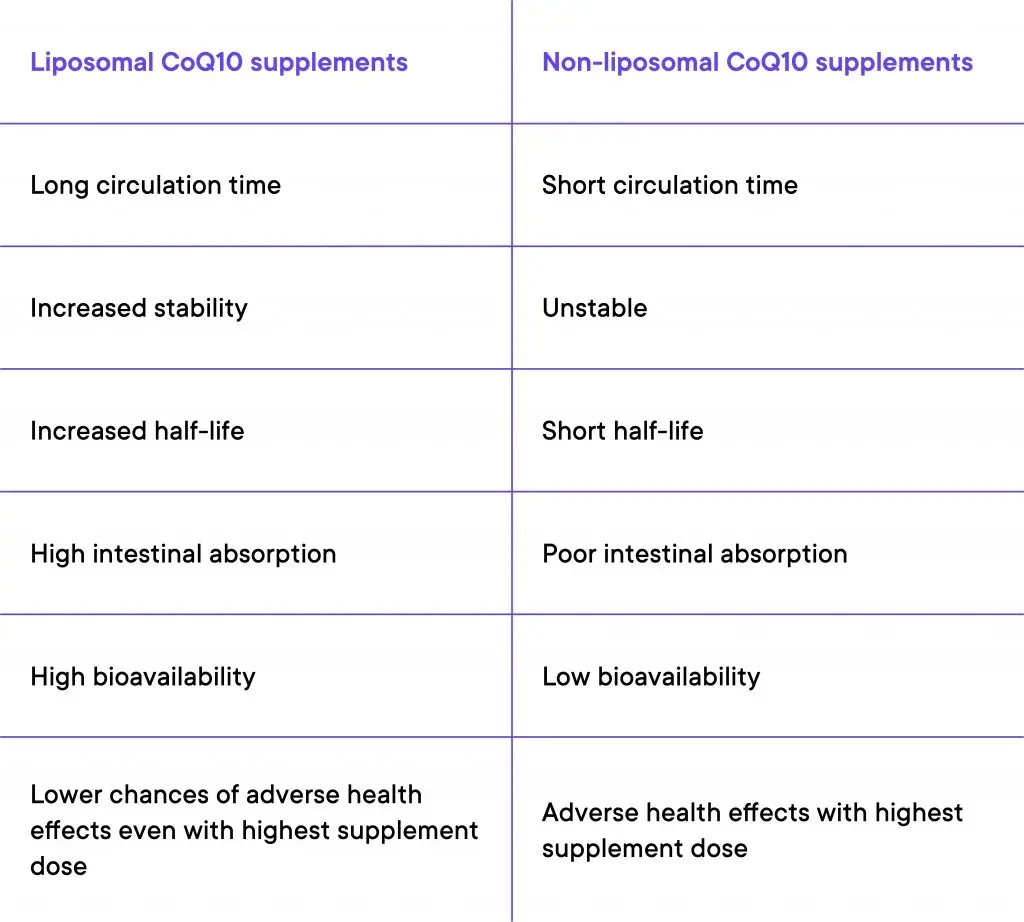
Different types of delivery each have their own pros and cons. Liquid Liposomal Coenzyme Q10 Powder can be spread right away, but it needs to be kept in a cold chain and isn't very stable on the shelf; over time, worries about oxidation grow. Capsule forms are convenient, but they usually have solid CoQ10 that isn't well absorbed, so they need to be taken in large amounts, which raises the cost per serve. Liposomal Coenzyme Q10 Powder fills in these gaps well. It keeps the better absorption of liquid liposomes and stays stable at room temperature for 24 months. The powder form allows for easy dosing and smooth incorporation into a wide range of product structures, such as functional foods, sachets, and pills.
Ubiquinol vs. Ubiquinone: Understanding the Liposomal Advantage
People in the CoQ10 market often argue about whether ubiquinol or ubiquinone types are better. Ubiquinol is the reduced form that works as an antioxidant, while ubiquinone needs to be changed inside cells. The absorption barriers are the same for both types. Liposomal technology changes this situation in a big way. Liposomal formulas can match or beat the bioavailability of top ubiquinol products at better price points by delivering ubiquinone to cells three to ten times more efficiently. The body easily changes ubiquinone that it absorbs into ubiquinol when it needs to. This means that better delivery is more important than the starting oxidation state.
Position Relative to Alternative Antioxidant Energy Supplements
Energy-boosting formulas usually have a lot of different chemicals, like B-vitamins, carnitine, alpha-lipoic acid, and different plant products. Liposomal Coenzyme Q10 Powder from a liposomal coenzyme Q10 manufacturer is different from other compounds in this setting because it works directly with mitochondria and has two functions: one as an energy source and one as an antioxidant. CoQ10 works on cellular energy production at the source, unlike energy goods that use stimulants and just cover up tiredness. Because it works well with other ingredients that support energy, it's a great base for all-around energy support plans. Because liposomal transport lowers the dose needed, it makes room for chemicals that work together without making the capsules bigger or costlier to make for a liposomal coenzyme Q10 manufacturer.
Practical Procurement Considerations for B2B Clients
For Liposomal Coenzyme Q10 Powder to work well in commercial products, specific sourcing rules, supply chain operations, and quality control procedures must be carefully considered. These go beyond just buying the ingredients themselves.
Sourcing Pharmaceutical-Grade Materials with Proper Certifications
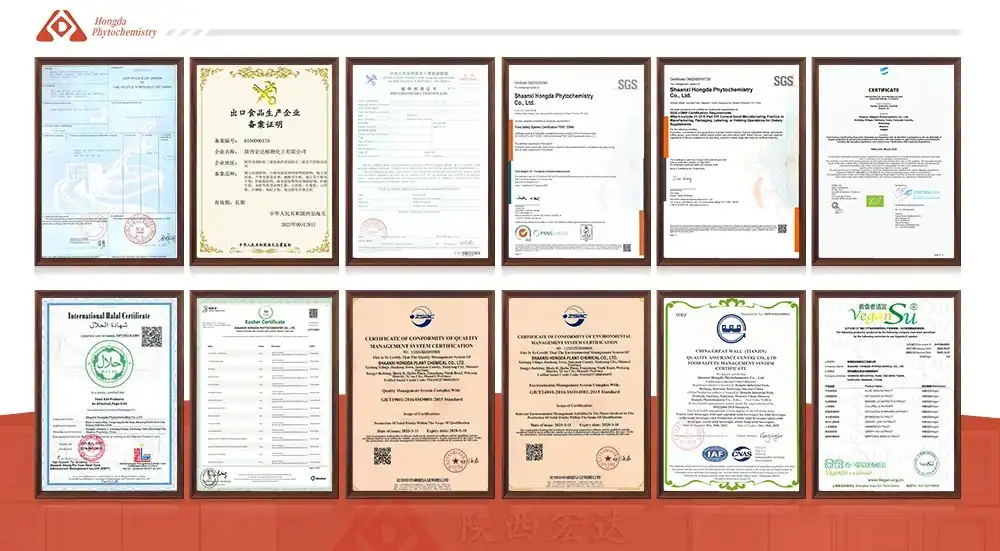
Credentials of the provider are the first step in quality security. Liposomal Coenzyme Q10 Powder makers with a good reputation keep a lot of different Certifications, such as cGMP facility registration, ISO 9001 quality management systems, ISO 22000 food safety standards, and FSSC 22000 approval. For example, products going to the Middle East need to be certified as HALAL, products going to certain customer groups need to be certified as KOSHER, and products going to premium natural goods channels need to be certified as organic. Analytical testing is also part of verification. Certificate of Analysis papers should show that the CoQ10 is more than 70% pure, that the particle sizes are within certain ranges, that the packaging efficiency is more than 85%, and that the microbial testing was done correctly. Validation by a third-party lab through SGS or a similar testing company gives extra confidence that backs up regulatory files and quality claims.
Pricing Structures and Minimum Order Quantities
The high cost of Liposomal Coenzyme Q10 Powder is due to the complicated processes used to make it. Pharmaceutical-grade material with at least 70% purity usually costs between $180 and $350 per kilogram on the market. The exact price depends on the amount ordered, the specifications needed, and any customizations that need to be made. Different manufacturers have different minimum order amounts. For example, Hongda and other modern suppliers make 1-kilogram minimums available, which makes it easier to develop new products and make small batches. Pricing rates based on volume usually start at 25 kilograms, and prices drop a lot per unit at 100 kilograms and 500 kilograms. Instead of just comparing the costs of the ingredients, formulators should figure out the cost-per-dose based on the smaller serving sizes that are needed because the drug is bioavailable better.
Shipping and Storage Guidelines for Quality Preservation
Proper treatment throughout the supply chain protects the purity of the product from the time it is made until it is used by a customer. Liposomal Coenzyme Q10 Powder is very stable at room temperature, so it doesn't need to be shipped in a refrigerator, which can be hard to do and costs a lot. It is suggested that the items be stored in cool, dry places that are below 25°C and have a relative humidity of less than 60%. Putting food in containers that block light and moisture, like metal foil bags with zip-seal openings, keeps the quality of the food for 24 months. Measures to control humidity should be included in international shipping, especially ocean freight going through warm areas. When they get the goods, buying teams should check the quality of the package, look at the colors and how the powder flows, and keep samples for tracking stability.
Choosing the Right Liposomal Coenzyme Q10 Powder Supplier
Choosing a supplier is one of the most important choices that goes into making supplements. The relationship goes beyond just buying things; it also includes professional support, help with regulations, and working together to make new products.
Essential Certification Standards and Quality Markers
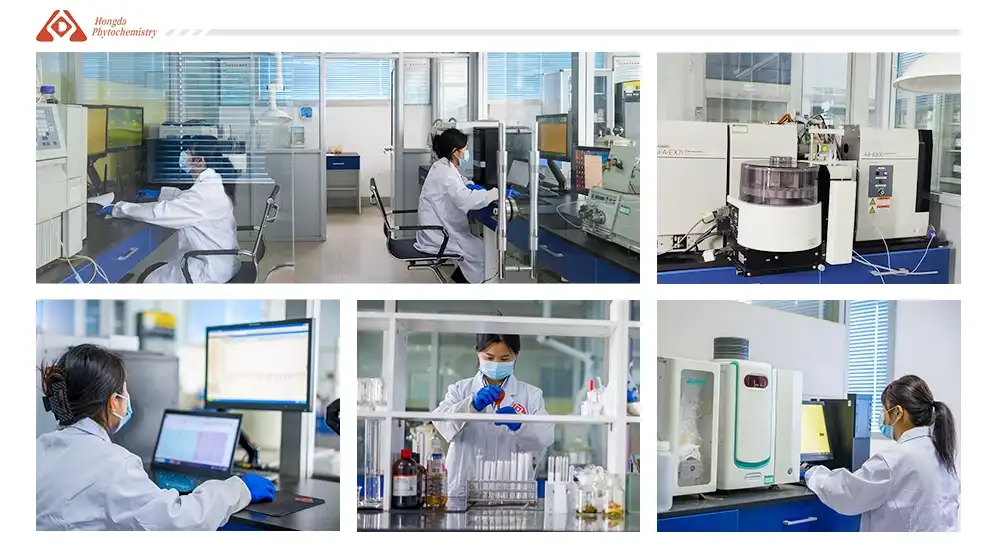
Several quality signs must be looked at to tell the difference between real pharmaceutical-grade providers and commodity dealers. Getting your manufacturing plant registered with the right authorities gives you basic peace of mind. For example, you need FDA establishment registration to sell in the U.S., BRC approval for selling in Europe, and Health Canada licensing for selling in Canada. Laboratory skills are very important. Suppliers with SGS-certified testing facilities can provide verified analytical results instead of depending on testing by a third party, which adds time to the production schedule. Environmental approvals are becoming more and more important in buying decisions, and many buyers give more weight to sellers who can show they use sustainable phospholipid sources and handle their waste streams. Having dedicated research and development teams, ideally with scientists with advanced degrees and writings in peer-reviewed journals, shows that the company can help with formula improvement and technical problem-solving.
Evaluating Manufacturing Capabilities and Product Portfolios
How well a seller can grow with your business depends on their production capacity and technological infrastructure. Shaanxi Hongda Phytochemistry has advanced extraction tools, full natural plant extract production lines, and 20,000 square meters of cGMP-compliant manufacturing space, all of which show that they can make a wide range of products. Their collection of more than 400 products shows that they have a wide range of skills that can help with formulations with multiple ingredients and make finding easier for complicated supplement lines. This wide range lets buyers combine providers, which lowers the cost of administration and makes it possible to meet more than one ingredient under one set of quality rules.
Building Long-Term Collaborative Partnerships
Strategic ties with suppliers give you a competitive edge that goes beyond just getting ingredients. Leading makers offer private labeling services that help named goods get into the market faster. Technical support teams help with things like testing for safety, studying compatibility, and finding the best way to make a formula. These are all very useful when making new delivery forms or combination goods. Communication infrastructure is important. Suppliers who offer specialized account management, quick technical help, and support in multiple languages make it easier for people from different time zones and cultures to work together. Hongda's availability of customer service 24 hours a day shows their dedication to making partnerships work. Contracts that are flexible about minimum orders, payment terms, and changes to specifications make it easy to respond quickly to market possibilities.
Conclusion
Liposomal Coenzyme Q10 Powder is a big step forward in energy support supplements because it solves the problems that traditional CoQ10 products have had with absorption. This recipe uses cutting-edge nano-lipid encapsulation technology to give much higher plasma concentrations and cellular uptake, which directly leads to better mitochondrial function and ATP production. It's the best choice for brands that want to make products that work better because it has benefits like better stability, better absorption, recipe freedom, and low-cost production. To do procurement well, you need to pay attention to seller qualifications, approval standards, and the possibility of working together with suppliers in ways other than just buying things. This will help your business grow in the long run.
FAQ1. What is the optimal dosage of liposomal CoQ10 for energy support?
Because Liposomal Coenzyme Q10 Powder versions are better absorbed, the daily dose that works best is usually between 50 and 200 mg. This is a lot less than the 200 to 600 mg that is usually needed with regular CoQ10. The exact dose varies on the goals of the formulation, the age of the target group, and whether the product is for general health or for specific health problems that need clinical-level support.
2. Are there contraindications or side effects associated with liposomal CoQ10?
Liposomal Coenzyme Q10 Powder has little to no side effects and a very good safety rating. At high amounts, mild stomach problems can happen sometimes. People who take blood thinners should talk to their doctors because CoQ10 might affect how warfarin works in the body. Women who are pregnant or nursing should talk to their doctor before taking supplements.
3. When should consumers take liposomal CoQ10 for maximum efficacy?
When you eat Liposomal Coenzyme Q10 Powder with fats, your body absorbs it better. Increasing intake with foods that contain good fats works best. Giving CoQ10 in the morning can help with energy needs during the day, but the timing is flexible because it stays in tissues for a long time. More important than exact time is taking supplements every day.
Partner with a Trusted Liposomal Coenzyme Q10 Powder Manufacturer
Hongda Phytochemistry can help you improve your energy-boosting products by giving you pharmaceutical-grade Liposomal Coenzyme Q10 Powder. Our recipe is at least 70% pure and has higher bioavailability. It is backed by several certificates, such as cGMP, HALAL, KOSHER, BRC, FDA, ISO 9001, and FSSC 22000. We help both new names and well-known manufacturers because our minimum order size is only 1 kilogram and our bulk prices are low. Assisting with formulation, stability testing, and customization services that are specific to your market needs is what our expert team does. Get in touch with duke@hongdaherb.com right away to get samples and talk about how our Liposomal Coenzyme Q10 Powder seller services can help your goods stand out in the energy support market.
References
1. Bhagavan, H.N., and Chopra, R.K. (2006). "Coenzyme Q10: Absorption, tissue uptake, metabolism and pharmacokinetics." Free Radical Research, 40(5), 445-453.
2. López-Lluch, G., Del Pozo-Cruz, J., Sánchez-Cuesta, A., Cortés-Rodríguez, A.B. y Navas, P. (2019). "Bioavailability of coenzyme Q10 supplements depends on carrier lipids and solubilization." Nutrition, 57, 133-140.
3. Mantle, D., and Dybring, A. (2020). "Bioavailability of Coenzyme Q10: An Overview of the Absorption Process and Subsequent Metabolism." Antioxidants, 9(5), 386.
4. Pravst, I., Rodríguez Aguilera, J.C., Cortés Rodríguez, A.B., Jazbar, J., Locatelli, I., Hristov, H. y Žmitek, K. (2020). "Comparative Bioavailability of Different Coenzyme Q10 Formulations in Healthy Elderly Individuals." Nutrients, 12(3), 784.
5. Sharma, A., Fonarow, G.C., Butler, J., Ezekowitz, J.A., and Felker, G.M. (2016). "Coenzyme Q10 and Heart Failure: A State-of-the-Art Review." Circulation: Heart Failure, 9(4), e002639.
6. Zhang, Y., Liu, J., Chen, X.Q., and Oliver Chen, C.Y. (2018). "Ubiquinol is superior to ubiquinone to enhance Coenzyme Q10 status in older men." Food & Function, 9(11), 5653-5659.