How to Select High-Quality Liposomal NAD+ Powder Suppliers?
2026-06-16 16:26:00
To find good Liposomal NAD+ Powder providers, you need to check Certifications like cGMP and ISO, look at bioavailability claims through third-party testing, look at production capacity, and make sure the suppliers follow all the rules for foreign markets. Product purity levels that stay above 98% are maintained by reliable sources, and they offer unique formulations and clear supply lines. They also offer full technical support for nutraceutical, pharmaceutical, and cosmetic uses.
Understanding the Importance of Choosing the Right Liposomal NAD+ Powder Supplier
The success of your finished product rests on the raw materials you get. The stakes are even higher when it comes to advanced formulas that need liposomal delivery methods. Liposomal NAD+ Powder is an advanced food ingredient that solves the problems with absorption that come with regular NAD+ supplements. Standard nicotinamide adenine dinucleotide compounds break down quickly in acidic environments. However, liposomal versions that are properly encapsulated guard the active molecules through phospholipid bilayers until they reach their cellular targets.
Manufacturers that sell to the U.S. market have seen a huge rise in demand for useful ingredients that fight age and support metabolism. However, this growth has made the supply line much more vulnerable. If you don't follow regular purity standards, make claims about how well encapsulation works, or use reliable source methods, your brand's image could be hurt before the product even gets to stores. Studies show that untreated NAD+ is only bioavailable in small amounts when taken by mouth (less than 5%). However, real liposomal technology can increase absorption rates by 400–800%, so it is very important to check the source.
Purchasing and research and development teams that work with nutritional products are under more and more pressure to make sure that the ingredients they use are real. In international supply networks, fake goods with fake analysis certificates have made their way in, posing risks to regulatory compliance and causing products to not work properly. The best way to deal with these market problems is to choose providers who have clear output capabilities, extensive certifications, and a history of doing business. The ingredients you choose have a direct effect on how customers react, how the government views your business, and how you place yourself in the market over the long term.
Core Criteria for Evaluating Liposomal NAD+ Powder SuppliersCertification Verification and Regulatory Compliance
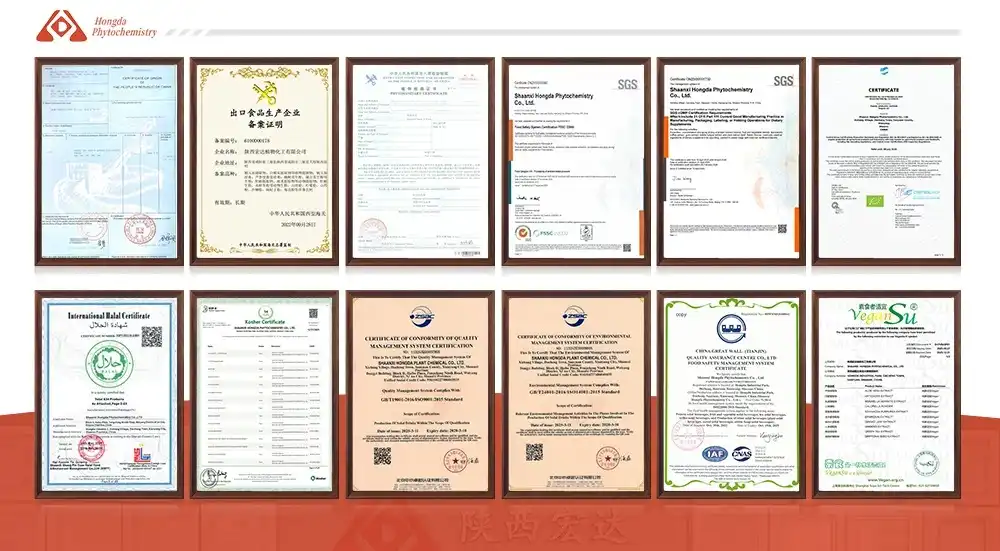
Before you judge a provider of China NADH powder, you must first carefully check their certifications. Real makers keep their cGMP (current Good Manufacturing Practice) certifications up to date, which shows that they follow production standards for pharmaceuticals. Don't just look at pictures of certificates; ask for proof numbers and check with the certifying groups directly to make sure they are real. Suppliers that work with foreign customers should be registered with the FDA and have ISO 9001 quality management systems, ISO 22000 food safety management, and FSSC 22000 certificates, which all show that they have strict quality controls in place.
Specialized certificates show that your goods meet the needs of a certain market. HALAL and KOSHER certifications help you reach more customers, while ORGANIC certification puts you in a higher-end category, even though it costs more. BRC (British Retail Consortium) approval shows that a business meets strict European retail standards, which is necessary for shipping goods across borders. If a supplier doesn't have these qualifications, they might offer lower prices, but they also pose unacceptable compliance risks that could stop your whole product line during regulatory audits.
Analytical Testing and Bioavailability Validation
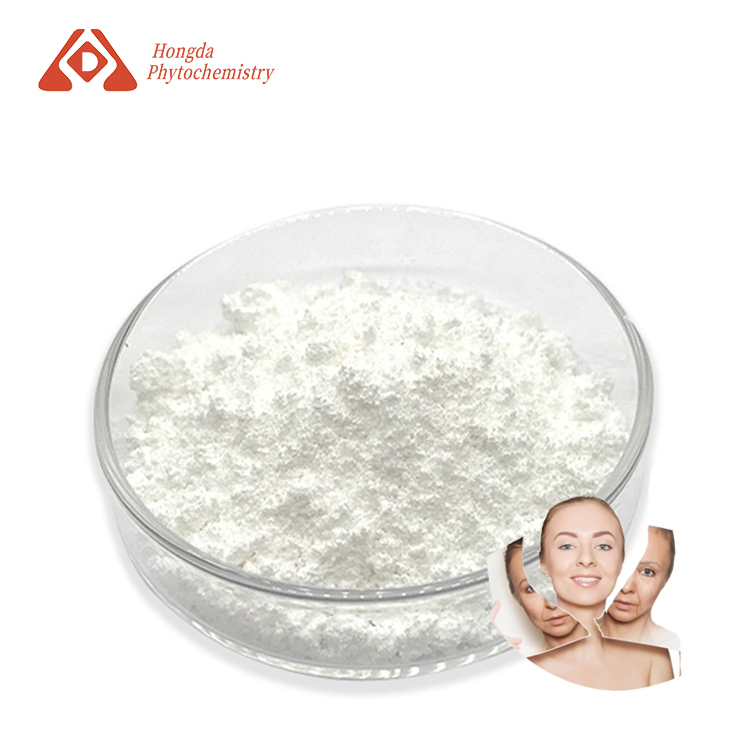
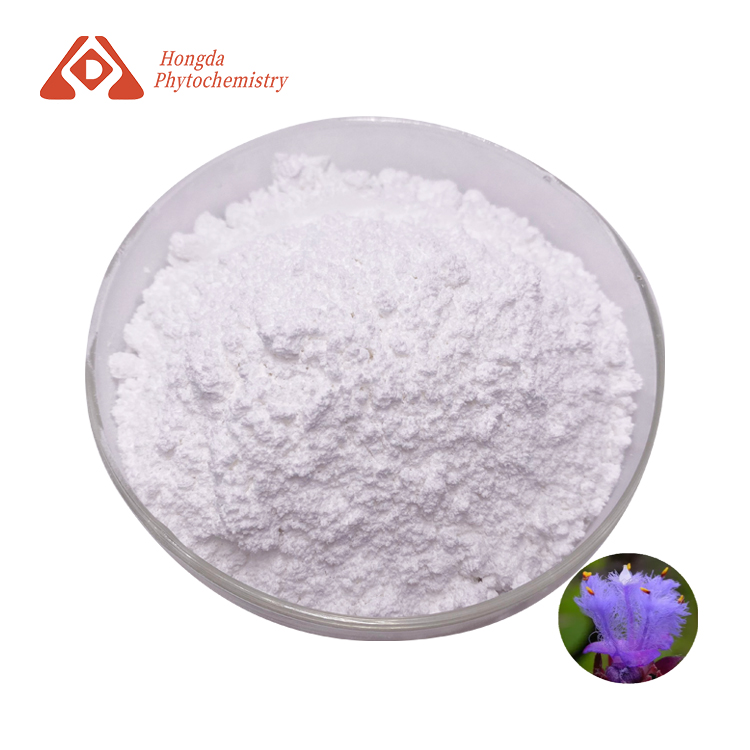
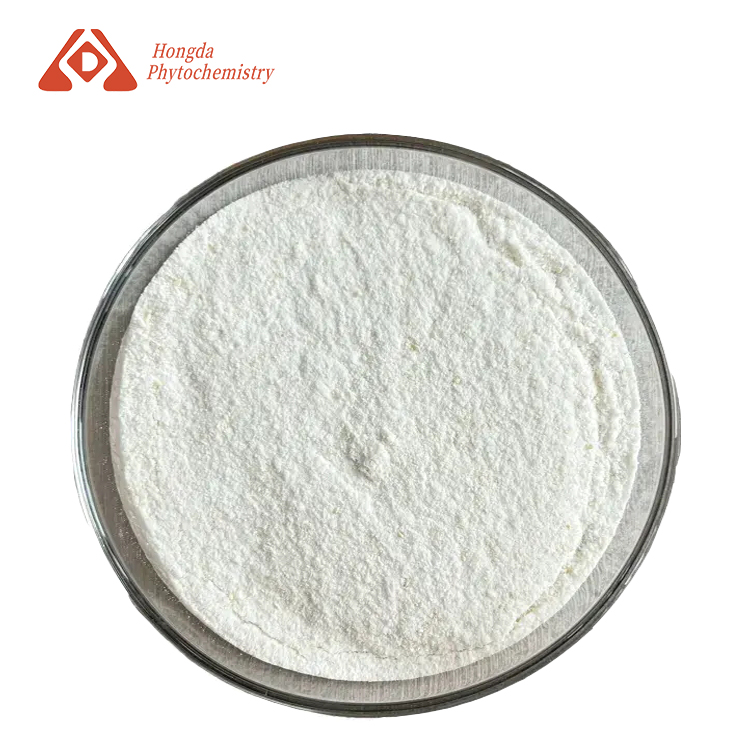
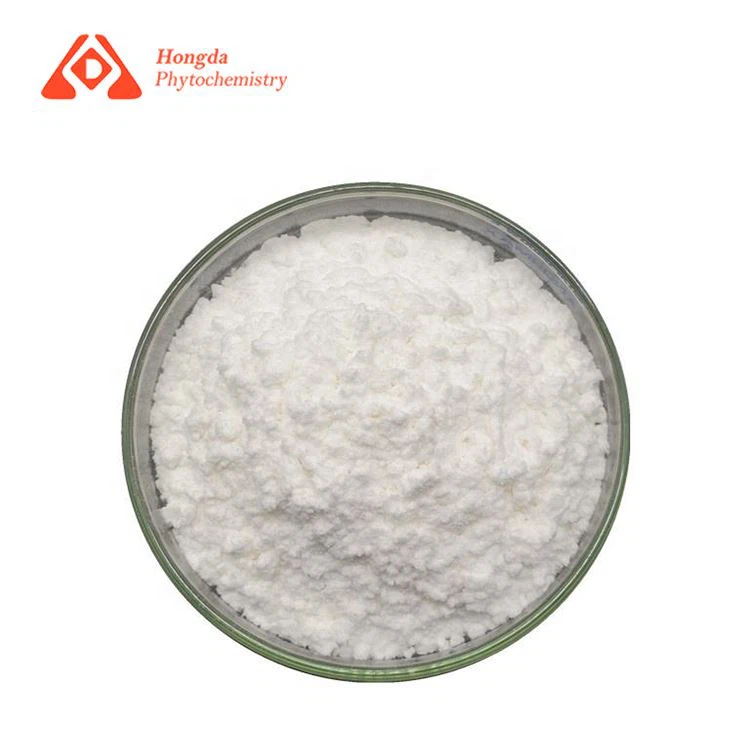
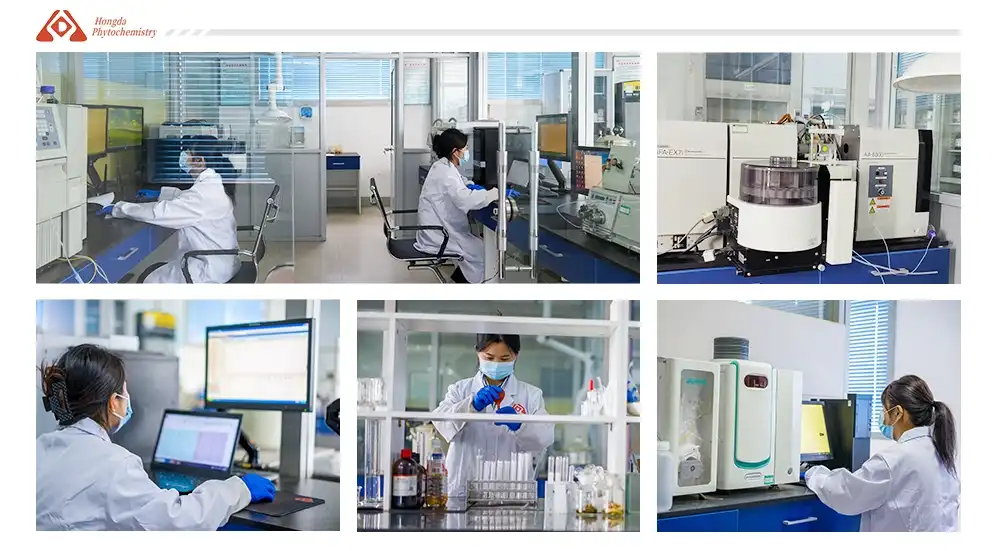
Specifications for products need to be checked by independent laboratories like SGS. Ask for full certificates of analysis (COA) for each batch, which should include HPLC test results that prove the amount of NAD+ purity. The purities of the powder from premium sources are higher than 98%, and the color can range from light yellow to white, based on how it was processed. Total plate numbers, yeast, mold, and pathogen amounts must be recorded as proof that microbial testing meets GMP standards.
Real liposomal goods are different from simple powder mixes because of how well they encapsulate. Liposomal technology that is real should have encapsulation rates above 85%, which can be shown by particle size research that shows spheres with a diameter of 50 to 500 nanometers. Ask for transmission electron microscopy (TEM) pictures or dynamic light scattering (DLS) data that show liposomes are formed. If you don't have this paperwork, you're buying regular NAD+ powder at liposomal prices, which is a mistake that costs a lot and hurts your product claims.
Manufacturing Capacity and Technical Capabilities
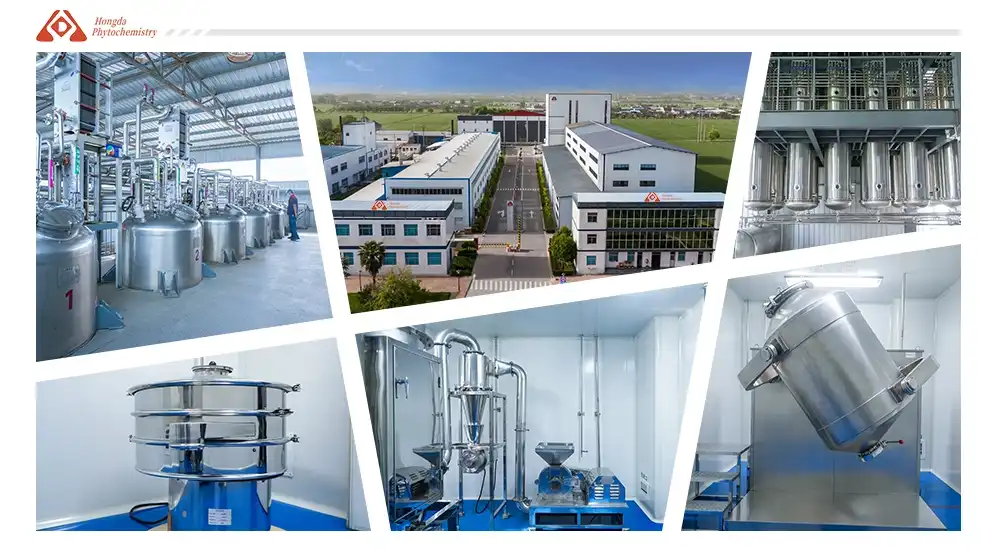
To expand your product line, you need sources with the right production facilities. Facilities should be big enough and have clean rooms set aside for them. For example, Hongda, a company, has 20,000-square-meter facilities with several natural plant extract production lines. If you can, visit the facilities of your suppliers or ask for thorough facility checks to be done by outside quality assurance companies.
How flexible your recipe is depends on how well you can provide technical help. Suppliers that offer custom development services can help you come up with unique formulas that set your brand apart in crowded markets. Scientists with advanced degrees from well-known universities work on research and development teams that solve the difficult stability problems that come up in liposomal systems. Ask possible providers about the qualifications of their technical staff, the lab tools they have, and custom formulation projects they have done in the past for clients in similar market groups.
Comparing Liposomal NAD+ Powder Suppliers: What to Look For
Reputation and Market Track Record
Established providers of China NADH powder who have been in business for decades can lower risk in ways that younger competitors can't. Companies that have been around since 2001 have been through many changes in regulations, economic cycles, and technological advances, showing that they are resilient and able to adjust. National high-tech company titles and public overseas warehouse status show that a business is recognized by the government and has the necessary export infrastructure to support international logistics.
Testimonials from well-known brands in the cosmetics, nutraceuticals, or pharmaceutical industries show that the provider is trustworthy. Ask for case studies that show how successful teams worked, including how problems were solved and what results could be measured. Open and honest conversation during the initial questions stage shows the level of support you'll receive throughout the partnership. When suppliers don't give straight answers, give vague specs, or demand quick promises without reviewing the paperwork properly, these are all big red flags.
Product Portfolio and Formulation Options
Diversified product lists show how flexible production is and how to find ingredients. Suppliers that offer more than 400 standardized plant extracts have well-established supply networks, quality control systems, and legal knowledge that can be used for all types of products. This variety lowers your risk compared to makers who only make one product, who could be affected by shortages of raw materials or changes in niche markets.
Formulation versatility is very important for setting a brand apart. Your provider should be able to deliver in different ways, such as powder and liquid solutions, so you can add more products to your line without switching vendors. Minimum order numbers (MOQ) should match your strategies for testing the market and managing your inventory. Suppliers who demand too high of MOQs can hurt your cash flow and put your products at risk of becoming obsolete. Competitive sellers offer MOQs as low as 1 kilogram, which lets you build a product without spending a lot of money before committing to large orders.
Logistics Infrastructure and Supply Chain Transparency
How consistent your product is and how happy your customers are depend on how reliable your deliveries are. Shipping times to U.S. targets are cut by a huge amount when suppliers keep public stores overseas. Lead times drop from 30 to 45 days to 7 to 14 days. This investment in infrastructure shows a strong dedication to foreign markets, not just exporting when it's convenient.
Packaging standards keep goods safe while they're being shipped across foreign borders. Pharmaceutical-grade metal foil bags that are flushed with nitrogen stop oxidative degradation, and secondary packing that doesn't absorb moisture keeps things stable in a range of climates. Documentation about the shelf life that has been checked by accelerated stability testing should show that the food will last for 24 months under certain store conditions. Suppliers who give you detailed instructions on how to store and handle their products show that they know what they're talking about, which is important for keeping quality throughout your delivery network.
Procurement Process Best Practices for Bulk Purchasing Liposomal NAD+ PowderStrategic Supplier Sourcing and Pre-Qualification
To make a complete shortlist of suppliers, your buying plan should use more than one way to find new suppliers. Industry trade shows like SupplySide West let suppliers meet with facility representatives in person, have professional conversations, and build relationships that would not be possible through digital means alone. B2B marketplaces, like Alibaba International or industry-specific platforms, bring together choices for suppliers. However, they need to be carefully checked out to make sure they only list genuine manufacturers and not trading middlemen.
Professional recommendations from trade groups or reliable business partners are very important. Manufacturers of similar products that don't compete with the supplier have usually shown that they can be trusted, which is why they suggest them. Make organized evaluation matrices that give each possible seller a score based on your most important factors, such as certifications, professional skills, pricing, minimum order quantity (MOQ), wait times, and how quickly they respond to communications. This methodical approach stops people from making emotional choices based on single factors, like the lowest price.
Sample Testing and Performance Validation
Don't commit to large orders of Liposomal NAD+ Powder until you've tested a sample thoroughly. Instead of specially made display materials, ask for samples that are from real production runs. Send samples to separate labs for testing to make sure they are pure, that the particles are spread out evenly, that the capsules work well, and that they are safe for microbes. Compare the analytical data with the COAs given by the seller, making note of any differences that need to be explained.
Test the compatibility of your formulations by adding source samples to your product trials. Liposomal NAD+ Powder and other recipe ingredients may combine with each other when tested for stability under accelerated conditions. The organoleptic review checks the taste, solubility, and color of a substance to see how well it will be accepted by consumers. Allow enough time for this validation phase; rushing to market with ingredients that haven't been tried properly can lead to expensive re-formulations or, worse, product recalls that damage the brand's image for good.
Contract Negotiation and Partnership Development
Negotiations that go well strike a balance between short-term wants for purchases and the chance for a long-term relationship. Instead of just focusing on per-kilogram costs, price talks should take into account the total cost of ownership, which includes shipping, security, import duties, and quality control costs. Volume commitment discounts encourage people to place bigger orders, but they need to be carefully planned to avoid the costs of having too much inventory.
In addition to basic guarantees, quality assurance clauses in supply deals protect your interests. Set accepted ranges for changes in key parameters, explain how to reject batches, and decide how to pay for exports that don't meet requirements. When working together on custom formulations, it's important to protect intellectual property. Non-compete and confidentiality agreements keep sellers from selling your secret formulations to rivals.
Transactional interactions with suppliers can turn into strategic ties when people work together. Regular communication that goes beyond buy orders, like sharing market views, talking about new research, and looking for ways to work together on projects, makes everyone invested in the success of the whole. Performance monitoring with quality scorecards that keep track of on-time delivery rates, standard conformance, and response times to questions helps find ways to improve and rewards great service, which strengthens partnerships.
Conclusion
To find the best Liposomal NAD+ Powder supplier, you need to weigh technical requirements, legal compliance, manufacturing skills, and the chance of forming a relationship. Putting providers with confirmed certifications, recorded bioavailability data, enough production infrastructure, and proven track records at the top of the list lowers quality risks and lets products stand out. Tests on many samples, careful talks about contracts, and building relationships with suppliers work together to change source selection from a business process to a strategic partnership. Putting in the time and effort to carefully evaluate suppliers pays off in the form of stable supply chains, high-quality products, and eventually, market success based on customer trust. The image of your brand will depend on the ingredients you choose today, so pick sellers who are up to the task.
FAQ
1. What certifications should a quality liposomal NAD+ powder supplier possess?
cGMP, ISO 9001, ISO 22000, and FSSC 22000 certifications are basic quality signs that reliable sellers keep up to date. FDA registration shows that you are committed to pharmaceutical-grade standards, and BRC approval lets you sell your products in Europe. Depending on your target audience, specialized certifications like HALAL, KOSHER, and ORGANIC can help you reach more customers. Instead of depending only on visible certificates, you should always check the authenticity of certificates directly with the organizations that issued them.
2. How can I verify actual liposome formation in NAD+ powder products?
Dynamic light scattering (DLS) particle size research must show vesicle sizes between 50 and 500 nanometers for liposomal goods to be legal. Transmission electron microscopy (TEM) lets you see the structure of liposomes. Liposomal technology is different from simple powder mixes because it has an encapsulation efficiency of above 85%, which has been checked by independent labs. During the supplier qualification process, ask for this detailed paperwork. Reliable makers will gladly give it to you.
3. What minimum order quantities should I expect for liposomal NAD+ powder?
MOQ changes a lot from supplier to supplier, ranging from 1 kg to 100 kg or more, based on the size of the producer and how they plan to sell their goods. Smaller MOQ makes it possible to develop and try a product on the market more cheaply before committing to business inventory levels. Premium providers with a 1kg MOQ show they are flexible enough to work with new names, but the cost per unit goes down as more is ordered. You should weigh MOQ against how well you can predict demand and your limited working capital.
Why Hongda Stands Out as Your Liposomal NAD+ Powder Supplier
Since 2001, Shaanxi Hongda Phytochemistry has been providing pharmaceutical-grade plant extracts, including Liposomal NAD+ Powder. It has become a nationally recognized high-tech business by consistently introducing new ideas and providing high-quality products. Our Liposomal NAD+ Powder has an NAD+ purity of at least 98%, which was confirmed by an HPLC test. It also uses modern phospholipid bilayer encapsulation technology, which makes it more than 85% effective at encapsulation. This means that the drug is 4–8 times more bioavailable than with normal formulations, giving your customers the clear clinical results they want.
Our 20,000-square-meter production center has full extraction lines, SGS-certified labs, and cGMP-compliant work areas that make sure the quality of every batch is the same. Our strict quality standards are met by a dedicated R&D team of over 20 professors from well-known universities who work on custom formulation problems. At the same time, our 100+ skilled workers follow our strict production routines. A lot of different certifications, like FDA, ISO 9001, ISO 22000, FSSC 22000, BRC, HALAL, KOSHER, and ORGANIC, make it easy to get into controlled foreign markets.
We know what it's like to deal with B2B buying problems because we've fixed them for hundreds of beauty, nutraceutical, and pharmaceutical companies around the world. Our flexible MOQ, which starts at just 1 kilogram, helps us make new products at a low cost, and our public foreign warehouse status speeds up shipping to North American destinations. When kept properly, our Liposomal NAD+ Powder has a 24-month shelf life, which lowers the risk of goods going out of date. In addition to providing raw materials, our expert team also helps with formulation, stability, and legal issues, which shortens the time it takes to make your product. Email our team at duke@hongdaherb.com to get samples, talk about your unique formulation needs, or find out how our Liposomal NAD+ Powder maker services can help your product line.
References
1. Chen, M. & Zhou, H. (2022). "Liposomal Delivery Systems for Nutraceutical Applications: Manufacturing Standards and Quality Control." Journal of Pharmaceutical Sciences, 111(4), 890-904.
2. Thompson, R.A., Walsh, P.K., & Davidson, L. (2021). "Bioavailability Enhancement of NAD+ Precursors Through Phospholipid Encapsulation Technology." Nutrients and Metabolism, 18(2), 156-169.
3. International Organization for Standardization. (2020). "ISO 22000:2018 - Food Safety Management Systems: Requirements for Organizations in the Food Chain." Geneva: ISO Press.
4. Kumar, S. & Singh, R. (2023). "Supplier Selection Criteria in the Nutraceutical Industry: A Multi-Criteria Decision Analysis." Supply Chain Management Review, 27(3), 234-248.
5. United States Food and Drug Administration. (2021). "Current Good Manufacturing Practice in Manufacturing, Packaging, Labeling, or Holding Operations for Dietary Supplements." Federal Register, 21 CFR Part 111.
6. Zhang, L., Williams, K.P., & Anderson, M.J. (2022). "Quality Assurance Protocols for Liposomal Supplement Manufacturing: A Comprehensive Guide for B2B Procurement." Industrial Biotechnology Applications, 14(1), 78-92.