Why Choose Organic Lion's Mane Mushroom Capsules for OEM?
2026-08-25 13:59:04
When people look at supplement labels today, they almost always look for one word first: "organic." Organic Lion's Mane Mushroom Capsules directly meet that need. Shaanxi Hongda Phytochemistry Co., Ltd. has built its version of this product around real fruiting bodies, confirmed approval, and more than 20 years of experience making natural extracts. After comparing organic capsules to regular ones, this article talks about where Hongda's product comes from and how it was certified. It also shows how each capsule is made by hand and how OEM brands can use it to build a private label program. First, let's look at the comparison that buyers who are new to this category care about the most.
Organic Lion's Mane Mushroom Capsules vs Conventional Alternatives
What "Organic" Actually Certifies
"Organic" isn't just a marketing term; it refers to a specific set of rules that must be followed when farming, handling, processing, distributing, and labeling food. These rules are usually checked by a third-party organization that is recognized as reputable one. For Organic Lion's Mane Mushroom Capsules, this means that the mushrooms must not have been grown with synthetic herbicides, pesticides, or growing aids, and the whole supply chain, from harvesting to encapsulation, must be able to be tracked. When buyers look at possible OEM partners, they should know that a real organic claim needs ongoing certification renewal and audit trails, not just one approval. This difference is very important for brands that want to build trust with customers, because using a vague "organic" label can put your business at risk of regulatory action if a customer or retailer asks for proof that you can't give them.
Fruiting Body Purity Without Synthetic Inputs
Because mushrooms take in chemicals straight from their growing surroundings, the conditions of their growth have a huge impact on how pure the end product is. Organic farming methods don't expose plants to manmade herbicides and pesticides while they're growing. This is especially important for Organic Lion's Mane Mushroom Capsules because their fruiting bodies are very good at taking in whatever is in their base. Normal ways of growing plants might leave behind chemical residues that show up in later tests for contaminants, which is bad for both product safety and brand positioning. If a buyer really wants a clean label product, they should make sure that the fruiting bodies were grown in confirmed organic conditions and not just claims of post-harvest processing to support an organic label on the finished capsule.
Consumer Demand for Certified Organic Nootropics
The number of people interested in nootropic and cognitive-support pills has grown a lot. Within this area, organic-certified goods regularly get more trust and return purchases than standard alternatives. People who are studying Organic Lion's Mane Mushroom Capsules look for approval marks and third-party testing information before adding a product to their cart. They see these as signs of how trustworthy the business is as a whole. This change is a great chance for OEM buyers, because marketing a private label product around certified organic sources can support higher prices while also lowering the doubt that surrounds unproven health claims in the supplement market as a whole.
Why OEM Brands Are Shifting Toward Organic Positioning
Private label brands are picking organic formulas more and more because the certification does a lot of the work of building trust that would normally take a lot of marketing money. When you put your own label on Organic Lion's Mane Mushroom Capsules, you can rely on a standard that has been checked by a third party instead of asking customers to trust your word about the quality of the ingredients. This is especially helpful for new brands that don't have a well-known name yet, because organic certification gives instant credibility from a third party that a marketing claim alone can't match. As the market for mushroom supplements gets more competitive, this kind of proven difference is becoming less of a choice and more of what smart buyers expect.
The Sourcing Story Behind Hongda's Organic Lion's Mane Mushroom CapsulesTraceable Organic Cultivation Practices
Integrity in sourcing starts long before extraction, with growing methods that allow full tracking from the growing spot to the finished pill. This is also how Hongda makes its Organic Lion's Mane Mushroom Capsules. The fruiting bodies of the mushrooms are grown in a way that supports the company's wider ORGANIC certification. A lot of OEM buyers care about traceability because it means that any quality problem can be tracked back to a specific harvest and processing batch. With this much proof, private label brands can confidently say that their products are organic on their packages, knowing that the supply chain can back up those claims if a store or government agency ever asks for them to be checked.
Certification Portfolio Backing the Organic Claim
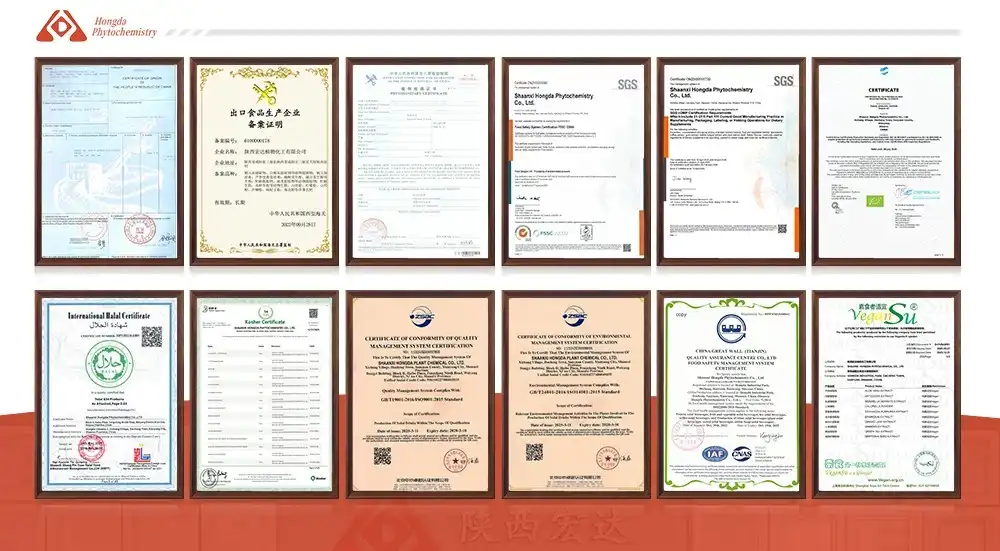
An organic claim is only valid if it's backed up by a recognized, verifiable certification. Hongda's wider range of credentials gives them real credibility in this area. In addition to its ORGANIC certification, the business also has SGS, cGMP, HALAL, KOSHER, BRC, FDA, ISO9001, ISO22000, and FSSC Certifications. This means that OEM buyers can see proof that the company meets the requirements for compliance in a number of foreign markets. These approvals usually back up an organic product like Organic Lion's Mane Mushroom Capsules in the following ways:
|
Certification
|
Relevance to Organic Positioning
|
|---|---|
|
ORGANIC
|
Confirms cultivation and processing meet organic standards
|
|
cGMP / ISO9001
|
Documented, repeatable manufacturing controls
|
|
SGS / ISO22000
|
Independent lab verification and food safety systems
|
|
HALAL / KOSHER
|
Expands market access for religiously observant consumers
|
Third-Party Verification and Lab Testing
Third-party lab testing adds another level of confidence that a product's claims about being organic and effective can stand up to scrutiny from a third party. Every batch of Hongda's Organic Lion's Mane Mushroom Capsules goes thru the company's SGS-certified lab, which checks for contaminants that could hurt the organic label and confirms the levels of beta-glucan and polysaccharides. Before placing a large order, OEM buyers should make sure to get up-to-date certificates of analysis. This is because your brand will be protected if a store partner or regulatory body later asks for proof of the organic claim on your package.
Avoiding Mislabeled "Organic" Products in the Market
Unfortunately, not all products in this area that are advertized as organic actually meet the standards for paperwork that buyers expect. Mislabeling is still a real risk in the mushroom supplement market as a whole. If an OEM buyer is looking for Organic Lion's Mane Mushroom Capsules, they should check the supplier's certification numbers with the issuing body instead of just believing a printed logo, because fake or expired certifications do sometimes show up in this space. By adding this extra step of verification, you can keep your brand from inheriting a compliance problem that could come up later, either when a retailer audits the product or when a customer looks into its claimed credentials.
Craftsmanship Behind Every CapsuleLow-Temperature Extraction to Preserve Bioactives
Hericenones and other heat-sensitive chemicals need to be carefully extracted so that they stay intact in the final product. This is why low-temperature water extraction methods are usually better than rough high-heat processes. Hongda uses the same method for its Organic Lion's Mane Mushroom Capsules. It concentrates the water-soluble polysaccharides while keeping the more fragile bioactive compounds that give the mushroom its reputation for helping keep the brain safe. When looking at possible manufacturing partners, OEM buyers should be sure to ask about the extraction method and temperature. This is because this one processing detail often determines whether the finished capsule contains all the compounds naturally found in the fruiting body or only a small, heat-degraded portion.
Standardized Potency for Consistent Results
A reliable OEM partner will make sure that every batch is effective. An unreliable OEM partner will cause your brand ongoing quality problems. Organic Lion's Mane Mushroom Capsules should have a clearly stated, proven beta-glucan or polysaccharide standardization. This should be done through multiple independent tests, not just one good result that applies to the whole line of products. From the table below, OEM buyers can get a good idea of how regulation and quantity usually match in this field:
|
Extraction Ratio
|
Typical Beta-Glucan Level
|
Common Capsule Dose
|
|---|---|---|
|
1:1 (whole extract)
|
15% – 20%
|
500mg – 1000mg
|
|
8:1 to 10:1 concentrate
|
25% – 30%
|
500mg (concentrated equivalent)
|
|
20:1 high concentrate
|
30%+
|
250mg – 500mg
|
Capsule Shell Options for Organic-Focused Brands
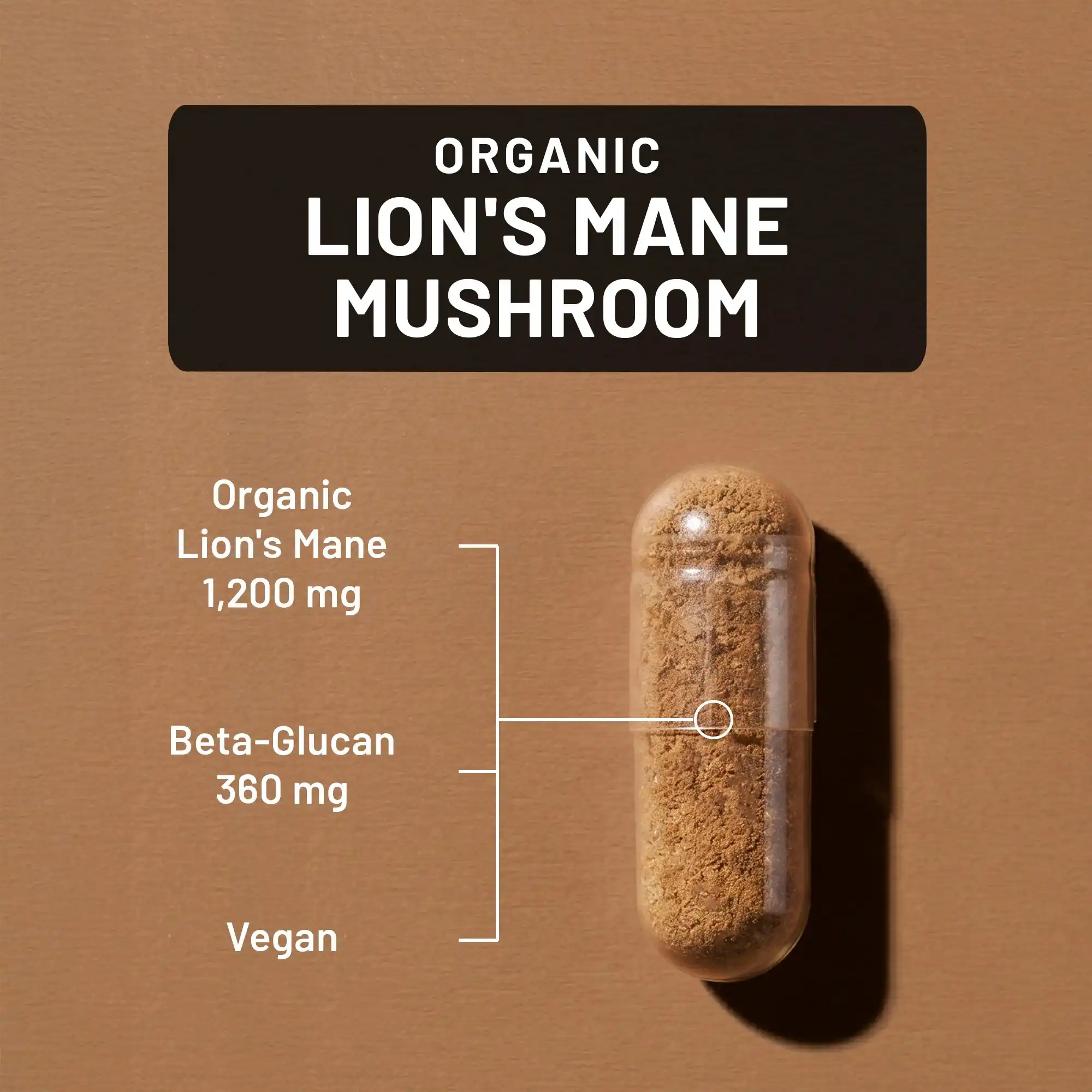
When it comes to organic brands, choosing the shell material is important because many clean-label and organic consumers want vegetarian or plant-based capsules instead of traditional gelatin shells. Pullulan-based vegan shells, which come from natural fermentation, are being used more and more in Organic Lion's Mane Mushroom Capsules because they fit with the clean-label positioning that these goods usually aim for. OEM buyers should confirm the shell makeup early on in the sourcing process, since changing shell types after the original package design can affect both cost and lead time. This is especially true if your brand's marketing already says on the label that the product is vegan or vegetarian.
Quality Control from Raw Material to Finished Capsule
Quality control that only checks the raw materials leaves holes that become apparent after the product has been sold. This is why it's so important to keep an eye on every step of the production process in this category. Before the Organic Lion's Mane Mushroom Capsules are put into Packaging, Hongda's quality team, which is led by a professor, checks each batch by hand. This is an extra level of expert review on top of automatic testing. With ten dedicated production lines and end-to-end oversight, the company's cGMP-certified facility gives OEM buyers peace of mind that quality standards will stay the same whether they're ordering a small trial batch or a large, recurring wholesale contract.
Building Your OEM Program Around Organic Lion's Mane Mushroom Capsules
Once you understand the sourcing story and production standards, the next step is translating that foundation into an actual branded product — and this is where the right guidance can save considerable time and cost. Let's walk through what that process typically involves.
OEM vs ODM: Choosing Your Level of Customization
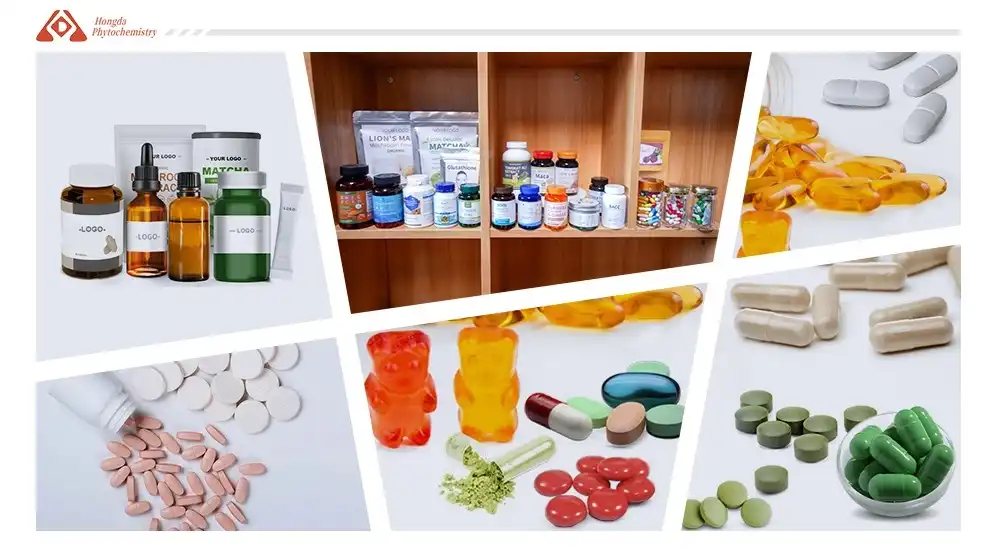
OEM deals usually start with a tried-and-true recipe that you can change to fit your brand. ODM deals, on the other hand, let you work together more closely on things like quantity, extraction ratio, or adding additional ingredients that fit your brand's positioning. Hongda supports both methods for its Organic Lion's Mane Mushroom Capsules line, so buyers can choose which is more important for their launch strategy: speed to market or recipe differentiation. A lot of new brands start with a standard OEM formulation to see how the market reacts before spending money on a more customized ODM product for the next batch of production.
Packaging and Label Requirements for Organic Claims
Labeling something as organic has rules about certification marks, percentage statements of ingredients, and identifying the certifying body that are different depending on the market it is going to. Buyers who are putting out their own brand of Organic Lion's Mane Mushroom Capsules need to make sure they know about these labeling rules as soon as possible, because putting false or unsupported organic claims on the package can cause compliance issues after the product has already been shipped to store partners. Working directly with a maker that knows these needs for many export markets is the best way to avoid having to pay a lot of money to repackage or change the labels after production has started.
Sample Evaluation Before Bulk Commitment
No matter how good a supplier's certifications look on paper, the most effective way to check quality before agreeing to a large production run is to ask for actual samples along with current lab paperwork. If you look at a sample of Organic Lion's Mane Mushroom Capsules, you can see how the capsules look, how well the shells are made, and how they are presented overall. The certificates of analysis that come with the capsules also back up the claims of potency and purity. Instead of just relying on catalog descriptions or marketing materials, this combined verification step gives OEM buyers real proof to use when making a buying decision.
Partnering with Hongda to Launch Your Product
When you get to this point in your study, having a straight talk is usually the next best thing to do instead of keeping shopping around. OEM buyers can contact Shaanxi Hongda at any time, whether they need copies of certifications, information on the recipe, or a sample of the Organic Lion's Mane Mushroom Capsules before they place their first order. With more than 400 goods in its store that aren't mentioned online, the team can often meet requests for special formulations or packages that aren't advertized to the public.
Conclusion
If you choose Organic Lion's Mane Mushroom Capsules for OEM, you can build your brand on verified sourcing instead of just marketing claims. Hongda offers real organic certification, quality control led by professors, and flexible OEM/ODM support to help private label brands confidently start a credible, unique product in a health area that is growing quickly.
FAQWhat makes Hongda's Organic Lion's Mane Mushroom Capsules genuinely organic?
The product is backed by verified ORGANIC certification covering cultivation, processing, and full supply chain traceability.
Are these capsules made from fruiting body or mycelium extract?
Hongda sources genuine fruiting body material rather than mycelium-on-grain products to preserve authentic potency.
Can I customize dosage and extraction ratio through ODM services?
Yes, ODM services allow buyers to co-develop specific formulations alongside Hongda's R&D team.
What capsule shell options are available for vegan-positioned brands?
Pullulan-based vegan shells are available alongside standard options for organic and clean-label branding.
Launch Your Brand with Hongda's Organic Lion's Mane Mushroom Capsules
Ready to build a credible, organic-certified product line? Shaanxi Hongda Phytochemistry combines over two decades of manufacturing expertise, verified organic sourcing, and flexible OEM/ODM support to help your brand stand out in a competitive wellness market. Whether you need lab reports, samples, or custom private label packaging, contact the team directly at duke@hongdaherb.com to start your sourcing conversation today.
References
1. United States Department of Agriculture, National Organic Program Standards and Certification Requirements.
2. National Center for Complementary and Integrative Health, Hericium Erinaceus (Lion's Mane) Research Overview.
3. International Organization for Standardization, ISO 22000 Food Safety Management Systems.
4. U.S. Food and Drug Administration, Dietary Supplement Current Good Manufacturing Practice Regulations.
5. American Herbal Products Association, Botanical Ingredient Identity and Quality Guidance.
6. Codex Alimentarius Commission, Guidelines for the Production, Processing, Labelling and Marketing of Organically Produced Foods.





YOU MAY LIKE