Where to Buy Liposomal Vitamin C Powder Bulk Wholesale?
2026-05-13 15:42:58
For large-scale production, procurement experts usually look for well-known companies with FDA-registered facilities and foreign safety Certifications when they need to buy Liposomal Vitamin C Powder Bulk. The Shaanxi Hongda Phytochemistry Co., Ltd. is a reliable partner for beauty, pharmaceutical, and nutritional businesses that need high-purity vitamin C powder with the latest encapsulation technology. Our factory follows cGMP guidelines and has SGS-approved labs. We offer straight factory prices and formulas that can be changed to meet strict industry standards.
Understanding Liposomal Vitamin C Powder: Benefits and Market Demand
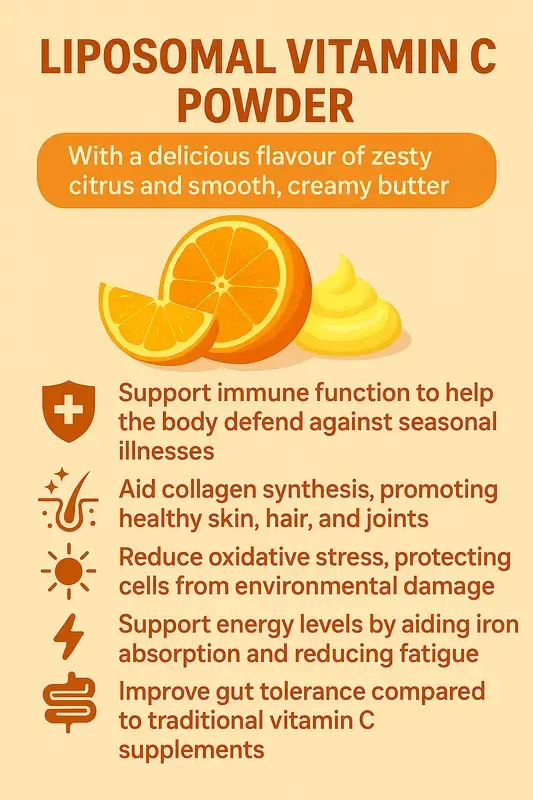
Traditional ascorbic acid formulas continue to be a problem for the pharmaceutical and nutraceutical businesses. Standard vitamin C pills aren't well absorbed by the body; at therapeutic amounts, they only bioavailability reach 15-20%. This is because of saturable transport processes in the small intestine. When high doses of supplements are given, SVCT1 transporters become too busy to do their job. Liposomal capsule technology changes this scene with phospholipid bilayer structures that look like the walls of human cells. When these lipid droplets circle vitamin C molecules, they get into the bloodstream through lymphatic circulation instead of the normal ways of absorption. When compared to regular powder forms, our production process gets 85–90% encapsulation efficiency, which means that the drug is 5–6 times more bioavailable.
Clinical Advantages for Formulation Scientists
Research done in a number of different clinical situations shows that liposomal delivery methods lessen the stomach problems that are often linked to high-dose vitamin C protocols. People who take 2000 mg of liposomal ascorbic acid every day have a lot fewer stomach problems than people who take the same amount of solid ascorbic acid. The powder form is easier to make than liquid liposomal goods in a number of ways. We designed our spray-drying process to protect the purity of the liposomes while making a stable, free-flowing powder that can be stored at room temperature for three years. This gets rid of the need for refrigeration, which makes the economics of the supply chain more difficult and adds a lot of cost to foreign delivery networks.
Market Growth Drivers in North America
High-bioavailability vitamin C is being used more and more in useful foods and drinks to help the immune system, in sports nutrition items, and in anti-aging cosmetics. Companies that make quick drink mixes, hard-shell capsules, and buffered medical foods, where regular vitamin C can make the mixture unstable or cause taste problems, are among our clients. Our constant particle size distribution, which stays between 100 and 400 nm with a polydispersity index below 0.3, is something that procurement managers like. These specifications make sure that all production batches work the same, which is very important for businesses that need to stay in line with regulations and keep their brands consistent in markets that are very competitive.
How to Choose the Right Bulk Liposomal Vitamin C Powder Supplier?
To choose a factory partner, you need to carefully look at their technical skills, ability to follow regulations, and stability in the supply chain. To protect a brand's image and make sure that products always work well, procurement experts have to find a balance between cost and quality assurance.
Certification Standards and Quality Protocols
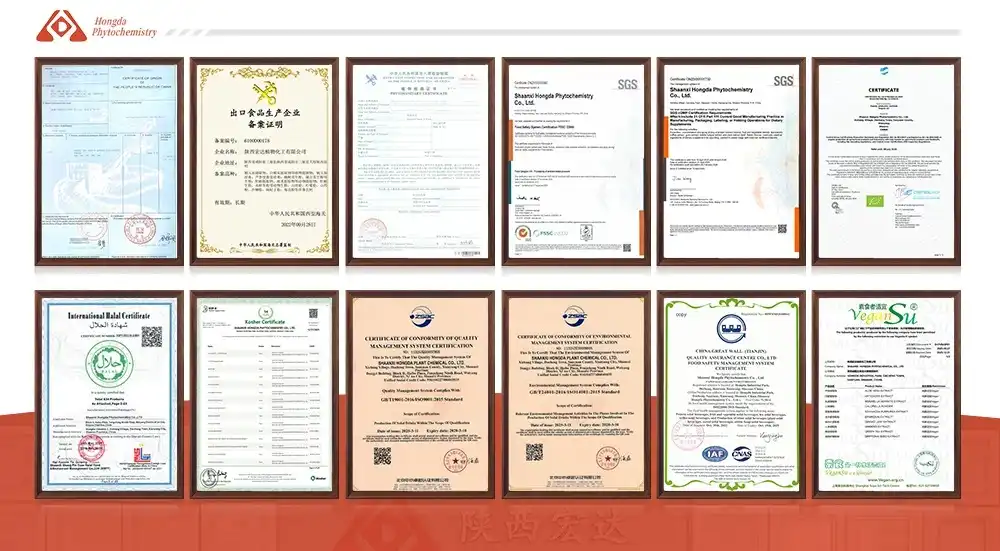
Verification of factory certificates is the most important part of the evaluation process. Our factory is registered with the FDA; has ISO9001, ISO22000, and FSSC22000 certifications; and follows current Good Manufacturing Practices (cGMP). These certificates show that quality control is carried out in a planned way during the whole process of getting raw materials, making products, and checking the finished goods. Our HALAL, KOSHER, and ORGANIC certifications allow us to meet the needs of a wide range of customers. Our claims about quality are backed up by independent third-party proof through SGS labs. Microbiological tests, heavy metal analysis, and characterizing particle size are all done on every output batch before it is sent to customers.
Production Capacity and Technical Customization
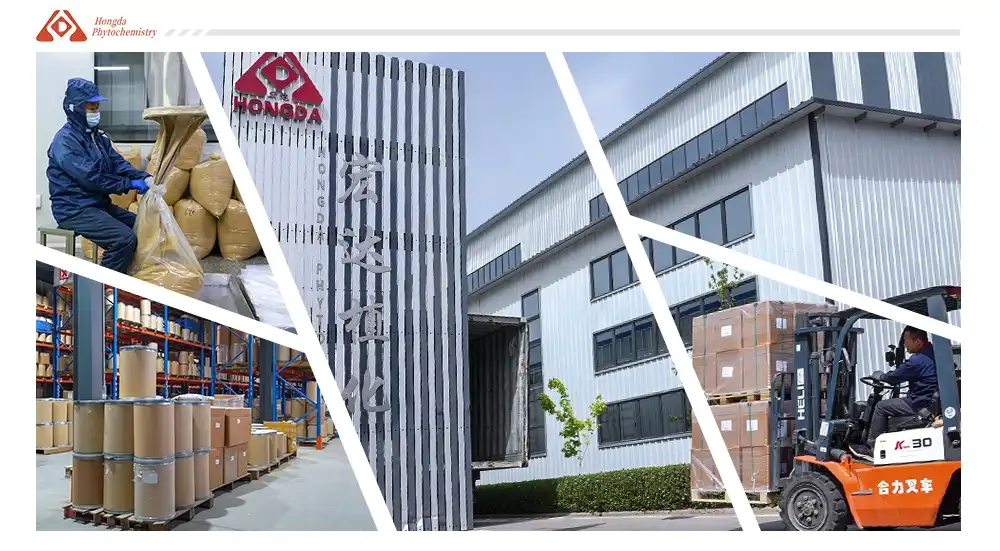
Manufacturing flexibility tells you which providers are capable and which ones can't keep up with growth. Our 20,000-square-meter building has ten production lines for natural plant extracts. This gives us the freedom to make products for orders of different sizes. Our standard packing guideline calls for 12 kg per drum and 27 drums per box. This makes it easier to load containers and keep track of inventory. Technical customization goes beyond what is required by standard specs. Our research and development team, which is made up of more than 20 professors from top colleges, works on custom recipes with clients. This includes making sure that the vitamin C levels are between 50 and 55% of the recommended range, adding certain phospholipid sources, or creating custom particle size ranges for particular uses.
Comparing Format Options for Different Applications
While liquid liposomal products are easier to use right away, powder types are more stable and useful for a wide range of commercial uses. The powder form fits perfectly into hard-shell capsules, so size 0 or 00 capsules can be put inside without worrying about leaking. Because it is dry, it doesn't oxidize while it's being stored, so it stays effective throughout its lifecycle. People who make drinks like how our powder quickly re-forms in water-based solutions, creating liposomal structures when it's wet. This self-emulsifying delivery system makes sure that customers get freshly formed liposomes at the time of consumption, so ready-to-drink goods don't go bad as some other brands do.
Top Considerations When Purchasing Liposomal Vitamin C Powder in Bulk
When you plan strategically for procurement, you need to pay close attention to order amounts, price structures, and how to get things to the right place. Our business terms are set up to help both well-known brands and new ones that want to get into the high-bioavailability product market.
Minimum Order Quantities and Pricing Tiers
We have a standard minimum order number that can handle medium-sized production runs and offers economies of scale for bigger contracts. The 12 kg drum size is standard for capsule filling tools, batch numbers, and beverage production runs. For yearly supply deals, volume pricing tiers offer lower costs, and prices are changed to reflect changes in the markets for raw materials and the most efficient production schedules. All quality control tests, SGS certification paperwork, and standard packing materials are included in the clear price. To help with accurate budgeting and getting things bought, we give thorough quotes that break down unit costs, Packaging choices, and freight figures.
Custom Packaging and Private Label Solutions
Flexibility in packaging goes beyond basic drum layouts. We can meet your needs for custom labeling, such as private brand identities, regulatory compliance text in more than one language, and special handling directions. This feature lets OEM partners and wholesalers make their goods stand out while keeping the supply steady. Our packing team works with transport companies to make sure that pallets are set up in the best way for shipping in containers. The 27-drum pallet design makes the most of common 20-foot and 40-foot containers, which lowers the cost of shipping each unit internationally. Depending on how the client wants to distribute their goods, we offer both neutral bulk packing and finished store packaging.
International Shipping and Storage Requirements
When compared to liquid goods, powders are easier to ship internationally. Standard exports are completed within 3–7 business days of receiving proof of the order. Our established freight partnerships speed up delivery. Our status as a "Public Overseas Warehouse" makes it easier for goods to go through customs in North America, Europe, and Asia. It is very good for business for storage to be stable. The three-year shelf life at room temperature gets rid of the need for an expensive cold chain and lowers the risks of keeping supplies. To keep the quality of the product throughout the distribution cycle, we give you specific storing instructions that cover things like keeping the humidity low, blocking light, and keeping the product from getting dirty.
Trusted Liposomal Vitamin C Powder Manufacturers and Suppliers for Bulk Wholesale
To build solid sourcing relationships, suppliers need to be carefully evaluated. Shaanxi Hongda Phytochemistry has been in business since 2001 and has become a National High-Tech R&D Enterprise thanks to its manufacturing knowledge that has been built up over that time.
Manufacturing Excellence and Factory Capabilities
Our microfluidization technology uses high-pressure mixing to make liposomal ingredients wholesale that are all the same size. This makes sure that the particle sizes are the same across all production runs. During this very important step in the processing process, phospholipid bilayers fully surround the vitamin C molecules. Then, controlled spray drying turns the liquid mixture into a steady powder that keeps the structure intact. Cryoprotectants that are added during the drying process keep the structure of the liposomes stable when the temperature changes. This special way of making the formula lets it be stored at room temperature while keeping the packaging efficiency that gives the drug better solubility. Every time we make a new batch, our quality control procedures check the particle size, capsule percentage, and reconstitution features.
Verification Methods and Quality Assurance
When reviewing possible suppliers, procurement teams should ask for Certificate of Analysis (COA) paperwork, third-party testing results, and facility audit certificates. We back up our shelf-life claims with a lot of proof, such as bacterial tests, heavy metal screening, pesticide residue analysis, and stability study data. Our lab is approved by SGS and does in-process testing at key control points during the manufacturing process. In this case, the identification of the raw materials is checked, the efficiency of the encapsulation is measured in the middle of the process, and the specs of the finished product are confirmed. We keep full batch tracking from where we get the phospholipids to where we package the finished product.
Customization Capabilities for Brand Differentiation
Private label programs let brand owners and distributors get into the market without having to build expensive production facilities. As part of our custom formulation creation service, we can change the amounts of vitamin C, phospholipids, and functional ingredients that are combined based on your market placement strategies. Our expert team gives recipe advice for filling capsules, adding to drinks, and cosmetic uses. This method of advising helps clients improve their product ideas while avoiding common recipe mistakes that hurt the product's stability or effectiveness. We keep secret formulas safe by using secrecy agreements and separate production processes.
Best Practices for Using Liposomal Vitamin C Powder Products in Bulk Applications
To get the most out of an item, you need to handle it correctly and make smart decisions about how to formulate it. We offer technical help to make sure that our customers get the best results in a wide range of applications.
Dosage Guidelines and Formulation Integration
Depending on the treatment goals and the type of person being treated, the usual daily dose ranges from 500 mg to 2000 mg. Because liposomal delivery methods make vitamin C more bioavailable, they can be used in smaller amounts while still reaching the same plasma concentrations. This dose economy lowers the cost per serve and makes it easier to make capsules. To keep the liposomal structures, we suggest reconstituting the powder in cold or room-temperature liquids before adding it to drinks. The powder mixes easily without any special emulsification tools, and stable solutions are formed 30 to 60 seconds after mixing. To keep the stability of the encapsulation, do not expose it to high temperatures for long periods of time during the making process.
Handling Procedures and Stability Maintenance
The powder needs to be handled with the same care that medicine ingredients do. Keep in covered containers out of direct light and moisture to keep from oxidizing and sticking. Desiccant materials and nitrogen washing are used in our wrapping to keep the quality of the products safe while they are being shipped and stored. For multi-ingredient formulas to have an even spread, mixing methods should follow pharmaceutical mixing guidelines. For capsules, we suggest ribbon blenders or V-blenders, and for drinks, we suggest constant mixing systems. Avoid putting too much mechanical stress on liposomal structures, which could damage them.
Regulatory Compliance and Safety Profiles
In the US, vitamin C is still generally recognized as safe (GRAS), which means that there is a lot of evidence to back its use in food, supplements, and cosmetics. The liposomal vitamin C powder bulk delivery method uses phospholipids from food-grade sources that are just as safe. Our documentation packages help with government applications in several different places. We offer non-GMO licenses, ingredient labels, allergen statements, and stability data that is organized to make your regulatory approval processes easier. This all-around help cuts down on the time it takes to get new products on the market.
Conclusion
To get high-quality liposomal vitamin C Powder Bulk, you need to work with producers who can show they have the technical know-how, follow the rules, and keep the supply chain reliable. Liposomal capsule technology's high bioavailability gets around some of the main problems with regular vitamin C pills, giving companies a chance to stand out in crowded markets. Shaanxi Hongda Phytochemistry has been making products for 20 years and has many certifications and the ability to make technical changes. This helps buying professionals get better recipes to the markets they want to reach. Our dedication to quality control, open communication, and quick response to customer needs sets the stage for long-lasting relationships that work well.
FAQWhat are typical minimum order quantities for bulk purchases?
Our standard minimum order makes it easy for both new names and well-known producers to plan their production. The 12 kg drum standard, with 27 drums per box, makes good use of the space inside the container and matches the usual batch sizes used in operations like capsule filling and beverage production.
How does absorption compare to standard vitamin C powder?
Clinical studies show that crystalline ascorbic acid is 5–6 times less bioavailable than amorphous ascorbic acid. The phospholipid coating lets cells take it directly, without going through full intestinal transporters. This means that 85–90% of the drug is absorbed, compared to 15-20% for regular forms.
Do you offer private labeling services?
We offer full private label programs that include creating custom formulations, designing unique packages, and doing separate production runs. Our expert team works together to improve product ideas while following strict privacy rules to protect your place in the market.
What certifications verify your quality standards?
Our building has cGMP compliance, FDA registration, ISO9001, ISO22000, FSSC22000, HALAL, KOSHER, and ORGANIC certificates. Third-party SGS laboratory testing makes sure that standards are met without any interference, and full records are kept to back up regulatory submissions in all foreign markets.
Partner with Hongda: Your Trusted Liposomal Vitamin C Powder Bulk Supplier
Shaanxi Hongda Phytochemistry wants people who work in procurement to look into possible business options with a top manufacturer of liposomal vitamin C Powder Bulk. Our full-service model includes low prices from the plant, formulations that can be changed, and dependable foreign shipping. It's all backed by more than 20 years of manufacturing greatness. We offer expert advice that is tailored to your unique needs, whether you are making cosmeceutical products, functional drinks, or high-end supplement lines. Our quality assurance methods make sure that all of our production batches work the same way. They are backed up by full regulatory documentation and helpful customer service. Get in touch with our technical team at duke@hongdaherb.com to talk about your buying needs and find out how our advanced bioavailability solutions can help your products stand out in crowded markets.
References
1. Davis, J.L., Paris, H.L., Beals, J.W., et al. (2016). "Liposomal-encapsulated Ascorbic Acid: Influence on Vitamin C Bioavailability and Capacity to Protect Against Ischemia-Reperfusion Injury." Nutrition and Metabolic Insights, 9:25-30.
2. Hickey, S., Roberts, H.J., Miller, N.J. (2008). "Pharmacokinetics of Oral Vitamin C." Journal of Nutritional & Environmental Medicine, 17(3):169-177.
3. Łukawski, M., Dałek, P., Borowik, T., et al. (2020). "New Oral Liposomal Vitamin C Formulation: Properties and Bioavailability." Journal of Liposome Research, 30(3):227-234.
4. Patel, S., Rauf, A., Khan, H., Abu-Izneid, T. (2017). "Renin-angiotensin-aldosterone (RAAS): The Ubiquitous System for Homeostasis and Pathologies. "Biomedicine & Pharmacotherapy, 94:317-325.
5. Padayatty, S.J., Katz, A., Wang, Y., et al. (2003). "Vitamin C as an Antioxidant: Evaluation of Its Role in Disease Prevention." Journal of the American College of Nutrition, 22(1):18-35.
6. Carr, A.C., Vissers, M.C. (2013). "Synthetic or Food-Derived Vitamin C—Are They Equally Bioavailable?" Nutrients, 5(11):4284-4304.





_1765529147074.jpg "Astragalus Extract Powder")