Does Coenzyme Q10 Lower Blood Sugar?
2025-08-30 15:59:44
Blood sugar regulation is critical for overall health and wellbeing. Uncontrolled high blood sugar levels can lead to serious medical conditions like diabetes. As rates of diabetes and prediabetes continue to rise globally, there is increasing interest in natural compounds that may help maintain healthy blood sugar levels. One such compound is Coenzyme Q10 (CoQ10). In this blog, we’ll explore the potential mechanisms and evidence behind whether CoQ10 supplementation can lower blood sugar.
CoQ10 is a vitamin-like substance that is produced naturally in the body and plays essential roles in energy production and antioxidant activity. Research indicates some connections between adequate CoQ10 levels and blood sugar regulation. We’ll review some of the key studies and hypothetical mechanisms linking CoQ10 and glycemic control. First, let’s understand more about blood sugar regulation and what CoQ10 is.
What is Coenzyme Q10?
Coenzyme Q10, also known as ubiquinone, is a naturally occurring compound that functions as an antioxidant and plays a vital role in cellular energy production. CoQ10 is synthesized in the body and can also be obtained through food sources like fish, meat, nuts, and some oils.
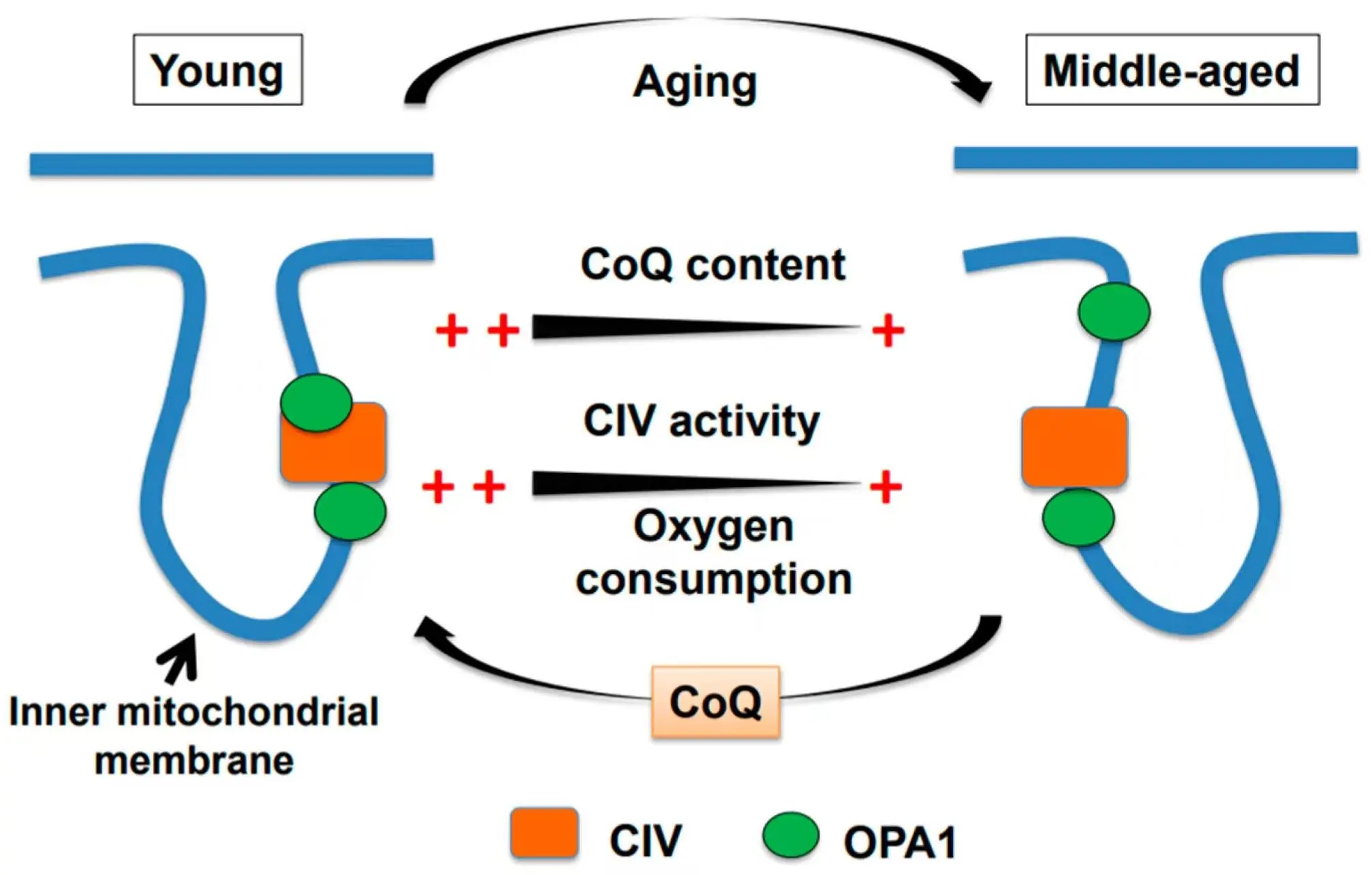
Within the cells, CoQ10 is concentrated in the mitochondria where it helps generate ATP, the main energy molecule of the body’s cells. It acts as an electron carrier in the electron transport chain, shuttling electrons to drive ATP synthesis. CoQ10 also serves as an antioxidant, protecting cells from oxidative damage.
Through these critical biological roles, CoQ10 helps supply cells and organs with energy and protect against aging and disease. Endogenous CoQ10 levels can decline with age or due to health conditions, making supplementation potentially beneficial. With wide-ranging effects, researchers are now probing whether CoQ10 can aid glycemic control.
Understanding Blood Sugar
Blood sugar or blood glucose refers to the concentration of glucose circulating in the bloodstream. This glucose largely comes from digesting carbohydrates in foods, with normal levels ranging around 70 to 99 mg/dL while fasting.
However, after eating, blood glucose climbs as food is absorbed. Pancreatic beta cells release the hormone insulin in response, triggering cells throughout the body to take up glucose from the bloodstream and store it as energy. Insulin regulates blood sugar, keeping post-meal spikes within a healthy range.
Over time, some individuals can become resistant to insulin’s effects. This causes blood sugar to remain chronically elevated, eventually progressing to type 2 diabetes. Diabetes significantly raises risks for various disabling and life-threatening health complications. Maintaining blood sugar in the normal range is therefore vital for wellbeing. Determining whether supplements like CoQ10 can support healthy blood sugar levels is of great interest.
What are the Symptoms of Needing CoQ10?
Since CoQ10 powder is vital for cellular energy production, suboptimal levels manifest in symptoms like fatigue, muscle weakness, brain fog, and heart problems. Endogenous CoQ10 production also declines with age, while certain medications like statins can deplete CoQ10 as a side effect.
Individuals displaying potential signs of CoQ10 deficiency like persistent tiredness, muscle aches, or high blood pressure may benefit from more robust dietary intake or supplementation. However, definitive CoQ10 testing would be needed to establish if levels are truly insufficient. As we’ll explore next, correcting a shortfall could hypothetically aid blood sugar regulation.
Theoretical Mechanisms of Action
While more research is still needed, scientists have proposed a few key mechanisms through which CoQ10 levels may impact blood glucose control:
Improving Mitochondrial Function: By serving as an electron transporter for mitochondrial ATP synthesis, CoQ10 plays a major role in cellular energy production. Supplementing CoQ10 may improve mitochondrial function and efficiency. This could protect beta cells in the pancreas, boosting insulin secretion. Enhanced insulin then lowers blood sugar more effectively.
Reducing Oxidative Stress: With antioxidative properties, CoQ10 may lower oxidative damage from reactive oxygen species. Oxidative stress can impair insulin signaling and glucose uptake. By attenuating this stress, CoQ10 supplementation may support cells’ uptake of glucose and response to insulin.
Anti-Inflammatory Effects: Chronic low-grade inflammation is tied to insulin resistance and high blood sugar. As an anti-inflammatory agent, CoQ10 could reduce inflammatory responses—potentially enhancing insulin signaling pathway function and glycemic control.
Through such mechanisms, adequate CoQ10 status may aid glycemic regulation. Let’s examine what the research says regarding effects on blood glucose.
Research Studies
Animal Research
Early studies in rat models indicate Coenzyme Q10 could counteract high blood sugar. Diabetic rats treated with CoQ10 showed reductions in plasma glucose by up to 29 percent. CoQ10 also lowered hemoglobin A1C, a marker of long-term blood sugar, while appearing to preserve functional beta cell mass.
Researchers theorize these improvements in glycemic regulation may stem from boosted insulin production and secretion from pancreatic beta cells along with enhanced peripheral uptake of blood glucose. However, we cannot definitively extrapolate the results in rats to humans. More extensive clinical studies are needed.
Human Research
In one double-blind, placebo-controlled trial, 74 adult diabetics were given either 100mg of CoQ10 or placebo daily for 3 months. Compared to the placebo group, CoQ10 supplementation lowered fasting blood sugar levels by over 11 percent on average. Three hours after a controlled meal tolerance test, the CoQ10 group also showed an 18 percent further reduction in post-meal blood glucose peaks versus placebo. The authors propose this demonstrates a robust improvement in glycemic control.
An analysis of 10 controlled clinical studies also found that Coenzyme Q10 intervention significantly decreased fasting glucose while raising concentrations of the insulin-regulating gut peptide GIP. The compiled data suggests CoQ10 supplements may improve insulin secretion. However, some conflicting results exist.
A recent meta-analysis found that while CoQ10 supplementation effectively raises blood CoQ10 levels in diabetic patients, it does not consistently impact glycemic control. The researchers note limitations like small sample sizes and short study durations and call for larger scale, high-quality trials to further investigate efficacy.
Diabetes Management
Some preliminary evidence indicates CoQ10 could provide therapeutic value in diabetes management plans when combined with standard medications and lifestyle measures.
In one trial, 200 diabetic adults continued receiving conventional therapy plus were randomly assigned to take either 100mg of CoQ10 twice a day or a placebo. Over 12 weeks, hemoglobin A1C dropped in the CoQ10 group by nearly 0.6 percent compared to placebo. The number of patients achieving an A1C below 7 percent was also three times higher with CoQ10—indicating better overall blood sugar control.
Supplementing antimicrobials like Coenzyme Q10 may potentially allow doctors to prescribe lower doses of antidiabetic medications. This could further improve outcomes while decreasing medication side effects. However, more extensive clinical data is still necessary and patients should not alter medication regimens without medical guidance.
Antioxidant and Anti-inflammatory Effects
Beyond potential effects on insulin and glucose metabolism, some benefits of CoQ10 on blood sugar could stem from downstream impacts on oxidative stress and inflammation. With antioxidant properties, CoQ10 may mitigate cell damage from hyperglycemia’s effects while reducing chronic low-grade inflammation also tied to insulin resistance.
Human studies confirm CoQ10 supplementation in diabetic patients lowers markers of oxidative stress like serum malondialdehyde while boosting endogenous antioxidants like superoxide dismutase. This antioxidant capacity could be vital for vascular and organ health. By attenuating oxidative damage and inflammation, Coenzyme Q10 may protect against diabetes complications like cardiovascular and kidney disease.
Limitations and Future Research
While some clinical studies report improvements in glycemic markers with CoQ10 supplementation in diabetics, overall evidence remains limited and sometimes conflicting. Most research to date relies on small sample sizes and short-term interventions. Well-designed, larger scale studies are still needed to establish efficacy. Dosing protocols also have yet to be optimized.
Some research also suggests that while CoQ10 levels increase with supplementation, effects on blood sugar control and insulin sensitivity may only manifest in individuals with an actual CoQ10 deficiency. Trials investigating effects in non-deficient subjects show little impact on glycemic regulation. Future studies should probe this question more thoroughly.
Researchers continue working to uncover the mechanisms connecting CoQ10 to glucose metabolism and better understand what patient populations may benefit from supplementation. Upcoming work could provide clearer, more decisive data regarding effects on blood sugar.
Closing Remarks
Coenzyme Q10 is emerging as a compound of interest for not only energy production and heart health, but also blood sugar regulation and diabetes management. Preliminary research proposes some intriguing mechanisms through which Pure Coq10 Powder might improve glycemic control.
Early animal research and some human studies report beneficial effects lowering blood glucose levels. However, current clinical evidence remains too limited to support definitive efficacy. While low CoQ10 levels could negatively impact blood sugar, correcting this through supplementation may only prove clinically useful for deficient patients.
Much more extensive trial data is still needed to conclusively determine whether CoQ10 has a substantial effect on glycemic regulation and to establish optimal protocols. Patients should not attempt to use CoQ10 supplements as an alternative diabetes treatment without first consulting their healthcare provider. Determining individual Coenzyme Q10 status through testing is advisable before considering supplementation for blood sugar support.
Hongda Phytochemistry Co., Ltd is a leading ingredients manufacturer with over 30 years of experience. The company operates six advanced production lines simultaneously, producing a daily output of ten tons and an annual output of several thousand tons. With about 300 employees, the company is divided into various departments, including production, Packaging, purchasing, storage and transportation, quality inspection, sales, operations, finance, and others. Hongda Phytochemistry strictly selects raw materials and produces and manages its products in accordance with ISO and GMP standards. Only after passing inspections are products allowed to be put into storage. The company specializes in customized production and packaging and can provide stable supplies of high-quality Pure Coq10 Powder. For more information on their products and services, interested parties can contact duke@hongdaherb.com.
References:
1、Hodgson, J. M., Watts, G. F., Playford, D. A., Burke, V., and Croft, K. D. (2002). Coenzyme Q10 further develops circulatory strain and glycaemic control: a controlled preliminary in subjects with type 2 diabetes. European diary of clinical sustenance, 56(11), 1137-1142.
2、Mezawa, M., Takemoto, M., Onishi, S., Ishibashi, R., Ishikawa, T., Yamaga, M., ... and Okabe, E. (2012). The decreased type of coenzyme Q10 improves glycemic control in patients with type 2 diabetes: an open name pilot study. Biofactors, 38(6), 416-421.
3、Suksomboon, N., Poolsup, N., Juanak, N., and Pudchakan, P. (2015). Impact of coenzyme Q10 supplementation on plasma adiponectin, interleukin-6, and disease rot figure alpha subjects with metabolic condition. Nourishment research, 35(3), 226-233.
4、Zhang, Y., Liu, C., Zhao, Y., Shen, L., and Zhang, B. (2021). The impact of coenzyme Q10 supplementation on glycemic control in patients with type 2 diabetes mellitus: A meta-examination of randomized controlled preliminaries. Correlative treatments in medication, 57, 102624.





YOU MAY LIKE