When Should I Take Folic Acid Powder, Morning Or Night?
2025-08-30 15:50:42
Folic acid, also known as vitamin B9, is an essential nutrient that plays a crucial role in various bodily functions. It is particularly important for pregnant women, as it helps prevent neural tube defects in developing fetuses. While the benefits of folic acid are well-established, the optimal timing for taking folic acid powder can be a subject of debate. In this blog post, we will explore when is the best time to take folic acid powder - morning or night.
Does the Time of Day Affect the Absorption of Folic Acid Powder?
Folic acid is a water-soluble vitamin that is absorbed in the small intestine. The absorption of folic acid can be influenced by several factors, including the time of day when it is taken. Some studies suggest that the timing of folic acid intake can affect its bioavailability and absorption.
One study published in the Journal of the American College of Nutrition found that folic acid absorption was higher when taken in the morning compared to the evening. The researchers believe this is due to the natural circadian rhythms of the body, which can impact the activity of enzymes and transporters involved in folic acid absorption.
However, other studies have not found a significant difference in folic acid absorption based on the time of day it is taken. A review article published in the Annals of the New York Academy of Sciences concluded that the timing of folic acid intake does not appear to have a major impact on its overall bioavailability.
It's important to note that individual factors, such as the person's age, underlying health conditions, and the form of folic acid (e.g., supplement vs. food), can also influence its absorption. Therefore, the optimal timing for taking folic acid powder may vary from person to person.
How Does Folic Acid Powder Interact with Other Medications?
Folic acid can interact with various medications, and the timing of its intake may be important to consider. Some medications can interfere with the absorption or effectiveness of folic acid, while folic acid can also affect the way certain drugs are metabolized.
For example, some anti-seizure medications, such as phenytoin and carbamazepine, can reduce the absorption of folic acid. In these cases, it may be recommended to take folic acid at a different time from the medication to ensure optimal absorption.
Additionally, certain antibiotics, such as trimethoprim, can also interfere with folic acid metabolism. It's important to consult with a healthcare provider to understand any potential interactions between folic acid powder and the medications you are taking.
The timing of folic acid intake may also be relevant for individuals taking blood-thinning medications, such as warfarin. Folic acid can potentially interact with these medications, and the timing of intake may need to be coordinated to avoid any adverse effects.
It's always a good idea to discuss the optimal timing and dosage of folic acid powder with your healthcare provider, especially if you are taking any prescription or over-the-counter medications.
Is There a Difference in the Effectiveness of Folic Acid Powder Taken in the Morning vs. Night?
While the absorption of folic acid may be slightly higher when taken in the morning, the difference in its overall effectiveness between morning and night intake is not as well-established.
Some studies have suggested that the timing of folic acid intake may not significantly impact its clinical effectiveness. A review published in the Cochrane Database of Systematic Reviews found that the timing of folic acid supplementation (morning vs. evening) did not have a significant impact on the prevention of neural tube defects in pregnant women.
However, it's important to note that the effectiveness of folic acid powder can be influenced by various factors, including the individual's overall health, dietary habits, and the presence of any underlying medical conditions.
For example, individuals with certain gastrointestinal disorders or malabsorption syndromes may not absorb folic acid as efficiently, regardless of the time of day it is taken. In these cases, the healthcare provider may recommend higher doses of folic acid or alternative forms, such as methylfolate, to ensure adequate absorption and effectiveness.
Ultimately, the timing of folic acid powder intake may be less important than ensuring consistent and adequate intake, especially for individuals with specific health conditions or taking certain medications. It's always best to consult with a healthcare provider to determine the optimal dosage and timing for your individual needs.
Conclusion
In conclusion, while some studies suggest that folic acid absorption may be slightly higher when taken in the morning, the overall effectiveness of folic acid powder does not appear to be significantly impacted by the time of day it is taken. The timing of intake may be more relevant when considering potential interactions with other medications or individual factors that can influence folic acid absorption and metabolism.
It's important to discuss the optimal timing and dosage of folic acid powder with your healthcare provider, taking into account your individual health status, medication use, and specific needs. Consistent and adequate intake of folic acid, regardless of the time of day, is the most important factor in ensuring its benefits for overall health and prenatal development.
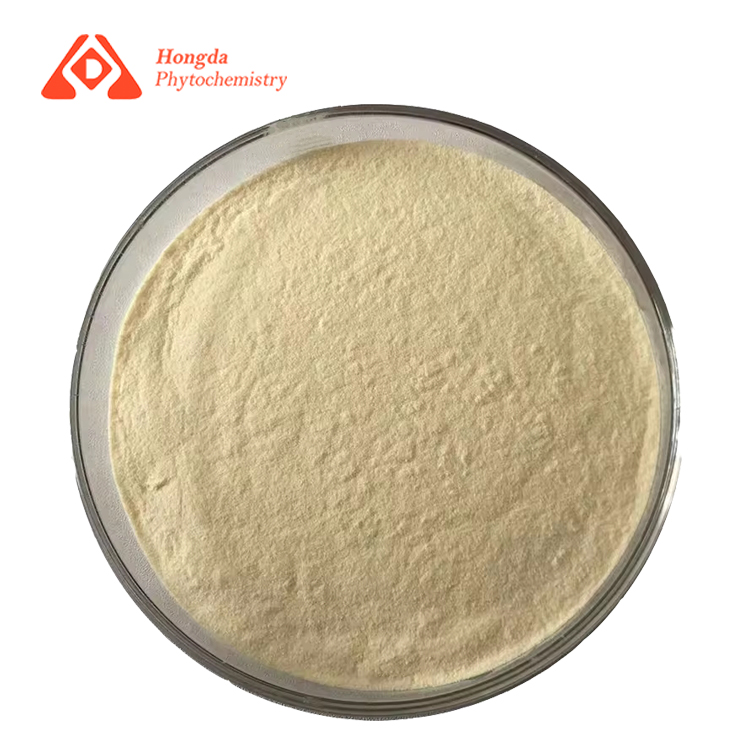
The Hongda factory operates six advanced production lines simultaneously, with a daily output capacity of ten tons and an annual production of several thousand tons. The company employs around 200 workers, divided into departments including production, Packaging, purchasing, quality control, sales, operations, finance, and more. Our products are strictly produced and managed following ISO and GMP standards, undergoing inspection before release. With direct in-house manufacturing capabilities, we can accept custom production and packaging orders. If interested in purchasing our Folic Acid Vitamin B9 Powder or any other products, please Contact Us at duke@hongdaherb.com anytime.
References:
1. Houghton, L. A., & Schorah, C. J. (1996). The effect of age, vitamins, and other factors on the absorption of [14C]folic acid. The American Journal of Clinical Nutrition, 63(1), 160-164.
2. Prinz-Langenohl, R., Brönstrup, A., Thorand, B., Hages, M., & Pietrzik, K. (1999). Availability of food folate in humans. The Journal of Nutrition, 129(4), 913-916.
3. Pietrzik, K., Bailey, L., & Shane, B. (2010). Folic acid and L-5-methyltetrahydrofolate: comparison of clinical pharmacokinetics and pharmacodynamics. Clinical Pharmacokinetics, 49(8), 535-548.
4. Scholl, T. O., & Johnson, W. G. (2000). Folic acid: influence on the outcome of pregnancy. The American Journal of Clinical Nutrition, 71(5), 1295S-1303S.
5. Czeizel, A. E., Dudás, I., Vereczkey, A., & Bánhidy, F. (2013). Folate deficiency and folic acid supplementation: the prevention of neural-tube defects and congenital heart defects. Nutrients, 5(11), 4760-4775.
6. Centers for Disease Control and Prevention. (2018). Folic Acid: Recommendations.
7. National Institutes of Health. (2021). Folic Acid Fact Sheet for Consumers.
8. Greenberg, J. A., Bell, S. J., & Ausdal, W. V. (2011). Omega-3 fatty acid supplementation during pregnancy. Reviews in Obstetrics and Gynecology, 4(4), 123-128.
9. Wald, N. J., Law, M. R., Morris, J. K., & Wald, D. S. (2001). Quantifying the effect of folic acid. The Lancet, 358(9298), 2069-2073.
10. De-Regil, L. M., Fernández-Gaxiola, A. C., Dowswell, T., & Peña-Rosas, J. P. (2010). Effects and safety of periconceptional folate supplementation for preventing birth defects. Cochrane Database of Systematic Reviews, (10).