What Is The Difference Between B12 And B12 Cyanocobalamin?
2025-08-30 10:36:52
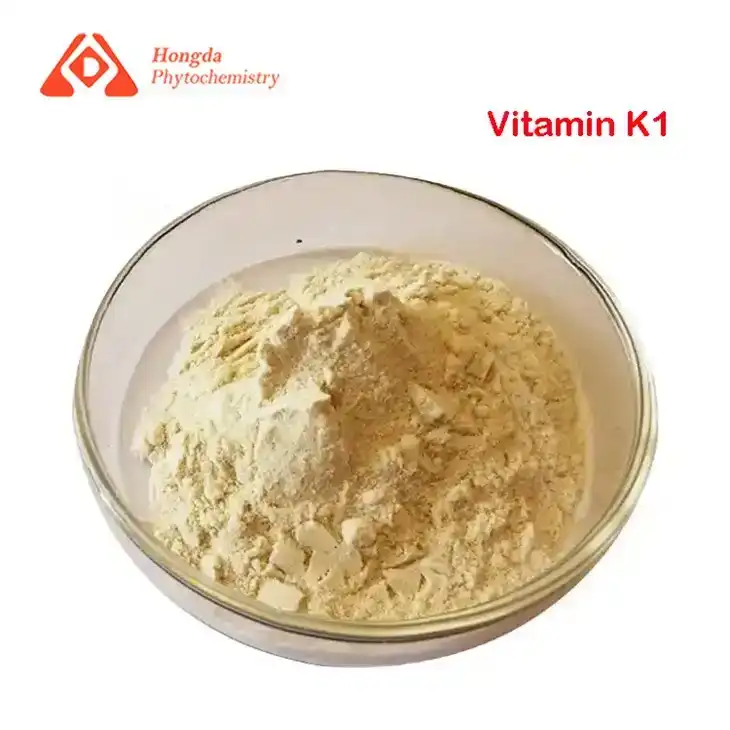
Vitamin B12 is an essential nutrient that plays a crucial role in many bodily functions, including the formation of red blood cells and the proper functioning of the nervous system. However, when discussing B12 supplementation, you may come across terms like "B12" and "B12 cyanocobalamin," which can be confusing. This blog post aims to clarify the difference between these two terms and provide in-depth information about Cyanocobalamin Vitamin B12 Powder.
What are the benefits of Cyanocobalamin Vitamin B12 Powder?
Cyanocobalamin Vitamin B12 Powder is a synthetic form of vitamin B12 that offers numerous health benefits. This form of B12 is widely used in supplements and fortified foods due to its stability and cost-effectiveness. Here are some of the key benefits of Cyanocobalamin Vitamin B12 Powder:
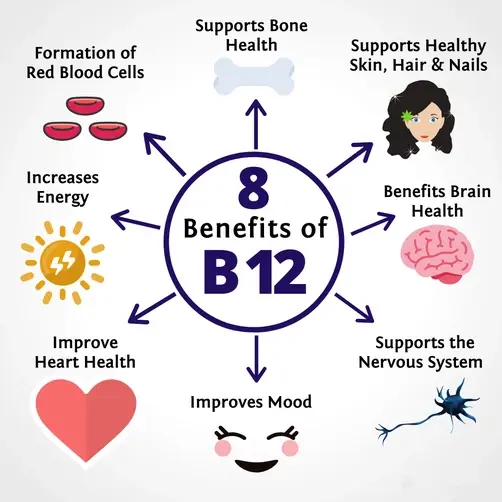
1. Red Blood Cell Formation: Cyanocobalamin plays a vital role in the production of red blood cells. These cells are responsible for carrying oxygen throughout your body, ensuring that all organs and tissues receive the oxygen they need to function properly. Adequate B12 levels help prevent anemia, a condition characterized by a lack of healthy red blood cells.
2. Nervous System Support: B12 is essential for maintaining the health of your nervous system. It helps in the formation of the myelin sheath, a protective coating around nerve fibers that facilitates the transmission of nerve impulses. This support is crucial for maintaining cognitive function, memory, and overall neurological health.
3. Energy Production: Cyanocobalamin is involved in the metabolism of fats and proteins, which are essential for energy production. By helping convert food into energy, B12 can contribute to reducing fatigue and improving overall energy levels.
4. Cardiovascular Health: B12 plays a role in regulating homocysteine levels in the blood. High levels of homocysteine have been associated with an increased risk of heart disease and stroke. By helping to keep homocysteine levels in check, B12 may contribute to better cardiovascular health.
5. Mood Regulation: Some studies suggest that B12 may play a role in the production of serotonin, a neurotransmitter that regulates mood. Adequate B12 levels may help support emotional well-being and potentially reduce the risk of depression.
It's important to note that while Cyanocobalamin Vitamin B12 Powder offers these potential benefits, individual results may vary. Factors such as overall health, diet, and absorption capacity can influence the effectiveness of B12 supplementation. Always consult with a healthcare professional before starting any new supplement regimen, especially if you have pre-existing health conditions or are taking medications.
How is Cyanocobalamin Vitamin B12 Powder absorbed by the body?
Understanding how Cyanocobalamin Vitamin B12 Powder is absorbed by the body is crucial for appreciating its effectiveness as a supplement. The absorption process of B12 is complex and involves several steps:
1. Ingestion: When you consume Cyanocobalamin Vitamin B12 Powder, either as a supplement or in fortified foods, it enters your digestive system.
2. Stomach Acid Action: In the stomach, hydrochloric acid and pepsin help to release B12 from the food or supplement matrix. This step is crucial for making B12 available for absorption.
3. Binding to Intrinsic Factor: B12 then binds to a protein called haptocorrin (also known as R-protein) produced by the salivary glands and stomach. As the B12-haptocorrin complex moves into the duodenum (the first part of the small intestine), pancreatic enzymes degrade the haptocorrin, releasing the B12.
4. Intrinsic Factor Interaction: In the duodenum, B12 binds to intrinsic factor, a protein produced by the stomach's parietal cells. This binding is crucial for the absorption of B12.
5. Ileum Absorption: The B12-intrinsic factor complex travels through the small intestine until it reaches the ileum, the final section of the small intestine. Here, specialized receptors called cubam receptors recognize and bind to the complex.
It's important to note that the absorption of Cyanocobalamin Vitamin B12 Powder can be affected by several factors:
- Age: As we get older, our ability to absorb B12 may decrease due to reduced stomach acid production and potential issues with intrinsic factor production.
- Gastrointestinal Health: Conditions that affect the stomach or small intestine, such as Crohn's disease, celiac disease, or gastric bypass surgery, can impair B12 absorption.
- Medications: Certain medications, such as proton pump inhibitors and metformin, can interfere with B12 absorption.
- Dietary Factors: High alcohol consumption and a lack of calcium in the diet can negatively impact B12 absorption.
- Intrinsic Factor Deficiency: Some individuals may have a condition called pernicious anemia, where their body doesn't produce enough intrinsic factor, severely limiting B12 absorption.
For individuals with absorption issues, alternative forms of B12 supplementation, such as sublingual tablets or injections, may be recommended to bypass the normal absorption process in the digestive system.
The efficiency of Cyanocobalamin absorption can vary. In healthy individuals, about 56% of a 1 mcg oral dose may be absorbed, but this percentage decreases with higher doses. This is why B12 supplements often contain much higher doses than the recommended daily allowance – to ensure that enough is absorbed to meet the body's needs.
Understanding this complex absorption process highlights the importance of maintaining good overall health and addressing any underlying conditions that might impair B12 absorption. It also underscores the value of regular B12 monitoring, especially for individuals at risk of deficiency, to ensure that the body is effectively utilizing this crucial vitamin.
What is the recommended dosage of Cyanocobalamin Vitamin B12 Powder?
Determining the appropriate dosage of Cyanocobalamin Vitamin B12 Powder is crucial for maintaining optimal health and preventing deficiency. However, it's important to note that dosage recommendations can vary based on individual factors such as age, health status, and specific medical conditions. Here's a comprehensive overview of B12 dosage recommendations:
1. Recommended Dietary Allowance (RDA):
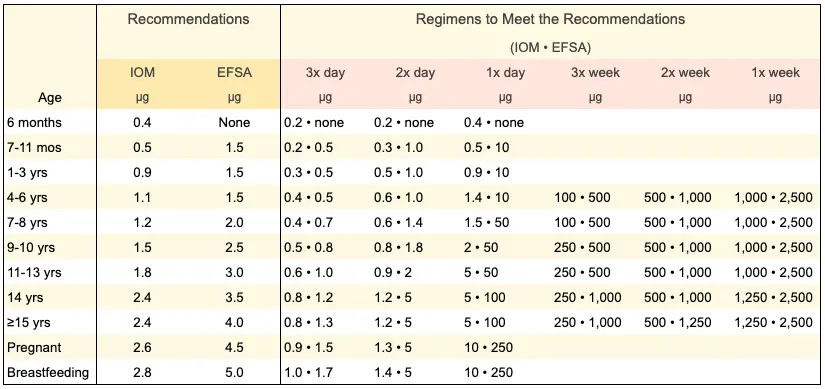
The RDA for vitamin B12, as established by the Food and Nutrition Board at the National Academies of Sciences, Engineering, and Medicine, varies by age:
- Infants 0-6 months: 0.4 mcg
- Infants 7-12 months: 0.5 mcg
- Children 1-3 years: 0.9 mcg
- Children 4-8 years: 1.2 mcg
- Children 9-13 years: 1.8 mcg
- Teens 14-18 years: 2.4 mcg
- Adults 19+ years: 2.4 mcg
- Pregnant teens and women: 2.6 mcg
- Breastfeeding teens and women: 2.8 mcg
2. Supplemental Dosage:
When it comes to Cyanocobalamin Vitamin B12 Powder supplements, the dosage can be significantly higher than the RDA. This is because only a small percentage of the B12 in supplements is actually absorbed by the body. Common supplemental doses range from 100-2000 mcg per day.
3. Dosage for B12 Deficiency:
For individuals diagnosed with B12 deficiency, higher doses may be recommended:
- Oral: 1000-2000 mcg daily for 1-2 weeks, followed by 1000 mcg weekly for 4-8 weeks, then 1000 mcg monthly for life.
- Intramuscular injection: 1000 mcg daily for 1-2 weeks, then weekly for 4-8 weeks, followed by monthly injections.
4. Dosage for Specific Conditions:
- Pernicious anemia: 1000 mcg daily, either orally or by injection
- Atrophic gastritis: 500-1000 mcg daily
- Post-gastrectomy: 1000 mcg monthly by injection
5. Vegetarians and Vegans:
Since B12 is primarily found in animal products, vegetarians and especially vegans may need to supplement. A daily dose of 50-100 mcg is often recommended.
6. Older Adults:
As absorption efficiency decreases with age, adults over 50 are often advised to take B12 supplements or consume fortified foods. A daily supplement of 100-400 mcg is common.
It's crucial to remember that while Cyanocobalamin Vitamin B12 Powder is generally safe, more isn't always better. Excessive B12 intake won't necessarily provide additional benefits and may mask other nutritional deficiencies. Always consult with a healthcare professional to determine the right dosage for your individual needs.
In conclusion, Cyanocobalamin Vitamin B12 Powder is a versatile and effective form of vitamin B12 supplementation. Understanding the difference between B12 and B12 cyanocobalamin, the benefits of supplementation, the absorption process, and appropriate dosage recommendations can help individuals make informed decisions about their B12 intake. As with any supplement, it's essential to consult with a healthcare provider to determine the best approach for your individual health needs.
Hongda Phytochemistry Co., Ltd. is distinguished by a comprehensive array of Certifications including FSSC, cGMP, BRC, ORGANIC (EU), ORGANIC (NOP), ISO22000, ISO9001, FDA, HALAL, KOSHER, and national recognition as a high-tech innovative enterprise. With over 30 years of experience in ingredient manufacturing, Shaanxi Hongda factory exemplifies professionalism and expertise.
Spanning 20,000 square meters, our state-of-the-art facility is equipped with advanced extraction equipment and boasts an SGS Certified laboratory, ensuring rigorous quality control and precise formulation capabilities. Operating 8 advanced production lines, we achieve a daily output of 10 tons and an annual capacity of 8000 metric tons.
Our products are supported by comprehensive testing reports and certifications. For further inquiries or interest in our offerings, please Contact Us at duke@hongdaherb.com. Hongda Phytochemistry Co., Ltd. stands ready to serve as your trusted Cyanocobalamin Vitamin B12 Powder Manufacturer.
References:
1. Institute of Medicine. Food and Nutrition Board. Dietary Reference Intakes: Thiamin, Riboflavin, Niacin, Vitamin B6, Folate, Vitamin B12, Pantothenic Acid, Biotin, and Choline. Washington, DC: National Academy Press, 1998.
2. Langan, R. C., & Goodbred, A. J. (2017). Vitamin B12 Deficiency: Recognition and Management. American family physician, 96(6), 384–389.
3. Green, R., Allen, L. H., Bjørke-Monsen, A. L., Brito, A., Guéant, J. L., Miller, J. W., ... & Yajnik, C. (2017). Vitamin B12 deficiency. Nature reviews Disease primers, 3(1), 1-20.
4. Stabler, S. P. (2013). Vitamin B12 deficiency. New England Journal of Medicine, 368(2), 149-160.
5. O'Leary, F., & Samman, S. (2010). Vitamin B12 in health and disease. Nutrients, 2(3), 299-316.
6. Watanabe, F. (2007). Vitamin B12 sources and bioavailability. Experimental biology and medicine, 232(10), 1266-1274.
7. Allen, L. H. (2009). How common is vitamin B-12 deficiency?. The American journal of clinical nutrition, 89(2), 693S-696S.
8. Wolffenbuttel, B. H., Wouters, H. J., Heiner-Fokkema, M. R., & van der Klauw, M. M. (2020). The Many Faces of Cobalamin (Vitamin B12) Deficiency. Mayo Clinic Proceedings: Innovations, Quality & Outcomes, 4(5), 611-624.
9. Carmel, R. (2011). Biomarkers of cobalamin (vitamin B-12) status in the epidemiologic setting: a critical overview of context, applications, and performance characteristics of cobalamin, methylmalonic acid, and holotranscobalamin II. The American journal of clinical nutrition, 94(1), 348S-358S.
10. Obeid, R., Fedosov, S. N., & Nexo, E. (2015). Cobalamin coenzyme forms are not likely to be superior to cyano-and hydroxyl-cobalamin in prevention or treatment of cobalamin deficiency. Molecular nutrition & food research, 59(7), 1364-1372.