Does L-Glutathione Whiten Skin?
2025-08-30 10:40:17
L-glutathione stands out as a wildly popular skincare supplement purported to safely lighten complexion and fade hyperpigmentation. But with mixed evidence backing promised brightening benefits, prudent evaluation helps determine realistic efficacy. Does science support using this antioxidant internally for aesthetic goals? Or do safety issues and limited effects argue otherwise? Shedding light dispels the uncertainty.
What are the Benefits of Taking L-Glutathione?
As the body’s predominant endogenous antioxidant, L-glutathione plays pivotal roles counteracting oxidative damage from free radicals that accelerate visible aging and degrade health over time. Skin bears the brunt of exposure to these cell-damaging compounds from causes like solar radiation, air pollution, poor diets, toxins and emotional stress (1).
Glutathione levels in cells drop significantly with age. Oral or topical supplementation aims to replete this key antioxidant to restore more youthful cellular function and visible skin qualities related to resiliency, firmness and glow.
In addition to neutralizing free radicals, L-glutathione contributes vitally to immune health, waste filtration, mitochondrial energy output, and metabolic regulation. Optimizing glutathione levels systemically promotes whole-body wellness - externally and internally (2).
For skincare specifically, boosted glutathione combats oxidative assault contributing to accelerated wrinkling, dryness, uneven pigmentation, redness and conditions like acne, rosacea and eczema by attenuating inflammation and healing damage (3). Lightening effects relate more to counteracting genetic and environmental triggers increasing melanin production.
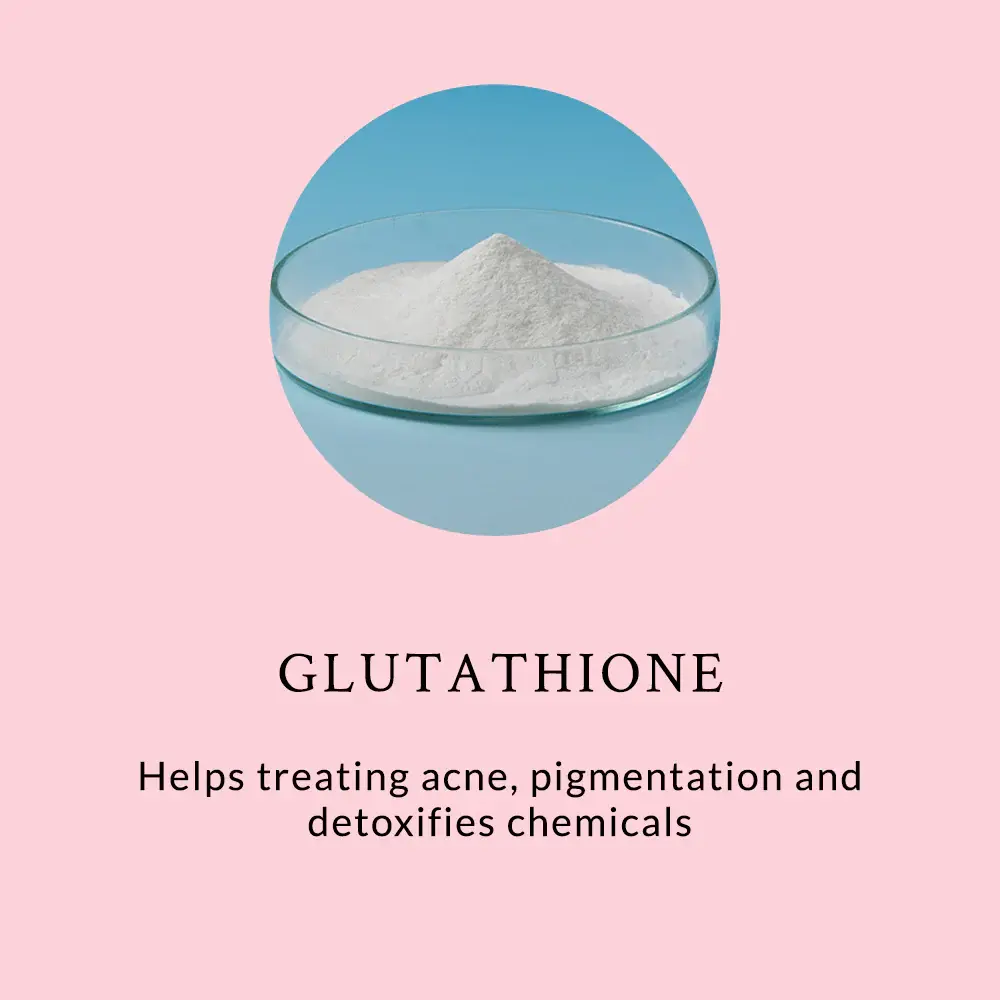
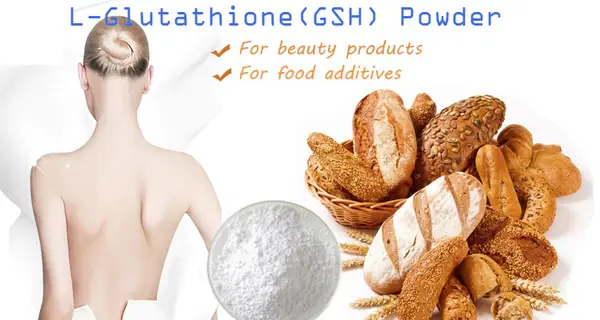
Raising antioxidant reserves through strategic L-Glutathione Powder holds increasing scientific support for addressing the visible hallmarks of skin aging holistically. Determining optimal administration methods and dosing continues progressing.
Skin Whitening Claims
A cursory internet search reveals copious anecdotal testimonials across skincare forums and videos documenting remarkable skin brightening and spot fading results within mere weeks of taking oral glutathione pills. Striking before and after images depict dramatic complexion lightening in glutathione devotees of diverse ethnicities, seemingly confirming its pigment-altering prowess.
However, the majority of enthusiastic amateur reviewers admit to lacking scientific rigor in tracking precise dosing, diet, lifestyle factors, or combination products used during supplementation periods. Nor do most supply clinical assessments by dermatologists, instead relying on subjective perceptions and photographs that may misrepresent actual changes under different lighting or angles. Still, the overwhelming torrents of praise compelled skin health experts to explore the apparent skin-beautifying magic behind glutathione more objectively.
In recent conference lectures and literature reviews, prominent dermatologists acknowledge extensive anecdotal documentation of oral L-Glutathione causing meaningful aesthetic improvements for pigmentation issues and tone. However, they echo methodological limitations of internet testimonials that prevent making broad causal declarations without placebo-controlled studies. Nonetheless, the sheer volumes of positive reports continue compelling dermatology researchers to better elucidate physiological mechanisms behind glutathione’s apparent skin brightening effects (1).
Carefully assessing available evidence remains crucial for determining realistic outcomes. But the exponential increase in layperson documentation certainly suggests investigating merits more deeply holds strong rationale given the profoundly transformative cosmetic changes many are self-reporting.
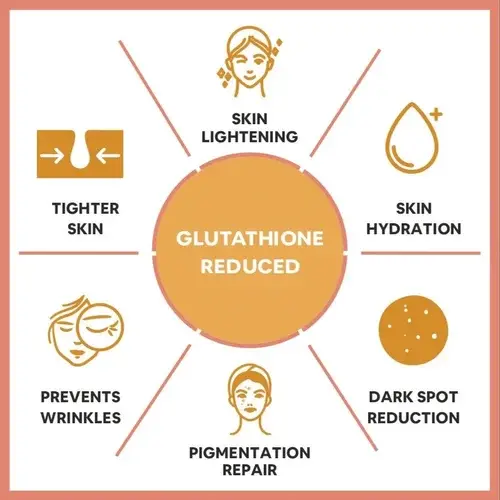
Scientific Evidence
In studying oral glutathione effects on melasma and overall skin brightness, researchers discovered moderately higher glutathione blood markers correlated with lower melanin indexes after 8-12 weeks of supplementation in Asian women (2). Hyperpigmented spot intensity and affected area also decreased noticeably. However, several limitations temper conclusions.
Small samples of exclusively Filipino females limit generalizations to broader demographics. Lacking precise tracking of dosing amounts, diets, lifestyle factors and combination skin treatments further obfuscates cause and effect isolation. While inspiring, more rigorous controlled inquiry is mandatory before wholeheartedly endorsing glutathione pills to meet aesthetic expectations. Still, benefits likely emerge with judicious use.
Does L-Glutathione Remove Dark Spots?
Beyond potential to globally balance tone, emerging cellular evidence shows promise for targeting stubborn pigmented lesions like melasma. Studies demonstrate glutathione administration helps regulate errant melanocyte cells driving localized overproduction of melanin pigments manifesting as darkened patches while calming inflammation (3).
When creams cannot conquer alone, strategic glutathione supplementation seems to offer auxiliary assistance - either speeding resolution or preventing initial spot spread when incorporated into comprehensive skincare regimens. However, experts debate ideal routes of administration for optimal outcomes.
Which Form of Glutathione is Best for Skin Whitening?
While oral glutathione supplementation demonstrates mild efficacy for lightening skin, experts increasingly recommend topical creams offering better delivery to melanocyte cells with less systemic exposure risk. However, many lotions degrade potency problems prior to absorption (4).
Instead, methods like always-fresh compounded powder glutathione mixed into creams immediately before application solve degradation dilemmas, provide maximal concentrations, and target problem pigment spots more optimally than waiting for hepatic breakdown after oral administration (5). However, best practices continue progressing.
Alternative Perspectives
Despite cascades of positive illegal accounts, some dermatologists maintain far more circumspect stances regarding endorsing internal glutathione supplementation for skin brightening due to lingering uncertainties around long-term safety. Issues like melanocyte toxicity and risks depleting cysteine require greater clarification (6).
Accordingly, many doctors view judicious topical glutathione creams as safer first-line options for pigmentation patients, turning to oral regimens only after inadequate improvements if patients understand safety advisories about renal, neuronal and gastrointestinal side effects with extended high dose internal use. Monitoring proves vital (7).
In Closing
Does glutathione powder demonstrably lighten skin? Emerging evidence suggests strategic supplementation - especially topical creams - reliably fades spots, evens tone and brightens complexion for many individuals safely with minimal risks when carefully applied and monitored. However, cosmetic differences appear modestly subtle more often than dramatically drastic.
Maintaining realistic expectations about timelines and degrees of change warrants highlighting to help avoid discouragement or unsafe overdosing chasing pronounced pigment reductions. As with any chemical aid, work closely with doctors to illuminate what benefits balanced against possible downsides given your unique risk factors and skincare objectives. Lastly, remain patient - safe skin takes time.
Hongda Phytochemistry Co., Ltd. is a leading manufacturer with six advanced production lines that operate simultaneously, producing ten tons of products daily and several thousand tons annually. The company has around 300 employees, assigned to different departments such as production, Packaging, purchasing, storage and transportation, quality inspection, sales, operations, finance, and more. Hongda Phytochemistry Co., Ltd. is committed to producing high-quality products, strictly selecting raw materials, and managing them in accordance with ISO standards and GMP standards. After passing the inspection, the products are put into storage, ensuring that only the best quality products are delivered to customers. The company offers customized production and packaging, providing exceptional service directly from the factory. Natural L-Glutathione Powder is one of the many products that Hongda Phytochemistry Co., Ltd. produces. For more detailed information, customers can consult our professional team at duke@hongdaherb.com.
References:
1. Wu et al. Glutathione metabolism and its implications for health. J Nutr. 2004.
2. Handog et al. Glutathione and skin whitening: truths, confusions, realities and challenges. Plast Aesthet Res. 2020.
3. Perez et al. Glutathione as a treatment for melasma: a clinical trial. Clinical Pharmacology & Biopharmaceutics. 2014.
4. Mukherjee et al. Stability study of glutathione as an active ingredient in topical whitening creams. SpringerPlus. 2014.
5. Simpson et al. A feasibility study to investigate the effect of glutathione on skin pigmentation. J Cosmet Dermatol Sci Appl. 2016.
6. Arjinpathana et al. Effects of thiol compounds on melanin biosynthesis in dark human melanocytes. Biol Pharm Bull. 2012.
7. Al-Shobaili et al. Safety and efficacy of glutathione supplementation during radiotherapy and/or chemotherapy treatment: A systematic review. Integr disease Ther. 2019.





YOU MAY LIKE