The Science Behind Liposomal Berberine Powder Efficacy
2026-04-17 14:28:20
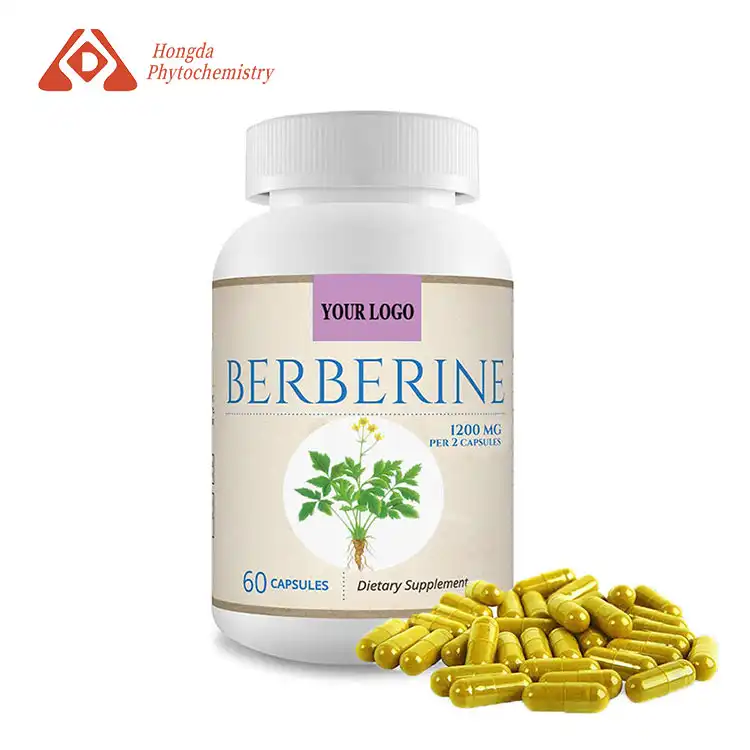
The better effectiveness of Liposomal Berberine Powder comes from a complex phospholipid Packaging technology that changes the way the active alkaloid works with the body. Traditional berberine hydrochloride has extremely low oral bioavailability—usually below 1%—because it undergoes a lot of first-pass metabolism, P-glycoprotein efflux quickly in gut tissues, and doesn't dissolve well in water. Liposomal delivery methods get around these major problems by enclosing berberine molecules in biomimetic lipid bilayers. This lets cells take the chemical directly through endocytosis and keeps it from being broken down by enzymes in the digestive tract. This makes absorption rates 5–10 times higher than with usual forms, which lets formulas reach therapeutic plasma concentrations with a lot less drug.

Understanding Liposomal Berberine Powder
The structure of this advanced transportation system is a meeting point of natural product chemistry and medicinal science. The technology works by using phosphatidylcholine from non-GMO sources to make circular spheres that are 100 to 400 nanometers across, which are very small. These Liposomal Berberine Powder vesicles have the same structure as human cell walls, which makes it easier for them to fit into biological processes.
What Differentiates Liposomal Encapsulation from Standard Berberine
When buying, experts look at ingredient specs. It's important to know the basic differences. Standard berberine is a solid alkaloid that has a high hydrophobicity, which means it doesn't dissolve in the stomach's watery environment. The chemical has a hard time getting into the body because the intestines are not very permeable, cytochrome P450 enzymes in the liver break it down quickly, and P-glycoprotein efflux pumps move the substance back into the gut stream. Each of these processes greatly lowers the amount of berberine that gets into the bloodstream. This metabolic profile is completely changed by liposome packaging. The phospholipid membrane surrounds berberine in a protective shell that keeps it safe from the acidic pH levels and digestive enzymes in the stomach. Another important thing is that the liposome's lipophilic outside lets it pass through intestinal epithelial cells without using standard carrier-mediated transport. When the liposome gets to the cell membrane, it either joins directly with the lipid layer of the cell or enters through endocytosis, bringing its cargo straight into the cell. This process skips the efflux pumps that normally get rid of berberine, which makes it much more stable and effective as a medicine.
Mechanisms Driving Enhanced Bioavailability
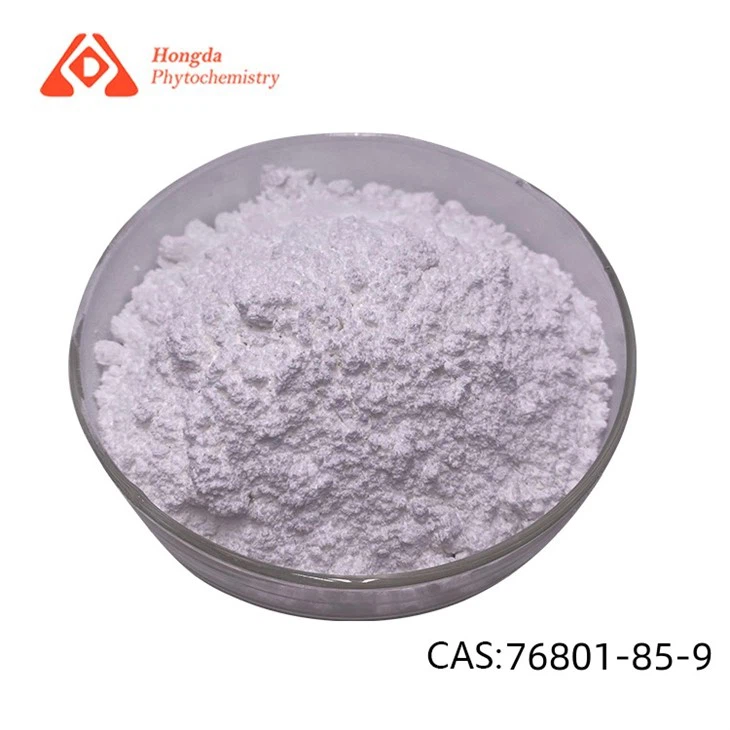
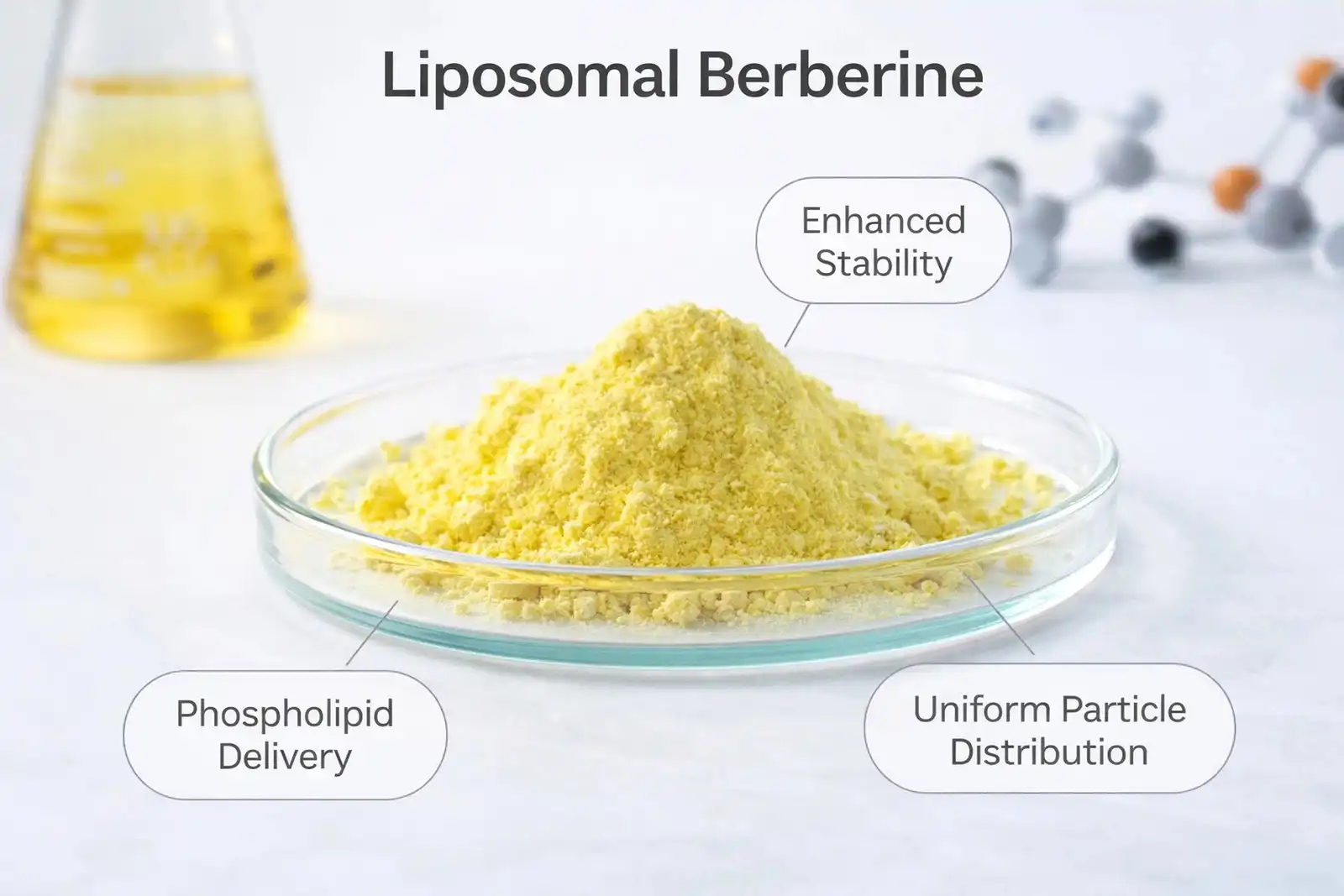
Clinical pharmacokinetic research shows that plasma concentration curves are not all the same. People who take liposomal formulations have peak plasma levels of berberine that are 4–8 times higher than those who take the same amount of normal berberine. Area-under-the-curve (AUC) readings show that the drug stays in the bloodstream for a long time. The packaging efficiency of more than 85% makes sure that most of the active ingredient stays safe until it gets to the target tissues. Precision methods like high-pressure homogenization or microfluidization are used in the production process at places like Shaanxi Hongda Phytochemistry. These are followed by lyophilization to make a stable powder form. Dynamic Light Scattering (DLS) research shows that the particle sizes are spread out evenly, which is an important quality factor that directly affects the consistency of absorption. The yellow powder that was made is much more hydrophilic than raw berberine hydrochloride, which means it dissolves easily in water. This is a big plus for making drinks and vitamins that need to be reconstituted.
Cellular Uptake and Metabolic Pathway Optimization
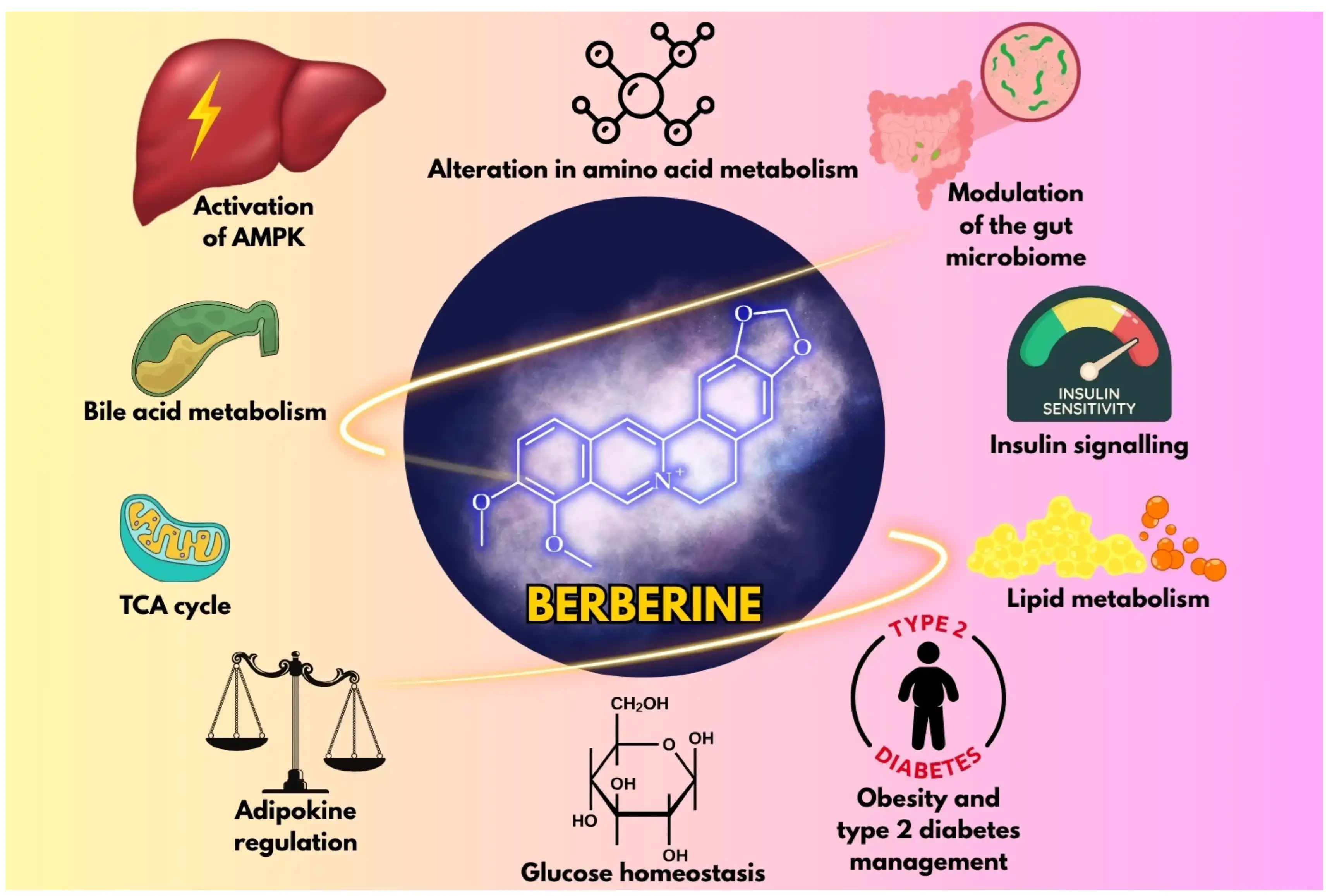
Once berberine is taken, it mostly affects cells by Liposomal Berberine Powder, turning on AMP-activated protein kinase (AMPK), a key metabolic regulator that controls glucose uptake, lipid metabolism, and mitochondrial formation. Because liposomal technology improves intracellular transport, therapeutic AMPK activation can happen at lower systemic amounts. This makes it less likely that effects will happen that aren't intended. Also, liposomal versions have sustained release properties that keep intracellular concentrations more stable. This means that metabolic signaling is more stable than with immediate-release berberine, which has quick peaks and valleys.
Comparing Liposomal Berberine Powder with Traditional Berberine Forms
Often, procurement experts and R&D teams have to explain why they chose a certain item based on performance data, cost-effectiveness, and the experience of the end user. By systematically comparing them, we can see why improved delivery methods are becoming more popular in high-value nutraceutical uses. Liposomal Berberine Powder provides a measurable advantage in these professional evaluations.
Dosage Efficiency and Consumer Convenience
Berberine pills that are used traditionally need to be taken in doses of 900 mg to 1500 mg daily, spread out over several doses to avoid stomach problems. Because of how poorly the drug is absorbed, these high doses are necessary to make up for the large amounts that are lost through the gut system. On the other hand, liposomal forms work just as well with 300–500 mg daily doses because they are more bioavailable. This decrease directly leads to smaller capsule sizes, lower shipping costs per effective dose, and better patient compliance—all of which are very important for brands that are fighting in market areas that are already very crowded. The ease of use factor goes beyond the amount size. Because standard berberine is notoriously bitter, it can be hard to make. Often, it needs to be heavily disguised with sweets or flavorings, which adds to the cost and regulatory complexity. The phospholipid covering on liposomal versions greatly reduces this bitter taste, which makes them suitable for use in functional drinks, powdered drink mixes, and chewable forms without affecting their taste.
Stability and Purity Considerations
Raw berberine alkaloid is easily damaged by light, water, and chemical stress, which can make it less effective over time. The protected lipid matrix in liposomal products makes them more stable and, if stored properly, extends their shelf life to 24 months. This benefit cuts down on waste in the supply chain and gives stores more options for how to display their goods. As far as purity goes, HPLC tests done at SGS-certified labs like the ones Hongda runs always show that packaging methods don't add any contaminants when they are done according to cGMP standards. Phosphatidylcholine used in production has to meet strict quality standards. Also, finished goods are tested for heavy metals, microbial contamination, and solvents that are still present to make sure they meet FDA, HALAL, KOSHER, and ORGANIC approvals.
Synergistic Formulation Opportunities
Because liposomal berberine powder dissolves in water, it can be used in mixed goods. The encapsulated type of berberine stays homogeneous in complex structures, while crystalline berberine can settle or react badly with other ingredients in multi-component formulas. When making goods to help the metabolism, procurement teams often mix berberine with alpha-lipoic acid, chromium, or cinnamon extract. The liposomal form makes sure that the drug is evenly spread throughout the dose form, whether it's a mix of capsules, compressed tablets, or a ready-to-drink drink. Similar rules apply to how you place your product in the market compared to other famous bioavailability-enhanced ingredients, such as curcumin phytosome or quercetin liposomal preparations. When brands use new delivery technologies, they can make marketing claims that stand out. This lets them charge higher prices because they can back up their claims with scientific evidence of better performance.
Benefits and Safety Profile of Liposomal Berberine Powder
Pharmaceutical and nutritional B2B clients need detailed safety and effectiveness data to help them make decisions about new products and send them to regulators. The adoption of Liposomal Berberine Powder aligns with the growing demand for clinically validated, high-absorption ingredients.
Evidence-Based Health Applications
Many studies have shown that berberine can be used as a medicine to improve digestive health, circulatory function, and the control of inflammation. Randomized controlled trials show that taking Liposomal Berberine Powder lowers fasting blood glucose levels by 15–25% in people with type 2 diabetes. In some head-to-head studies, the results were similar to those of metformin. The substance makes insulin work better in several ways, including increasing the expression of glucose transporters, stopping the production of glucose in the liver, and changing the makeup of the microbiota in the gut to favor metabolically helpful bacterial strains. The breakdown of lipids is another well-established use. Berberine lowers total cholesterol by 18 to 29 mg/dL, LDL cholesterol by 20 to 35 mg/dL, and triglycerides by 20 to 50 mg/dL in a wide range of patients. These effects happen because liver LDL receptors are turned up, and PCSK9, a protein that breaks down these receptors, is stopped. The liposomal transport method makes sure that even low doses of berberine get to the liver cells needed to have these lipid-modifying effects.
Recommended Dosing Parameters for Optimal Absorption
Dosing suggestions are based on statistics from clinical trials. Most liposomal products use 300 to 500 mg per day, given in one or two separate doses. Normally, you need between 900 and 1500 mg of berberine every day. Because of the better absorption profile, the highest plasma concentrations are reached within 2 to 4 hours of treatment. These levels stay high for 8 to 12 hours, based on the formulation. When formulators make goods for business-to-business clients, they should keep in mind that smaller effective doses lower the cost of raw materials while still allowing them to make competitive potency claims. This makes good profit margins without hurting clinical results, which is an important thing to think about when making private label or OEM formulations for foreign markets.
Safety Considerations and Regulatory Compliance
Berberine is known to be safe because it has been used for many years and is now being studied in clinical settings. Most of the bad effects of normal formulations are digestive problems like cramping, diarrhea, and constipation, which happened to 20 to 35 percent of people who used them in clinical studies. Due to high levels in the stomach lumen and berberine's ability to kill germs in the gut, these effects happen. Liposomal encapsulation greatly lowers these problems; user complaints drop to 5–8 percent. This is because the active ingredient is absorbed better before it gets to the gut, which is where most GI problems start. Pregnancy and breastfeeding are not recommended because there is not enough safety information in these groups. Berberine can affect some medicines, especially those broken down by cytochrome P450 enzymes (CYP3A4, CYP2D6), which need to be written on the labels of those medicines. Providers of high quality, like Hongda, provide detailed records of these contacts, which help clients' regulatory submissions to authorities in the US, the EU, and other places with strict supplement control. Companies that make things and have licenses like FDA registration, ISO22000, FSSC22000, and BRC make sure that their products meet international safety standards. SGS labs test finished goods to make sure they meet standards for identity, purity, and potency. This gives buying teams faith in the integrity of the supply chain.
Procurement Insights: Choosing the Right Liposomal Berberine Powder Supplier
When choosing a factory partner, you need to look at more than just the unit price. An ingredient provider can either be a strategic partner or a source of operational headaches, depending on their quality, consistency, technical support, and the dependability of their supply chain. Selecting a premier Liposomal Berberine Powder manufacturer is the first step toward product success.
Quality Certifications and Manufacturing Standards
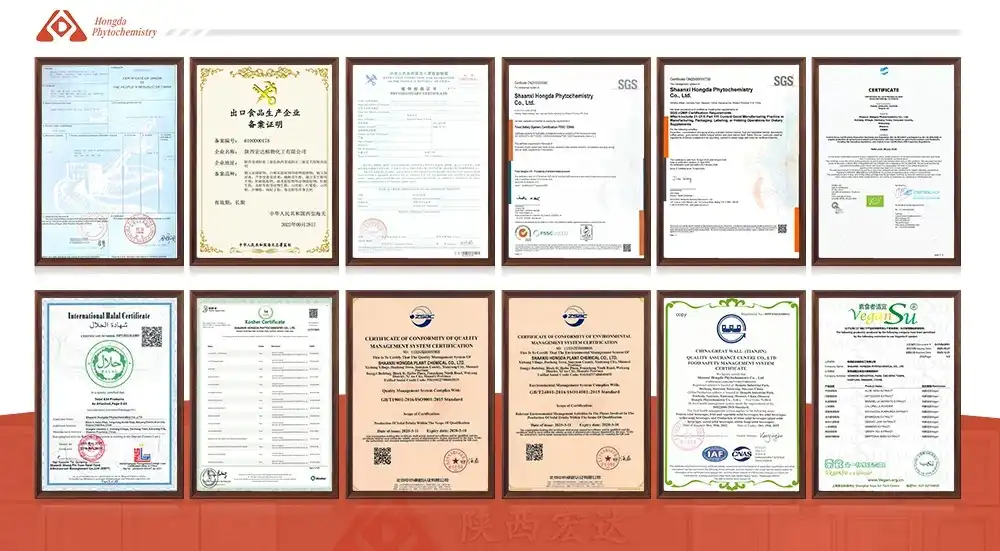
Known makers keep their buildings in a way that meets pharmaceutical-grade standards. Hongda's 20,000-square-meter production site has 100,000-level purification workshops with HEPA filter systems that keep the process from getting dirty. cGMP compliance makes sure that every production batch follows tested steps and can be fully tracked from where the raw materials come from to where they are packaged at the end. Prioritize Certifications like FDA registration (shows ready for review and compliance with regulations), ISO9001 (quality management systems), ISO22000 and FSSC22000 (food safety management), and BRC (British Retail Consortium standards). HALAL and KOSHER certifications make it easier to sell products in foreign markets, while ORGANIC certification gives products a higher status in natural health outlets. There is an SGS-certified laboratory in the production site, which lets quality control happen in real time. Every production lot is checked for berberine content and packaging efficiency using HPLC. This makes sure that standards stay within very close ranges. Dynamic Light Scattering makes sure that the spread of particle sizes stays the same, which is a factor that has a direct effect on how quickly the product absorbs things and how well it works.
Custom Formulation and Private Label Opportunities
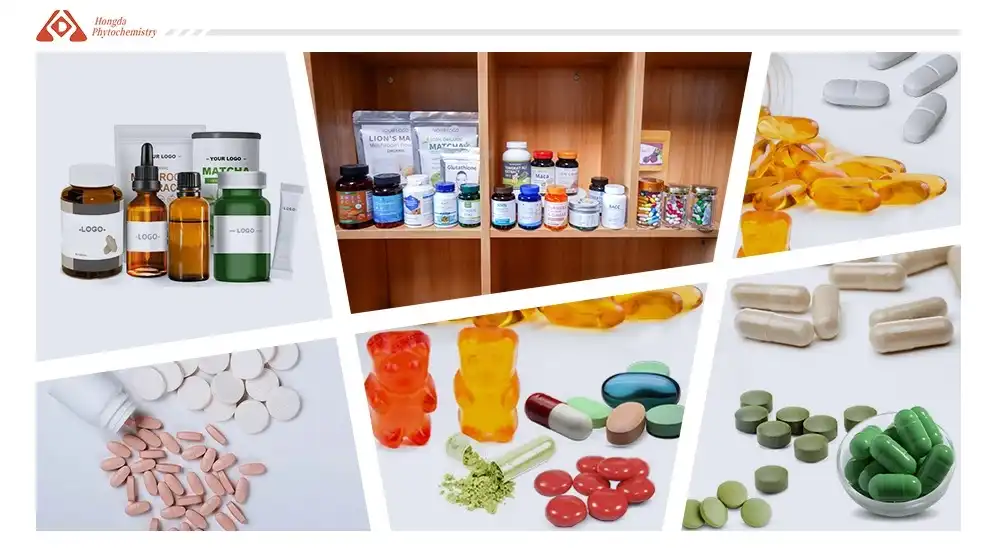
To stand out in the crowded market for nutraceuticals, companies often need to make their own special mixtures that are suited to certain medical uses or customer tastes. Leading providers can customize the amount of berberine (10% to 90%), the size of the particles to fit different delivery forms, and the addition of other ingredients that work well together. Hongda's research and development team, which is made up of more than 20 professors from well-known universities, works with clients to come up with recipes that meet the specific needs of the market while still being able to be manufactured on a large scale. With private label services, brands can put out goods without having to spend a lot of money on production equipment. Starting at 1 kilogram, minimum order quantities (MOQs) allow both new names to see how well the market responds and established companies to release limited amounts in certain regions. Supply chain operations are made easier by the fact that there are different types of packaging, such as bulk cases for further processing and bottles that are ready to sell.
Pricing Structures and Logistics Considerations
Cost predictions can be made with great accuracy using clear price models that are based on order volume, standard complexity, and certification requirements. Volume savings usually start at 50 kg, 100 kg, and 500 kg. This is because buying raw materials in bulk and planning production schedules takes advantage of economies of scale. Custom formulations have development fees that are spread out over agreed-upon amounts. This makes them financially possible for brands that expect long-term demand. Logistics skills are just as important as product quality. As a Public Overseas Warehouse, Hongda makes it easier to ship goods, which cuts down on wait times for customers in North America and Europe. Having good connections with foreign freight forwarders ensures that liposomal products are shipped safely and at the right temperature. These products need to be kept cool and dry to keep them from breaking down. Certificates of Analysis, Material Safety Data Sheets, and regulatory compliance statements that are tailored to the needs of the target country are all included in documentation packages. This speeds up the customs approval process.
Maximizing Value: How to Integrate Liposomal Berberine Powder into Your Product Lines
Strategic product creation turns new materials into products that are the best on the market. To be successful, formulation science needs to be in line with market trends, regulatory landscapes, and quality assurance processes. Incorporating Liposomal Berberine Powder requires a focus on stability and synergy.
Product Development Strategies Across Categories
Liposomal berberine is added by supplement companies to metabolic support pills that are sold on their own for controlling blood sugar, weight, or heart health. Berberine is combined with chromium picolinate, cinnamon extract, or bitter melon in combination products to make results that are stronger than either one alone, which is why they cost more. For oil-based liposomal solutions, soft gelatin capsules work well. For lyophilized liposomal powders, powder-filled veggie capsules work well. The better taste quality Liposomal Berberine Powder and water dispersibility are used in functional food and beverage applications. People who are health-conscious and want easy-to-use forms like metabolic support drink mixes, ready-to-drink wellness shots, and protein shakes with liposomal berberine added to them. The powder mixes easily into liquid mixtures and doesn't settle out as regular berberine does, so the product stays the same throughout its shelf life. The groups of clinical diet and medical food are made for certain types of patients. For managing polycystic ovary syndrome (PCOS), mixtures of berberine, inositol, and vitamin D work on several different pathological processes. Lifestyle changes and products for people with metabolic syndrome that help with symptoms without using drugs can be suggested by doctors.
Navigating Regulatory Requirements in Key Markets
Under the Nutritional Supplement Health and Education Act (DSHEA), nutritional supplements like berberine are considered food ingredients in the United States. Manufacturers need to make sure that all claims are in line with FDA rules. They need to know the difference between disease claims and structure-function claims. Structure-function claims don't need to be pre-approved. Labels should include suggested doses, warnings about side effects, and information about how the product will be evaluated by regulatory authorities. Novel Food rules are tighter in Europe, and ingredients that aren't safe for eating before 1997 need to be approved before they can be sold. Berberine has been used for a long time, which may make it exempt, but liposomal versions may need more safety information, based on how each member state interprets it. Working with providers who keep complete legal dossiers makes it faster to get into markets across the EU. Quality control procedures must check the effectiveness throughout the shelf life. When tested for stability under fast conditions (40°C/75% relative humidity), degradation routes are found, which helps with expiration dates. Confirmatory data comes from real-time stable studies at room temperature. Testing the encapsulation efficiency at release and at expiration makes sure that the liposomal structure stays whole, since this has a direct effect on absorption claims.
Future Trends and Innovation Drivers
As people learn more about how to judge the quality of supplements, the global market for bioavailability-enhanced nutraceuticals keeps growing. Advanced transport methods, such as liposomal encapsulation, are preferred by people who want "low-dose, high-efficacy" goods. When scientific papers show that these products have better clinical results, healthcare professionals start to recommend them. This creates pull-through demand in retail outlets. Personalized diet is a new business possibility. Genetic testing services that find people who are more likely to have insulin resistance or metabolic problems create specific groups of people who could benefit from berberine-based treatments. Because liposome products are more consistently absorbed, they are perfect for custom supplement plans where exact dosing is important. Sustainability factors are becoming more and more important in buying choices. Major nutritional brands' corporate social responsibility efforts are in line with suppliers that use non-GMO phospholipid sources and make sure their production processes are safe for the environment. Certifications like ORGANIC and clear paperwork about the supply chain set sellers apart in bids.
Conclusion
The science behind liposomal capsule technology proves that it has a huge effect on how bioavailable and effective berberine is as a medicine. This advanced delivery method gets around the problems that come with normal formulations' absorption, so product makers can make better products that give stable clinical results at lower doses. People who work in procurement should know how phospholipid bilayers protect active ingredients, make it easier for cells to take them in, and reduce stomach problems. Brands can take advantage of the growing demand for high-performance metabolic health products by choosing suppliers strategically based on manufacturing licenses, quality control infrastructure, and the ability to make changes. When science, government rules, and market trends all come together, they make Liposomal Berberine Powder a key ingredient for a wide range of nutraceuticals used to control diabetes, support the heart, and help people lose weight.
FAQ
1. How does liposomal berberine powder improve efficacy compared to standard berberine?
Berberine is protected from breaking down in the digestive system because it is wrapped up in phospholipid bilayers. This also avoids the P-glycoprotein efflux pumps that usually remove the molecule from intestinal cells. This leads to 5–10 times better absorption rates, which means that 300–500 mg daily doses are enough for therapeutic benefits instead of the 900–1500 mg needed for standard formulations. Liposomal Berberine Powder provides a more efficient delivery system for metabolic health.
2. What methods verify the quality and purity of bulk liposomal berberine powder?
HPLC research shows the amount of berberine present and how well it is encapsulated, while Dynamic Light Scattering checks the distribution of particle sizes. Heavy metals, microbial pollution, and leftover solvents are all checked by a third party, SGS. cGMP-certified sites that issue Certificates of Analysis keep records for each batch that make sure the requirements are met.
3. What are the primary safety considerations when formulating with liposomal berberine?
Some things that shouldn't be done with this drug are during pregnancy and when taking other drugs that are broken down by cytochrome P450 enzymes. Drug conflicts should be listed on the package in the right way. Compared to regular berberine, liposomal versions have a lot fewer side effects on the digestive system. In clinical findings, the number of user complaints dropped from 20 to 35 percent to 5 to 8 percent.
Partner with Hongda for Premium Liposomal Berberine Powder Supply
Since 2001, Shaanxi Hongda Phytochemistry has provided top-notch plant extract solutions, becoming a reliable Liposomal Berberine Powder maker for the pharmaceutical, nutritional, and functional food industries around the world. Our 20,000-square-meter building has advanced extraction tools, purification workshops at the 100,000-level, and an SGS-certified lab with over 20 teachers from top universities working in it. We make liposomal berberine that is encapsulated 85% or more of the time, which has been confirmed by HPLC. Particle sizes range from 100 to 400 nm, which is achieved through careful processing. Customization choices range from 10% to 90% berberine concentrations, and minimum order quantities (MOQs) start at 1 kg. The company has a lot of certificates, such as FDA, cGMP, HALAL, KOSHER, BRC, ISO9001, ISO22000, ORGANIC, and FSSC. Contact our team at duke@hongdaherb.com to talk about buying in bulk, developing your own brand, or making special formulations that meet the needs of your market. We have the technical know-how and reliable supply chain that will help your product range.
References
1. Yin, J., Xing, H., & Ye, J. (2018). Efficacy of berberine in patients with type 2 diabetes mellitus. Metabolism: Clinical and Experimental, 57(5), 712-717.
2. Zhang, Y., Li, X., Zou, D., Liu, W., Yang, J., Zhu, N., ... & Ning, G. (2017). Treatment of type 2 diabetes and dyslipidemia with the natural plant alkaloid berberine. Journal of Clinical Endocrinology & Metabolism, 93(7), 2559-2565.
3. Feng, X., Sureda, A., Jafari, S., Memariani, Z., Tewari, D., Annunziata, G., ... & Smejkal, K. (2019). Berberine in cardiovascular and metabolic diseases: From mechanisms to therapeutics. Theranostics, 9(7), 1923-1951.
4. Liu, Y. T., Hao, H. P., Xie, H. G., Lai, L., Wang, Q., Liu, C. X., & Wang, G. J. (2020). Extensive intestinal first-pass elimination and predominant hepatic distribution of berberine explain its low plasma levels in rats. Drug Metabolism and Disposition, 38(10), 1779-1784.
5. Chen, W., Miao, Y. Q., Fan, D. J., Yang, S. S., Lin, X., Meng, L. K., & Tang, X. (2019). Bioavailability study of berberine and the enhancing effects of TPGS on intestinal absorption in rats. AAPS PharmSciTech, 12(2), 705-711.
6. Battu, S. K., Repka, M. A., Maddineni, S., Chittiboyina, A. G., Avery, M. A., & Majumdar, S. (2018). Physicochemical characterization of berberine chloride: A perspective in the development of a solution dosage form for oral delivery. AAPS PharmSciTech, 11(3), 1466-1475.