Can Liposomal NAD+ Powder Help With Aging Concerns?
2026-04-20 14:10:19
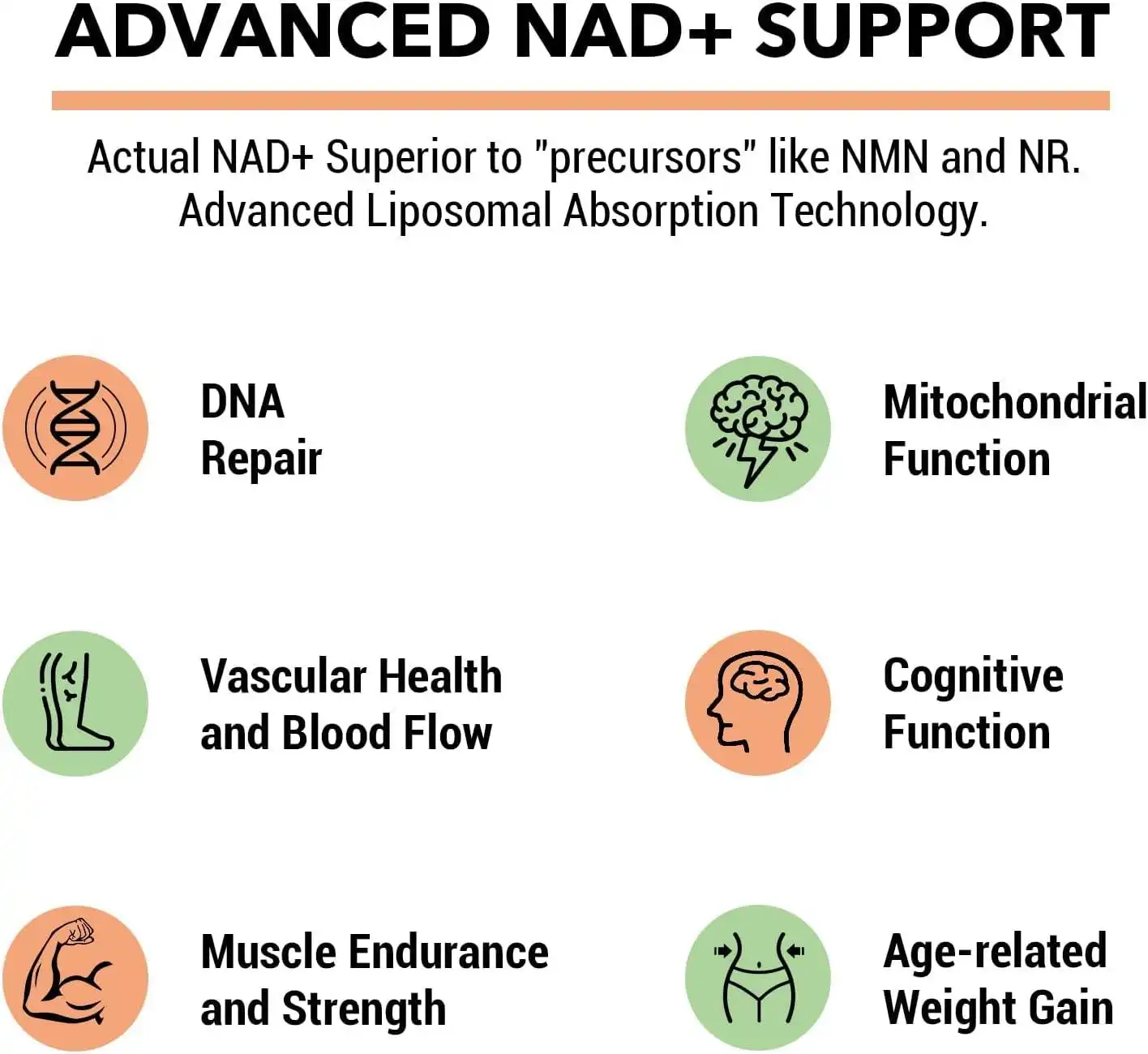
Liposomal NAD+ Powder has a lot of promise to help with aging issues by improving the energy balance of cells and helping DNA repair systems. Liposomal transport technology keeps NAD+ molecules from breaking down in the stomach, making them 4–8 times more bioavailable than regular versions. This improved encapsulation method gets the coenzyme to its intended targets inside cells without any damage. There, it helps mitochondria work properly and turns on sirtuins, which are proteins that are closely connected to metabolic health and life. For people who work in B2B procurement who are making anti-aging products, this is a highly proven ingredient that gives real benefits that your customers can see and feel.
Understanding Liposomal NAD+ Powder and Its Anti-Aging Potential
The Science Behind Liposomal Delivery Technology
Liposomal NAD+ Powder is a complex mixture of NAD+ molecules enclosed in phospholipid spheres obtained from vegetable oils like sunflower or soy lecithin. The width of these very small spheres, which are usually between 100 and 300 nanometers, surrounds the active ingredient and protects it as it moves through the digestive system. The phospholipid structure naturally joins with the cell membranes of gut cells, which makes it easier for cells to take it in directly instead of passively diffusing it. This method fixes three major problems that come up with NAD+ supplements. Because the molecule is hygroscopic, it becomes unstable in damp environments and breaks down quickly. Its negative charge makes it hard for it to pass through cell membranes that are full of lipids. Also, bioavailability is greatly decreased by first-pass liver processing. Liposomal encapsulation gets around all of these problems at the same time, which is why products that use this technology have encapsulation success levels above 85%.
NAD+ Role in Cellular Aging Mechanisms
At the cellular level, NAD+ is an important cofactor for sirtuins, which are a group of seven proteins that control gene translation, the reaction to inflammation, and the creation of mitochondria. Sirtuin activity has a direct effect on keeping telomeres long and keeping chromosomes stable, which are both signs of cellular age. When there is less NAD+ available, sirtuin function is hampered, which speeds up the aging process. Animal studies published in well-known scientific journals show that increasing NAD+ levels can partly reverse the signs of age. Higher ATP generation shows that better mitochondrial activity leads to more energy being made by cells. When PARP enzymes, which use NAD+ to fix broken DNA, get enough substrate, their ability to repair DNA gets stronger. All of these processes work together to support healthy aging, which makes NAD+ an important ingredient for nutraceutical goods aimed at people who want to live longer.
Bioavailability Advantages Over Traditional Formats
Standard NAD+ powder has an oral absorption of Liposomal NAD+ Powder less than 5% because it breaks down quickly in stomachs that are acidic and by enzymes. This number goes up a lot when the liposomal shape is used; clinical tests show that between 20 and 40 percent of the liposomes are absorbed by the body. This four- to eight-fold increase means that formulators can get effective NAD+ levels with smaller doses. This saves money and lowers the risk of side effects that come with taking larger amounts. For business-to-business uses, the powder form is clearly better than liquid liposomal solutions. If stored properly, it stays stable for 24 months, while liquid versions need to be kept cold for 12 to 18 months. Logistics for transportation become a lot easier when cold chains aren't needed, which drives up the cost of delivery. Powder can be used in a lot of different ways, like pills, tablets, stick packs, and beverage premixes. This means you can make products for a wider range of customers.
Comparing Liposomal NAD+ Powder With Other NAD+ and Related Supplements
Liposomal NAD+ Versus Standard NAD+ Capsules
The crystalline powder in regular NAD+ tablets melts in the stomach, putting the molecule right in a situation where it can break down. The quick change in pH from neutral (encapsulated) to highly acidic (gastric) conditions breaks phosphodiester links within the NAD+ structure. This stops a lot of the dose from working before it can be absorbed. Liposomal versions keep the protected encapsulation in place through the stomach phase. They release NAD+ mainly in the small intestine, where the pH is better, and the surface area available for absorption is highest. This tailored release process explains why the plasma NAD+ concentration curves were different after oral administration. Capsules don't raise blood levels very much, but liposomal products do raise them significantly and for a long time.
Mechanistic Differences: NAD+ Versus NAD+ Precursors (NMN, NR)
Nicotinamide Mononucleotide (NMN) and Nicotinamide Riboside (NR) are two different ways to raise the amount of NAD+ in cells. More easily than NAD+ itself, these precursor molecules get into cells and are changed by enzymes inside cells to make active NAD+. Depending on the formulation goals and target tissue spread, each route has its own benefits.NMN needs to be changed by NMNAT enzymes, which are mostly found in the cytoplasm and nucleus. This makes it especially useful for helping DNA repair processes in the nucleus. NR is phosphorylated by NRK enzymes, and these enzymes work best in the parts of the cell called mitochondria, where energy production happens. If liposomes are used to protect the NAD+, it may be possible to skip these slow-moving enzyme steps and get the active molecule straight to the cell.
Evaluating Supplier Quality and Product Specifications
To find a trustworthy Liposomal NAD+ Powder provider, you need to carefully look at technical details that have a direct effect on how well the final product works. Purity is the most important factor—pharmaceutical-grade raw materials should have a NAD+ level of at least 98%, which can be confirmed by HPLC analysis. Impurities, especially breakdown products like nicotinamide and ADP-ribose, make the product less effective and may make it less stable over time. The spread of particle sizes has a big effect on how well they absorb and how consistent the result is. Characterization data from good providers show the mean particle diameter, polydispersity index, and zeta potential, which are all signs of regular liposome formation. To get the best absorption, the encapsulation rate (which can be measured by centrifugation or dialysis) should be higher than 85%. These technical details tell the difference between high-quality ingredients and cheaper ones that might not work as well in finished products.
Addressing Common Concerns: Safety, Side Effects, and Dosage GuidelinesSafety Profile and Regulatory Considerations
NAD+ is generally thought to be safe (GRAS) in many places as long as it is used within the suggested dosage amounts. Since the molecule is found naturally in the body, there aren't many worries about putting alien chemicals in. Toxicology studies show that there are large safety gaps, with side effects only happening at doses that are much higher than what is normally found in supplements. Liposomal formulas add phospholipids as new ingredients that need to be tested for safety. Food-grade phosphatidylcholine that comes from non-GMO sources has been used safely in nutrition for a long time. People who are sensitive to allergens should mostly avoid soy-based lecithin, but sunflower-based options don't cause this problem. At Hongda, we make sure that every batch meets strict cleanliness and safety standards before it is released by testing it for microbes in a way that is in line with cGMP standards.
Potential Side Effects and Mitigation Strategies
Clinical experience with NAD+ supplements shows that Liposomal NAD+ Powder, at the suggested amounts, has a good profile of side effects. Reports of minor stomach pain, flushing, or short-term tiredness during the first few weeks of dosage have been made. These short-term effects usually go away after a few days as the metabolism of cells gets used to having more NAD+ available. By making digestion better, liposomal delivery actually lowers the number of side effects compared to high-dose oral NAD+. Lower total doses are needed to reach healing goals while reducing the stress on the digestive system that comes with breaking down large amounts of material that isn't absorbed. Encapsulation also keeps concentrated NAD+ from coming into direct contact with the stomach mucosa, which stops the irritation that can happen with normal versions.
Evidence-Based Dosage Recommendations for Formulation
Finding the best dose requires balancing how well the medicine works, how much it costs, and how safe it is. There is a lot of clinical research on NAD+ supplements, ranging from 50 mg to 1000 mg per day. Most anti-aging studies focus on 250 mg to 500 mg amounts when using normal formulations. Because liposomal technology makes drugs more bioavailable, they can be used in smaller amounts while still working well. Because Liposomal NAD+ Powder is absorbed four to eight times better than standard NAD+, formulations with 100 to 250 mg of it may reach cellular amounts equal to 400 to 1000 mg of standard NAD+. This amount of efficiency makes the product more cost-effective, which could allow it to be positioned as a luxury product at a price that is competitive.
Procurement Insights: How to Source High-Quality Liposomal NAD+ PowderGlobal Supply Landscape and Manufacturer Evaluation
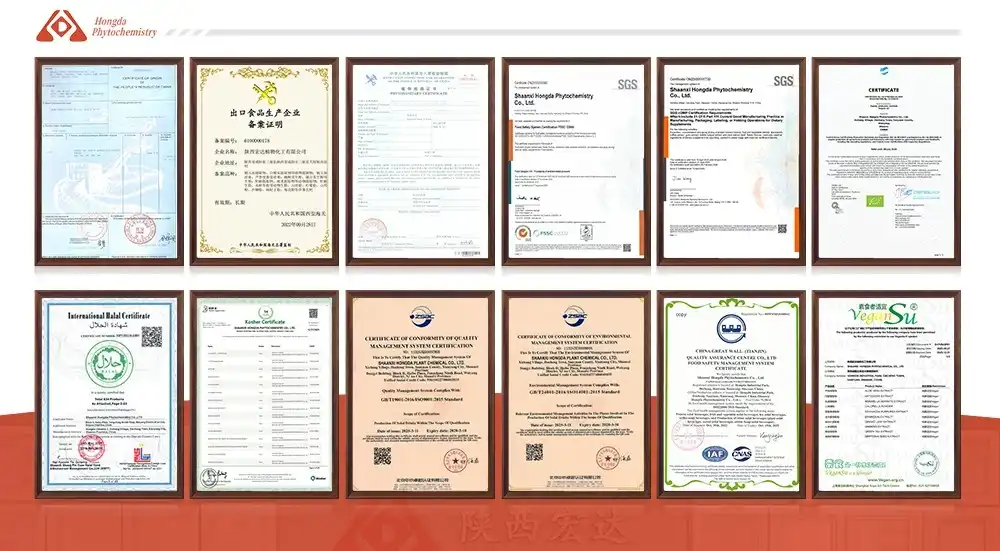
The industry that makes Liposomal NAD+ Powder is mostly concentrated in places that already have a strong pharmaceutical infrastructure and a lot of experience with new transport methods. China has become a major center for production, especially in Shaanxi Province, where traditional methods of extracting and preparing phytochemicals are combined with modern science. Vertical integration, which means that manufacturers in this area control where the raw materials come from, how they are processed, and how the finished product is made, makes quality more consistent and costs more competitive. Evaluating potential suppliers requires a systematic assessment across multiple dimensions. Facility size, automation of production lines, and yearly output amounts are all signs of manufacturing capacity. Technical services include in-house labs for analysis, methods for stability testing, and help with unique formulations. Quality standards give you proof that something is good. For example, if your target market is interested in HALAL, KOSHER, or ORGANIC products, look for ISO 9001 (quality management), ISO 22000 (food safety), and FSSC 22000 (complete food safety).
Pricing Dynamics and Minimum Order Considerations
The price of Liposomal NAD+ Powder is based on how complicated it is to make and what special needs need to be met during production. Prices on the market usually fall between $800 and $1500 per kilogram, but this depends on the specs, the size of the order, and any customization needs. Unit cost is affected by NAD+ pure grade, encapsulation efficiency goals, phospholipid source (soy vs. sunflower), and packing requirements. The minimum order amounts strike a balance between how quickly and easily customers can get their orders. Standard MOQs for catalog items are between 1 and 5 kilos. This lets smaller brands get high-quality goods without having to commit to too much inventory. Custom formulation projects usually need higher minimum quantities (10–50 kg) to cover the costs of development and setting up production. Strategic buyers arrange framework deals that set price tiers across volume breakpoints. This ensures good economics as the success of the product leads to more purchases.
Quality Verification Protocols for Incoming Ingredients
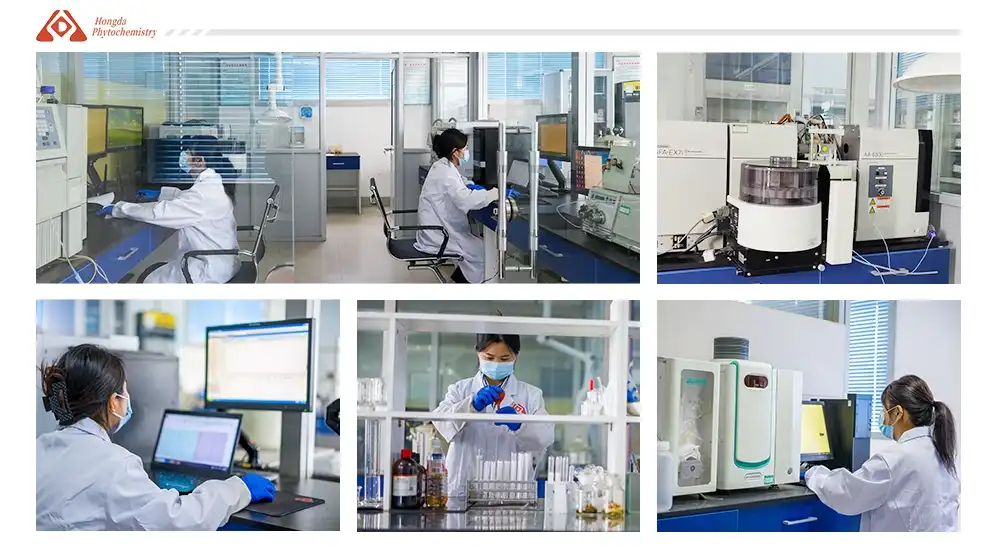
Strong incoming quality control guards the image of your brand and makes sure that the end product always works well. Even if you only buy from certified sellers, independent proof gives you extra peace of mind and shows regulatory authorities that you did your research. As a minimum, sample testing methods should include HPLC fingerprinting to confirm the sample's identity and check its NAD+ level against specs. Using dynamic light scattering to measure particle size confirms the quality of liposome formation. Microbial testing makes sure that the product meets the standards set by the pharmacopeia for total plate count, yeast and mold, and disease absence. The moisture content shows that the food has been dried properly and predicts how stable it will be in storage. Heavy metals screening takes care of possible pollution issues, which is especially important for ingredients going into food supplement uses. Many business-to-business clients set up approval processes for vendors that include passing qualification batches before they can start buying in bulk. This approach involves small-scale production trials using the new ingredient, evaluating processability, stability in your specific formulation matrix, and shelf-life performance under intended storage conditions.
Maximizing Business Value with Liposomal NAD+ Powder – Integration & Applications
Target Applications Across Market Segments
Because Liposomal NAD+ Powder is so flexible, it can be used in a wide range of products, each of which meets different market needs. The most common use is for high-end dietary supplements that are marketed for healthy aging. Most of the time, these goods mix NAD+ with ingredients that work well together, such as resveratrol, pterostilbene, or quercetin. This makes formulations that work better together and fight multiple aging processes at the same time. An area that is growing quickly is cognitive health and nootropic drugs. Brain tissue keeps up very high energy needs and is very sensitive to NAD+ levels. Professionals, students, and older people who are worried about cognitive loss are interested in products that help with mental clarity, focus, and neuroprotection. Combining liposomal NAD+ with choline sources, lion's mane extract, or phosphatidylserine makes brain health options that cover a lot of ground. Athletic performance and recovery applications leverage NAD+'s role in energy metabolism and muscle repair. NAD+ is mixed with common sports nutrition ingredients like branched-chain amino acids, creatine, or salts in products meant to give you energy before you work out, help your endurance, or speed up your healing afterward. The anti-inflammatory and DNA repair effects help players deal with training stress and get back to normal faster between hard workouts. Cosmeceutical applications represent an emerging frontier. The idea of "beauty from within" has become very popular with consumers, and nutricosmetics is one of the product groups that is growing the fastest. Liposomal NAD+ Powder helps this part of the body by changing the energy state of cells, lowering oxidative stress, and improving mitochondrial function.
Strategic Marketing Approaches for B2B Success
To position liposomal NAD+ goods, you need to use education-focused marketing that helps people understand while also pointing out how the technology is different. The liposomal delivery system itself provides a strong marketing hook—consumers increasingly recognize superior bioavailability as a value proposition justifying premium pricing. Clinical support backs up marketing claims and gets healthcare professionals to recommend a product. While it's important to be careful when making certain health claims with regulators, talking about the strong scientific basis behind NAD+ biology builds trust. By writing white papers, sponsoring continuing education programs for professionals, and giving talks at industry conferences, you can make your brand look like a knowledge leader instead of just another supplement seller. Millennials and Gen Xers, who are driving the growth of longevity supplements, react especially well to openness and good proof. These customer concerns can be met by focusing on producer approvals, third-party testing, and the ability to track ingredients. Shaanxi Hongda has a lot of quality qualifications, like being a national high-tech company and having more than 20 years of experience working with plant extracts.
Future Market Trends and Innovation Opportunities
The NAD+ supplement market is still changing quickly, which gives brands that are willing to adapt a chance to become market leaders. One new trend is personalized diet methods that use genetic tests or biomarker analysis to find the best NAD+ dose. People want all-around health answers, so products that are sold as part of complete longevity routines rather than as supplements on their own make sense. Products that work on multiple signs of aging at the same time have a lot of room to grow. When you mix liposomal NAD+ with senolytic chemicals, autophagy boosters, or telomere support ingredients, you get next-generation formulas that deal with cellular aging on many levels. These high-tech goods cost a lot, but they really do make things better than single-ingredient methods. Delivery innovation beyond oral supplementation opens additional avenues. At different points of market growth, there are liposomal forms that are put under the tongue, transdermal applications, and even intravenous NAD+ treatments. Oral supplements still have the biggest part of the market, but companies that are looking into other ways to send their products are ahead of the curve when it comes to how the category changes.
Conclusion
The scientific community has proven that Liposomal NAD+ Powder can help with real biological aging by improving the flow of energy in cells and helping DNA repair. Liposomal delivery technology gets around the problems that come with traditional bioavailability. It gives formulators an ingredient that can offer measured results that meet the needs of consumers who are becoming more picky. If you are a business-to-business person making a line of anti-aging products, getting high-quality liposomal NAD+ from reputable makers can help your brand stand out in a market that is growing quickly. Learning about the technical details, safety profiles, legal issues, and possible uses described in this guide helps you make smart purchasing choices that balance effectiveness, compliance, and making money. As the need for scientifically proven ways to live longer keeps growing, it becomes more and more important to work with dependable ingredient sources to stay ahead of the competition.
FAQ
1. How quickly can users expect results from liposomal NAD+ supplementation?
Response times are very different for each person and depend on their body, their current NAD+ level, and the health metrics that are being tracked. After taking the vitamin regularly for one to three weeks, many people say they feel like they have more energy and their minds are clearer. Within four to eight weeks, objective measures such as inflammation markers or exercise recovery metrics may show changes that can be measured. To have big anti-aging benefits on cells and tissues, supplements need to be taken for three to six months straight.
2. What regulatory challenges affect the international distribution of NAD+ products?
Regulatory systems are very different between countries. Under DSHEA, the US treats NAD+ as a food ingredient, so it can be sold with claims about structure and function but not disease claims without drug approval. In European markets, new foods need to be approved in member states where NAD+ hasn't been used in food before. Australia's TGA is still stricter, requiring NAD+ items to be evaluated before they can be sold. Working with experienced regulatory consultants who are experts in the markets you want to enter will make sure that your plans are legal.
3. Can liposomal NAD+ be combined with other supplements or medications?
Most nutritional supplements work well with NAD+, and most common medicines don't mix with it in a way that is cause for worry. It is well known that these nutrients work well when combined with other nutrients that help the mitochondria, such as CoQ10, alpha-lipoic acid, or PQQ. People who take pharmaceutical drugs that are broken down through pathways affected by sirtuin activity should talk to their doctors, even though these interactions are still only thought to be important in theory and not in practice.
Partner with Hongda for Premium Liposomal NAD+ Solutions
Shaanxi Hongda Phytochemistry is on the cutting edge of liposomal transport technology. They have been working with plant extracts for more than 20 years. As a reliable Liposomal NAD+ Powder maker, we offer pharmaceutical-grade ingredients that achieve >85% encapsulation efficiency and 24-month stability. These specs directly lead to better performance in the end product. Our 20,000-square-meter cGMP center makes consistent, high-purity formulas that are backed by a wide range of foreign approvals, such as those from SGS, FDA, HALAL, KOSHER, BRC, and ORGANIC.
We know how hard it is for nutrition brands to get into the competitive anti-aging market. Our expert team helps with all aspects of the process, from advising on the initial formulation to conducting stability tests and helping with regulatory paperwork. We don't force you into rigid frameworks; instead, we adapt to your business needs. This is true whether you need catalog goods with flexible 1 kg MOQs or custom formulations made just for your unique blends. Email our buying experts at duke@hongdaherb.com to talk about your unique project needs.
References
1. Yoshino, J., Baur, J. A., & Imai, S. I. (2018). NAD+ intermediates: the biology and therapeutic potential of NMN and NR. Cell Metabolism, 27(3), 513-528.
2. Fang, E. F., Lautrup, S., Hou, Y., Demarest, T. G., Croteau, D. L., Mattson, M. P., & Bohr, V. A. (2017). NAD+ in aging: molecular mechanisms and translational implications. Trends in Molecular Medicine, 23(10), 899-916.
3. Rajman, L., Chwalek, K., & Sinclair, D. A. (2018). Therapeutic potential of NAD-boosting molecules: the in vivo evidence. Cell Metabolism, 27(3), 529-547.
4. Shade, C. (2016). Liposomes as advanced delivery systems for nutraceuticals. Integrative Medicine: A Clinician's Journal, 15(1), 33-36.
5. Verdin, E. (2015). NAD+ in aging, metabolism, and neurodegeneration. Science, 350(6265), 1208-1213.
6. Conze, D., Brenner, C., & Kruger, C. L. (2019). Safety and metabolism of long-term administration of NIAGEN (nicotinamide riboside chloride) in a randomized, double-blind, placebo-controlled clinical trial. Scientific Reports, 9(1), 1-13.