What Makes Liposomal CoQ10 Powder So Effective?
2026-04-17 14:05:26
Liposomal Coenzyme Q10 Powder is unique because it uses cutting-edge encapsulation technology to solve the main problem of standard CoQ10 uptake. This delivery method works like human cell membranes by enclosing CoQ10 molecules in phospholipid bilayers made from sunflower lecithin. This lets the molecules go straight through the intestinal walls. This makes the bioavailability three to ten times higher than with solid CoQ10, which is only absorbed about five percent of the time. Because of this huge improvement, beneficial effects can now be achieved with smaller doses. This lowers the cost of making while also improving product performance, which is a huge benefit for formulators in the nutraceutical, pharmaceutical, and cosmetic industries.
Understanding Liposomal Coenzyme Q10 Powder
What Defines Liposomal Technology
The most important new thing about Liposomal Coenzyme Q10 Powder is that it contains nano-lipids. Unlike simple physical mixes of CoQ10 and lecithin, real liposomal formulas make spherical structures that are all the same size, between 100 and 400nm. These phospholipid pockets keep the CoQ10 payload safe from breakdown in the stomach and damage from oxygen while making it easier for the lymphatic system to absorb it. The technology takes into account the fact that CoQ10 is naturally hydrophobic, which is a property of its molecules that makes it very hard for water to dissolve and for the body to absorb. Transmission electron microscopy and dynamic light scattering studies show that Hongda's production process achieves encapsulation efficiency of more than 90%. The phospholipids that come from sunflowers are better at working with living things than manufactured carriers, and they meet the strict quality standards of international regulatory bodies. This focus on molecular stability makes sure that the structure of the liposomes stays the same during digestion.
Bioavailability Enhancement Mechanisms
Traditional crystalline CoQ10 needs bile salts and food fats to be absorbed at all, which means that plasma amounts are hard to predict and change a lot from person to person. This problem can't happen with liposomal transport because the membranes directly fuse together. The phospholipid outside of each liposome reacts with the membranes of enterocytes, which lets the whole vesicle go through intestine epithelial cells without any problems. This method sends CoQ10 straight into the bloodstream and lymphatic system, skipping the first-pass hepatic processing that lowers the effectiveness of regular CoQ10. Clinical tests show that liposomal products reach their highest bloodstream levels within 4 to 6 hours and keep them there for a long time. The prolonged release profile gives cells steady contact, which is especially helpful for energy production in mitochondria and antioxidant defense systems. This predictable pharmacokinetic profile lets companies that are making focused health solutions give exact dosage advice that is based on science.
Stability Advantages for Formulation
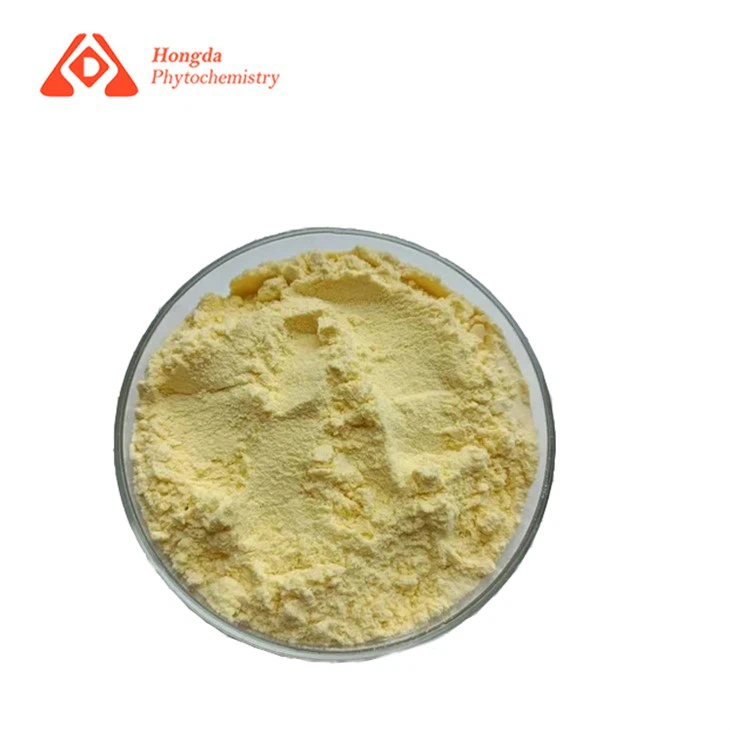
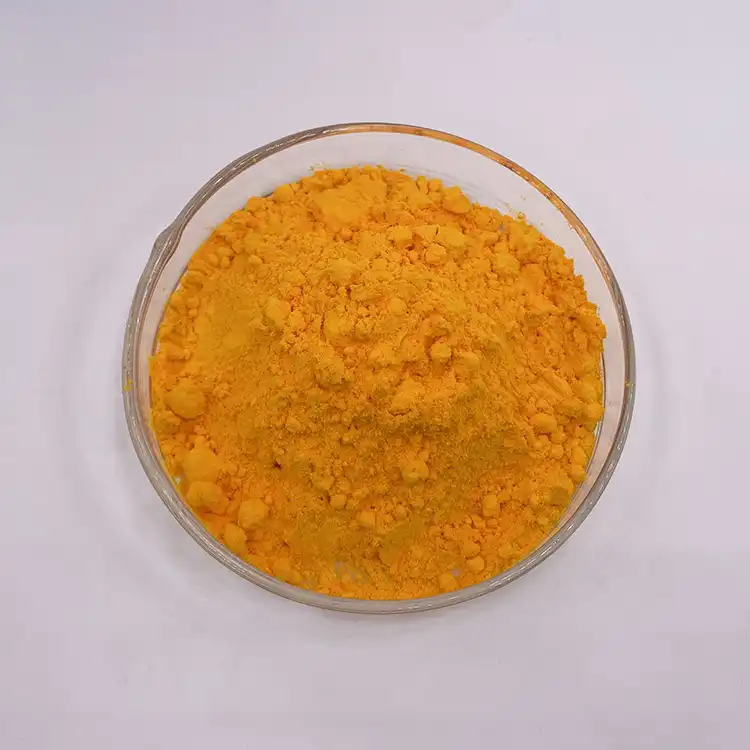
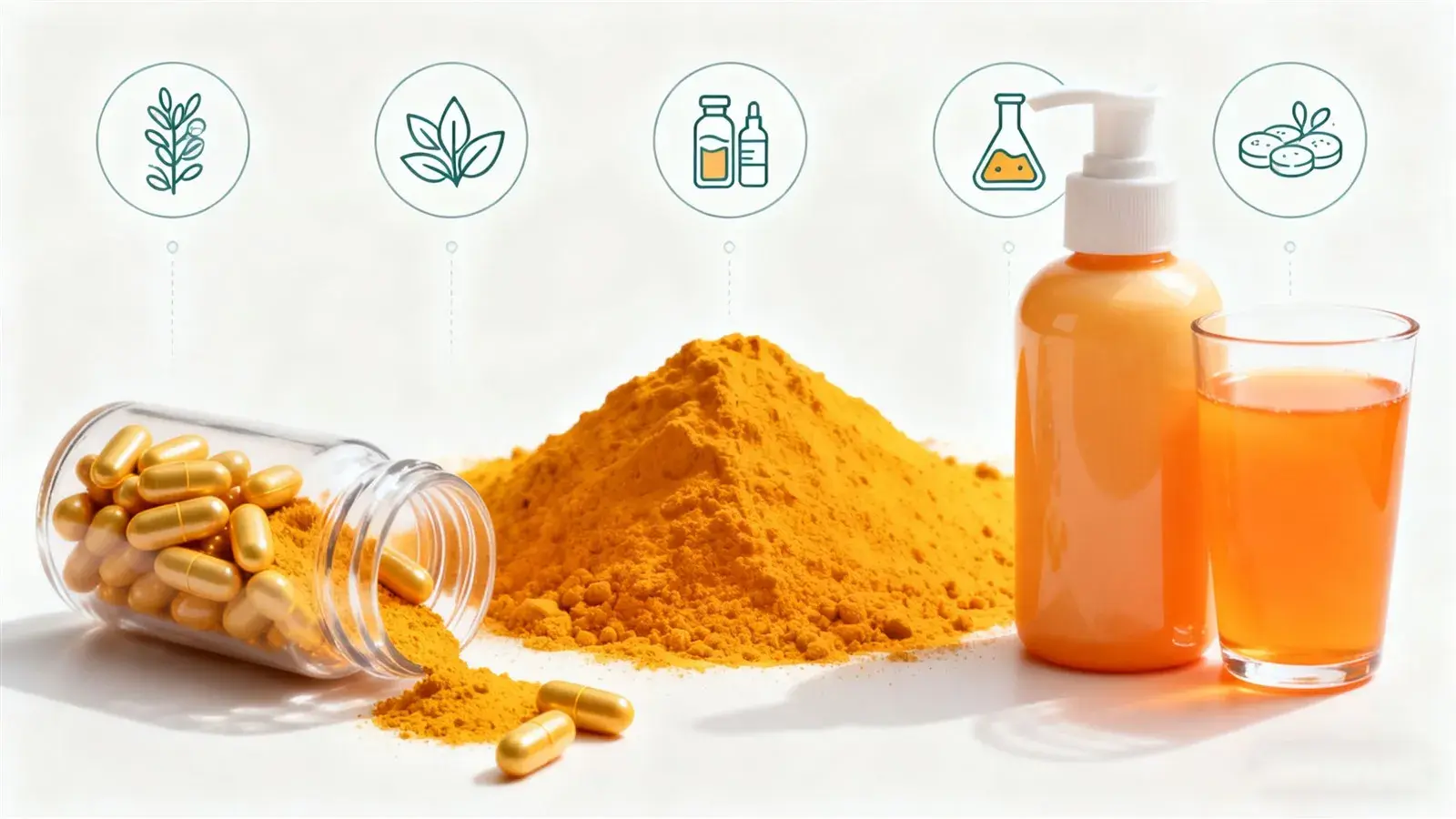
In addition to being easier to absorb, powder liposomal goods are much more stable than liquid ones. Getting rid of water by lyophilization or spray-drying stops hydrolysis processes and lipid peroxidation, which means the product can be stored at room temperature for up to 24 months. Because of this thermal stability, there is no need for cold-chain transportation, which saves a lot of money for foreign delivery networks. The Natural Carotenoid-like structure of ubiquinone gives it the look of a yellow powder. Accelerated stability testing methods have shown that our formulation keeps its antioxidant power throughout the shelf life. When mixed with water, the powder quickly spreads out to make stable colloidal solutions. This is different from crystalline CoQ10, which forms sheets or precipitates on the surface. This ability to dissolve in water opens up new recipe options for use in drinks, fizzy candies, Liposomal Coenzyme Q10 Powder, and skin care products that you put on your skin.
Comparing Liposomal CoQ10 Powder with Other Forms
Performance Against Standard Crystalline CoQ10
Even though crystalline CoQ10 powder is cheap, it has a lot of technical problems. Its lipophilic nature and big particle size (often more than 10 microns) make it hard for the digestive system to dissolve. Absorption rates rarely go above 8–10% of the amount given, even when the mix includes vegetable oils or emulsifiers. Because of this inefficiency, bigger doses—usually 100 to 300 mg daily—are needed to see real health benefits. This drives up the cost of formulation and the size of capsules. Liposomal Coenzyme Q10 Powder, on the other hand, lowers the effective dose by 60–70% while still providing higher plasma amounts. Comparative studies of absorption show that 50 mg of liposomal CoQ10 gives blood levels that are the same as or higher than 200 mg of regular powder. When purchasing managers look at cost-per-effective-dose metrics, this efficiency means big savings, even though the price per kilogram is higher. Because it has less bulk, smaller pills or versions with more than one ingredient can be used without affecting the label claims.
Advantages Over Ubiquinol Powder
Ubiquinol is the reduced, antioxidant-active form of CoQ10, and it should be easier for the body to use than ubiquinone. However, the chemical instability of ubiquinol makes it very hard to make. When ubiquinol is exposed to air, heat, or light, it quickly changes back into ubiquinone. This means that it needs to be handled carefully, packed in nitrogen-flushed containers, and stored according to strict rules. These standards make production harder and make it harder to change the way something is made. This problem can be solved by liposome technology, which protects both forms within lipid bilayers. Environmental factors can't hurt the active substance because it's protected by the encapsulation. It also keeps its biological activity. Manufacturers can pick ubiquinone because it is more stable and cheaper, knowing that liposomal transport will make it easier for cells to convert it to ubiquinol. This method combines controlling costs with treatment effectiveness, and it avoids the high prices that come with buying ubiquinol goods on their own.
Comparison with Oil-Based Capsules
A popular market form is soft-gel capsules that contain CoQ10, which is mixed with vegetable oils. Even though oils make it easier for powders to dissolve than dry ones, absorption is still very different depending on how much fat you eat at the same time. Because both CoQ10 and carrier oil need to fit inside a big pill, dosage options are limited, making multi-nutrient formulas more difficult. Because it uses lipids more efficiently, liposomal powder gets rid of these problems. The phospholipid carrier does two things: it improves uptake and takes up very little space. A normal liposomal mixture has 20–30% phospholipids by weight, while soft-gels have 70–80% oil. This concentrated form makes it possible to put the powder directly into functional foods and drinks or put it into smaller tablets. It becomes easier to make more products because powder filling processes can make more things faster than soft-gel Packaging methods.
Practical Applications and Formulation InsightsSupplement Development Strategies
Liposomal Coenzyme Q10 Powder works great in daily vitamin mixes that focus on heart health, energy metabolism, and healthy aging. Because the powder is free-flowing, it can be mixed with ingredients that work well together, like omega-3 fatty acids, vitamin E, or resveratrol, to make antioxidant complexes that work better together. Formulators can create targeted delivery systems in which the phospholipid matrix holds multiple lipophilic nutrients at the same time, which improves the total bioavailability profiles. When making capsules, the powder takes away the worries of oil leaking or soft-gel shell degradation that come with regular CoQ10 goods. Hard gelatin or vegetarian pills are strong enough to hold 50–100 mg of active CoQ10, with fill weights usually running from 300–500 mg. The steady powder form can handle normal encapsulating temperatures and pressures without changing the structure of the liposomes. Quality control tests should check the particle size distribution after recovery to make sure that the absorption performance is the same from batch to batch. When making tablets, the forces that crush them need to be carefully thought out. Liposomal powder can handle some squeezing, but too much pressure could damage the structures of the vesicles. When making tablets that work, the liposomal ingredient is often added as a last-stage granule component, or gentle compression settings are used. Effervescent tablet forms are a beautiful answer because the liposomes naturally get re-formed in water before being eaten. This way of delivery is popular with people who want easy supplementation that works best for them.
Skincare and Cosmetic Applications
The cosmetics business is becoming more aware of CoQ10's role in protecting cells from UV light and maintaining cell energy. Liposomal products solve a very important problem: getting CoQ10 through the stratum corneum barrier and into the epidermis and tissue layers that can be used. The phospholipid structure makes it easier for the particles to pass through membranes, and their tiny size lets them move through spaces between cells. There have been studies done in the lab that show liposomal CoQ10 can penetrate the skin 4–6 times deeper than regular oil-based formulas. Serums and creams that fight age are helped by phospholipids, which do two things: they condition the skin and give CoQ10. Cosmetics usually mix 1% to 5% liposomal CoQ10 powder into oil or water phases, based on the desired thickness that is wanted. The material is water-dispersible, which makes it easier to make emulsions and keeps them stable across pH ranges of 5.0 to 7.0. To make sure that liposomal structures stay intact throughout the product's duration, formulators should test their stability in situations that speed up aging. Sunscreen formulas are another useful product that looks good. CoQ10's antioxidant abilities work with UV screens to get rid of free radicals that are made by UV light. The liposomal transport method makes sure that CoQ10 gets to skin cells that are metabolically active and where oxidative stress happens, instead of staying on the skin's surface. This practical approach to photoprotection fits with Liposomal Coenzyme Q10 Powder what people want in skin care products: ones that do more than one thing and are backed by science.
Beverage and Functional Food Integration
To make drinks that can last on the shelf with liposomal CoQ10, you need to know how processing factors affect the stability of the liposomes. Vesicular structures are usually kept when pasteurization is done at temperatures below 75°C for short periods of time (15 to 30 seconds). However, validation tests should be done to make sure this is true for certain formulations. High-pressure processing is a different way to sterilize that doesn't use heat, so it maintains microbiological safety and liposomal functions. Because the powder dissolves instantly, it can be used to make ready-to-drink drinks, powdered drink mixes, and fizzy drinks. Most people take between 25 and 100 mg of CoQ10 per dose, which strikes a balance between effectiveness and cost. Fruit juices, sports drinks, and fizzy drinks are great carriers because they are acidic (pH 3.0–4.5) and keep liposomes stable better than neutral or alkaline environments. Formulators might want to add natural stabilizers or emulsifiers to keep the mixture from creaming or settling over time. When it comes to functional foods like protein bars, snack foods, and baked goods, conditions that are hot and dry make them more difficult to work with. The powder form is very stable at high temperatures, but when temperatures go above 120°C during extrusion or baking, some liposomal structures may become unstable. Placement in product structures that are planned can have protective benefits. Adding liposomal CoQ10 to the top layers or inclusion pieces in protein bars reduces the amount of heat that they are exposed to. Putting glazes or topcoats on baked goods after they've been baked makes them taste better.
Safety, Dosage, and Side Effects
Recommended Dosage Guidelines
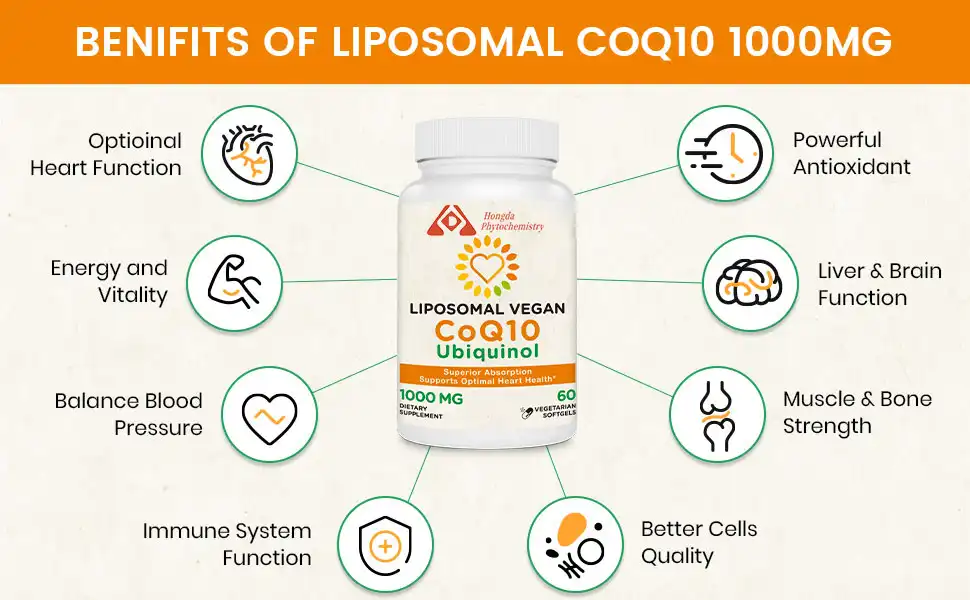
A lot of toxicological research has shown that CoQ10 is a very safe ingredient. In long-term tests with humans, no harmful effects were seen at doses higher than 1200 mg per day. For Liposomal Coenzyme Q10 Powder, the higher solubility makes doses of 30 to 100 mg per day work well for general health purposes. 100–300 mg per day may be used in therapeutic protocols for certain health problems, but such suggestions should be backed up by clinical proof and medical care. When making OEM goods, companies need to think about the people they want to sell them to and the health claims they want to make. Cardiovascular support formulas usually contain 100 to 200 mg per day, which is backed up by studies showing that these amounts can lower blood pressure and improve endothelial function. Energy and tiredness management goods usually have 50 to 100 mg, which is enough to help the production of ATP in mitochondria. Anti-aging cosmetics use 20–50 mg in topical treatments, matching how well they work with how much they cost to make. Different foreign markets have different rules and regulations. The US Food and Drug Administration (FDA) considers CoQ10 to be an ingredient in dietary supplements, but does not set any top limits as long as producers follow good manufacturing practices. CoQ10 can also be found in useful foods and supplements in Europe, with each member state setting its own guideline amounts. Asian markets, especially Japan and South Korea, have used CoQ10 for a long time and have set daily intake guidelines of 100 to 300 mg.
Safety Profile and Contraindications
Clinical research that goes back decades shows that CoQ10 is very safe for a wide range of people. According to controlled studies, adverse events happen just as often in the sham groups. These events are usually mild stomach problems, like feeling sick or having loose stools. These effects usually depend on the dose and go away when the dose is lowered or when the drug is taken with food. The liposomal delivery method may actually ease stomach pain by increasing the efficiency of absorption and lowering the amount of CoQ10 that passes through the digestive tract without being absorbed. Possible drug conflicts should be thought about when formulating and marketing drugs. Because CoQ10's structure is similar to vitamin K's, it might combine with warfarin and other blood thinners, but there isn't enough clinical evidence to say for sure. Labels that are smart tell people who take blood thinners to talk to their doctors before taking supplements. Statins stop the body from making its own CoQ10, so taking a vitamin might help people who take them. This is a clinically proven use that formulators can highlight in their marketing. Women who are pregnant or breastfeeding need extra care because they are vulnerable and need conservative methods. Studies on animals show that there are no teratogenic effects, but there isn't much information on humans yet. Manufacturers usually include normal warnings about pregnancy and breastfeeding, unless the products are especially made for these groups and have the right safety evidence to back them up. CoQ10 has been safely given to children in hospital settings for certain metabolic diseases, but it needs to be used with care in pediatric settings as well.
Quality Assurance and Regulatory Compliance
To gain government trust, the whole supply chain needs to have strong quality control methods. The raw material specs should list the phospholipid makeup (phosphatidylcholine content ≥50%), microbial limits that are in line with pharmacopeial standards, and the purity of the CoQ10 (≥98% by HPLC). Each batch must come with a certificate of analysis that lists the heavy metals that were tested (lead, arsenic, cadmium, and mercury), as well as any chemical or solvent residues that were found. The basis for quality assurance is manufacturing that is certified by cGMP. Hongda's SGS-certified labs test during production at key control points to make sure the quality of the packaging after processing, the safety of the product during production, and the distribution of particle sizes during liposome formation. Tests on the finished product make sure that the claims on the label are true, that there are no contaminants, and that the product meets microbial standards before it is sent to stores. Third-party approval makes the market more trustworthy and makes it easier to trade between countries. Our building has HALAL, KOSHER, and ORGANIC Certifications to meet the needs of a wide range of customers. To get into the U.S. market, you need to be registered with the FDA and follow their NDI (New Dietary Ingredient) notices, if they apply. Food safety management systems need to be certified by BRC and FSSC 22000 in order to be used for useful food uses. Getting ISO 9001 and ISO 22000 badges shows that you follow quality control and food safety rules that are known all over the world.
Procuring Liposomal CoQ10 Powder: What B2B Buyers Need to Know
Supplier Evaluation Criteria
Finding qualified providers takes a methodical look at a lot of different factors. Manufacturing ability is an important factor to think about—suppliers should show that they can produce the amount of goods you need and be able to scale up or down as needed. Hongda's 20,000-square-meter building has 10 production lines for natural plant extracts. This makes it possible for them to consistently supply large amounts of goods, while still being able to handle custom preparation Liposomal Coenzyme Q10 Powder projects with a minimum order size of 1 kg. Innovation partners are different from product providers because they have technical know-how. Check the supplier's research and development skills by looking at their list of publications, patents, and technical help tools. Over 20 PhD-level scientists from top universities work on our team. They have a lot of experience with extraction technologies, formulation science, and developing analysis methods. This level of scientific knowledge lets us do custom formulation work, help with problems, and joint product development. These are all useful services that shorten your time-to-market and lower the risks of development. A certification portfolio is a stand-in for business success and the ability to get into new markets. Comprehensive licensing shows dedication to quality systems and makes it easier for regulators to approve products in specific markets. In addition to standard ISO certificates, specialized credentials like ORGANIC certification give natural product brands more ways to formulate their products, and HALAL and KOSHER certifications help them break into new cultural markets. Make sure that the certifications are still valid and relevant to the tasks you want to do.
Pricing Dynamics and Cost Optimization
Liposomal Coenzyme Q10 Powder commands premium pricing compared to crystalline CoQ10, reflecting the additional processing steps and specialized equipment required for liposome formation and stabilization. Prices on the market right now run from $180 to $350 per kilogram, based on the size of the order, the specifications, and the certification needs. To find the real cost, though, you need to figure out the cost-per-effective-dose instead of the price of the raw materials. Because liposomal versions are 3–10 times more bioavailable, even though they cost more per kilogram, it is usually cheaper to get the same amount of drug into the blood. Price talks that are good for both sides are possible when there are volume agreements. Annual supply deals let sellers see how production is planned, which helps them get the best prices on raw materials and plan production schedules. In return, buyers get better terms on prices, first choice when supplies are low, and safety against price changes on the market. Our business team sets up flexible deals that can adapt to changes in seasonal demand while keeping prices low throughout the term of the contract. Formulation details have a big effect on prices. Standard standards, like 70% pure CoQ10 with sunflower phospholipids, are the best deal for most uses. Custom requirements, like higher CoQ10 ratios, different phospholipid sources, or specific particle size ranges, come with higher costs and prices. Buyers should carefully consider whether unique specs provide performance benefits that are related to the extra cost. Our expert team gives advice on how to optimize specifications while keeping cost and performance needs in mind.
Logistics and Regulatory Considerations
When you do international shopping, you have to figure out how to deal with import rules, customs processes, and paperwork needs. As a Public Overseas Warehouse facility, Hongda makes operations easier by putting goods in key markets ahead of time. This cuts down on wait times and makes customs clearance easier. Knowing whether liposomal CoQ10 is a dietary supplement ingredient, a food additive, or a cosmetic component in your area will help you put together the right set of paperwork, which should include certificates of analysis, specs sheets, and reports of regulatory status. During the whole distribution chain, shipping conditions must protect the purity of the goods. Even though the powder version gets rid of the need for a cold chain, it is still important to keep it away from moisture and light. We use metal foil packing with nitrogen flushing to keep things from oxidizing while they're in transit. Shipping containers should stay at room temperature and not be exposed to temperatures above 40°C for long periods of time. Documentation should say how to store the item, like "store in a cool, dry place away from light," so that dealers and end users know how to handle it correctly. Lead time planning takes into account when to start making things, test them for quality, clear customs, and ship them internationally. Standard orders usually ship two to three weeks after an order is confirmed. Custom formulations, on the other hand, need an extra four to eight weeks of development time, based on how complicated they are. Using just-in-time delivery programs or consignment deals to handle your inventory strategically can help you save money on working capital while keeping your supply going. Our customer service team can track shipments in real time and let you know right away if there are any changes to the plan.
Conclusion
Liposomal Coenzyme Q10 Powder represents a significant advancement in nutrient delivery technology because it solves the basic absorption problems that have limited traditional CoQ10 uses. The phospholipid encapsulation method improves absorption by 3–10 times, which means that goods can be more efficient with smaller doses. In the fields of nutraceuticals, cosmetics, and healthy foods, this speed gives them a competitive edge. Understanding the technical differences between liposomal and conventional formats, spotting quality signs, and working with seasoned providers like Hongda are all things that B2B sellers and formulators can do to make sure that their product development is backed by scientific rigor and manufacturing excellence.
FAQ
1. How can I verify that the liposomal structure is authentic?
Specialized testing methods are needed to prove that liposomal products are real. The circular vesicular structures can be seen with transmission electron microscopy, and the particle size distribution (usually 100–400nm) and polydispersity index can be measured with dynamic light scattering. These molecular traits are not present in simple physical mixes of lecithin and CoQ10. Ask providers for data on particle size analysis and encapsulation efficiency. Premium formulas should show encapsulation efficiency above 85%. At Hongda, we include full scientific documentation with every batch. This includes TEM images and data on how the particles are characterized.
2. What shelf life can I expect in different formulation types?
Properly stored liposomal CoQ10 powder maintains potency for 24 months when kept properly in sealed, moisture-barrier containers at room temperature. When added to formulas, how stable they are depends on the grid and how they are stored. Most capsule goods are stable for 24 months, but pills may need to be tested for stability to make sure that compression hasn't messed up the structures of the liposomes. Different types of drinks have different uses depending on their pH, processing conditions, and storage temperature. In general, acidic drinks stay stable longer than neutral pH systems. We suggest doing rapid stability studies while the product is being developed to find the right expiration date.
3. Can liposomal CoQ10 powder be used in vegan products?
The CoQ10 is made by bacteria fermenting food, so it is naturally vegan. The phospholipid binder in our formula comes from non-GMO sunflower lecithin. This means that the whole ingredient can be used in vegan and veggie formulas. This makes our product different from liposomal formulas that use soy lecithin, which some customers avoid because they are allergic to it or because it contains GMOs. The vegan-friendly profile opens up new market possibilities in areas of plant-based products that are growing quickly.
Partner with Hongda for Your Liposomal Coenzyme Q10 Powder Needs
Choosing the right Liposomal Coenzyme Q10 Powder supplier means securing more than raw materials. You also get a professional partner who cares about the success of your product. Hongda brings to every project more than 20 years of experience in extracting plants and the latest liposomal technology. Our building is cGMP-certified, and we have many foreign certifications, such as HALAL, KOSHER, ORGANIC, BRC, FDA, and ISO. We also have an expert research and development team that makes sure our pharmaceutical-grade ingredients meet the highest quality standards. Our manufacturing skills are flexible enough to grow with your business, whether you need 1 kg for initial recipe tests or a million metric tons for mass production. You can talk to our technical sales team at duke@hongdaherb.com about your project needs and find out why top nutritional brands choose Hongda as their Liposomal Coenzyme Q10 Powder provider.
References
1. Bhagavan, H.N. & Chopra, R.K. (2006). "Coenzyme Q10: Absorption, Tissue Uptake, Metabolism and Pharmacokinetics." Free Radical Research, 40(5), 445-453.
2. Langsjoen, P.H. & Langsjoen, A.M. (2008). "Supplemental Ubiquinol in Patients with Advanced Congestive Heart Failure." BioFactors, 32(1-4), 119-128.
3. López-Lluch, G., Del Pozo-Cruz, J., Sánchez-Cuesta, A., Cortés-Rodríguez, A.B., & Navas, P. (2010). "Bioavailability of Coenzyme Q10 Supplements Depends on Carrier Lipids and Solubilization." Nutrition, 26(11-12), 1118-1123.
4. Žmitek, K., Pogačnik, T., Mervic, L., Žmitek, J., & Pravst, I. (2017). "The Effect of Dietary Intake of Coenzyme Q10 on Skin Parameters and Condition: Results of a Randomised, Placebo-Controlled, Double-Blind Study." BioFactors, 43(1), 132-140.
5. Raizner, A.E. (2019). "Coenzyme Q10: A Therapy for Hypertension and Statin-Induced Myopathy?" Methodist DeBakey Cardiovascular Journal, 15(3), 185-191.
6. Akbari, A., Mobini, G.R., Agah, S., Morvaridzadeh, M., Omidi, A., Potter, E., Fazelian, S., Ardehali, S.H., Daneshzad, E., & Dehghani, S. (2020). "Coenzyme Q10 Supplementation and Oxidative Stress Parameters: A Systematic Review and Meta-Analysis of Clinical Trials." European Journal of Clinical Pharmacology, 76(11), 1483-1499.





YOU MAY LIKE