Key QC Checks in Naringenin Powder Production Every Buyer Must Verify
2026-08-10 11:30:41
Not every Naringenin Powder on the market is held to the same quality threshold, and purchasers who forgo verification typically find the gap only when a batch fails a customer’s own testing or underperforms in a completed composition. Shaanxi Hongda Phytochemistry Co., Ltd. has established its production process based on strict documented quality control at each step. Not a specification sheet with little behind it, we provide Naringenin Powder of 98% purity, which is confirmed by laboratory testing by SGS and manufactured in accordance with cGMP. This article describes a suitable quality check that differentiates a confirmed batch from a dangerous one for the buyer to have a realistic framework to assess any supplier before making an order commitment.
Why QC Verification Matters More for Naringenin Powder Than You Think
Before we explore individual checkpoints, it’s useful to understand why quality verification warrants special focus with this component rather than being handled as a usual formality.
The Risk of Inconsistent Raw Material Sourcing
Naringenin Powder is derived from the peel of the grapefruit, and the flavonoid concentration of this raw material may vary significantly depending on the kind of fruit, the growing location, the maturity at harvest, and even the storage conditions before the commencement of processing. If the entering material testing is not rigorous, the producer runs the danger of creating batches with different beginning flavonoid concentrations, and that cascades to the purity and performance of the final extract. Buyers that assume all Naringenin Powder from grapefruit is functionally interchangeable often learn differently when comparing certificates of analysis across suppliers, with differences in stated purity, residual solvent levels, or contaminant screening that impact the suitability of a batch for their intended application.
What "98% Purity" Actually Means in Practice
A claimed purity percentage such as 98% for Naringenin Powder only has meaning if it is supported by a verified testing technique and a certificate of analysis that customers can actually see. Claims of purity without the corresponding HPLC data, batch numbers, or third-party verification should be viewed with scepticism, since it is all too simple to throw a pretty figure on a spec sheet without the infrastructure to reliably verify it on each manufacturing run. Buyers should always ask about the testing methodology behind any purity figure quoted by a potential supplier, since whether a number represents a single reference sample or true batch-to-batch verification makes a big difference in how much faith to put in that supplier’s quality claims.
Specification Baseline Every Buyer Should Reference
Having a clear specification baseline in hand gives buyers a concrete standard to measure any supplier's Naringenin Powder against, rather than relying on marketing language alone.
|
ITEMS
|
SPECIFICATIONS
|
TEST RESULTS
|
|
|
Appearance
|
Off-white powder to white powder
|
white powder
|
|
|
Identification
|
There was a positive response
|
Complies
|
|
|
Odor
|
Characteristic
|
Complies
|
|
|
Taste
|
Characteristic
|
Complies
|
|
|
Assay
|
≥ 98%
|
98.32%
|
|
|
Loss on drying
|
≤5.0%
|
2.61%
|
|
|
Ash
|
≤5.0%
|
1.42%
|
|
|
Particle size
|
95% through 80 mesh
|
100%
|
|
|
Heavy metal
|
≤10ppm
|
<5ppm
|
|
|
Lead(Pb)
|
≤2ppm
|
<2ppm
|
|
|
Arsenic(As)
|
≤1ppm
|
<1ppm
|
|
|
Cadmium(Cd)
|
≤1ppm
|
<1ppm
|
|
|
Mercury(Hg)
|
≤0.5ppm
|
<0.5ppm
|
|
|
Total Plate Count
|
≤1000CFU/g
|
<100cfu/g
|
|
|
Total Yeast & Mold
|
≤100CFU/g
|
<10cfu/g
|
|
|
E.Coli
|
Negative
|
Not Detected
|
|
|
Salmonella
|
Negative
|
Not Detected
|
|
|
Staphylococcus
|
Negative
|
Not Detected
|
|
|
Statement
|
Non-Irradiated, Non-BSE/TES, Non-GMO, Non-Allergen
|
||
|
Conclusion
|
Conforms with the specification.
|
||
|
Storage
|
Closed keep in cool,dry and dark place ;keep from heat and strong light
|
||
Raw Material and Incoming Quality Checks
The quality control of Naringenin Powder starts well before the extraction process, with the manufacturer’s evaluation and screening of the raw grapefruit peel coming into their plant.
Botanical Source Verification
In a fully managed Naringenin Powder manufacturing process, the arriving grapefruit peel must be positively identified as being from the right botanical source and meeting minimum quality requirements before entering any extraction equipment. This involves validating supplier paperwork on origin, looking for visual indications of spoilage or contamination, and maintaining regular sourcing connections with farmers or peel suppliers who can deliver traceable, documented raw material. Buyers should directly ask potential manufacturers how they verify incoming botanical material. If a supplier does not have a clear answer to this question, it likely means that they do not have foundational quality systems to ensure consistent finished product quality across different production batches over time.
Pesticide Residue and Heavy Metal Screening
Grapefruit peel, like many agricultural raw materials, may be contaminated with pesticide residues or heavy metals, depending on growth techniques and environmental circumstances. Incoming screening for these contaminants is a critical quality control before extraction. Reputable producers verify batches of raw material against recognised international norms before processing to ensure that any contamination in the source material is not carried through into the final Naringenin Powder. Buyers formulating for pharmaceutical, infant nutrition or other sensitive applications should specifically request documentation confirming this screening step, as not all manufacturers perform incoming contaminant testing with the same rigour and this gap can be difficult to detect without asking directly.
Batch Consistency Testing
Variability in raw grapefruit peel is normal and inevitable. Therefore, Naringenin Powder makers need a method to test for and correct this variability at the entering material stage, rather than finding inconsistency after the extraction process. This often means assessing the flavonoid content of representative samples from each batch of raw material, so that the production team may alter the extraction settings as required to maintain a constant target purity across batches. If buyers observe variations in product features across orders from the same vendor, whether in appearance, solubility, or purity tests, it should be a warning shot for asking more specific enquiries regarding that supplier’s incoming batch consistency processes.
In-Process Quality Control During Extraction
Once raw material clears incoming checks, the extraction and processing stages introduce their own set of critical quality checkpoints that directly shape the finished product's reliability.
Extraction Method and Process Control
The specific extraction method used to produce Naringenin Powder significantly affects both yield and final purity, with well-controlled processes using standardized solvent ratios, temperature settings, and extraction times to ensure batch-to-batch consistency. Manufacturers with mature process controls document these parameters carefully and monitor them throughout production, rather than relying on operator judgment alone to determine when an extraction step is complete. Buyers evaluating a potential supplier's production capability should ask about their specific extraction technology and process validation history, since a facility that can clearly explain and document its extraction controls is far more likely to deliver consistent Naringenin Powder quality than one offering only vague descriptions of their manufacturing process.
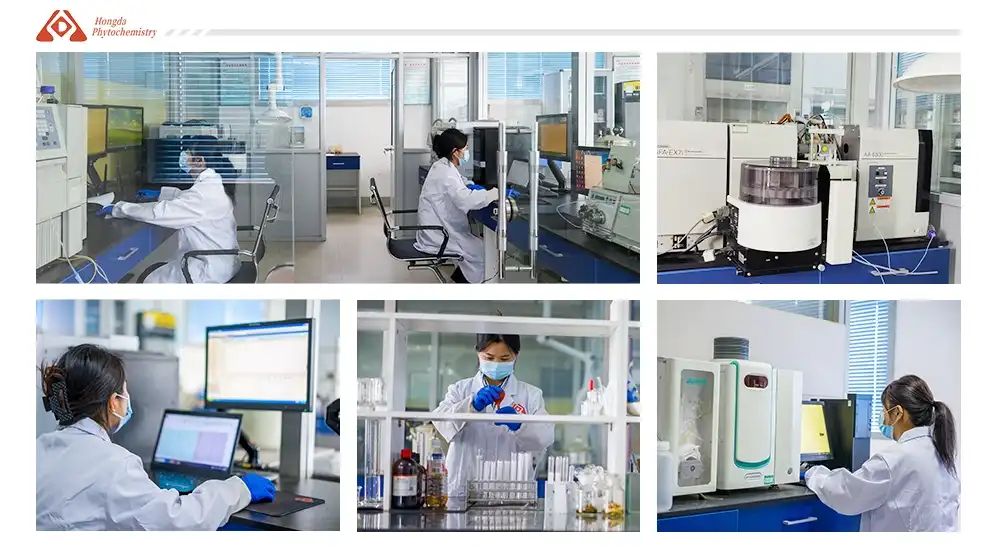
Purity Verification via HPLC Testing
High-performance liquid chromatography testing is the industry standard method for verifying Naringenin Powder purity, providing precise quantification of the active flavonoid content against reference standards.
|
QC Method
|
What It Verifies
|
|---|---|
|
HPLC testing
|
Precise purity quantification
|
|
UV spectrophotometry
|
Secondary purity cross-check
|
|
Reference standard comparison
|
Method validation accuracy
|
Microbial and Solvent Residue Monitoring
Beyond purity, Naringenin Powder for food, supplement, and pharmaceutical use must also pass microbial testing and residual solvent screening. Even a highly pure extract can contain unacceptable levels of bacteria, yeast, mould or residual processing solvents if these checkpoints are not well-monitored. Manufacturers using cGMP methods test final batches to known microbiological limits and verify that any solvents used in extraction have been reduced to levels well below acceptable safety criteria. Buyers should expressly request these data in addition to purity findings, since a certificate of analysis that just indicates purity without microbiological and solvent testing creates a major gap in the entire safety picture for the component.
Appearance and Physical Property Checks
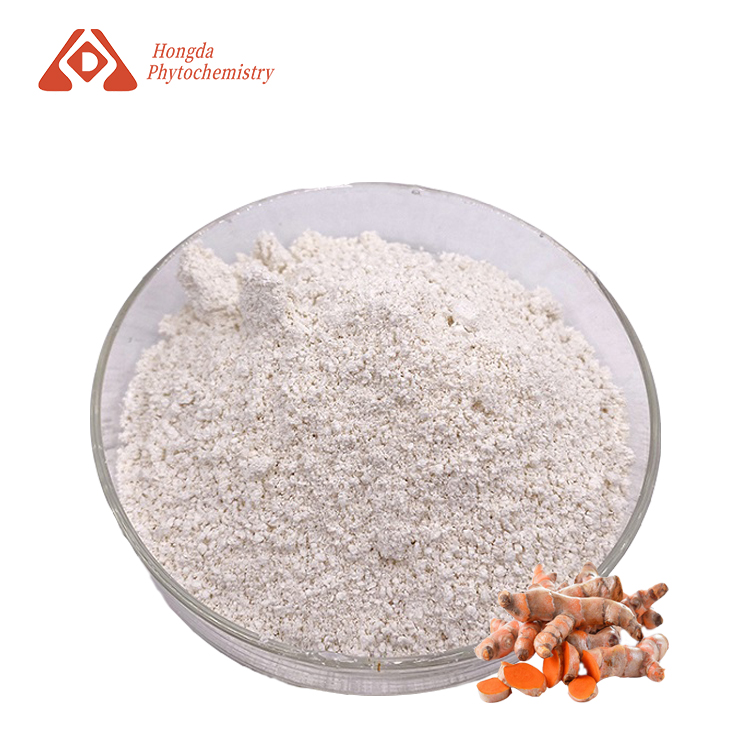
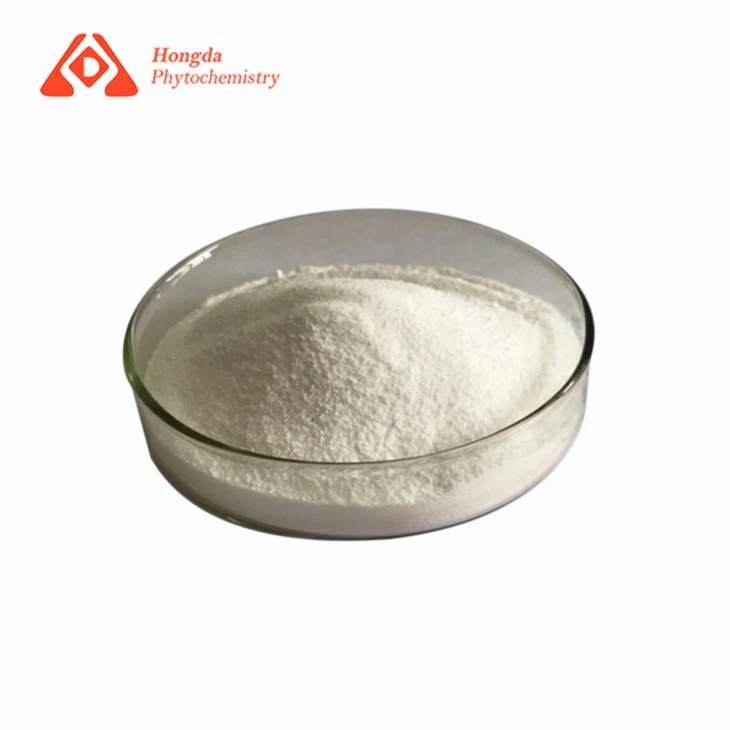
Appearance attributes including colour, particle size, moisture content, and flowability are helpful secondary quality signals for Naringenin Powder. Sometimes a divergence in appearance might be an indication of a processing issue before lab test results are available. A well-made batch will always be a fine white powder with uniform moisture content and flow properties suitable for further production steps such as capsule filling or mixing. Manufacturers that document these physical checks along with chemical testing provide buyers with a more complete picture of quality, and glaring inconsistency in appearance from shipment to shipment is often one of the easiest early warning signs that a supplier’s process controls may not be as tight as their paperwork suggests.
Final Product Release Testing and Documentation
Before any batch of Naringenin Powder ships to a customer, it should pass through a final round of release testing that confirms the finished product actually meets its stated specification.
Certificate of Analysis Review
Each shipment of Naringenin Powder shall be accompanied by a thorough certificate of analysis including purity, appearance, moisture content, heavy metals, pesticide residues, and microbiological testing findings (according to the exact shipping batch number). Buyers should be cautious to verify this paperwork with the original specification they were given, not just to confirm that the figures are within acceptable ranges, but also that the testing process provided does in fact reflect a recognised industry standard such as HPLC for purity verification. An ambiguous COA, one that doesn’t match past shipments, or one that is missing critical testing categories, is a valid cause to ask follow-up questions before admitting a batch into your own supply chain.
Third-Party and SGS Verification
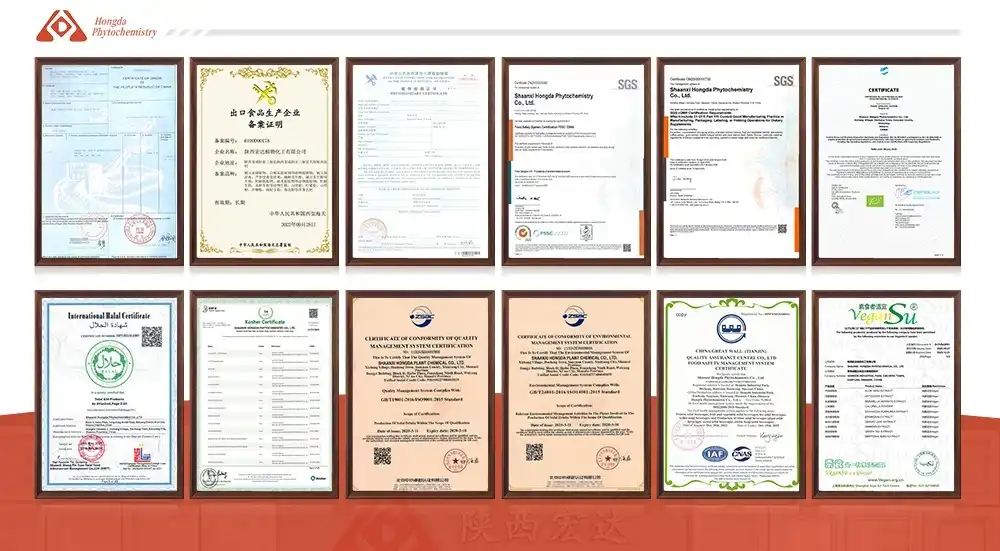
The core of every manufacturer’s quality system is internal testing. But independent third-party verification provides a vital extra level of assurance, especially for customers developing pharmaceutical-grade or luxury consumer goods around Naringenin Powder. SGS accreditation means that the testing methods and quality systems of a facility have been objectively examined against globally recognised standards, rather than accepting self-reported findings. The difference here can be substantial – distinguishing manufacturers who have a quality system audited by a third party from those who simply claim to have a quality system and can test their own products. Buyers need to ask potential suppliers if their laboratory testing is third-party verified and request to see the certification documentation.
Certifications That Confirm System-Wide Quality
Beyond batch-level testing, there are wider-ranging Certifications that will demonstrate if a supplier's entire manufacturing system meets a recognised international quality standard for Naringenin Powder and other botanical extracts such as cGMP, ISO9001, ISO22000, HALAL, KOSHER, BRC, and ORGANIC, depending on the target market requirements. These certifications demand regular audits of the plant and documented quality management procedures, therefore giving purchasers confidence that extends beyond the test findings of any given batch to the operational discipline of the producer as a whole. Requesting current evidence of certifications and ensuring that they have not expired is a basic step that is sometimes forgotten. But it is a process that significantly decreases sourcing risk before committing to a new supplier relationship.
What Buyers Should Ask Before Placing an Order
Understanding the full quality control landscape naturally leads to a practical set of questions buyers should work through before finalizing any Naringenin Powder purchase.
Requesting Sample Testing and Documentation
Before committing to a bulk order, buyers should request a sample of Naringenin Powder along with its accompanying certificate of analysis, ideally testing the sample independently or through their own quality team rather than relying solely on the supplier's documentation. This step reveals whether the actual product matches what's described on paper, catching any discrepancies before they affect a larger production run. Reputable manufacturers are generally responsive to sample requests and comfortable with buyers conducting their own verification testing, since confidence in their own quality systems makes this kind of scrutiny a non-issue rather than something to avoid.
Questions About Traceability and Batch Records
Asking a potential supplier how they maintain traceability from raw material through finished Naringenin Powder reveals a great deal about their overall quality culture, since manufacturers with robust batch record systems can typically trace any shipment back to its specific raw material lot and processing parameters if a quality question ever arises. If your project requires this level of documentation, or a customized testing panel beyond standard release specifications, it's worth discussing directly with your supplier early in the relationship — you can send your specific documentation and traceability requirements to duke@hongdaherb.com and receive guidance on what level of batch record support is available for your particular application. Suppliers willing to engage thoroughly with these questions typically demonstrate the kind of quality culture that translates into consistent product reliability over time.
Evaluating a Supplier's Long-Term QC Track Record
Beyond any single transaction, buyers benefit from evaluating a potential Naringenin Powder supplier's longer track record, including how long they've operated, what certifications they've maintained consistently over time, and whether other customers can speak to consistent quality across multiple orders. A manufacturer with decades of experience and stable certification history generally represents a lower sourcing risk than a newer supplier without an established quality track record, even if initial pricing looks comparable. Building a sourcing relationship around this kind of demonstrated reliability, rather than the lowest quoted price alone, tends to protect both product quality and supply continuity over the life of a formulation.
Conclusion
Verifying quality control at every stage, from raw material screening through final release testing, is essential before sourcing Naringenin Powder for any serious formulation project. Hongda's documented cGMP processes, SGS-verified testing, and full certification support give buyers the transparency needed to source with genuine confidence.
FAQQ1: What purity level should I expect from quality Naringenin Powder?
Reputable suppliers typically offer 98% purity verified through HPLC testing.
Q2: What documentation should accompany every shipment?
A detailed certificate of analysis covering purity, contaminants, and microbial testing, tied to a specific batch number.
Q3: Why does third-party testing matter?
It independently verifies a manufacturer's internal quality claims rather than relying on self-reported data alone.
Q4: What certifications indicate a reliable manufacturer?
Look for cGMP, ISO9001, ISO22000, and relevant international certifications like HALAL or ORGANIC.
Q5: Can I request customized testing or documentation?
Yes, manufacturers like Hongda can often provide additional testing panels or traceability records on request.
Source Verified Naringenin Powder from Hongda
Ready to work with a manufacturer that backs every claim with real documentation? Hongda Phytochemistry offers 98% purity Naringenin Powder with full cGMP compliance, SGS testing, and complete batch traceability. Contact our team at duke@hongdaherb.com to request samples, certificates of analysis, or a customized QC package today.
References
1. United States Pharmacopeia, USP General Chapter <1225> Validation of Compendial Procedures.
2. World Health Organization, "WHO Good Manufacturing Practices for Pharmaceutical Products: Main Principles," WHO Technical Report Series.
3. International Council for Harmonisation, "ICH Q7: Good Manufacturing Practice Guide for Active Pharmaceutical Ingredients."
4. Ho, P.C., Saville, D.J., & Wanwimolruk, S., "Content of CYP3A4 Inhibitors, Naringin, Naringenin and Bergapten in Grapefruit and Grapefruit Juice Products," Pharmaceutical Sciences.
5. Association of Official Analytical Chemists (AOAC International), "Official Methods of Analysis for Botanical Extract Verification."
6. Food and Agriculture Organization of the United Nations, "Codex Alimentarius: Guidelines for the Application of HACCP in Food Production."