Storage Tips: Does S Acetyl L Glutathione Powder Lose Potency Over Time?
2026-08-10 11:05:33
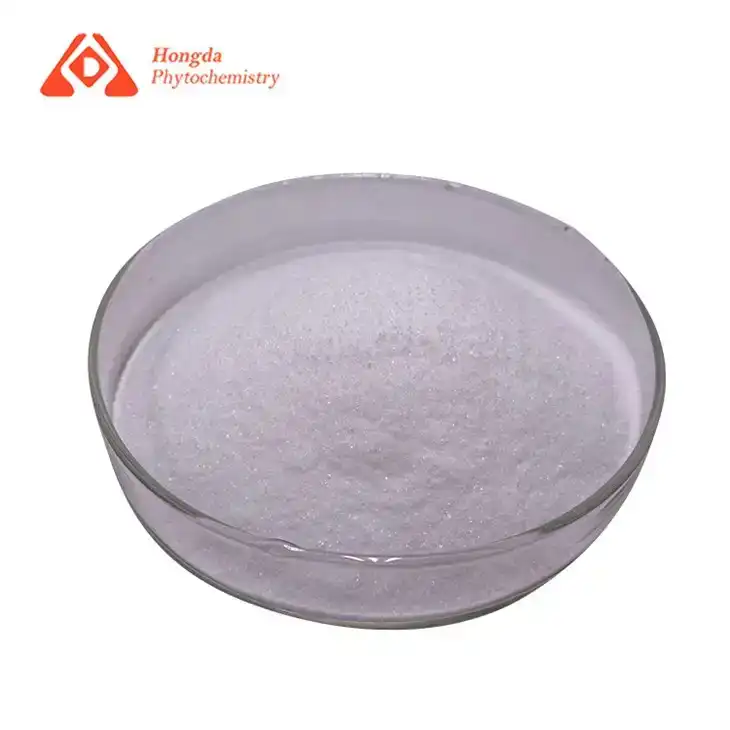
When buyers are stocking up on S Acetyl L Glutathione Powder for a supplement or cosmetic manufacturing run, they typically ask the same practical question: will it still work the way it did on delivery day if it stays in a warehouse for many months? The honest response is quite subjective and that is precisely why Shaanxi Hongda Phytochemistry Co., Ltd. developed its 99% HPLC-verified S Acetyl L Glutathione Powder with a confirmed two year shelf life backed up by genuine stability data not just a printed expiry date In this article, we’ll analyse the real reasons acetylated glutathione loses potency, the storage mistakes that quietly shorten a batch’s active life, and the practical steps that keep this ingredient performing at full strength from the moment it leaves the factory to the day it’s formulated into a finished product.
Does S-Acetyl L-Glutathione Powder Actually Lose Potency? The Science Explained
Before diving into storage tips, it helps to understand why this specific ingredient behaves differently from ordinary glutathione and what actually drives degradation in the first place.
Why Acetylation Improves Stability Compared to Standard Glutathione
Standard reduced glutathione is famously reactive since its free sulphydryl group easily oxidises when exposed to air, moisture, or heat. This is one of the primary reasons why reduced glutathione has traditionally failed as a stable raw material for supplements. S-Acetyl L-Glutathione Powder overcomes most of this issue on the molecular scale, since the acetyl group added during manufacture shields the reactive sulphur site from premature oxidation. Because of this structural difference, the acetylated form usually retains its efficacy longer than reduced glutathione under typical storage settings, although it is not fully proof against degradation when handled carelessly. It’s important for purchasers to know this difference since the assumption that all glutathione powders would perform the same in storage might lead to needless waste or worse, the use of a partly degraded chemical without knowledge.
What Causes Potency Loss in Any Powdered Ingredient
S-Acetyl L-Glutathione Powder is also a rather stable molecule; however, even this may lose efficacy when exposed to the improper mix of environmental variables over time. Usually the main problem is moisture. This may cause hydrolysis events that degrade the active structure of the molecule long before any obvious deterioration occurs. Heat increases almost all degradation pathways by raising the rate of molecular movement and reaction. In addition, photodegradation is the gradual breakdown of sensitive chemicals when exposed to light over extended periods of time. Oxygen exposure is less detrimental to the acetylated form than to reduced glutathione, but still has an effect during long storage periods. None of these variables cause immediate failure, but the cumulative impact over months of incorrect storage is precisely what divides a powder that functions at full label strength from one that silently underperforms.
Specification Table: Shelf Life and Storage Baseline
Every buyer should start from the manufacturer's documented baseline specifications before making their own storage decisions, since these figures reflect controlled stability testing rather than guesswork.
|
ITEMS
|
SPECIFICATIONS
|
TEST RESULTS
|
|
|
Appearance
|
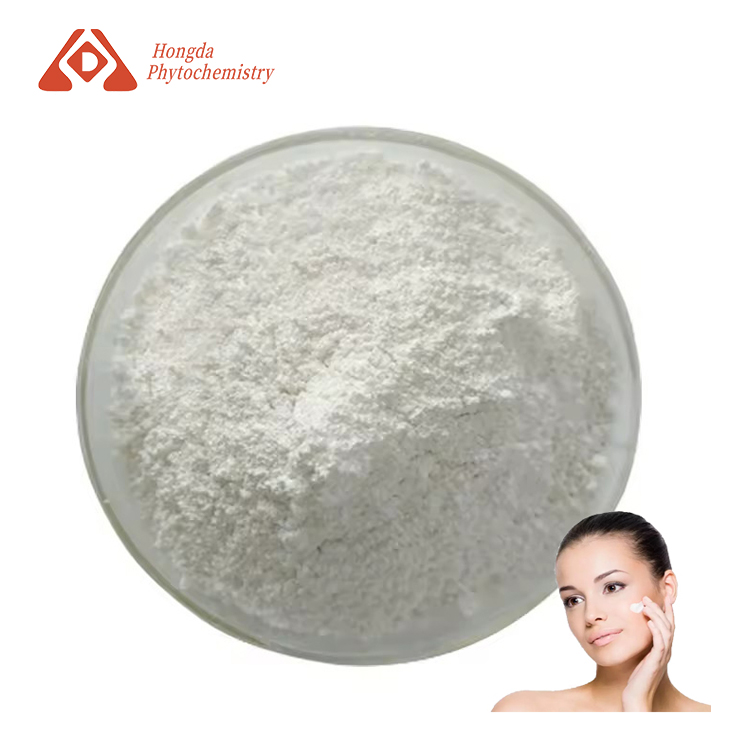
White crystalline powder to white powder
|
white powder
|
|
|
Identification
|
There was a positive response
|
Complies
|
|
|
Odor
|
Characteristic
|
Complies
|
|
|
Taste
|
Characteristic
|
Complies
|
|
|
Assay
|
≥ 98%
|
99.42%
|
|
|
Loss on drying
|
≤5.0%
|
0.61%
|
|
|
Ash
|
≤5.0%
|
0.42%
|
|
|
Particle size
|
90% through 80 mesh
|
100%
|
|
|
Heavy metal
|
≤10ppm
|
<5ppm
|
|
|
Lead(Pb)
|
≤2ppm
|
<2ppm
|
|
|
Arsenic(As)
|
≤1ppm
|
<1ppm
|
|
|
Cadmium(Cd)
|
≤1ppm
|
<1ppm
|
|
|
Mercury(Hg)
|
≤0.5ppm
|
<0.5ppm
|
|
|
Total Plate Count
|
≤1000CFU/g
|
<100cfu/g
|
|
|
Total Yeast & Mold
|
≤100CFU/g
|
<10cfu/g
|
|
|
E.Coli
|
Negative
|
Not Detected
|
|
|
Salmonella
|
Negative
|
Not Detected
|
|
|
Staphylococcus
|
Negative
|
Not Detected
|
|
|
Statement
|
Non-Irradiated, Non-BSE/TES, Non-GMO, Non-Allergen
|
||
|
Conclusion
|
Conforms with the specification.
|
||
|
Storage
|
Closed keep in cool,dry and dark place ;keep from heat and strong light
|
||
The Top Storage Mistakes That Accelerate Degradation
Understanding the science is only useful if it translates into avoiding the everyday mistakes that most commonly shorten this ingredient's effective life in real warehouse and production settings.
Exposure to Moisture and Humidity
The most frequent error while storing S-Acetyl L-Glutathione Powder is probably humidity, especially for warehouses in tropical or coastal areas where the ambient moisture level is high. If a drum is opened and not properly resealed, the powder within may be subject to absorption of air moisture. This can lead to clumping of the product and hasten hydrolytic degradation of the active chemical. This is a particular challenge for facilities that draw small volumes from a big drum over weeks or months, since each opening adds a new dosage of ambient humidity into the container. This danger is greatly reduced by desiccant packs and firmly resealing the container after each use, maintaining the potency levels originally authorised by the manufacturer.
Heat and Temperature Fluctuations
S Acetyl L Glutathione Powder may be vulnerable to temperature changes that accelerate deterioration significantly more quickly than stable, moderate circumstances would if it is stored near heat sources, in poorly insulated warehouses or in shipping containers that are left in the sun during transport. Even if the high temperatures themselves don’t seem too dramatic, the constant variation between warm daytime temperatures and lower nighttime temperatures causes a cycle of expansion and contraction that may weaken packing seals over time, thereby increasing moisture and oxygen exposure as well. If you are a buyer who receives shipments in bulk, you should not assume that any interior space is inherently adequate for storage. You should verify the storage rooms for constant, moderate temperature management, especially in places where the temperatures vary greatly by season.
Light Exposure and Container Choice
Light-sensitive actives like S Acetyl L Glutathione Powder are sensitive to direct sunshine or even extended exposure to bright indoor lighting. And S Acetyl L Glutathione Powder is no exception to this general rule of thumb for light-sensitive actives. Storing goods in transparent or translucent containers or storing drums in front of exposed windows or skylights is an unnecessary danger that may be easily avoided by using suitable opaque Packaging. Manufacturers generally ship this ingredient in sealed drums that offer light protection to help minimise this exposure from the time production is complete, and maintaining that same level of protection through warehousing and eventual use in your own facility preserves the integrity that the original packaging was designed to protect.
Poor Packaging and Repeated Opening
There is a slight exposure to the environment every time a drum of S Acetyl L Glutathione Powder is opened, and opening repeatedly without adequate resealing compounds this danger several times throughout the storage life of a product. Facilities that handle bulk powder and repackage it into smaller, less protective containers for daily production usage can accidentally reduce the ingredient’s effective shelf life if those secondary containers are not similarly airtight and opaque. A simple operational remedy is to establish a clear internal policy for how personnel access and re-seal bulk ingredient containers. This will safeguard potency significantly more successfully than depending on the original packaging alone to compensate for negligent handling downstream.
Best Practices for Storing S Acetyl L Glutathione Powder
Once the common mistakes are clear, building a genuinely effective storage protocol becomes a matter of consistently applying a few straightforward principles.
Ideal Temperature and Humidity Conditions
The most reliable storage approach for S Acetyl L Glutathione Powder is a cool, dry, climate-controlled space away from direct sunlight and moisture sources, generally maintained at stable room temperature rather than allowed to fluctuate with ambient outdoor conditions. Facilities in humid climates benefit significantly from dehumidified storage rooms or, at minimum, sealed containers paired with desiccant packs to control the immediate microenvironment around the product. Avoiding storage near loading docks, exterior walls, or areas prone to condensation further reduces the humidity risk that most commonly compromises bulk ingredient quality over extended storage periods.
Choosing the Right Container and Packaging
Keeping S Acetyl L Glutathione Powder in its original, sealed drum for as long as possible offers the best protection, since manufacturers design this packaging specifically around the stability requirements of the ingredient inside. When transferring smaller quantities for production use, opaque, airtight containers with secure seals should replace the bulk drum rather than leaving product exposed in open bins or lightly covered containers. Labeling secondary containers with the original batch number and receipt date also helps maintain traceability, which becomes particularly important if any quality question arises later in the production process.
Storage Duration Guidelines
Understanding how long S Acetyl L Glutathione Powder can realistically be stored under different conditions helps buyers plan inventory more effectively and avoid holding stock beyond its reliable performance window.
|
Storage Condition
|
Expected Reliable Duration
|
|---|---|
|
Sealed original drum, cool/dry
|
Up to 2 years (per COA)
|
|
Opened, properly resealed
|
Shorter, monitor closely
|
|
Humid/warm environment
|
Reduced, inspect frequently
|
Bulk vs. Small-Batch Storage Considerations
Buyers of S Acetyl L Glutathione Powder in big bulk amounts may have different storage issues than those buying smaller trial batches, since bulk drums are often opened and accessed several times over a longer manufacturing cycle. If you are running a big volume business, you may break down one large drum into multiple smaller containers upon arrival, each sealed separately. This can help with long-term potency retention, since each successive container will stay sealed until required, rather than being frequently opened and exposed. In contrast, purchasers of smaller batches may go through their whole order in a shorter time period, thereby lowering cumulative exposure risk via quicker turnover; however, the same fundamental humidity and temperature precautions apply regardless of order size.
How to Verify Potency Before and After Storage
Storage best practices decrease risk, but real potency verification offers purchasers solid proof that their S Acetyl L Glutathione Powder still satisfies specifications before it goes into a production run.
Reading a Certificate of Analysis
A good batch of S Acetyl L Glutathione Powder should have a certificate of analysis to prove it’s pure (usually 99% pure by HPLC) and also be tested for heavy metals, residual solvents, and microbiological contamination. Long-term storage of a batch requires the buyers to check this documentation with their own retention samples. If an ingredient is correctly kept, it should still match the original COA values within acceptable tolerance. Keeping clean records of COA’s together with batch numbers and receipt dates makes this comparison easy and provides quality teams with a clear audit trail should any potency concern emerge in a later production cycle.
Third-Party Testing and HPLC Verification
For purchasers who are dealing with extremely extended storage periods or high-stakes pharmaceutical applications, having stored S Acetyl L Glutathione Powder subjected to independent third-party HPLC testing in addition to the original manufacturer’s paperwork gives an additional degree of reassurance. This kind of verification is particularly helpful before committing an older batch to a big production run since it verifies real current potency and not a shelf-life estimate written at the time of shipping. This step won't be needed for every buyer for recurring reorders, but it's a good investment any time storage conditions have been less than ideal, or a batch is reaching the upper limit of its reported shelf life.
Signs Your Powder May Have Degraded
Formal testing is the most reliable way, although several obvious symptoms may indicate that stored S Acetyl L Glutathione Powder is no longer meeting its original specification. Clumping, discolouration, or a strange smell relative to a newly opened reference sample are all good red flags to look into further before use. While these physical changes don't always align perfectly with a reduction in potency, they are a good early sign that encourages a deeper inspection by competent laboratory testing instead of thinking the product is still entirely potent just because the expiry date hasn't formally passed.
Why Sourcing from a Certified Manufacturer Protects Potency
Good storage habits only work as well as the quality of the ingredient entering your warehouse in the first place, which is why the manufacturer you choose matters just as much as how you store the product afterward.
Hongda's Quality Control from Extraction to Packaging
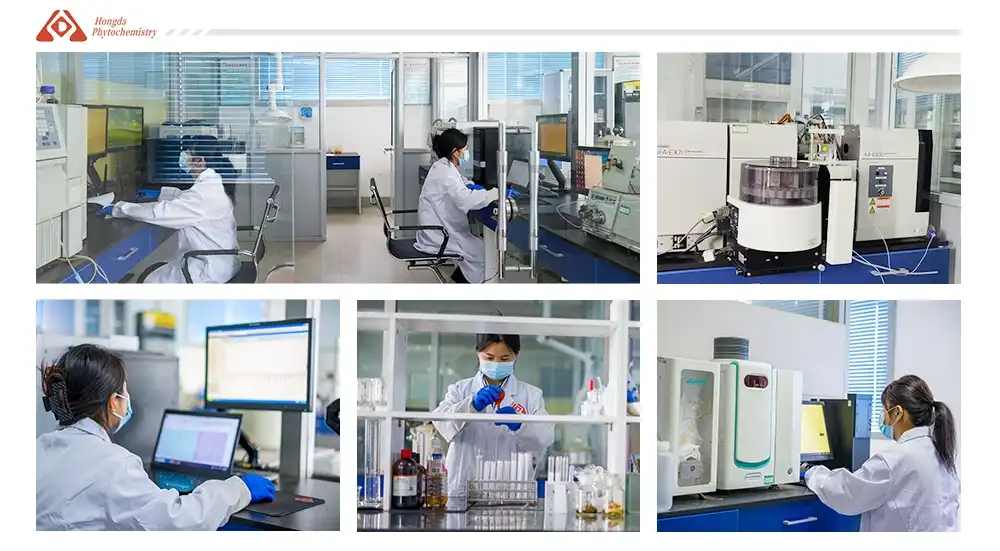
Each batch of Shaanxi Hongda Phytochemistry S Acetyl L Glutathione Powder is lab-tested by SGS before packaging & shipping, from production in cGMP-compliant facilities. This rigorous method, along with meticulous moisture-guard packaging from the end of manufacturing, offers the ingredient the greatest possible start to retain its proven two-year shelf life. A continuing quality standard is overseen by a research team of more than twenty academics, so that the acetylation process itself is managed precisely enough to give the stability benefits this chemical is prized for in the first place.
Reliable Documentation and Global Shipping Standards
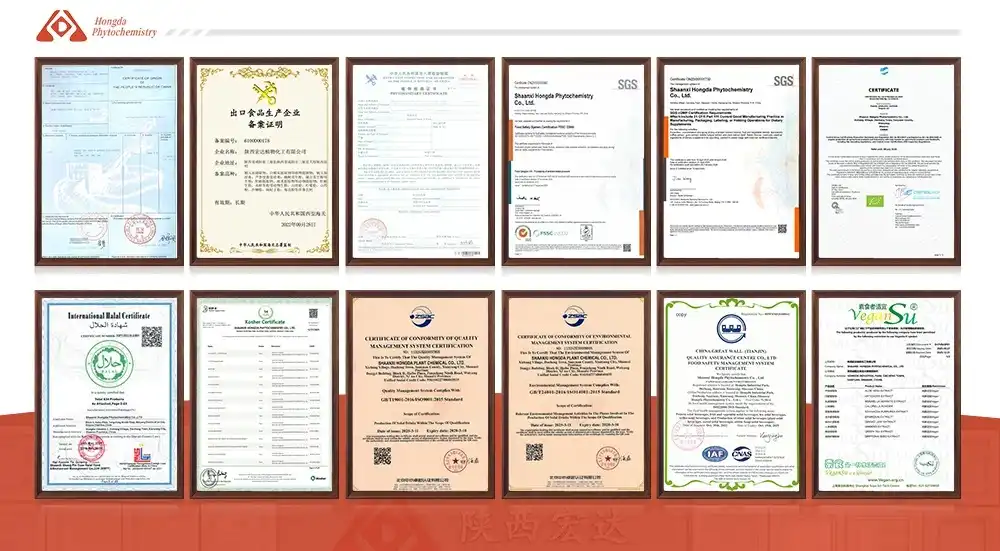
Packing and paperwork for foreign buyers of S Acetyl L Glutathione Powder should consider lengthy travel periods, customs procedures, and different shipping circumstances en route. Hongda’s expertise with exports to Europe, North America and Asia means shipments are prepared with these realities in mind, with sealed, moisture-resistant barrels intended to safeguard potency even when shipping circumstances aren’t completely regulated. Each shipment comes with full documentation including certificates of analysis and applicable Certifications such as cGMP, ISO9001 and ISO22000 so that the buyer has the documentation to verify the quality of the cargo upon arrival and to set the baseline for storage going forward.
Customization and Support for Long-Term Storage Needs
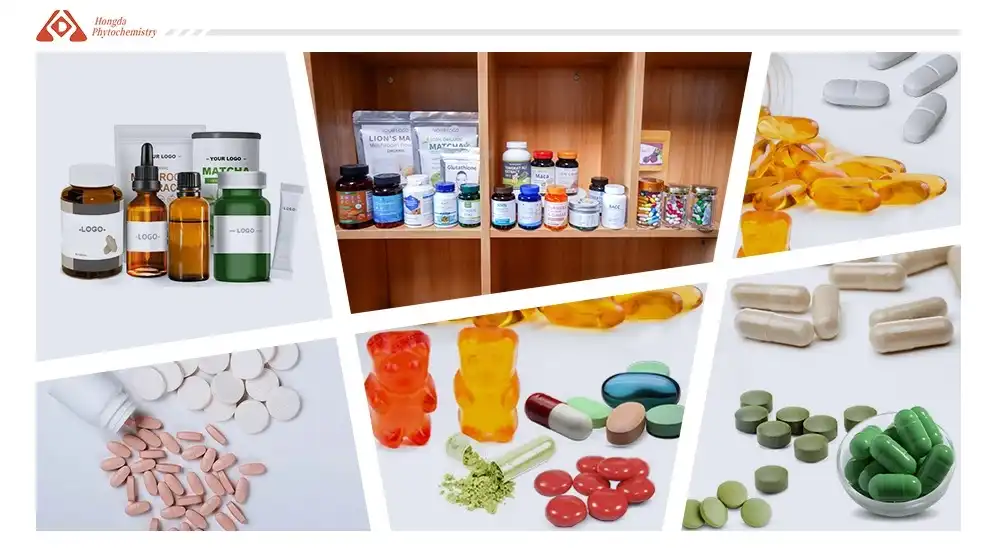
Buyers with specific storage or logistics constraints, such as needing smaller pre-divided packaging to reduce repeated drum openings, can often work directly with their supplier to accommodate these requirements rather than adapting standard bulk packaging after the fact. If your production schedule or warehouse conditions call for a customized packaging format for S Acetyl L Glutathione Powder, it's worth reaching out directly, since Hongda regularly adjusts drum sizing and packaging materials based on individual customer needs — simply send your storage and volume requirements to duke@hongdaherb.com and the technical team will recommend a packaging approach suited to your specific operation. This kind of practical, responsive support, backed by a 24-hour customer service team, often makes the difference between an ingredient that performs consistently and one that quietly underdelivers due to avoidable storage issues.
Conclusion
S Acetyl L Glutathione Powder holds its potency well when protected from moisture, heat, and light, with proper sealed storage supporting its full two-year shelf life. Hongda's certified manufacturing, protective packaging, and responsive customization ensure buyers receive an ingredient built to stay effective from factory to formulation.
FAQQ1: How long does S Acetyl L Glutathione Powder typically last?
Under proper sealed, cool, dry storage, it generally maintains potency for up to two years.
Q2: What's the biggest risk to its stability during storage?
Moisture exposure is the most common cause of premature degradation.
Q3: Is it more stable than standard reduced glutathione?
Yes, the acetyl group protects the reactive sulfur site, improving overall storage stability.
Q4: How can I verify potency after long-term storage?
Compare a current sample against the original certificate of analysis or commission third-party HPLC testing.
Q5: Can packaging be customized for easier storage?
Yes, Hongda offers customized drum sizes and packaging based on customer storage needs.
Partner with Hongda for Reliable S Acetyl L Glutathione Powder
Protect your production timeline with S Acetyl L Glutathione Powder built for real-world storage conditions. Hongda's cGMP-certified manufacturing, protective packaging, and full documentation help ensure your ingredient performs consistently from delivery through formulation. Contact our technical team at duke@hongdaherb.com to request samples, storage guidance, or a customized packaging quote today.
References
1. Richie, J.P. et al., "Randomized Controlled Trial of Oral Glutathione Supplementation on Body Stores of Glutathione," European Journal of Nutrition.
2. United States Pharmacopeia, USP General Chapter <1150> Pharmaceutical Stability.
3. World Health Organization, "Stability Testing of Active Pharmaceutical Ingredients and Finished Pharmaceutical Products," WHO Technical Report Series.
4. International Council for Harmonisation, "ICH Q1A(R2): Stability Testing of New Drug Substances and Products."
5. Sonthalia, S. et al., "Glutathione for Skin Lightening: A Regnant Myth or Evidence-Based Verity?" Dermatology Practical & Conceptual.
6. Sen, C.K. & Packer, L., "Thiol Homeostasis and Supplements in Physical Exercise," American Journal of Clinical Nutrition.