Is It Safe To Drink Matcha Powder Every Day?
2025-08-30 10:46:18
Matcha, a finely ground powder made from specially grown and processed green tea leaves, has gained immense popularity in recent years due to its unique flavor and potential health benefits. As more people incorporate matcha into their daily routines, a common question arises: Is it safe to drink matcha powder every day? This blog post will explore the safety, benefits, and potential considerations of consuming matcha on a regular basis, with a particular focus on organic matcha powder.
What are the benefits of drinking organic matcha powder daily?
Drinking organic matcha powder daily can offer a wide range of potential health benefits, thanks to its unique composition and preparation method. Unlike traditional green tea, matcha involves consuming the entire tea leaf, which means you're getting a more concentrated dose of nutrients and beneficial compounds.
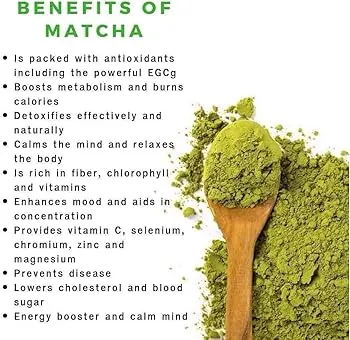
One of the primary benefits of organic matcha powder is its high antioxidant content. Matcha is particularly rich in catechins, a class of plant compounds that act as natural antioxidants. These antioxidants help protect the body against free radical damage, which is associated with various chronic diseases and premature aging. The most abundant catechin in matcha is epigallocatechin gallate (EGCG), which has been studied for its potential anti-cancer, anti-inflammatory, and neuroprotective properties.
Regular consumption of organic matcha powder may also support heart health. Studies have shown that the catechins in green tea can help lower bad LDL cholesterol and triglycerides while increasing good HDL cholesterol. This favorable shift in lipid profile may contribute to a reduced risk of cardiovascular diseases. Additionally, some research suggests that the compounds in matcha may help lower blood pressure, further supporting cardiovascular health.
Another significant benefit of drinking organic matcha powder daily is its potential to enhance cognitive function and mental clarity. Matcha contains L-theanine, an amino acid that promotes relaxation without drowsiness. When combined with the natural caffeine in matcha, L-theanine can provide a state of calm alertness, improving focus, concentration, and overall cognitive performance. This unique combination makes matcha an excellent alternative to coffee for those seeking a more balanced energy boost.
Weight management is another area where daily consumption of organic matcha powder may be beneficial. The catechins in matcha, particularly EGCG, have been shown to boost metabolism and increase fat oxidation. This means that incorporating matcha into a balanced diet and exercise routine may support weight loss or weight maintenance efforts. Moreover, matcha is virtually calorie-free when consumed without added sweeteners or milk, making it an excellent beverage choice for those watching their calorie intake.
Organic matcha powder is also a good source of various vitamins and minerals. It contains vitamin C, selenium, chromium, zinc, and magnesium, all of which play essential roles in maintaining overall health. The chlorophyll content in matcha, responsible for its vibrant green color, is believed to have detoxifying properties and may support the body's natural detoxification processes.
Lastly, drinking organic matcha powder daily may contribute to better oral health. The catechins in matcha have been shown to have antibacterial properties that can help reduce the growth of harmful bacteria in the mouth, potentially lowering the risk of tooth decay and bad breath.
How much organic matcha powder is safe to consume per day?
While organic matcha powder offers numerous potential health benefits, it's essential to consume it in moderation. The safe amount of matcha to consume daily can vary depending on individual factors such as age, health status, caffeine sensitivity, and overall diet. However, there are some general guidelines to consider.
Most experts recommend consuming 1-2 cups of matcha per day as a safe and beneficial amount. This typically translates to about 1-2 teaspoons of matcha powder daily. It's important to note that matcha contains caffeine, with one cup (made with 1 teaspoon of powder) containing approximately 70mg of caffeine. This is less than a cup of coffee but more than regular green tea.
For those new to matcha or sensitive to caffeine, it's advisable to start with smaller amounts and gradually increase intake. Begin with half a teaspoon (about 1 gram) of matcha powder per day and observe how your body responds. If you tolerate it well, you can slowly increase to 1-2 teaspoons per day.
Pregnant women, breastfeeding mothers, and individuals with certain health conditions should consult their healthcare provider before adding matcha to their daily routine. The caffeine content in matcha may not be suitable for everyone, and some medications may interact with compounds in green tea.
It's also worth noting that the time of day you consume matcha can impact its effects. Due to its caffeine content, it's generally recommended to enjoy matcha earlier in the day to avoid potential sleep disturbances. Some people find that consuming matcha in the afternoon can provide a gentle energy boost without interfering with sleep, but this can vary individually.
When determining your daily matcha intake, consider your overall caffeine consumption from other sources like coffee, tea, and chocolate. The FDA recommends that healthy adults consume no more than 400mg of caffeine per day. Keeping track of your total caffeine intake can help ensure you're not exceeding safe limits.
Quality is another crucial factor when it comes to safe matcha consumption. Choosing organic matcha powder is particularly important, as it ensures that the tea leaves are grown without the use of synthetic pesticides or fertilizers. This reduces the risk of consuming harmful chemicals along with your daily matcha.
Lastly, pay attention to how your body responds to regular matcha consumption. While many people experience positive effects, some may notice side effects such as jitters, anxiety, or digestive discomfort. If you experience any adverse effects, it's best to reduce your intake or discontinue use and consult a healthcare professional.
Can drinking organic matcha powder have any side effects?
While organic matcha powder is generally considered safe for most people when consumed in moderation, it's important to be aware of potential side effects, especially if consumed in large quantities or by individuals with certain health conditions.
One of the primary concerns with matcha consumption is its caffeine content. While matcha typically contains less caffeine than coffee, it still has a significant amount. Excessive caffeine intake can lead to side effects such as insomnia, nervousness, restlessness, increased heart rate, and digestive issues. Some people may be more sensitive to caffeine and experience these effects even with moderate consumption.
The high concentration of catechins in matcha, while generally beneficial, can potentially cause issues for some individuals. In very high doses, catechins may affect iron absorption from plant sources. This is particularly relevant for people with iron-deficiency anemia or those at risk of iron deficiency. To mitigate this potential effect, it's advisable to consume matcha between meals rather than with iron-rich foods.
Another consideration is the potential for matcha to interact with certain medications. The compounds in green tea, including those in matcha, may interact with various drugs, including but not limited to blood thinners, blood pressure medications, and some antibiotics. If you're taking any medications, it's crucial to consult with your healthcare provider before incorporating daily matcha consumption into your routine.
Some people may experience digestive discomfort when consuming matcha, especially on an empty stomach. This can include symptoms like nausea, stomach upset, or diarrhea. If you notice these effects, try consuming matcha with food or reducing your intake.
While rare, some individuals may be allergic to compounds in green tea. Allergic reactions can range from mild (such as itching or hives) to severe (such as difficulty breathing or anaphylaxis). If you experience any signs of an allergic reaction after consuming matcha, discontinue use immediately and seek medical attention.
The oxalate content in matcha is another factor to consider. Oxalates are compounds that can contribute to kidney stone formation in susceptible individuals. While the oxalate content in matcha is generally lower than in other teas, people with a history of kidney stones or those at high risk should consult their doctor about their matcha consumption.
Lastly, it's worth noting that the quality of the matcha powder can impact its potential side effects. Lower quality matcha may contain higher levels of lead due to the tea plant's ability to absorb lead from the soil. This is why choosing organic, high-quality matcha from reputable sources is crucial for daily consumption.

In conclusion, while drinking organic matcha powder every day can offer numerous health benefits, it's essential to approach its consumption mindfully. Pay attention to your body's responses, start with small amounts, and gradually increase if desired. Choose high-quality, organic matcha powder to minimize exposure to contaminants, and be aware of potential interactions with medications or existing health conditions. By doing so, you can safely enjoy the unique flavor and potential health benefits of this vibrant green tea powder as part of your daily routine.
Hongda Phytochemistry Co., Ltd., part of the Hongda Herb Chemical Group, leverages over 30 years of expertise as a professional ingredients manufacturer. Located across a sprawling 20,000 square meters, our advanced facilities include cutting-edge extraction equipment and a certified SGS laboratory, ensuring stringent quality control. We pride ourselves on fostering industry-university-research collaborations with prestigious domestic institutions such as Northwest Agriculture and Forestry University, China Agricultural University, and Shaanxi University of Chinese Medicine.
This collaborative approach drives our business model, emphasizing scientific research, development, and market responsiveness. Specializing in organic matcha powder, meticulously extracted and refined from high-purity Japanese tea leaves, we offer OEM customized Packaging solutions. As a trusted name in the industry, Hongda Phytochemistry Co., Ltd. invites you to explore partnership opportunities. Contact Us at duke@hongdaherb.com to begin a fruitful collaboration.
References:
1. Weiss, D. J., & Anderton, C. R. (2003). Determination of catechins in matcha green tea by micellar electrokinetic chromatography. Journal of Chromatography A, 1011(1-2), 173-180.
2. Xu, P., Ying, L., Hong, G., & Wang, Y. (2016). The effects of the aqueous extract and residue of Matcha on the antioxidant status and lipid and glucose levels in mice fed a high-fat diet. Food & Function, 7(1), 294-300.
3. Dietz, C., Dekker, M., & Piqueras-Fiszman, B. (2017). An intervention study on the effect of matcha tea, in drink and snack bar formats, on mood and cognitive performance. Food Research International, 99, 72-83.
4. Fujioka, K., Iwamoto, T., Shima, H., Tomaru, K., Saito, H., Ohtsuka, M., ... & Manome, Y. (2016). The powdering process with a set of ceramic mills for green tea promoted catechin extraction and the ROS inhibition effect. Molecules, 21(4), 474.
5. Kochman, J., Jakubczyk, K., Antoniewicz, J., Mruk, H., & Janda, K. (2021). Health Benefits and Chemical Composition of Matcha Green Tea: A Review. Molecules, 26(1), 85.
6. Sugiyama, T., & Sadzuka, Y. (2004). Theanine, a specific glutamate derivative in green tea, reduces the adverse reactions of doxorubicin by changing the glutathione level. Cancer Letters, 212(2), 177-184.
7. Willems, M. E. T., Şahin, M. A., & Cook, M. D. (2018). Matcha Green Tea Drinks Enhance Fat Oxidation During Brisk Walking in Females. International Journal of Sport Nutrition and Exercise Metabolism, 28(5), 536-541.
8. Mousavi, A., Vafa, M., Neyestani, T., Khamseh, M., & Hoseini, F. (2013). The effects of green tea consumption on metabolic and anthropometric indices in patients with Type 2 diabetes. Journal of Research in Medical Sciences, 18(12), 1080-1086.
9. Kuriyama, S., Shimazu, T., Ohmori, K., Kikuchi, N., Nakaya, N., Nishino, Y., ... & Tsuji, I. (2006). Green tea consumption and mortality due to cardiovascular disease, cancer, and all causes in Japan: the Ohsaki study. JAMA, 296(10), 1255-1265.
10. Cabrera, C., Artacho, R., & Giménez, R. (2006). Beneficial effects of green tea-a review. Journal of the American College of Nutrition, 25(2), 79-99.





_1767163769662.webp "Alpha Lipoic Acid Powder")