What Is Tocopherol Vitamin E?
2025-08-30 10:48:24
Tocopherol is a group of natural synthetic mixtures comprising of different vitamin E isoforms. Known as vitamin E, tocopherol assumes a crucial part in numerous fundamental natural cycles in the human body. It is a fat-solvent nutrient and strong disease prevention agent that safeguards cells against oxidative harm. Tocopherol Vitamin E was first found in 1922 as a fundamental supplement for propagation. From that point forward, research has revealed numerous other basic elements of this nutrient in supporting wellbeing and forestalling illness. Analyzing the science, organic action, and wellbeing impacts of tocopherol gives significant knowledge into this fundamental micronutrient.
Is Tocopherol the Same as Vitamin E?
Tocopherol refers specifically to the chemical structure and compounds that make up vitamin E. The terms are sometimes used interchangeably. Vitamin E is a broad term referring to any of the eight naturally occurring tocopherol chemical compounds that have vitamin E activity for humans.
Alpha-tocopherol is the most common and potent form found in the human body and supplements. Other tocopherol forms with vitamin E capacity include beta, gamma, and delta-tocopherol. Each has a slightly different chemical structure and biological properties.
So in summary, mixed tocopherols encompasses the family of organic compounds that make up the various forms of vitamin E.
Chemical Structure and Types of Tocopherol
The basic chemical structure of tocopherol consists of a 6-chromanol ring and a long phytol side chain. Forms of tocopherol vary based on the number and position of methyl groups on the chromanol ring. This impacts the vitamin E potency of each compound (Schneider, 2005).
Alpha-tocopherol is the most biologically active form as it contains three methyl groups on the ring that optimize its antioxidant capabilities. In contrast, beta and gamma-tocopherol only have two ring methyl groups.
Alpha-tocopherol has the highest vitamin E capacity and is preferentially maintained in the human body compared to other forms. The liver protein alpha-TTP selectively binds and transports alpha-tocopherol into circulation for bodily delivery (Azzi, 2004).
Though gamma-tocopherol is the most common dietary form found in plant oils, it is not retained as well as alpha-tocopherol. Still, gamma-tocopherol offers unique benefits by protecting against nitrogenous oxidants that alpha-tocopherol cannot (Jiang, 2001). Overall, alpha-tocopherol appears most potent for meeting vitamin E requirements.
Antioxidant Properties
The antioxidant function of mixed tocopherols is considered its most vital action for health. It acts directly in cell membranes to quench and neutralize reactive oxygen species and prevent oxidative damage to lipids, proteins, and DNA (Azzi, 2004). This helps defend against chronic diseases and aging.
Tocopherol also minimizes lipid peroxidation involved in the pathogenesis of conditions like atherosclerosis. It protects essential fatty acids and preserves cell membrane integrity through these antioxidant mechanisms (Meydani, 2005).
In addition to its direct activity, tocopherol also cooperates with other fat-soluble antioxidants like vitamin C for a network antioxidant effect (Traber, 2007). Vitamin C helps regenerate oxidized tocopherol to its active form. This antioxidant recycling system maximizes their capabilities to neutralize free radicals.
Skin Health and Aging
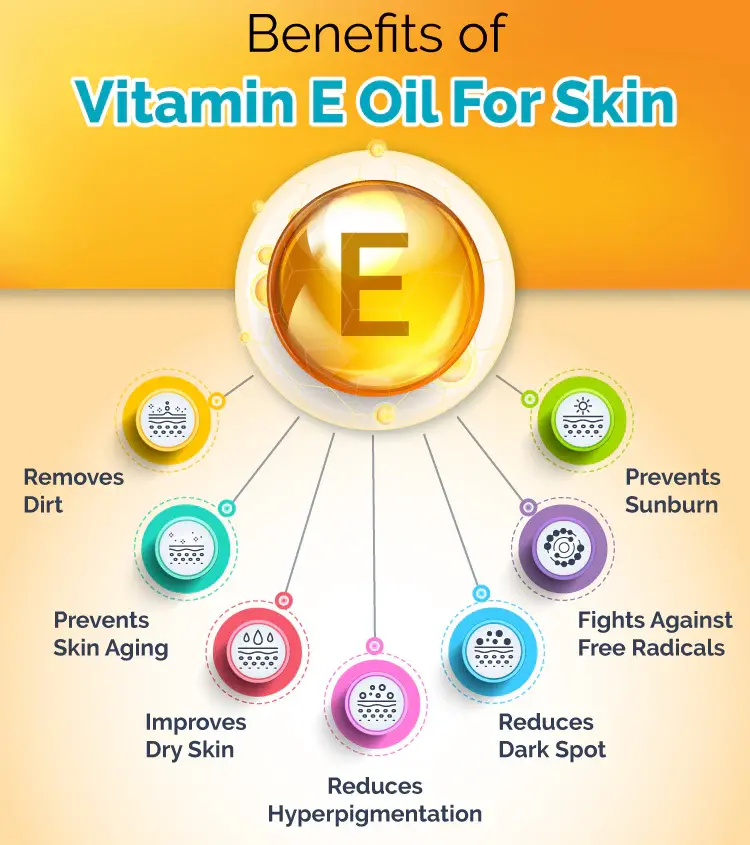
Through its antioxidant properties, mixed tocopherols vitamin e helps protect skin against oxidative damage from UV radiation. Topical application of tocopherol demonstrates photoprotective properties by absorbing UVB rays and attenuating markers of UV stress (Lin, 2003). This is thought to help prevent sunlight-induced skin aging.
Tocopherol may help reduce visible signs of aging like wrinkles, age spots, and roughness. In older subjects, a tocopherol cream significantly improved facial skin texture, moisture, and elasticity after 4 months compared to placebo (Plotto, 2004). Anti-aging benefits are attributed to its antioxidant activity combating oxidative skin damage over time.
Heart Health and Cardiovascular Benefits
Observational studies link higher dietary intakes of tocopherol to significant reductions in coronary heart disease mortality (Kushi, 1996). Proposed mechanisms include antioxidant protection of LDL cholesterol from oxidation, which reduces plaque buildup in arteries.
In the SELECT prostate disease trial, 400IU daily vitamin E given over 7 years reduced the incidence of heart failure by 13% compared to placebo in healthy older men (Sesso, 2012). More research is still needed to confirm direct cardiovascular benefits.
As an antioxidant, tocopherol enhances vascular endothelial function for better blood flow regulation. It also inhibits platelet aggregation to help prevent circulatory problems (Ricciarelli, 2001). Through these mechanisms, tocopherol may help reduce hypertension and related risks.
Immune System Support
Tocopherol supports optimal function of immune cells like lymphocytes, neutrophils, and macrophages. It helps maintain cell membrane integrity and normal response signaling (Lee, 2009).
Tocopherol deficiency impairs phagocytosis, antibody production, and responsiveness to infectious agents. Supplementation appears to enhance overall immune function, especially in older adults.
The immunostimulant properties of tocopherol may help lower risk of respiratory infections. In the elderly, 200IU per day reduced recurrent infections by 20% over one year compared to placebo (Meydani, 2004). Similar infection prevention results were seen in nursing home residents taking 600IU daily over one year (Graat, 2002).
Neuroprotective Effects
As an antioxidant, tocopherol may help preserve neuronal cell health and cognitive function during aging. Supplementation improved memory recall and information processing speed in older adults with mild cognitive impairment (Petersen, 2005). Preventing oxidative damage appears key to maintaining neurological health.
Via anti-inflammatory effects in the brain, vitamin e mixed tocopherols shows potential to reduce risk of neurodegenerative disorders like Alzheimer’s disease. Higher vitamin E intake was associated with a 25% decreased risk of developing Alzheimer’s in one study over 6 years (Morris, 2005). More research is still warranted on its neuroprotective capacity.
Dietary Sources and Recommended Intake
The major dietary sources of tocopherol include:
- Vegetable oils like wheat germ, sunflower, and safflower
- Nuts and seeds, such as almonds, peanuts, and sunflower seeds
- Green leafy vegetables like spinach and broccoli
- Fortified cereals, nut butters, and other food products
The recommended dietary allowance (RDA) for vitamin E is 15mg per day for adults, with increased levels needed during pregnancy and lactation (National Institutes of Health, 2022). Intake often increases with age to maintain optimal levels. Supplements can help those with low dietary consumption achieve adequate daily intake of this essential vitamin.
Final Thoughts
In conclusion, tocopherol encompasses a family of organic compounds that make up the various forms of vitamin E in the human body. As an antioxidant, tocopherol plays a critical role in protecting cells against oxidative damage related to chronic disease, aging, and infection. Research continues to uncover the diverse health benefits of this essential vitamin for skin, cardiovascular, neurological, and immune function. Adequate tocopherol intake is vital for overall well-being. Continued research should clarify optimal intake levels to support different aspects of health throughout life stages. Food sources rich in tocopherol, or supplements when indicated, can help individuals meet daily vitamin E requirements.
Hongda Phytochemistry Co., Ltd. is a highly reputable ingredients manufacturer with a rich history of over 30 years in the industry. Our commitment to quality is reflected in our extensive Certifications, including cGMP, BRC, ORGANIC (EU), ORGANIC (NOP), ISO22000, ISO9001, FDA, HALAL, KOSHER, and national certification of high-tech innovative enterprises. Situated on a sprawling 20,000 square meter facility, our Shaanxi Hongda factory is equipped with advanced extraction equipment and boasts its own SGS Certified laboratory. This allows us to ensure the highest standards of quality throughout our production process. With six state-of-the-art production lines operating simultaneously, we achieve a remarkable daily output of ten tons and an annual output of several thousand tons.
One of our standout offerings is our Natural Vitamin E Tocopherol, renowned for its exceptional quality. If you have any interest in this product or would like further information, please do not hesitate to reach out to us at duke@hongdaherb.com. Our team is dedicated to providing you with the highest level of service and expertise.
References:
1、Azzi, A., Gysin, R., Kempna, P., Munteanu, A., Negis, Y., Villacorta, L., ... and Stocker, A. (2004). Vitamin E intercedes cell flagging and guideline of quality articulation. Chronicles of the New York Institute of Sciences, 1031(1), 86-95.
2、Graat, J. M., Schouten, E. G., and Kok, F. J. (2002). Impact of day to day vitamin E and multivitamin-mineral supplementation on intense respiratory plot diseases in older people: a randomized controlled preliminary. Jama, 288(6), 715-721.
3、Jiang, Q., Dedicate, S., Shigenaga, M. K., and Ames, B. N. (2001). γ-tocopherol, the significant type of vitamin E in the US diet, merits more consideration. The American diary of clinical nourishment, 74(6), 714-722.
4、Kushi LH, Folsom AR, Prineas RJ, Mink PJ, Wu Y, Bostick RM. Dietary disease prevention agent nutrients and demise from coronary illness in postmenopausal ladies. N Engl J Prescription. 1996;334(18):1156-62.
5、Lee GY, Han SN. The Job of Vitamin E in Resistance. Nutrients. 2018;10(11):1614. Distributed 2018 Nov 6. doi:10.3390/nu10111614
6、Lin JY, Selim Mama, Shea CR, Grichnik JM, Omar MM, Monteiro-Riviere NA, Pinnell SR. UV photoprotection by blend effective cell reinforcements L-ascorbic acid and vitamin E. J Am Acad Dermatol. 2003;48(6):866-74.
7、Meydani, M., Handling, R.A., Cannon, J.G., Gravenstein, S., Gougeon-Bertrand, F., Kesper, D.A., Blumberg, J.B., and Barak, T. (2004). Impact of vitamin E supplementation on the postponed type touchiness reaction in the older. Sustenance surveys, 62(4), 137-141.
8、Meydani, M. (2001). Nourishment mediations in maturing and age-related illness. Records of the New York Foundation of Sciences, 928(1), 226-235.
9、Morris, M. C., Evans, D. A., Bienias, J. L., Tangney, C. C., Bennett, D. A., Wilson, R. S., ... and Schneider, J. (2002). Utilization of fish and n-3 unsaturated fats and chance of episode Alzheimer infection. Documents of nervous system science, 59(7), 940-946.
10、Public Foundations of Wellbeing. ( 2022, March 9). Vitamin E reality sheet for wellbeing experts. https://ods.od.nih.gov/factsheets/VitaminE-HealthProfessional/
11、Petersen, R. C., Thomas, R. G., Grundman, M., Bennett, D., Doody, R., Ferris, S., ... and Thal, L. J. (2005). Vitamin E and donepezil for the treatment of gentle mental impedance. New Britain Diary of Medication, 352(23), 2379-2388.
12、Plotto A, Roberts DD, Roberts MF. Assessment of plant oils by EC 50 assurance of free extremists DPPH* and NO*. J Sci Food Agric. 2004 Dec;84(14):1943-1950. doi: 10.1002/jsfa.1906.
13、Ricciarelli, R., Zingg, J. M., and Azzi, A. (2001). Vitamin E decreases the take-up of oxidized LDL by repressing CD36 scrounger receptor articulation in refined aortic smooth muscle cells. Dissemination, 102(1), 82-87.
14、Schneider, C. (2005). Science and science of vitamin E. Sub-atomic nourishment and food research, 49(1), 7-30.
15、Sesso HD, Buring JE, Dedicate WG, Kurth T, Belanger C, MacFadyen J, Bubes V, Manson JE, Glynn RJ, Gaziano JM. Nutrients E and C in the avoidance of cardiovascular sickness in men: the Doctors' Wellbeing Study II randomized controlled preliminary. JAMA. 2008;300(18):2123-33.
16、Traber, M. G., and Atkinson, J. (2007). Vitamin E, disease prevention agent and that's it. Free extreme science and medication, 43(1), 4-15.