Is Choline Bitartrate The Same As Choline?
2025-08-30 10:59:43
Choline is an essential nutrient that plays various critical roles in the human body, from cell structure integrity to neurotransmitter synthesis. As our bodies can only produce small amounts of choline on its own, adequate dietary intake is vital.
Choline deficiency is relatively common, driving interest in choline supplements like choline bitartrate. But is choline bitartrate the same as choline? Keep reading to understand the relationship between this popular supplemental form and choline itself.
An Overview of Choline
First, a quick overview of choline itself. Choline is considered an essential nutrient because our liver produces choline in very small, insufficient quantities for the body’s daily requirements (1).
The adequate intake (AI) level for choline is set at 550 mg per day for men and 425 mg daily for women (2). Deficiency is thought to be common due to suboptimal dietary intake.
In the body, choline acts as a precursor for the neurotransmitter acetylcholine and is a constituent of structural phospholipids that make up our cell membranes (3). It’s also involved in methylation reactions, fat transport and metabolism, and gene expression (4).
What is Choline Bitartrate?
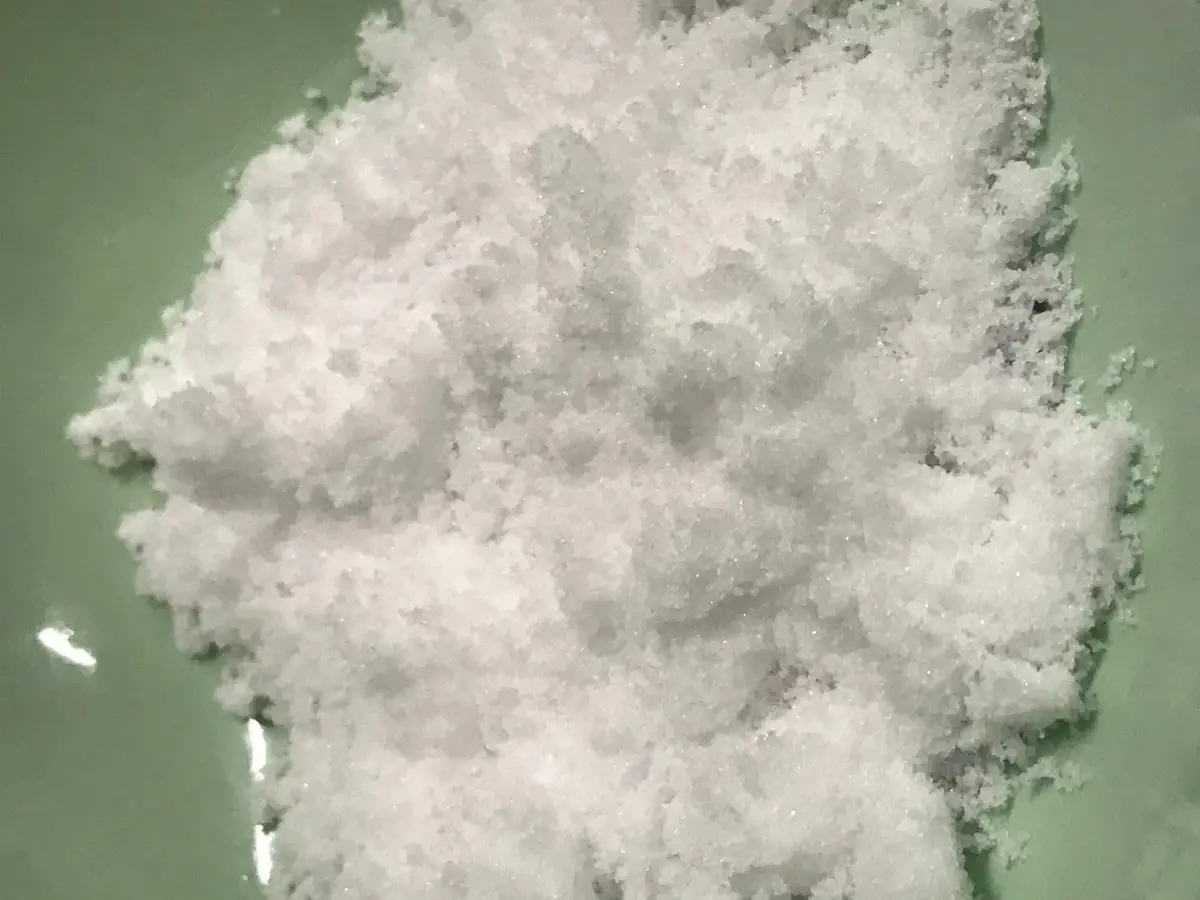
Choline bitartrate is a commonly supplemented form of choline. It consists of choline bound to two tartrate salts. This salt form improves solubility and absorption compared to unbound choline supplements.
Of critical note is that choline bitartrate contains about 40% choline by weight, far less than other supplemental forms like choline citrate or choline chloride (5).
This is important to factor when comparing standard doses or when meeting daily choline intake requirements. The bitartrate form offers lower choline content by weight than other variants.
Are Choline and Choline Bitartrate the Same Thing?
So, are choline and choline bitartrate the same? The answer is yes and no.
Choline bitartrate does provide choline to be used by the body similarly to dietary sources. However, research shows choline from choline bitartrate may be less bioavailable compared to other forms like choline citrate or lecithin.
One study compared plasma choline levels in humans after ingesting equivalent amounts of choline from various sources. While supplemental forms did increase circulating plasma choline versus control, the increases were significantly smaller for choline bitartrate (6).
Another trial also found the bioavailability of choline to be as much as 20% higher from choline chloride versus choline bitartrate when supplemented pre-workout (7).
So while Choline Bitartrate Powder can provide choline, the fraction absorbed and utilized appears meaningfully reduced compared to alternate forms. More research directly quantifying differences in absorption is still needed.
Choline Bitartrate for Choline Requirements
Can you rely solely on choline bitartrate to meet daily choline requirements? Potentially, but dose and dietary factors need consideration.
As mentioned, choline bitartrate only provides about 40% choline by weight. Tablets frequently supply 250-500 mg bitartrate, equating to just 100-200 mg choline. Multiple daily tablets would likely be needed to reach adequate intake levels.
Studies also confirm vegetarians (8) and endurance athletes (9) require as much as twice the choline intake due to plant-based diets or increased use as fuel during exercise. In these groups, choline bitartrate alone is likely insufficient to meet greater demands.
Supplementing with Choline Bitartrate
Supplemental forms can help those struggling to meet their choline needs from eggs, meat, fish and other dietary sources.
Choline bitartrate offers a cost-effective, readily absorbed form requiring fewer daily tablets than unbound choline supplements.
While evidence suggests other forms like citrate and chloride may be more bioavailable gram for gram (10), some individuals tolerate bitartrate better with less gastrointestinal side effects.
Start with the lowest effective dose when supplementing with choline bitartrate powder and increase cautiously while monitoring for abdominal discomfort or loose stools. Combining with other choline-rich foods may also enhance absorption.
And as with any new supplement, consult your healthcare provider before use, especially if taking other medications or medical conditions are present.
Safety and Side Effects
Generally considered safe at recommended doses, choline bitartrate powder can produce some mild side effects like nausea, fishy body odor, sweating, and diarrhea (11). There is also a hypothetical risk of trimethylaminuria at very high doses.
As choline promotes acetylcholine activity, it could theoretically worsen conditions like asthma or increase cholinergic side effects when combined with drugs or medications having similar action (12).
While true choline overdose is exceptionally rare, intake from all sources should stay under 3,500 mg daily. Upper limit drops to 1,000 mg if pregnant due to uncertainty around very high choline intake on developing babies (13).
Key Takeaways
In conclusion, while choline bitartrate can serve as source of choline activity in the body, it is not quite the same as straight choline. True equivalence requires factoring in its substantially lower choline concentrations and potential for reduced absorption.
Dietary needs, personal tolerance, and supplementation goals should guide what form makes sense for any given individual. As usual, consult with your healthcare provider to make the optimal choice.
The importance of adequate choline remains underscored by its roles in key functions like cell structure, liver function, metabolism, gene expression, and neurotransmitter activity. Ensuring sufficient intake through foods and supplements when required contributes to lifelong health.
Hongda Phytochemistry Co., Ltd is a reputable ingredients manufacturer with a range of competitive advantages. We offer direct production from their factory, allowing for customized production and Packaging solutions. Additionally, the company provides the convenience of free samples to interested customers. With a new capsule production workshop, Hongda Phytochemistry can cater to specific requirements for capsule products. Moreover, we actively participate in global Exhibitions such as European CPHI, European International Vitafoods, FIE, FFFI, American SSE, and more. This demonstrates our commitment to maintaining a global presence and staying updated on industry trends. For those interested in Choline Bitartrate Powder products, they can contact duke@hongdaherb.com for further information.
References:
1) Zeisel SH. Choline. In: Ross AC, Caballero B, Cousins RJ, Tucker KL, Ziegler TR, eds. Modern Nutrition in Health and Disease. 11th ed. Baltimore, MD: Lippincott Williams & Wilkins; 2014:416-26.
2) Institute of Medicine (US) Standing Committee on the Scientific Evaluation of Dietary Reference Intakes and its Panel on Folate, Other B Vitamins, and Choline. Dietary Reference Intakes for Thiamin, Riboflavin, Niacin, Vitamin B6, Folate, Vitamin B12, Pantothenic Acid, Biotin, and Choline. Washington (DC): National Academies Press (US); 1998.
3) Zeisel SH, da Costa KA. Choline: an essential nutrient for public health. Nutr Rev. 2009 Nov;67(11):615-23.
4) Zeisel SH. The supply of choline is important for fetal progenitor cells. Semin Cell Dev Biol. 2011 Aug;22(6):624-8.
5) Cohen BM, Renshaw PF, Stoll AL, Wurtman RJ, Yurgelun-Todd D, Babb SM. Decreased brain choline uptake in older adults. An in vivo proton magnetic resonance spectroscopy study. JAMA. 1995 Sep 20;274(11):902-7.
6) Koc H, Mar MH, Ranasinghe A, et al. Comparative evaluation of choline sources and impacts of long term choline supplementation. FASEB J. 2013;27(1_supplement):406.11.
7) Elsawy G, Abdelrahman O, Hamza A. Effect of choline supplementation on rapid weight loss and biochemical variables among female taekwondo and judo athletes. J Hum Kinet. 2014 Sep 9;40:77-82.
8) Fischer LM, daCosta KA, Kwock L, Stewart PW, Lu TS, Stabler SP, Allen RH, Zeisel SH. Sex and menopausal status influence human dietary requirements for the nutrient choline. Am J Clin Nutr. 2007 May;85(5):1275-85.
9) Buchman AL, Dubin MD, Moukarzel AA, et al. Choline deficiency: a cause of hepatic steatosis during parenteral nutrition that can be reversed with intravenous choline supplementation. Hepatology. 1995 Nov;22(5):1399-403.
10) Cohen BM, Renshaw PF, Stoll AL, Wurtman RJ, Yurgelun-Todd D, Babb SM. Decreased brain choline uptake in older adults. An in vivo proton magnetic resonance spectroscopy study. JAMA. 1995 Sep 20;274(11):902-7.
11) Zeisel SH. Choline. In: Erdman JW, Macdonald IA, Zeisel SH, eds. Present Knowledge in Nutrition. 10th ed. Washington, DC: Wiley-Blackwell; 2012:405-18.
12) Jensen HH, Batres-Marquez SP, Carriquiry A, Schalinske KL. Choline in the diets of the U.S. population: NHANES, 2003–2004. FASEB J. 2007;21(6):lb219.
13) Zeisel SH. The supply of choline is important for fetal progenitor cells. Semin Cell Dev Biol. 2011 Aug;22(6):624-8.