Can You Mix Creatine Monohydrate With Protein Powder?
2025-08-30 10:52:45
Creatine monohydrate and protein powder are two of the most commonly used dietary supplements among fitness enthusiasts and athletes. With the popularity of stacking supplements to enhance results, many individuals are interested in combining creatine and protein powder in their supplementation regimens. However, questions arise regarding the compatibility, optimal timing, dosage, and benefits of mixing creatine monohydrate with protein powder. By reviewing the evidence and best practices, we can gain insight into how to effectively and safely combine these supplements.
Figuring out Creatine Monohydrate
Creatine is a nitrogen-containing compound produced naturally in the body that helps supply energy to cells. It plays a key role in providing ATP energy for muscle contractions during high-intensity activities like weightlifting or sprinting. Supplementing with creatine monohydrate, the most researched form, has been shown to increase muscle creatine stores, improving strength gains, power output, and lean mass when combined with training. The International Society of Sports Nutrition considers creatine monohydrate the gold standard form due to its proven performance and safety record. With proper cycling, creatine supplementation can enhance resistance training outcomes for muscle growth and strength development.
Exploring the Use of Protein Powder
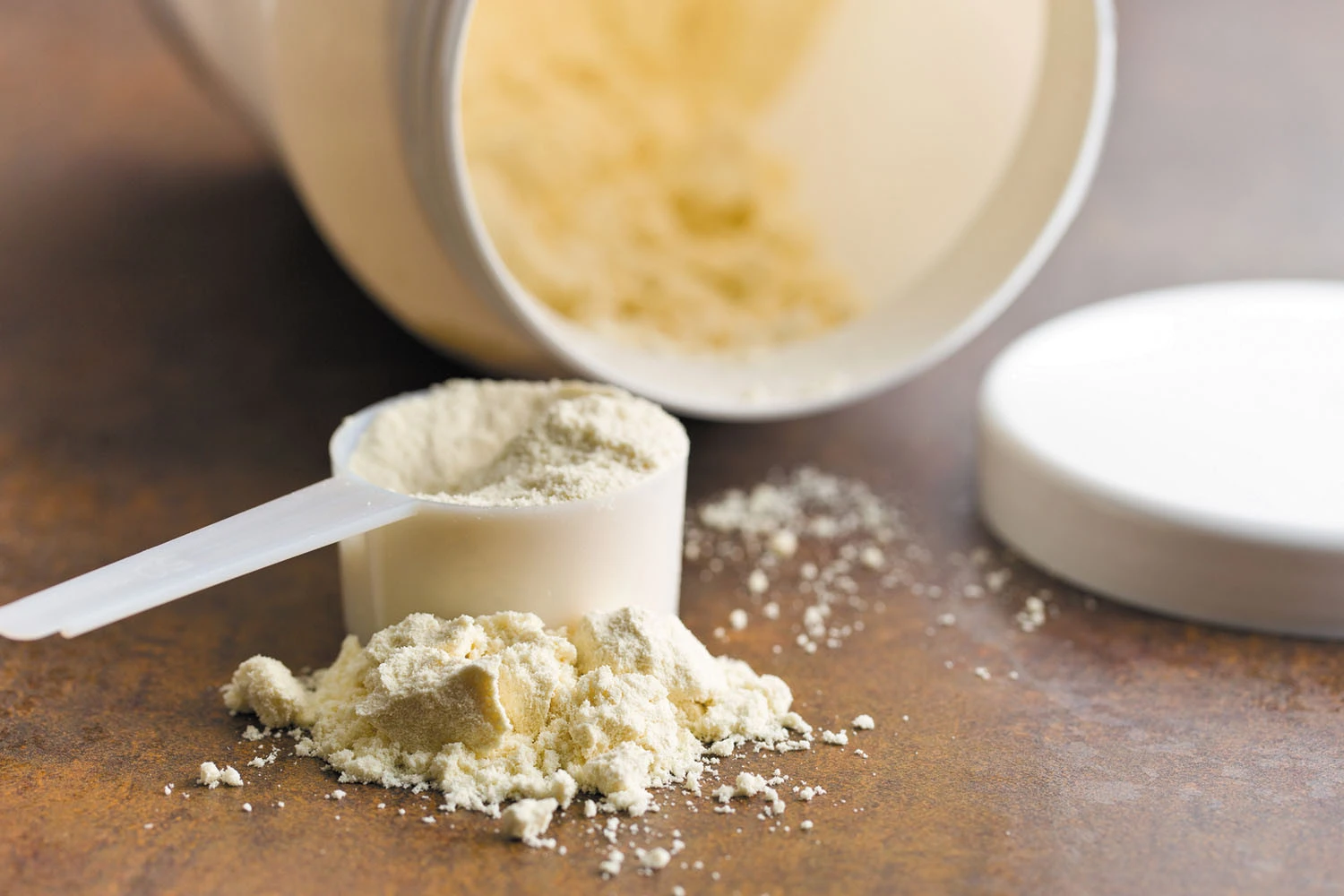
Protein powder offers a versatile way to meet daily protein needs crucial for building and repairing muscles. Derived from milk, eggs, soy or plant sources like peas and rice, protein powder can provide a concentrated dose of high-quality protein in a single serving. Many fitness enthusiasts use protein powder to help achieve increased muscle mass when combined with strength training. Protein supplementation has also been shown to aid exercise recovery, support weight management, and help maintain muscle during periods of inactivity. With its convenience and customizable protein content, protein powder is widely used before, during or after workouts to optimize results.
Is it Okay to Mix Protein Powder with Creatine?
Research has not found any issues with combining creatine monohydrate and protein powder when taken as directed. Since they work via distinct mechanisms in the body, there are no known contraindications or interactions between creatine and protein when consumed together. Some studies even suggest potential synergy – one study found subjects who consumed creatine along with protein had greater increases in lean tissue mass and muscle fiber size compared to creatine alone. However, the benefit was modest and needs further research. Current evidence indicates best creatine monohydrate powder and protein powder can be safely mixed and consumed together with no adverse effects.
Best Practices for Combining Creatine Monohydrate and Protein Powder
Here are some tips for maximizing results when taking creatine and protein powder together:
- Consume shortly before or after workouts for optimal timing of nutrients.
- Adjust dosages to align with recommended daily amounts of protein and creatine based on individual needs and goals.
- Mix creatine powder in first, then add protein powder to help dissolve and prevent clumping.
- Use a blender for best dissolution and smooth, lump-free texture.
- Start with lower amounts of both supplements and increase gradually as needed.
- Drink immediately after mixing, and increase water intake throughout the day.
Following dosage guidance from qualified professionals and being consistent with timing can help optimize muscle creatine saturation and protein synthesis.
Potential Benefits of Combination
Combining creatine and protein powder offers several potential upsides:
- Improved protein synthesis and lean muscle gains when paired with resistance training
- Enhanced recovery due to synergistic effects on muscle repair and reduced muscle breakdown
- Increased strength gains and power output
- Greater efficiency by providing two workout-supporting supplements in one drink
- Ease of meeting higher protein needs to maximize creatine effects
- Better workout adherence by streamlining supplemental routines
While research is still ongoing, initial studies and anecdotal reports to date suggest simultaneously supplementing with creatine and protein can provide advantages for some individuals.
What is the Best Protein Powder to Take with Creatine?
Whey and casein protein powders are most commonly recommended for stacking with creatine, as research shows whey increases creatine absorption. Whey's rapid digestion makes it ideal for post-workout, while casein's slower release suits nighttime use. However, high-quality powders from soy, pea, egg, or other proteins can still be effective when paired with creatine based on individual preferences. Those following plant-based diets may opt for vegan protein powders. The key is choosing a protein powder tailored to your needs that provides 3-7 grams leucine to stimulate muscle protein synthesis.
What Not to Mix with Creatine?
Avoid mixing creatine monohydrate with:
- Hot liquids like coffee, as heat degrades creatine.
- Carbonated beverages, since carbonation causes creatine to break down.
- Caffeine, which some research indicates may inhibit creatine transport. Take several hours apart if combining.
- Medications, since creatine can interact with certain drugs. Check with your pharmacist for contraindications.
Otherwise, creatine is quite stable and compatible for mixing into shakes and smoothies to increase the convenience of supplementation.
Myths and Misconceptions
Some common myths about combining creatine and protein include:
- Myth: Creatine causes kidney damage. Reality: No evidence shows creatine harms kidneys in healthy individuals at recommended dosages.
- Myth: Simultaneous consumption causes waste via conversion into creatinine. Reality: The body efficiently utilizes both supplements for muscle gain when taken as directed.
- Myth: You must take insulin to maximize creatine effects. Reality: Insulin is not needed to boost creatine uptake and synthesis in healthy adults.
When taken properly, combining creatine monohydrate powder and protein powder can provide noteworthy benefits for building strength and lean muscle mass. But personalized guidance is recommended for optimal use.
Final Thoughts
The evidence to date suggests creatine monohydrate and protein powder can be safely and effectively consumed together, offering convenience and potential synergistic effects. By following best practices on timing, dosing, and mixing, those looking to optimize workout recovery, muscle gains, and strength development may find stacked supplementation beneficial. However, tailored protocols based on individual health status, diet, and goals are recommended for maximizing results while avoiding adverse outcomes. For most healthy adults, creatine and protein powder can be a useful component of training when guidance from sports medicine and nutrition experts is followed.
Shaanxi Hongda Phytochemistry Co., Ltd. boasts an impressive array of Certifications, including cGMP, BRC, ORGANIC (EU), ORGANIC (NOP), ISO22000, ISO9001, FDA, HALAL, KOSHER, and national certification of high-tech innovative enterprises. With over 30 years of experience in the industry, our factory has become a renowned ingredients manufacturer. Spanning an expansive area of 20,000 square meters, the Hongda Phytochemistry factory is equipped with state-of-the-art extraction equipment and features its own SGS Certified laboratory. Operating six advanced production lines simultaneously, the factory achieves a daily output of ten tons, resulting in an annual output reaching several thousand tons. As a trusted supplier of Creatine Monohydrate Powder Bulk, Hongda Phytochemistry is dedicated to providing customers with the highest quality products at the most competitive prices. For inquiries or further information, please don't hesitate to reach out to us at duke@hongdaherb.com, where our team is committed to serving you wholeheartedly.
References:
1. Kerksick, C.M., Wilborn, C.D., Campbell, W.I., Harvey, T.M., Marcello, B.M., Roberts, M.D., Parker, A.G., Byars, A.G., Greenwood, L.D., Almada, A.L. and Kreider, R.B. (2009). The effects of creatine monohydrate supplementation with and without D-pinitol on resistance training adaptations. Journal of strength and conditioning research, 23(9), pp.2673-2682.
2. Willoughby, D.S. and Rosene, J. (2001). Effects of oral creatine and resistance training on myosin heavy chain expression. Medicine & Science in Sports & Exercise, 33(10), pp.1674-1681.
3. Kerksick, C.M. and Leutholtz, B. (2005). Nutrient administration and resistance training. Journal of the International Society of Sports Nutrition, 2(1), pp.1-8.
4. Jäger, R., Purpura, M., Shao, A., Inoue, T. and Kreider, R.B. (2011). Analysis of the efficacy, safety, and regulatory status of novel forms of creatine. Amino acids, 40(5), pp.1369-1383.