How Is Liposomal Silymarin Powder Used in Supplements?
2026-09-01 15:48:57
For generations, milk thistle has been protecting livers. But its key ingredient, silymarin, has always faced one major obstacle: the body doesn’t absorb much of it. That’s why Liposomal Silymarin Powder was developed to overcome that absorption barrier by surrounding silymarin in tiny spheres of phospholipids to escort it past digestive breakdown and into the cells where it can truly do its job. With the liver health conversation expanding and customers becoming more savvy about whether their supplements produce tangible outcomes, marketers are under greater pressure to create products that can back up their absorption claims with genuine data. For formulators who want to know how this ingredient works in real finished products — capsules, drink mixes, beauty-from-within blends — this article outlines practical applications, the manufacturing science behind them, and what to look for when sourcing a truly high-performance version of Liposomal Silymarin Powder.
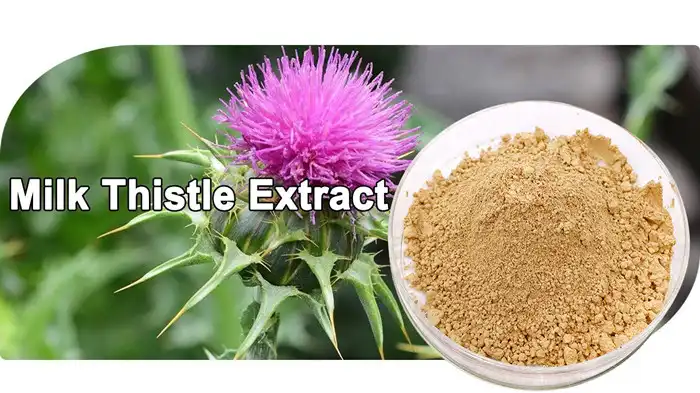
What Makes Liposomal Silymarin Powder Different From Standard Milk Thistle Extract
Before exploring where this ingredient shows up in finished products, it's worth understanding exactly why liposomal encapsulation changes the game for silymarin delivery.
The Phospholipid Encapsulation Process
Liposomal Silymarin Powder is created by enclosing concentrated silymarin inside a bilayer of phospholipids, often sourced from non-GMO sunflower lecithin, forming tiny vesicles that closely resemble the structure of natural cell membranes. The encapsulation protects the active chemical from degradation by stomach acid and allows the active compound to stay intact during digestion rather than break down before absorption. This kind of structure is often obtained by manufacturers through high-pressure shearing with spray-drying or spray freeze-drying methods, which produce a stable, flowable powder, rather than the less convenient liquid liposome form, which would be more difficult to handle in the downstream production process. The resultant vesicles are generally 100 to 300 nanometers in diameter, a size range specifically designed to allow them to move across cell membranes efficiently once swallowed.
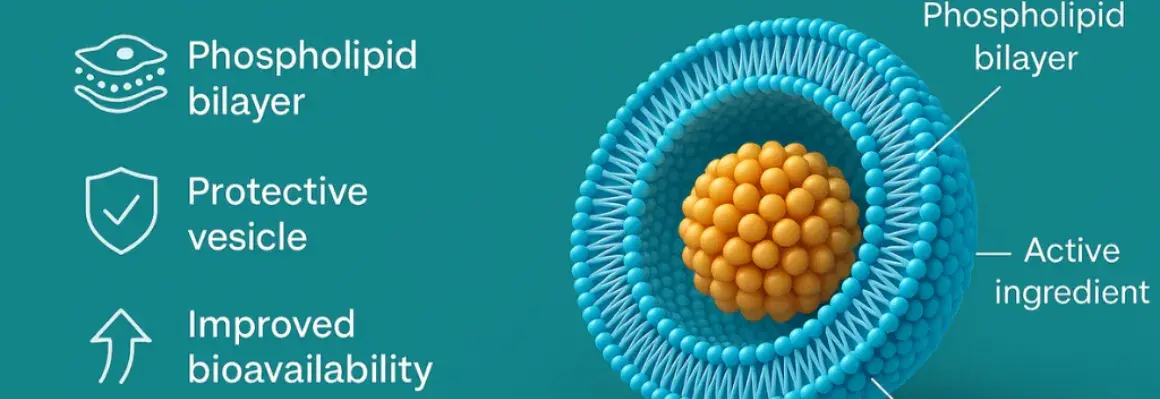
Bioavailability Gains Backed by Science
Bioavailability is the whole value proposition of Liposomal Silymarin Powder, and the advantages here are huge – correctly produced liposomal forms may increase the absorption of silymarin several times above conventional milk thistle extract. This huge improvement is because the encapsulated particles skip most of the stomach breakdown that inhibits ordinary silymarin from accessing cells via a more direct absorption route. For businesses whose customers have become wary of absorption promises without solid mechanistic underpinning, our liposomal delivery technique provides a really defensible point of distinction that can be readily conveyed to consumers without the need for cryptic health language.
Core Specifications Formulators Should Know
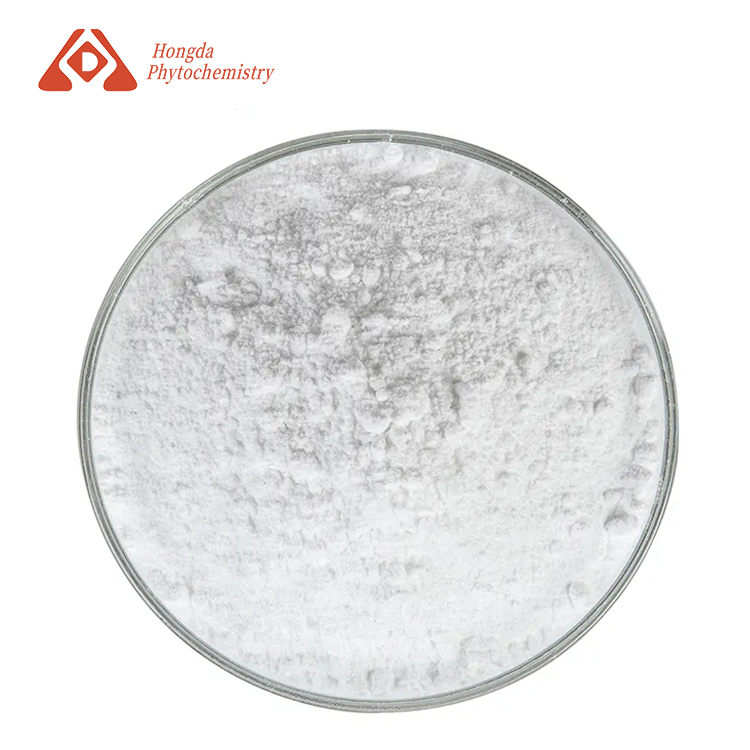
Commercial Liposomal Silymarin Powder usually contains silymarin standardized to 50-80% purity and is a white to light yellow powder with a shelf life of around 24 months under recommended storage conditions. Formulators should check the exact carrier phospholipid being utilized (sunflower-derived lecithin is currently the industry standard for its non-GMO, allergen-friendly profile) and microbiological testing conformity to GMP requirements before completing a formulation based on this raw material. This specialized ingredient often has smaller minimum order quantities than typical botanical extracts, so it may be accessed even by smaller firms doing initial product trials before committing to bigger production numbers.
|
Analysis Item
|
Specification
|
Testing Method
|
|
Product Name
|
Liposomal Milk Thistle Extract
|
--
|
|
Active Ingredient
|
Silymarin (Total Flavonolignans)
|
HPLC
|
|
Standardized Assay
|
50%, 70%, 80% (Customizable)
|
USP / Internal Method
|
|
Appearance
|
Light Yellow to Yellow Fine Powder
|
Visual
|
|
Liposomal Diameter
|
50nm – 200nm (In aqueous state)
|
DLS/TEM
|
|
Solubility
|
Excellent Water Dispersibility
|
Gravimetric
|
|
Loss on Drying
|
≤ 5.0%
|
105℃, 2h
|
|
Heavy Metals
|
Meets stringent food safety standards
|
ICP-MS
|
|
Microbiological
|
Total Plate Count ≤ 1,000 cfu/g
|
USP Standard
|
Where Liposomal Silymarin Powder Shows Up in Finished Products
With the underlying technology understood, the next question most formulators ask is where exactly this ingredient earns its place on a finished product label.
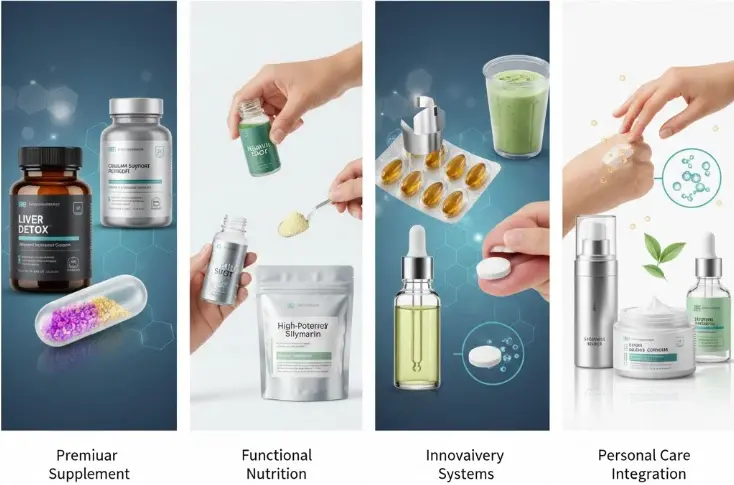
Hepatic Health Capsules and Tablets
This makes Liposomal Silymarin Powder perfect as a more natural home for liver-support supplements, giving completed capsules and tablets a real performance advantage over ordinary milk thistle compositions. And this liposomal structure is gaining popularity with brands positioning around liver detoxification, alcohol recovery assistance, or general hepatic health precisely because it allows for a more competitive absorption claim supported by genuine formulation science rather than just marketing rhetoric. As the liver health sector grows more crowded, that type of validated difference increasingly helps decide what gets bought again and what gets lost in the backdrop of a saturated supplement aisle.
Functional Detox Beverages and Drink Mixes
Liposomal Silymarin Powder may be easily dispersed in aqueous systems, making it suitable for inclusion in functional detox drinks, drink mixes, and meal replacement formulations where limited water solubility of traditional silymarin extract would lead to texture and stability issues. This dispersibility makes it a viable solution for brands formulating sachets or stick-pack formats aimed at consumers preferring drinkable wellness products over traditional capsules, and also helps to avoid the gritty mouthfeel that unencapsulated silymarin powders can impart to a beverage formulation.
Beauty-From-Within and Antioxidant Formulas
Silymarin’s antioxidant qualities have also been integrated into beauty-from-within products, with the Liposomal Silymarin Powder supporting skin health narratives based on internal antioxidant protection rather than topical use alone. These formulations have a more believable narrative for effectiveness, due to the enhanced cellular absorption, making them attractive to businesses targeting customers who investigate ingredient processes before purchase, not nebulous “glow from within” marketing promises that increasingly do not convert an informed audience.
|
Application Category
|
Format
|
Key Benefit of Liposomal Delivery
|
|---|---|---|
|
Hepatic health supplements
|
Capsules, tablets
|
Enhanced absorption for liver-support claims
|
|
Detox and functional beverages
|
Drink mixes, sachets, stick packs
|
Improved water dispersibility and mouthfeel
|
|
Beauty-from-within formulas
|
Powders, capsules
|
Credible antioxidant and cellular uptake story
|
How Formulators Actually Work With Liposomal Silymarin Powder
Understanding where this ingredient fits is only half the picture — formulators also need practical guidance on how to actually work with it during production.
Dosage Range and Formulation Compatibility
Because Liposomal Silymarin Powder delivers markedly higher bioavailability than standard extract, formulators can often achieve comparable or superior therapeutic effect at a lower nominal dose, which opens up smaller capsule sizes or more concentrated beverage formulations. This flexibility matters commercially too, since a more compact dosage form tends to improve consumer compliance and can reduce per-unit ingredient costs despite the liposomal format's typically higher raw material price point. Smaller, easier-to-swallow capsules also tend to perform better in consumer testing, giving brands another practical reason to consider the liposomal format beyond the headline absorption story.
Stability During Manufacturing and Storage
The powder form of Liposomal Silymarin Powder offers better shelf stability than liquid liposome alternatives, while still retaining good flowability for high-speed encapsulation equipment. Curious how this holds up under your specific production conditions? Our technical team at Hongda routinely helps formulators run compatibility trials before committing to full-scale production — just reach out to duke@hongdaherb.com, and we'll walk through the details with you.
Combining It With Complementary Ingredients
Liposomal Silymarin Powder pairs well with complementary hepatoprotective and detox-supporting botanicals such as dandelion root, artichoke extract, or turmeric, allowing formulators to build a multi-mechanism liver-support product rather than relying on a single active ingredient. This combination approach also gives marketing teams more flexibility to differentiate a finished product within an increasingly crowded liver-health supplement category, since a well-constructed formula story around complementary actives tends to resonate more strongly with ingredient-conscious consumers than a single-ingredient claim ever could on its own.
What to Verify Before Sourcing Liposomal Silymarin Powder
With formulation strategy in place, the final practical step is confirming that a prospective supplier can actually deliver the quality this ingredient's performance claims depend on.
Certification and Testing Standards
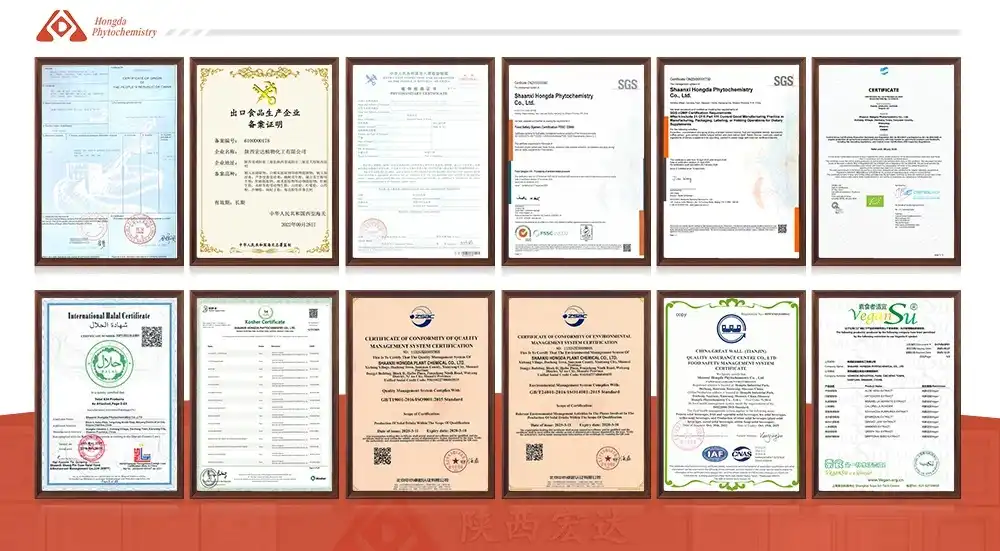
Good brands of Liposomal Silymarin Powder should have minimum GMP, ISO22000, and HACCP Certifications. If you are looking for a brand with organic certification, they have it too. Buyers should also ensure that a supplier has an SGS-certified or comparable in-house laboratory that can test for silymarin potency, as well as the physical qualities of the liposomal structure itself, not simply basic purity testing. If liposome characterisation is an afterthought rather than a key testing discipline for your supplier, it’s doubtful that the absorption performance your completed product’s marketing will eventually rely on will be consistently delivered.
Confirming Particle Size and Encapsulation Efficiency
Ask vendors how they check particle size distribution and encapsulation efficiency for their Liposomal Silymarin Powder, since liposome efficacy is mostly a function of physical qualities, not potency. We objectively confirmed that the liposomal vesicles were really generated as intended, using dynamic light scattering and transmission electron microscopy, rather than relying on a potency certificate, which tells us nothing about delivery performance.
Supplier Production Capacity and Reliability
If you are planning to scale production, verify your supplier’s annual output capacity and number of production lines for Liposomal Silymarin Powder. Liposomal manufacturing requires more specialized equipment than standard extract production, and not all facilities will be able to reliably deliver at commercial volume. A manufacturer with many dedicated production lines provides a far higher security of supply than one that makes liposomal quantities as an occasional specialized project, and this is very important after a product has moved past its initial launch phase into continuous, repetitive reorder cycles.
Why Hongda Is a Trusted Source for Liposomal Silymarin Powder
Having covered the technology, applications, and sourcing criteria, it's worth explaining concretely how Hongda measures up against each of these standards.
Advanced Liposomal Manufacturing Technology
Hongda Phytochemistry makes liposomal silymarin powder using a high-pressure shearing encapsulation technique and spray freeze-drying technology, which is able to mass-produce the same vesicles with the best particle size for cell absorption. The technical capability, developed specifically for liposomal delivery systems and not borrowed from traditional extraction methods, is the type of investment that distinguishes a true liposomal manufacturer from a vendor that simply rebrands traditional silymarin with a more fashionable name. The business confirms vesicle production by dynamic light scattering and transmission electron microscopy to provide consumers with objective proof that the liposomal structure has, in fact, developed as expected, rather than assuming it has.
Rigorous Quality Control and Certifications
Each batch of Hongda’s Liposomal Silymarin Powder is tested for potency and microbes at an SGS-recognized laboratory. It is supported by a wider range of certifications, including cGMP, ISO9001, ISO22000, HALAL, KOSHER, and ORGANIC. Quality control is overseen throughout the company’s 20,000-square-meter manufacturing plant by a research team of more than 20 academics from top institutions, offering overseas purchasers solid paperwork to meet their own regulatory needs. This multi-layered approach to quality assurance, mixing academic monitoring with globally recognized accreditation, offers a confidence that a smaller or less established organization could not hope to match.
Global Supply and Customization Support
Hongda’s natural ingredient portfolio is manufactured on 10 specialized manufacturing lines and has the potential to produce hundreds of tons per year. This scale allows Hongda to support rising brands while also providing customizable choices for potency, carrier lipids, and package type. Sourcing Liposomal Silymarin Powder from foreign buyers in Europe, North America, and Asia is a stable, long-term collaboration, not a string of one-off transactions as your product line continues to expand – with a customer service staff that’s attentive.
Conclusion
Liposomal Silymarin Powder addresses silymarin’s long-standing absorption issue, providing formulators with a scientifically valid ingredient for liver-support capsules, functional drinks and beauty-from-within products. Shaanxi Hongda Phytochemistry has more than 20 years of experience in natural extracts and innovative encapsulation technology, which can ensure the stability and excellent quality of batches. Interested in what this ingredient may achieve for your product line? Let's start the discussion. Reach out.
FAQQ1: How does liposomal delivery improve silymarin absorption?
Phospholipid encapsulation protects silymarin from digestive breakdown, allowing significantly more of it to reach cells intact compared to a standard extract.
Q2: What purity range is typical for this ingredient?
Commercial Liposomal Silymarin Powder is usually standardized to between 50% and 80% silymarin content.
Q3: What product formats work well with this ingredient?
It performs well in capsules, tablets, functional beverages, drink mixes, and beauty-from-within powders.
Q4: What should I check before choosing a supplier?
Confirm GMP, ISO22000, and HACCP certification, along with verified particle size and encapsulation efficiency testing.
Q5: How long does this ingredient typically last in storage?
Properly stored Liposomal Silymarin Powder generally carries a shelf life of around 24 months.
Ready to Source High-Performance Liposomal Silymarin Powder From Hongda?
If you're ready to work with an experienced manufacturer of Liposomal Silymarin Powder, Hongda is here to help. With advanced encapsulation technology, comprehensive certifications, and dedicated in-house testing, our team supports your project from sample request through full-scale production. Email us today at duke@hongdaherb.com to request a certificate of analysis, discuss specifications, or place your first order — let's bring your next liver-health product to market together.
References
1. Chang, C., Zhang, Y., Kuo, Y. C., et al. "Novel Micellar Formulation of Silymarin (Milk Thistle) with Enhanced Bioavailability in a Double-Blind, Randomized, Crossover Human Trial." Pharmaceutics.
2. Abenavoli, L., Capasso, R., Milic, N., et al. "Milk thistle in liver diseases: past, present, future." Phytotherapy Research.
3. European Food Safety Authority. Scientific Opinion on Silymarin as a Novel Food Ingredient.
4. World Health Organization. WHO Monographs on Selected Medicinal Plants.
5. U.S. Food and Drug Administration. Dietary Supplement Health and Education Act Guidance.
6. International Organization for Standardization. ISO 22000: Food Safety Management Systems — Requirements.