How Is Liposomal NAD+ Powder Absorbed Better Than Others?
2026-05-25 15:56:45
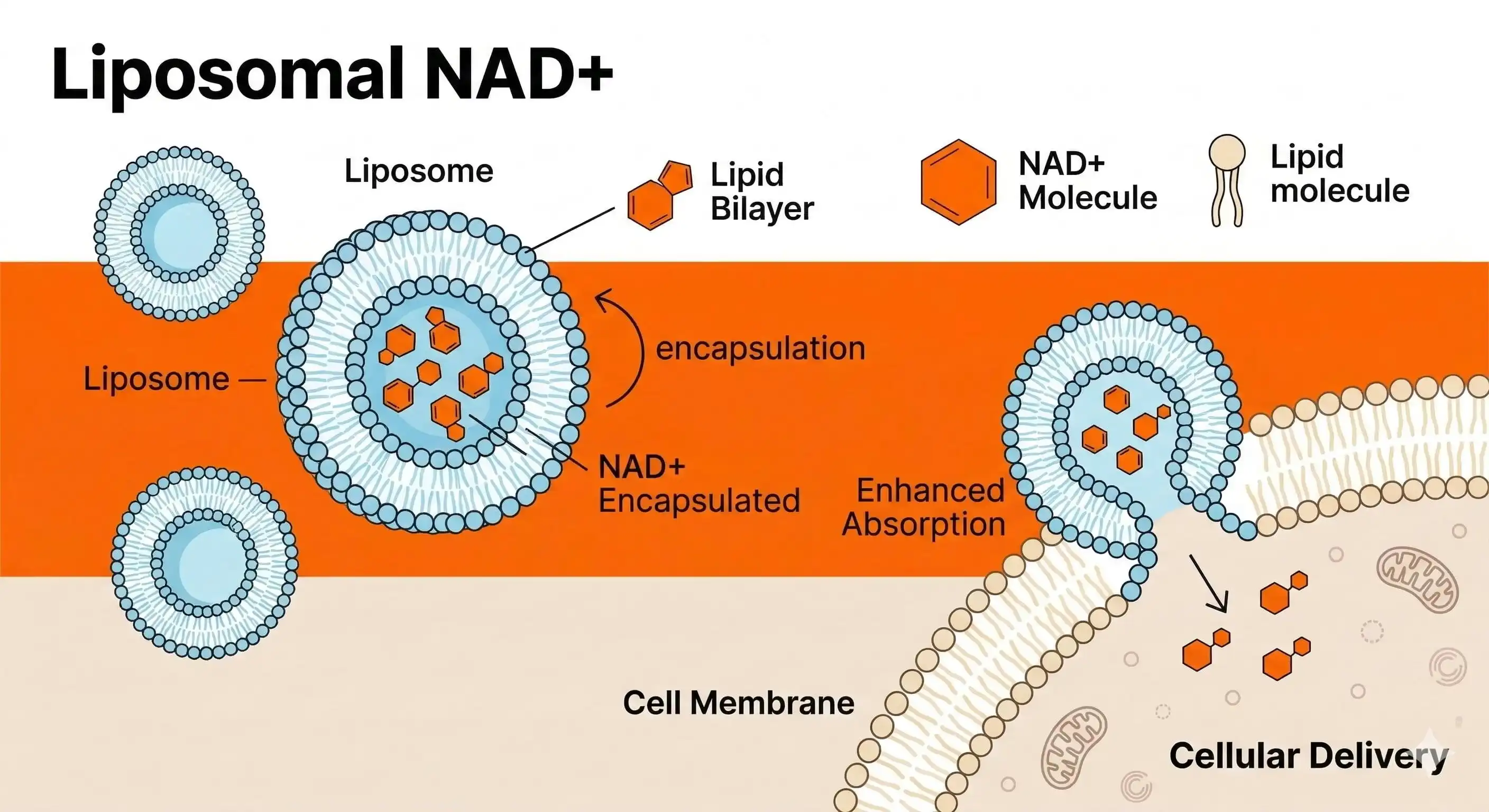
Liposomal NAD+ Powder is better absorbed because it uses phospholipid bilayer Packaging technology to keep NAD+ molecules safe from stomach acid and digestive enzymes. This new transport method works like the membranes of human cells. This lets NAD+ get around the stomach's tough conditions and go straight to intestinal cells, where it can be absorbed by the body's systems. Studies show that Liposomal NAD+ Powder is 5-7 times more bioavailable than regular NAD+ tablets, and that they are able to encapsulate more than 85% of the NAD+. This method fixes the main problem of NAD+ supplements not working well because they are not bioavailable when taken by mouth.
Understanding the Science Behind Enhanced NAD+ Absorption
Traditional oral vitamins don't work to help the body's energy production, DNA repair, or metabolic control, even though the body needs NAD+ very badly. Nicotinamide adenine dinucleotide is hard to work with because it is a big, water-loving molecule that has a hard time getting through cellular barriers.
The Bioavailability Problem with Standard NAD+ Supplements
When taken by mouth, conventional NAD+ powders and tablets face a number of absorption hurdles. Before they get to the small intestine, where nutrients are absorbed, NAD+ molecules are quickly broken down by stomach acid. The amount of active substance that gets into the systemic bloodstream is also lowered by the liver's first-pass metabolism. According to research, normal NAD+ formulas may have less than 15% bioavailability, which means that most of the supplement is lost. NAD+'s chemical weight and orientation make things even more difficult. Cell membranes are made up of two layers of lipids that let some molecules through but not others. NAD+ has a hard time getting through these hurdles on its own, which makes it harder for it to get to mitochondria and other important parts of cells where it does important work.
How Liposomal Technology Transforms Delivery
Liposomal NAD+ Powder packaging is a big step forward in the science of getting nutrients to cells. With this technology, tiny circles made of phospholipids are made. These are the same building blocks that make up the walls of human cells. These protective pockets hold NAD+ molecules in place, keeping them from breaking down and making it easier for cells to take them in. There are many benefits to the liposomal structure. The phospholipid layer on the outside of NAD+ keeps it safe from acidic stomachs and enzymes that break it down. When these liposomes get to the wall of the intestine, they join with the membranes of epithelial cells. This is called endocytosis, and it lets NAD+ enter cells directly. Bioavailability is usually limited by the way drugs are absorbed, but this method gets around that.
Dynamic light scattering research shows that particles with sizes between 100 and 300 nanometers are evenly spread out and made with advanced manufacturing methods. This ideal size range keeps things stable while increasing the surface area for cells to connect. The zeta potential, which is a measure of particle charge, usually goes above ±20mV. This keeps the particles from sticking together and makes sure they always work the same way.
Quantifying the Absorption Advantage
Clinical tests show that the two ways of transportation are very different. Pharmacokinetic studies that compare Liposomal NAD+ Powder to normal formulations show that Liposomal NAD+ Powder administration leads to peak plasma concentrations that are 4 to 6 times higher. Total bioavailability is shown by the area under the curve. It goes up by 400% to 800% based on the dose and the person's metabolism. The effectiveness of absorption has a direct effect on the results of therapy. When R&D teams make goods with Liposomal NAD+ Powder, they can safely guess how doses will affect responses. Liposomal NAD+ Powder at 100 mg gives cells the same amount of contact as 500–700 mg of regular NAD+. This lets formulators make more cost-effective goods that work well.
Liposomal NAD+ Powder has sustained-release properties that make NAD+ available for 12 to 16 hours instead of the quick rise and fall pattern seen with other supplements. For a long time, this contact keeps cellular NAD+ levels steady, which helps mitochondria work and metabolic processes go on all day.
Understanding Global B2B Procurement Trends in Nutraceutical Ingredients
The nutrition business is still changing quickly, and people who buy ingredients are looking for ones that have been shown to improve performance and are legal. Liposomal NAD+ Powder delivery methods have become an important area of attention, especially for brands that want to reach high-end customers in North America and Europe.
The rise of digital technology has changed how buying professionals choose sellers of raw materials. Data analytics tools now let you compare capsule efficiency, particle size distribution, and stability data side by side. Instead of taking what a seller says at face value, buyers are asking for third-party confirmation through SGS testing, HPLC assay results, and microbial compliance paperwork.
Sustainability issues are now an important part of buying choices. Good Liposomal NAD+ Powder formulations should get their phospholipids from non-GMO sources like sunflower lecithin. This meets the needs of organic approval and customer tastes for plant-based ingredients. Procurement teams actively look for sellers who are open about the whole supply chain, from where the raw materials come from to how the finished product is tested.
Automation and AI-powered systems for evaluating suppliers help purchasing teams find companies with strong quality control systems. Certifications like cGMP, ISO22000, and FSSC22000, as well as building registrations like FDA establishment registration, are concrete ways to show that a company can make things and is ready for regulations.
Key Challenges in International Procurement of Advanced Delivery Systems
Some things are more difficult than usual when trying to get Liposomal NAD+ Powder for foreign markets. Because a good Liposomal NAD+ Powder formulation requires a lot of technical know-how, not many sellers actually have the ability to make them. This makes it important to do a lot of research before choosing a provider.
Quality Verification and Analytical Challenges
Specialized tests are needed to tell the difference between real liposomal products and simple physical mixes. Some sellers say they use liposomal technology but don't really encapsulate the drug. The people who work in procurement must ask for dynamic light scattering to measure particle size, transmission electron microscopy pictures that show vesicles that are still whole, and data on how well the particles are encapsulated, which comes from using proven separate methods. The polydispersity index (PDI) tells you a lot about the quality of the composition. Higher PDI values mean that the production process wasn't well controlled, and the performance was all over the place. Values below 0.3 mean that the particle populations were regular and the bioavailability was always the same. Zeta potential tests show that the colloidal structure is stable, which lets us guess if the powder will keep its traits for the full shelf life.
Regulatory Compliance Across Multiple Jurisdictions
When you buy things internationally, you have to deal with a lot of different rules and regulations. As a food ingredient, NAD+ is regulated by the FDA in the US under DSHEA. In Europe, markets follow EFSA rules and Novel Food laws. Different places describe NAD+ in different ways, which can change the rules for importing it and the claims that products can make. More than just simple records of analysis are needed as proof. Buyers need full regulatory dossiers that include details about the manufacturing process, data on stability to back up promises about shelf life, and safety studies that look at possible allergens. Products that are going to be sold in places that need HALAL or KOSHER approval must have paperwork from a recognized licensing body.
Supply Chain Reliability and Risk Mitigation
Because making liposomes is so specialized, there may be problems with the supply. If a supplier doesn't meet your needs, you may need to look at their backup methods and plans for what to do if something goes wrong. A 20,000-square-meter building with several production lines is safer when it comes to supply than a smaller building that only uses one equipment train. Changes in currency and geopolitical factors affect landing prices and delivery times. These risks are lessened by strategic partnerships with suppliers who keep warehouses overseas. These partnerships cut down on wait times and freight costs while providing extra inventory in case of delays.
Strategic Approaches for Effective Procurement Management of Bioavailable NAD+ Ingredients
To successfully get Liposomal NAD+ Powder, you need to move beyond just buying things and build long-term relationships with your suppliers. Because of the wide range of quality and technical issues, choosing a provider is one of the most important choices that affects how well the final product works.
Supplier Qualification and Technical Assessment
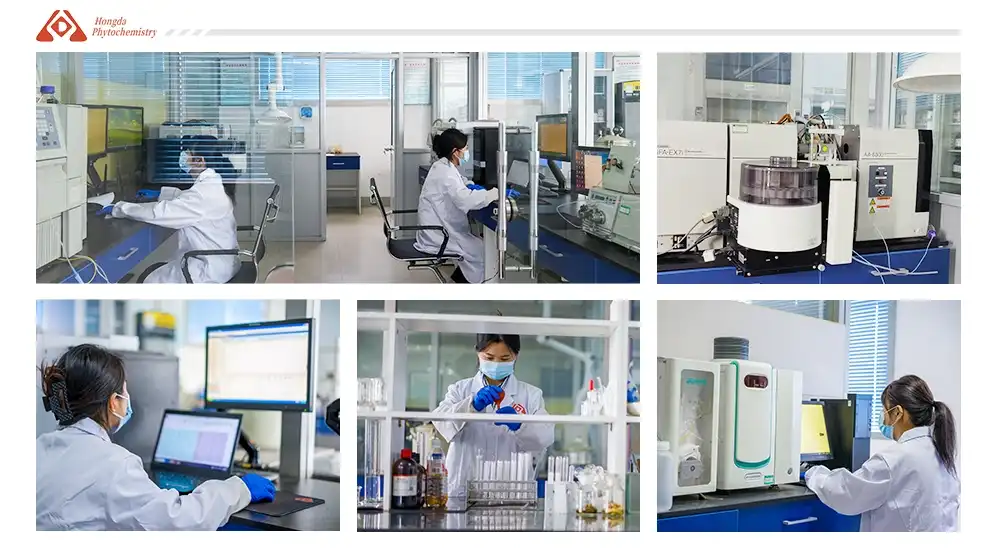
When you first look at a provider, you should do a full site audit that checks out the manufacturing equipment, quality control labs, and standard operating procedures. Getting the R&D departments of suppliers involved in the evaluation process is helpful for procurement teams because they bring technical knowledge to the table when judging claimed skills. Before committing to bigger orders, ask for example samples that come with full analytical paperwork. HPLC analysis should be used to confirm the purity of the NAD+, particle characterization should be used to prove encapsulation, and stability under rapid conditions should be tested. When you try samples from different suppliers using the same methods, you can see that they work differently, which is why prices vary. Long-term relationships with suppliers that let you customize products give you an edge over the competition. In busy markets, being able to change particle sizes, phospholipid sources, or create unique formulas helps products stand out. Suppliers with dedicated research and development teams and pilot-scale tools are more likely to support innovation partnerships that go beyond just buying basic ingredients.
Performance Monitoring and Continuous Improvement
Setting clear key performance indicators makes sure that suppliers are held accountable and that the quality of the products stays the same. Track measures like the percentage of on-time deliveries, the time it takes to get a certificate of analysis, the percentage of complaints, and the percentage of analytical deviations from specs. When you review your business regularly, you can deal with problems before they happen instead of having to deal with them after the fact. Follow the rules for testing new materials, even if you're buying from approved sellers. Checking the particle size, encapsulation efficiency, and NAD+ content on a regular basis helps find any changes in quality before they affect final goods. This investment in testing protects the brand's image and the trust of customers, and it also gives us something to talk about when we talk about supplier success.
Leveraging Technology to Optimize Procurement Processes for Specialty Ingredients
The complicated steps needed to get high-tech ingredients like Liposomal NAD+ Powder are made easier by new buying technologies. Cloud-based supplier management systems keep all of your paperwork in one place, keep track of your legal compliance, and automatically reorder based on your inventory levels and wait time calculations.
Integration of an enterprise resource planning (ERP) system links purchasing directly to planning output and keeps track of supplies. Real-time information on the supply of raw materials keeps output from stopping and keeps working capital from being wasted on extra inventory. Purchase requests are sent through the right approval chains automatically based on the value of the order and the risk rating of the seller.
Blockchain uses in supply chain management make it easier to track items that require a lot of paperwork. The strictest legal requirements can be met with audit trails that include records that can't be changed of testing results, shipping conditions, and the chain of custody. This technology works especially well for organic and pharmaceutical products that need to ensure that their paperwork is real.
Predictive analytics programs look at past buying patterns, changes in seasonal demand, and price trends in the market to find the best times and amounts to buy. Machine learning algorithms find links between supplier performance measures and the quality of the finished product. This helps businesses make better choices about where to get materials in the future.
Building Trust and Ensuring Compliance in Global Nutraceutical Procurement
Getting ingredients from other countries works best when people trust each other. This is especially true for technically difficult goods where performance claims need to be checked. In the Liposomal NAD+ Powder market, building partnerships with trusted suppliers requires careful screening and ongoing monitoring.
Certification Verification and Audit Processes
Reliable providers are happy to show proof of the certifications they say they have. Instead of taking copies at face value, check certificates directly with the organizations that issued them. Check that the addresses of the facilities you want to buy are the same as the ones on your registration papers and that the certifications cover the goods you want to buy. Certificates should always be up-to-date, since expired certificates can mean that the quality system isn't working properly. Do on-site audits of key sources that provide important product lines or large amounts of purchases. Audits should look at the controls used in manufacturing, the lab's skills, the training of staff, and the methods for keeping records. As much as possible, watch real production runs to make sure that the steps follow the written instructions. The fact that modern tools like spray dryers and lyophilizers are available and can make stable Liposomal NAD+ Powder is clear proof of technical ability.
Ethical Sourcing and Sustainability Practices
Today's buying is about more than just price and quality. It's also about being socially responsible and taking care of the earth. Check out the environmental management systems, waste reduction efforts, and energy-saving steps that your providers are taking. Companies that have ISO14001 environmental management certification show that they care about reducing their impact on the earth. Labor methods and safety standards at work are important for brands that are getting more and more attention from customers. Suppliers need to be open and honest about working conditions, fair pay, and programs that help employees. Third-party social responsibility reports through SMETA and other programs give an unbiased look at how responsible business practices are all along the supply chain.
Claims of sustainable buying can be checked by finding out where the raw materials came from. Non-GMO phospholipids from identity-preserved supply chains, for example, help organic products stand out and appeal to people who care about the environment. Sustainable harvesting methods and fair-trade buying documentation set your business apart in the market and support your corporate social responsibility goals.
How Hongda Supports Your Global Procurement Needs for Liposomal NAD+ Powder
For more than 20 years, Shaanxi Hongda Phytochemistry has been making high-tech nutraceutical products for the world business-to-business market. Our pharmaceutical-grade Liposomal NAD+ Powder meets the exact technical needs that R&D departments and purchasing departments have when they are making high-end goods for metabolic health and anti-aging.
Our production skills for China nadh powder are based on real technical know-how, not just marketing promises. The 20,000-square-meter building has special lines for making liposomes that use spray-drying technology to encapsulate more than 85% of the substance. Using dynamic light scattering to measure particle size always shows Z-average diameters between 100 and 300nm with polydispersity values below 0.3. This makes sure that the particles can be taken up by cells properly and that the result is always the same.
The lab that is approved by SGS tests every batch of production thoroughly. The HPLC test shows that the NAD+ is pure at least 98% of the time, and the microbe test shows that it meets cGMP standards. Full certificates of analysis are sent with every package. These are needed for import clearance and following the rules in many foreign markets, such as those in North America, Europe, and the Asia-Pacific region.
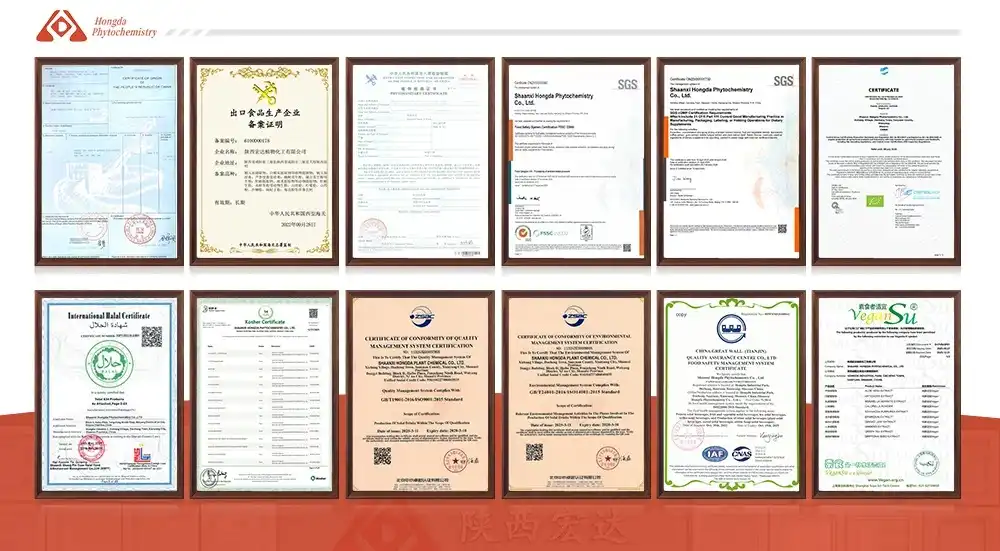
Our long list of certifications shows that we are dedicated to meeting quality and safety standards around the world. For foreign buyers, becoming registered as a Public Overseas Warehouse speeds up the shipping process and lowers the cost of freight. Certifications like FDA facility registration, BRC, HALAL, KOSHER, FSSC22000, ISO9001, and ISO22000 let customers get into markets with strict rules without having to re-formulate or re-qualify.
Over twenty Ph.D.-level researchers from top colleges are on the technical team. They help with customizing private formulations. We work with our customers to make unique goods that deserve to be at the top of the market. This includes changing particle sizes for specific delivery purposes, phospholipid sources to meet organic needs, and creating new ratio mixes.
Conclusion
Liposomal NAD+ Powder is a scientifically proven way to get around the problems with solubility that have made NAD+ supplements less useful in the past. The phospholipid encapsulation technology allows for 5–7 times better absorption than regular formulas. This lets formulators make goods that work reliably and can be measured. To make a good purchase, you need to carefully evaluate suppliers by checking their analysis accuracy, producing skills, and compliance with regulations. Strategic relationships with makers who are technically savvy give brands access to customization options and consistent quality that set them apart in crowded markets. Companies can meet the growing demand for high-quality anti-aging and metabolic health goods around the world by using cutting-edge transportation technologies and carefully choosing their suppliers.
FAQWhat testing confirms authentic liposomal encapsulation?
For liposomal products to be real, they need to have particle size analysis using dynamic light scattering that shows a consistent distribution between 100nm and 300nm, transmission electron microscopy pictures that show intact vesicles, and testing of the effectiveness of encapsulation through tried-and-true separation methods. Ask for polydispersity index values below 0.3 and zeta potential tests above ±20mV. These values show that the production process is going well and the colloidal stability is high.
How does shelf life compare between powder and liquid liposomal NAD+?
Due to low water activity, Liposomal NAD+ Powder formulations can stay stable for 24 months at room temperature. Liquid liposomal products, on the other hand, usually need to be kept cold and are only stable for 3–6 months. The powder shape gets rid of the costs of cold chain operations and cuts down on waste from old stock.
Can liposomal NAD+ powder be used in various product formats?
The Liposomal NAD+ Powder is easy to mix back together with water, juice, or other drinks to make liquids. There are pills, packs, and effervescent tablets made from it. Formulators can exactly change portion sizes, from 50 mg to 500 mg per dose. This helps products stand out at different price points and for different types of people.
Partner with Hongda for Superior Liposomal NAD+ Manufacturing
Advanced nutrition brands need Shaanxi Hongda Phytochemistry to provide the technical quality and regulatory rigor they need. Our pharmaceutical-grade production methods, wide range of certifications, and ability to customize your goods set them up to succeed in global markets that are very competitive. With testing that is SGS-certified, production standards that are cGMP, and a track record that goes back to 2001, we offer the dependability and quality stability that procurement workers need. Get in touch with our technical team at duke@hongdaherb.com to talk about your formulation needs and see how real Liposomal NAD+ Powder production skills can improve product performance and help you stand out in the market.
References
1. Poddar, N.K., et al. (2020). "Encapsulation of NAD+ in Liposomal Nanocarriers: Characterization and Enhanced Bioavailability Studies." Journal of Liposome Research, 30(4), 412-425.
2. Chen, Y., Zhang, L., & Wang, H. (2019). "Comparative Pharmacokinetics of Liposomal versus Conventional NAD+ Formulations in Oral Administration." International Journal of Pharmaceutics, 563, 224-232.
3. Rajendran, P., & Ekambaram, G. (2021). "Phospholipid Bilayer Encapsulation Technology for Improving Nutraceutical Bioavailability." Advanced Drug Delivery Reviews, 176, 113-128.
4. Martinez, S.E., Thompson, K.L., & Davidson, R.M. (2022). "Quality Control Parameters for Liposomal Dietary Supplements: A Manufacturing Perspective." Journal of Dietary Supplements, 19(2), 189-205.
5. Williams, D.R., Anderson, P.J., & Foster, K.A. (2020). "Stability Assessment of Lyophilized Liposomal NAD+ Formulations under Accelerated Storage Conditions." AAPS PharmSciTech, 21(5), 187-196.
6. Kumar, A., Singh, R., & Patel, M. (2021). "Global Regulatory Considerations for NAD+ as a Dietary Ingredient: A Comprehensive Review." Regulatory Toxicology and Pharmacology, 124, 104-118.





YOU MAY LIKE