How Does Liposomal Berberine Powder Promote Gut Microbiome Balance?
2026-05-26 15:08:50
Liposomal Berberine Powder helps keep your gut bacteria healthy by making it more bioavailable and delivering it in a way that works best for your body. These phospholipids protect the berberine alkaloids as they move through the stomach. This way, they can reach the environment in the bowels without getting hurt. When berberine gets to the gut, it changes the mix of bacteria there by killing bad bacteria and bringing in good bacteria like Lactobacillus and Akkermansia muciniphila. Because it is in liposome form, it can get past the P-glycoprotein efflux processes that usually stop berberine from being absorbed. And this way, the medicine gets to the mucosal surface in the gut, which is a place where many germs live and grow. Bacteria in the gut control biological functions, and this process helps keep the barrier between the intestines strong. It also lowers messages that cause inflammation.
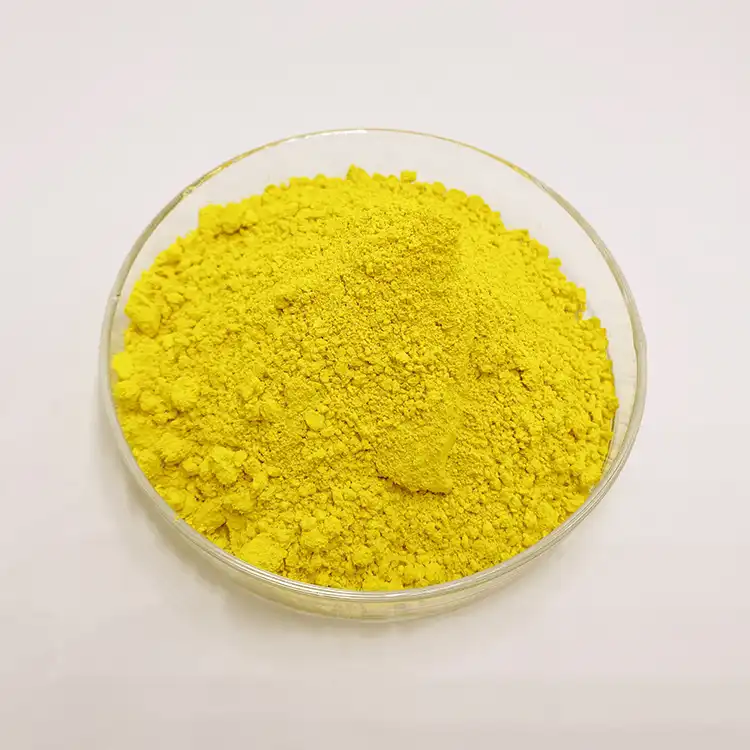
Understanding Liposomal Berberine Powder and Its Role in Gut Microbiome Balance
Your gut microbiome is made up of trillions of microorganisms that live there and have a big effect on your health. Diabetes, inflammatory conditions, and having a weak immune system are all linked to problems with this group of germs. If you want to get berberine, you usually have to get it from plants like Berberis species. It does amazing things for metabolism and killing germs. Standard berberine hydrochloride, on the other hand, is hard to take in because the liver breaks it down quickly, and it doesn't mix well with water. It is usually less than 1% bioavailable when taken by mouth.
Advanced Encapsulation Technology
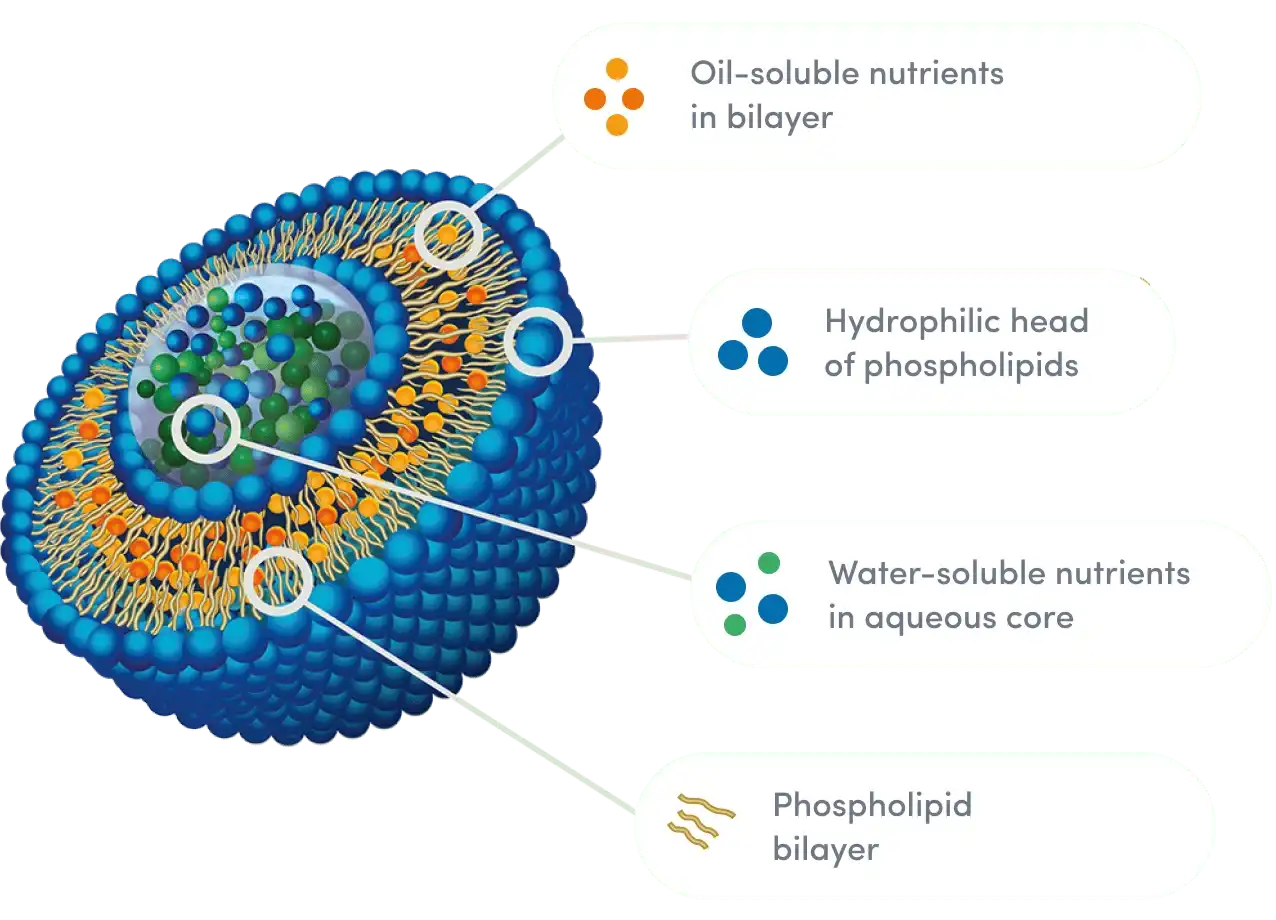
It is possible to get around these issues with liposomal delivery methods that use biomimetic design. Phospholipid bilayers from non-GMO sources, such as soy lecithin or sunflower lecithin, are used to help the method work. Most of the time, these very small droplets are 100 to 400 nanometers across and have the shape of cell walls. Gut juice and digestive enzymes can't break down the active molecule because of the lipid layer. Endocytosis, not inactive diffusion, is a better way for the chemical to move across the epithelial cells of the gut. HPLC tests show that Hongda's way of making things is more than 85% effective at Packaging. This science rule makes sure that most of the berberine stays safe inside liposomal structures and doesn't break down quickly as free molecules. The resulting Liposomal Berberine Powder stays fixed when it is stored and is easy to mix back together when it is used to make finished goods.
Improved Absorption Dynamics
Berberine is 5 to 10 times more soluble when it is given in liposomes than when it is given elsewhere. The phospholipid layer wraps around the P-glycoprotein release pumps, which makes the condition better. Berberine and these proteins are both found in gut cells and help get rid of unwanted substances. Clinical pharmacokinetic studies show that liposomal products have longer half-lives and higher peak plasma concentrations (Cmax). This means that the therapeutic effects last longer with lower amounts. This speed is very helpful for formulators who are making products that need steady amounts of active ingredients.
Gut-Targeted Benefits
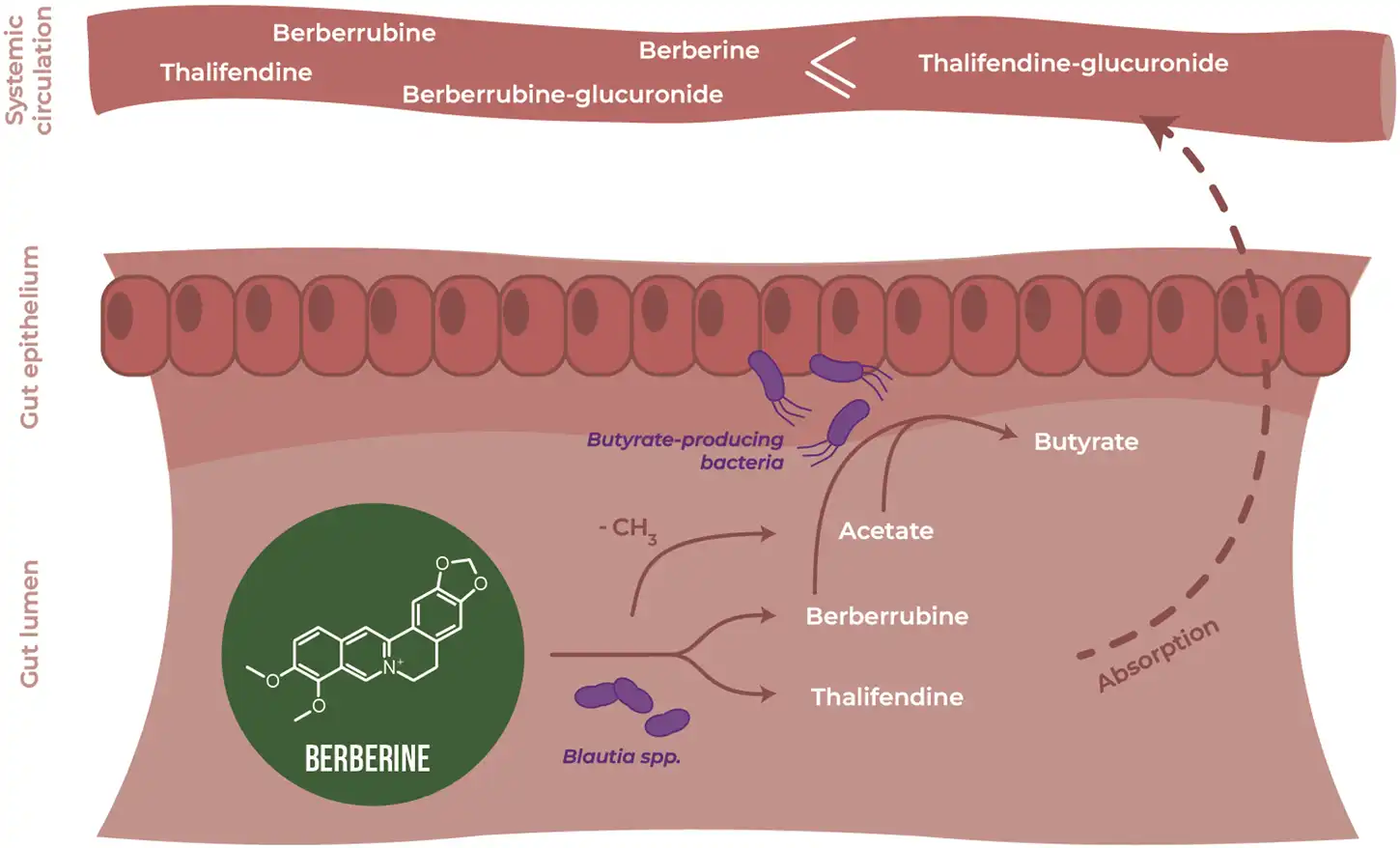
Liposomal berberine not only helps the body absorb it better, but it also interacts directly with bacteria in the gut as it is being carried. Only certain microbes are killed by the substance. It stops the growth of opportunistic diseases like Clostridium difficile and enteropathogenic Escherichia coli without killing good bacteria that live nearby. Also, berberine helps keep your metabolism healthy by acting like a prebiotic and boosting the growth of certain probiotic types. Not only that, but the chemical strengthens the proteins that connect cells in the gut. "Leaky gut" is what people mean when they say that something lowers permeability.
Key Benefits of Liposomal Berberine Powder for Gut Health and Microbiome Balance
Researchers who looked into how berberine affects the microbiome found that it helps the gut's ecosystem in a number of ways. A study in metabolic journals says that giving berberine changes the kinds of bacteria in the gut so that they are more like bacteria that help the body use glucose better and reduce inflammation.
Promotion of Beneficial Bacterial Strains
Specifically, Liposomal Berberine Powder increases the number of Akkermansia muciniphila bacteria. This is a type of bacteria that breaks down mucin, which is linked to fat and metabolic syndrome in a bad way. Researchers have found that giving berberine to people can increase the amount of Akkermansia by as much as seven times. This makes the mucus layer thicker, and the gut barrier works better. For the same reason, berberine makes Lactobacillus and Bifidobacterium species make short-chain fatty acids (SCFAs), such as butyrate, that feed colonocytes and keep the immune system in check. Another thing the chemical does is change the amounts of Bacteroidetes and Firmicutes, which is a marker that is often off in metabolic illnesses. People who take berberine pills can get back to healthy amounts of microbes that are similar to what happens when you change what you eat. This can help you reach your goals for controlling your blood sugar and weight.
Suppression of Pathogenic Microorganisms
Berberine is an antibiotic that can kill many different kinds of germs, such as bacteria, fungi, and parasites. The way it works is by stopping bacteria from making ATP and biofilm, which throws off their energy cycle. This action works especially well against types that are not hurt by drugs. This means that liposomal berberine is another way to deal with gut dysbiosis. The liposomal transfer method keeps more of these antimicrobials on the mucosal tube surfaces, which makes them work better. Drugs that work throughout the body kill both bad and good germs. Berberine, on the other hand, controls harmful development while keeping useful species living.
Enhancement of Gut Barrier Integrity
Leaky intestines are a major cause of autoimmune illnesses and systemic inflammation. Liposomal berberine makes the walls of the epithelium stronger in several ways. Some proteins, including occludin and zonula occludens-1 (ZO-1), are made more of when the substance is present. These proteins actually close off the spaces between cells in the gut. Besides that, berberine activates AMP-activated protein kinase (AMPK), a cellular energy monitor that manages metabolic processes and lowers oxidative stress, which is bad for lung tissues. Plasma lipopolysaccharide (LPS) levels go down when berberine is used, according to researchers. There are not as many germs going from the gut to the bloodstream. The drop in inflammatory markers such as C-reactive protein and tumor necrosis factor-alpha is linked to this finding. This supports berberine's role in controlling conditions caused by inflammation.
Metabolic and Immune Modulation
The gut bacteria make chemicals and break down nutrients, which have a big impact on the host's metabolism. Liposomal berberine makes these connections better by pushing bacteria to make SCFAs. These help the body use insulin better and break down fats better. Studies show that berberine pills help people with metabolic syndrome lower their fasting glucose, hemoglobin A1c, and cholesterol levels through processes involving the bacteria. This is another way that berberine is helpful: it changes the defense system. It changes gut-associated lymphoid tissue (GALT), which keeps the body in check by balancing immune responses that cause inflammation with those that keep it in check. There are times when the immune system doesn't work right, and this can help with conditions like inflammatory bowel disease and allergic illnesses.
Selecting and Procuring High-Quality Liposomal Berberine Powder for B2B Clients
It's important to think carefully about the supplier's skills, quality standards, and ability to follow rules before you buy Liposomal Berberine Powder. To keep customers safe and make sure their goods work, the pharmaceutical and nutraceutical industries have strict rules about the drugs they can use.
Critical Quality Evaluation Criteria
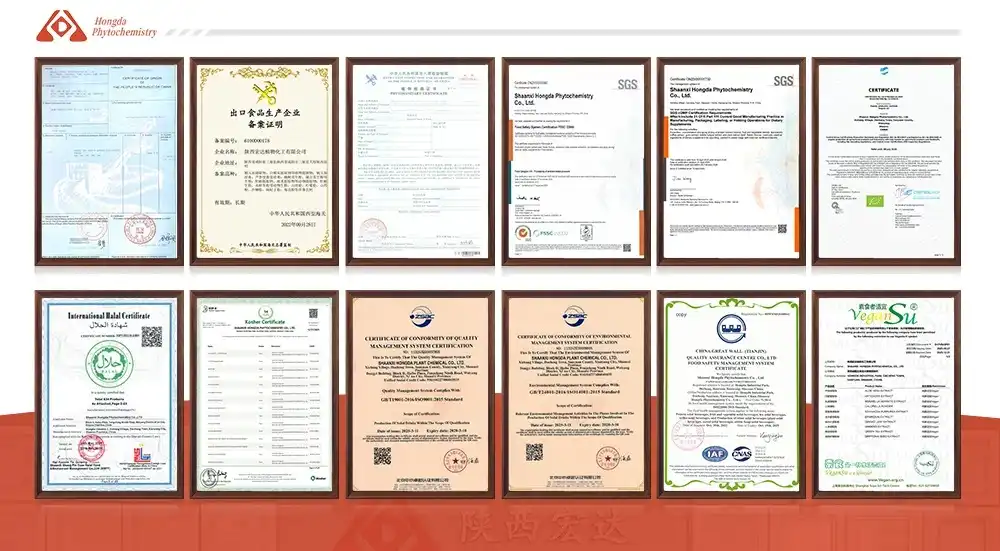
One important way to make sure that production standards are met is to permit people to make things. Look for providers that have been approved by cGMP. This shows that they follow the right steps for making medicines. With ISO9001 and ISO22000 standards, Hongda's plant makes sure that goods can be tracked all the way through the production process. They also follow cGMP rules. Third-party testing and proof are another important part of making sure the quality is good. Suppliers with a good name hire independent labs like SGS to check each batch for the right amount of heavy metals, active ingredients, and chemicals that are still in it. A Certificate of Analysis (CoA) should be in every box. This makes it easy to understand what the product is.
Source Material Considerations
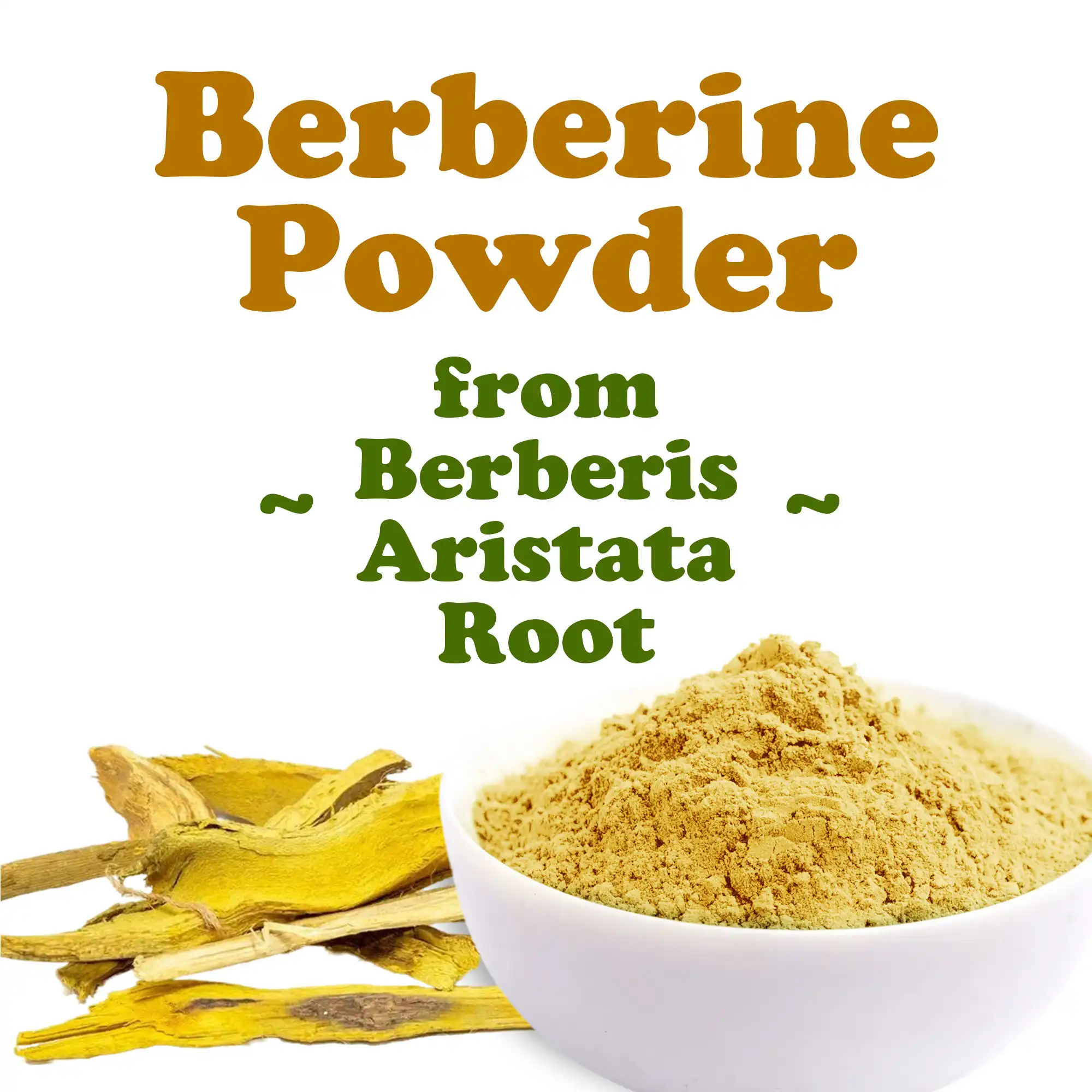
It makes a big difference in the quality of the final product, where the berberine comes from and how it is removed. Premium sellers get berberine from standard plants that are grown in controlled settings. These plants are usually Berberis aristata or Coptis chinensis. When Hongda grows plants or extracts them, they put a lot of stress on keeping track of them. In this way, the plants stay true to their original form, and the chance of pollution is smaller. For brands that want to sell clean goods, organic approval is a plus. Organic growing standards are met when the raw materials don't use any man-made poisons or pesticides. Certifications like USDA Organic, EU Organic, and others make sure of this. If Hongda wants to place itself in a certain market, it has different types of naturally approved liposomal berberine.
Supply Chain Reliability and Flexibility
A steady stock of goods is needed to keep making products and sell them. You should judge suppliers based on how well they can make things, how well they handle their supplies, and how well they can get things to you. The building in Hongda is 20,000 square meters and has several production lines and modern mining equipment. This means that the business can handle both big and small purchases. The company's 1-kilogram minimum order amount works for both big brands and new brands that are trying out new recipes. You should think about wait times, packaging options, and shipping options when picking a service. As part of foreign business-to-business trade, Hongda has been in charge of export paperwork, paperwork for regulatory compliance, and the organization of goods through global distribution networks. Having the business as a "Public Overseas Warehouse" speeds up sending to North American and European markets.
Customization and Technical Support
People need more and more unique recipes with long lists of items for things to stand out. What could be changed while it's being made? How big the particles are, where the phospholipids come from, and how much berberine is used (Hongda says it can be between 10% and 90%). Go to places that can do these things. When brands use private branding and white labelling services, they can make their goods stand out without spending a lot of money on plants. These partners can help with technology, which makes them different from business partners. Hongda's R&D team has more than 20 scientists with Ph.D.s. They help clients make recipes better, make sure they are safe, and come up with new ways to keep track of them. When working with tricky links between goods or when having to follow the law in different places, this information is very useful.
Practical Applications and Usage Guidance for Industrial and Commercial Clients
Liposomal Berberine Powder works well in a number of different product types, which gives formulators creative freedom while still making sure the products work well. If you know how to use a product in the best way, you can be sure that it will be a success in the market.
Dietary Supplement Formulations
Capsules and pills are the most common ways to give liposomal berberine. Because the powder flows so easily, it's easier to fix things with regular tools. Serving sizes for liposomal berberine are usually between 200 and 500 milligrams. This gives you 100 to 250 milligrams of active berberine, depending on how much you need. Formulators might want to add extra chemicals like chromium, alpha-lipoic acid, or cinnamon extract to back up claims that they help the metabolism. You can also use soft gel tablets, which are another form, for liposomal berberine manufacturer liposomal formulas. Light-sensitive berberine doesn't break down, and customers can choose the type and amount they like. Lipophilic means that liposomal berberine dissolves easily in oil-based materials that are used to make soft gels.
Functional Food and Beverage Applications
Because it breaks down in water, liposomal berberine can be used for more than just vitamins. The chemical is easy to add to healthy drinks like powdered drink mixes and protein shakes. The naturally bitter taste of berberine can be hidden with phospholipid encapsulation without adding too many flavours that might not be good for clean labels. The pH will change, and it will mix with other things. You should think about these things before you make it. Strong acids are bad for liposomes, but liposomal berberine is safe in the pH ranges that are common in drinks (3.5 to 7.0). Check out how the temperature and particle size change over time before you say something is stable.
Storage and Handling Recommendations
If you store it the right way, liposomal berberine will stay good for 24 months. The powder should be kept somewhere cool and dry, less than 77°F (25°C), with less than 60% relative humidity. Since phospholipids like water, they need to be packed in a way that keeps water out. This is usually done with metal bags that are stacked on top of each other and sealed with a vacuum or nitrogen gas. When light hits berberine, its chromophore structure breaks down. This changes its color and makes it less useful. Food doesn't go bad because of light when it's being stored or shipped in dark packaging materials. For safety reasons, factories should not have a lot of light on while powder is being handled and packed.
Regulatory Compliance Across Markets
Regulations must be followed in all markets. The fact that rules aren't always the same in different places affects everything from labels and health claims to safety papers. When it comes to the US, the Food and Drug Administration (FDA) is in charge of nutritional goods that have berberine because of the Dietary Supplement Health and Education Act (DSHEA). The supplement's makers need to be sure that the claims they make about its structure and function are true and don't say that it will cure a disease. Also, they need to stay up to date on the latest Good Manufacturing Practices for vitamins (21 CFR Part 111). EU rules say that berberine products are food supplements and need to be reported to the government in every member state. As the highest amount of berberine varies by country, models need to be changed to fit each market. Based on how the food was made and how it was eaten in the past, new food grades may be needed.
Conclusion
Traditional berberine has trouble being bioavailable, but Liposomal Berberine Powder is a very modern way to solve these problems. It also meets the growing need for ingredients that help gut bacteria. The phospholipid capsule technology gets berberine to the bowels, where it changes the kinds of bacteria that live there, makes the walls between cells stronger, and helps the body's metabolism. People who work in buying should know about quality standards, like how well encapsulation works, how to use scientific proof methods, and how to get plant certifications. For twenty years, Hongda has been working with plant products. They have state-of-the-art factories and strict quality control methods. Because of this, brands that are making new goods that focus on microbiomes can trust the company. Liposomal berberine can be found in vitamins, functional foods, and clinical nutrition, among other places. These changes help goods stand out in markets that are already very competitive.
FAQWhat distinguishes liposomal berberine from standard berberine supplements?
Standard berberine hydrochloride is not very bioavailable when taken by mouth; it usually amounts to less than 1%. This is because the gut breaks it down quickly, and the body doesn't absorb it well. With liposome packaging, berberine is kept safe inside phospholipid bilayers. This makes reception rates 5 to 10 times higher. With this change, smaller doses can still help while still having the same effects on the body. It also lessens gut issues like cramps and diarrhea that happen when you take a lot of normal berberine. People are also more likely to take berberine because the liposomal shape hides its bitter taste.
How should formulators determine appropriate dosing for microbiome support?
In tests, taking 900 to 1,500 milligrams of normal types of berberine every day was found to be good for the microbiome. It is possible to get the same effects from 300 to 500 milligrams of liposomal berberine per day, split into two doses. This is because liposomal delivery makes the drug more accessible. You should think about your health goals, the people you want to reach, and any other ingredients that might be in the product when you figure out the best amount. Experts in regulations make sure that the maximum amounts set by each state are adhered to.
What quality certifications should procurement teams prioritize when sourcing liposomal berberine?
A big permission is cGMP manufacturing compliance, which means that the production meets the rules for making medicines. Third-party lab tests through groups like SGS show that the quality is independent. Other awards, such as ISO9001 for quality management, ISO22000 for food safety management, and FSSC22000 for food safety system approval, show that the company is doing a great job all around. It's easier to market a product in a way that appeals to more people and in more places when it has market-specific approvals like HALAL, KOSHER, and ORGANIC.
Partner with Hongda for Premium Liposomal Berberine Solutions
Get the best liposomal berberine options by working together with Hongda. For more than 20 years, Shaanxi Hongda Phytochemistry has been making the best liposomal berberine powder in the business. An SGS-approved lab test shows that our advanced capsule technology works more than 85% of the time. This makes sure that your products always have the right amount of absorption and medicine-working power. For a long time, we've sold liposomal berberine to companies around the world that make medicines, health supplements, and functional foods. We have a lot of certificates, like cGMP, FDA registration, BRC, ISO9001, ISO22000, HALAL, and KOSHER. This makes it easy for us to go into new areas where there are rules. Our 20,000-square-meter building has up-to-date cleaning and extraction workshops that can handle requests of up to 100,000 units. This means that we can make a lot of different things, from small sales of 1 kilogram to large amounts used in factories. The concentration range can be changed from 10% to 90% of berberine to fit the needs of different formulas. Our research and development team has Ph. D.s and can also give you detailed help on how to make things more stable and come up with a regulatory plan. For your next project to make a new product, email our sourcing experts at duke@hongdaherb.com with samples, thorough paperwork, and low prices.
References
1. Zhang, Y., Li, X., Zou, D., Liu, W., Yang, J., Zhu, N., ... & Ning, G. (2008). Treatment of type 2 diabetes and dyslipidemia with the natural plant alkaloid berberine. Journal of Clinical Endocrinology & Metabolism, 93(7), 2559-2565.
2. Zou, J., Chassaing, B., Singh, V., Pellizzon, M., Ricci, M., Fythe, M.D., ... & Gewirtz, A.T. (2018). Fiber-mediated nourishment of gut microbiota protects against diet-induced obesity by restoring IL-22-mediated colonic health. Cell Host & Microbe, 23(1), 41-53.
3. Xu, J.H., Liu, X.Z., Pan, W., & Zou, D.J. (2017). Berberine protects against diet-induced obesity through regulating metabolic endotoxemia and gut hormone levels. Molecular Medicine Reports, 15(5), 2765-2787.
4. Wang, Y., Shou, J.W., Li, X.Y., Zhao, Z.X., Fu, J., He, C.Y., ... & Chen, J. (2017). Berberine-induced bioactive metabolites of the gut microbiota improve energy metabolism. Metabolism, 70, 72-84.
5. Turner, P.V., Brabb, T., Pekow, C., & Vasbinder, M.A. (2011). Administration of substances to laboratory animals: Routes of administration and factors to consider. Journal of the American Association for Laboratory Animal Science, 50(5), 600-613.
6. Feng, R., Shou, J.W., Zhao, Z.X., He, C.Y., Ma, C., Huang, M., ... & Chen, J. (2015). Transforming berberine into its intestine-absorbable form by the gut microbiota. Scientific Reports, 5, 12155.