What Makes Liposomal Coenzyme Q10 Powder Superior for Absorption?
2026-05-26 15:22:31
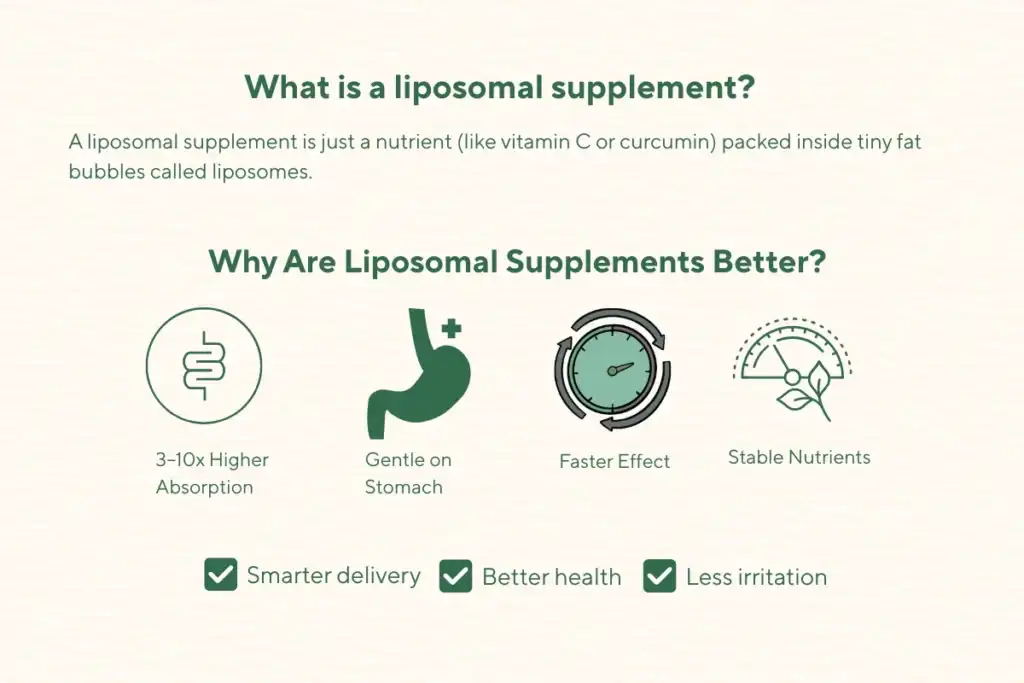
When compared to regular solid CoQ10 forms, Liposomal Coenzyme Q10 Powder absorbs significantly better. The liposomal encapsulation technology wraps ubiquinone molecules in phospholipid bilayers that look like the structures of human cell membranes. This lets the molecules go straight through the digestive walls without breaking down. Because they are so big and don't dissolve well in water, regular CoQ10 powders only have bioavailability rates below 5%. This nano-lipid delivery method raises the amounts in the plasma three to ten times. The new formula solves the basic absorption problems that have generally kept this important antioxidant molecule from being used in medicine.
Understanding Global B2B Procurement Challenges in Nutraceutical Ingredients
In the nutraceutical and pharmaceutical industries, procurement workers are under more and more pressure to find ingredients that meet strict legal standards and have been shown to work. It gets trickier when you're working with specialized chemicals like CoQ10, because problems with bioavailability have a direct effect on how well the product works and how competitive it is in the market.
Supply Chain Complexities in Active Ingredient Sourcing
There are several checks in the world supply chain for high-purity plant extracts. Analytical Certifications, stability data, and manufacturing accuracy across different production runs must all be looked at by procurement teams. Delays in clearing customs, problems with paperwork, and quality control checks can add weeks to the buying cycle. When looking for new formulations, we've seen that businesses that don't have established relationships with certified makers often have to wait an average of 4 to 6 weeks for their projects to finish. The situation gets even more difficult when governing bodies say that new delivery methods need more testing.
Regulatory Compliance Demands
Formulators of dietary supplements have to deal with FDA rules, Good Manufacturing Practices for dietary supplements, and foreign standards all at the same time. Labeling rules, health claims that are allowed, and testing methods for scientific purposes are different for each market. Liposomal products need more attention when it comes to the spread of particle sizes, the effectiveness of encapsulation, and the specs of the phospholipids. Certificates of Analysis, allergen statements, non-GMO proof, and stability studies done according to ICH standards are all part of the paperwork that needs to be filled out. Companies that don't have strong quality management systems have a hard time giving the detailed paperwork that purchasing departments need before they will approve something.
Cost Control Without Compromising Quality
There is more to the business equation than just unit price. Higher absorption ingredients let you lower the amount, which means smaller capsules, lower costs for excipients, and lighter shipping weights. A mixture with 100 mg of Liposomal Coenzyme Q10 Powder may give the same bloodstream amounts as 300 mg of crystalline material, which would completely change the cost-benefit comparison. Purchasing professionals need to look at the total economics of the recipe, not just the prices of raw materials.
Strategic Procurement Solutions for Industrial Clients
For ingredient sources to work, R&D goals, legal limits, and production skills must all be in sync. Buying commodities is not at all the same as this method.
Vendor Consolidation and Technical Partnership
Leading nutraceutical businesses don't keep ties with dozens of ingredient providers. Instead, they focus their sourcing on manufacturers with broad product lines and uniform quality standards. This approach makes auditing easier and makes managing documents easier. A company that offers more than 400 standardized botanical extracts under unified cGMP standards makes regulatory paperwork easier and speeds up the time it takes to make new products. It's just as important to have expert support—being able to talk to formulation scientists who know about lipid chemistry, oxidative stability, and optimizing transport systems speeds up the commercialization process.
Contract Standardization for Custom Development
When making custom ingredients, you have to think about intellectual property, minimum order requirements, and agreements for privacy. Misunderstandings that cost a lot of money can be avoided by having clear contractual frameworks that cover things like design limits, analytical method validation, and scale-up processes. Buying teams can get help from makers who have worked on secret development projects before and can offer organized processes from lab-based formulation to mass production. Starting projects with small amounts, like 1 kg for testing purposes, lowers the financial risk during the possibility assessment.
Data Analytics for Quality Trending
Statistical process control is used for receiving raw materials in advanced procurement activities. By keeping track of analytical data across multiple lots, you can see how consistent the manufacturing process is and spot any possible quality drift before it affects the finished goods. Certificates of Analysis should include specific information like particle size range (100–400nm for liposomal systems), packing efficiency (≥90%), and bacterial limits that meet cGMP standards. With this data-driven method, quality control can be planned ahead of time instead of being done after problems have happened.
Leveraging Technology to Enhance Procurement Efficiency
Modern ingredient shopping goes beyond traditional ways of buying things by using digital tools that make things clearer and speed up the decision-making process.
Advanced Analytical Capabilities
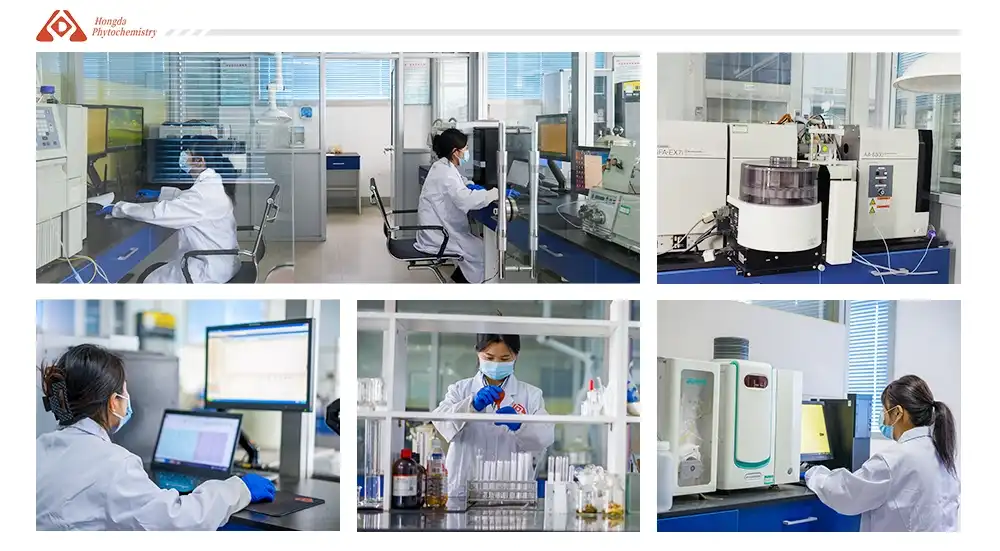
Analytical infrastructure is becoming more and more important for choosing suppliers. Technical know-how can be seen in a lab that is SGS-certified and has HPLC, particle size analyzers, and stability tanks. When working with new delivery systems where standard USP methods might not work, being able to build custom analysis methods becomes very important. Procurement teams can be sure of a consistent supply when they see real-time analysis screens with test results for production batches. Manufacturers who spend money on advanced characterization methods, like transmission electron microscopy to see liposomes or differential scanning calorimetry to check for heat stability, provide the technical information needed for regulatory applications.
Digital Communication Platforms
Shaanxi Province and the U.S. buying offices are 12 hours apart in time, so they need to be able to communicate effectively even when they are not in the same room. The procurement process is sped up when manufacturers give expert help 24 hours a day, full product documentation sites, and digital batch record access. There aren't as many emails needed to evaluate ingredients now that there are thorough technical data files, safety paperwork, and formulation guidelines available.
Process Transparency Through Certification
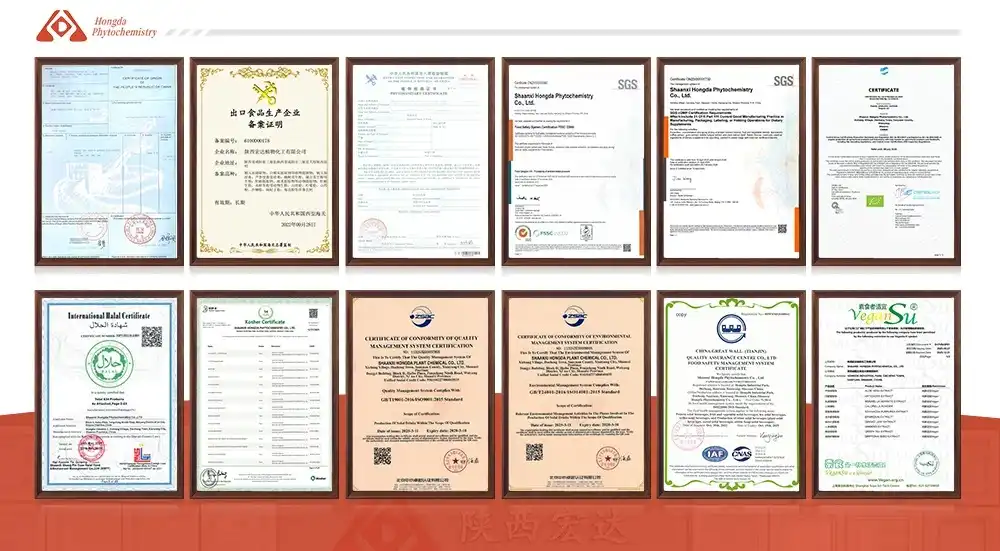
Third-party licenses are an objective way to check that a company can make something. Facilities that are registered with the FDA, have ISO 22000, FSSC 22000, BRC, or organic certifications show that they handle quality in a structured way. Being called a "Public Overseas Warehouse" means that the warehouse has product that has been cleared through customs in the target markets, which cuts wait times by a large amount. These licenses make it easier for buying teams to do their due diligence and give regulatory affairs departments peace of mind.
Building Trust and Compliance in Supplier Relationships
Long-term relationships with suppliers offer more than just routine buying; they also give businesses a competitive edge through technical cooperation and supply security.
Risk Assessment and Qualification
Facility checks are only one part of a comprehensive source qualification. Financial stability, expert staff qualifications, equipment repair programs, and deviation management systems should all be part of the evaluation process. A production team with more than 20 teachers from research universities shows that a lot of money is being spent on research and development. Scale-up capability is confirmed by checking the production capacity, which could mean having 20,000 square meters of space for manufacturing and special extraction equipment. The 24-month shelf life for Liposomal Coenzyme Q10 Powder shows that the product is stable, which is achieved by choosing the right excipients and making the best use of packing.
Certification Portfolio and Market Access
The number of licenses has a direct effect on how easy it is to get into a market. With HALAL and KOSHER approvals, you can reach more types of customers. In the natural goods market, organic approval means higher prices. BRC approval meets the needs of retailers in European markets. This full set of certifications removes barriers to market entry and speeds up the time it takes to start a product. The people in charge of buying things should make sure that the certifications are still valid and cover the items that are being bought.
Technical Collaboration to Improve Formulation
Collaborative R&D is a key part of the most important supplier ties. Custom formulation development manufacturers can make the best delivery systems for different uses, like powders that dissolve in drinks, pills that dissolve quickly, or capsules that release medicine slowly over time. Being able to change the particle size distributions, add more stabilizers, or change the phospholipid carriers makes it possible to make unique formulas that set goods apart in competitive markets. Buying basic ingredients is very different from this technology partnership model.
Overcoming Absorption Limitations of Conventional CoQ10
The drug business has known for a long time that CoQ10's healing potential is limited by its difficulty being absorbed. Knowing these problems makes it clear why people are interested in improved delivery methods.
The Bioavailability Challenge
Because ubiquinone is lipophilic and has a molecular weight of 863 Da, it is very hard to absorb. Crystalline CoQ10 doesn't dissolve well in water, which makes it hard for it to dissolve in the stomach's watery environment. Bioavailability is usually less than 5%, according to studies that checked plasma CoQ10 levels after solid material was taken by mouth. Because it isn't absorbed well, big doses—often 200 to 400 mg per day—are needed to get effective plasma concentrations. This leads to big packages and high ingredient prices, which limit formulation choices and how the product is positioned in the market.
Liposomal Encapsulation Technology
Biomimetic design is used in liposomal delivery methods to get around these basic problems. Sunflower lecithin phospholipid bilayers make nano-vesicles (100–400nm in diameter) that hold CoQ10 molecules that don't like water. These structures are made up of the same parts as human cell membranes, which makes it easier for intestinal epithelial cells to recognize and take them in. The liposomal carriers keep CoQ10 from breaking down in stomach acid and digestive enzymes while letting it go straight into the lymphatic system. This route skips the first-pass metabolism in the liver and sends undamaged CoQ10 straight into the systemic bloodstream. As a result, plasma amounts are 3–10 times higher than doses of solid material that are the same.
Manufacturing Precision Requirements
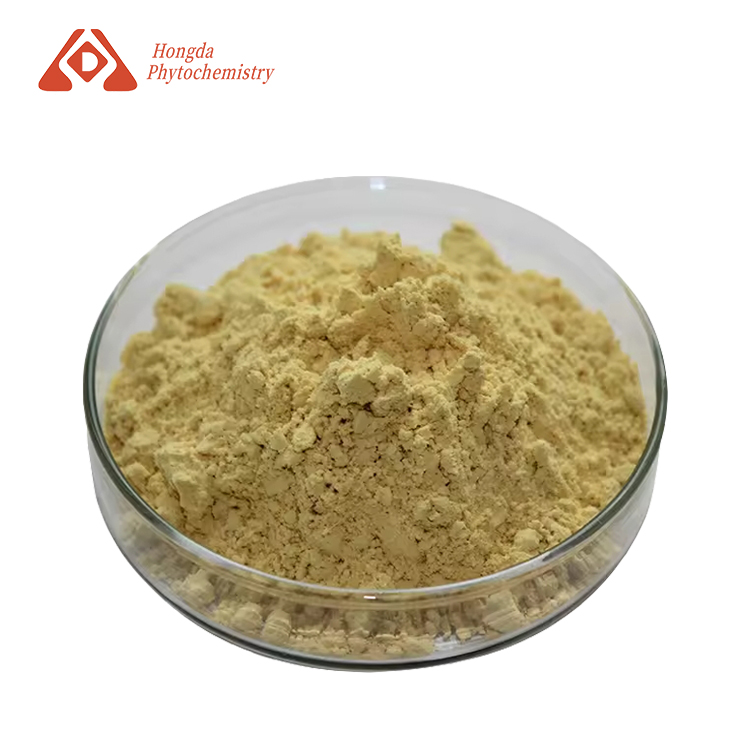
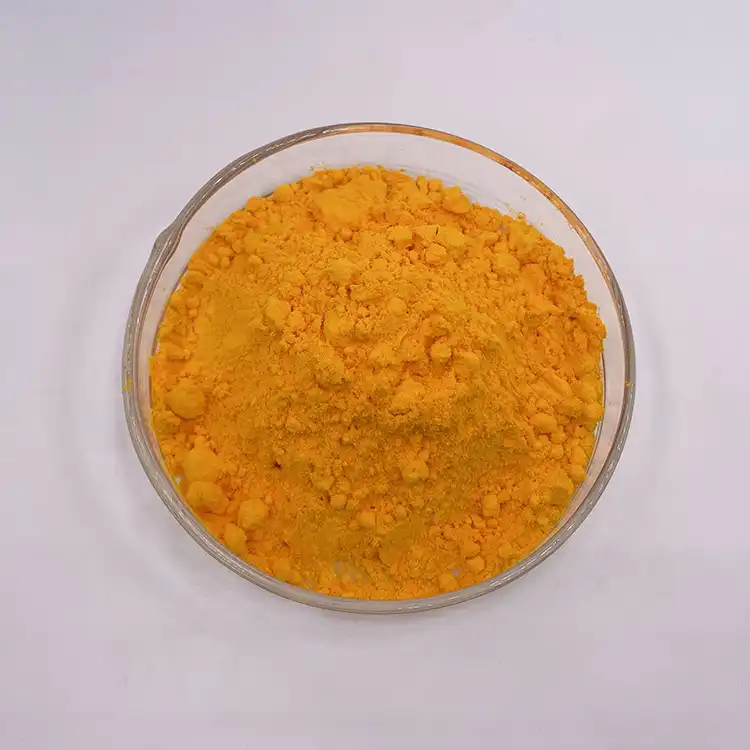
To make pharmaceutical-grade Liposomal Coenzyme Q10 Powders, you need special tools and to keep an eye on the whole process. High-pressure blending makes sure that the particle sizes are all the same. An encapsulation rate above 90% makes sure that most of the CoQ10 stays safe inside liposomal structures instead of being free crystals. Precision spray-drying, also known as lyophilization, turns liquid liposomal solutions into stable powders that don't need to be kept cold for 24 months. The powder looks yellow because ubiquinone and phospholipid carriers give it its natural color. Purity requirements of at least 70% CoQ10 content make sure that doses are always the same, and microbe testing that meets cGMP standards makes sure that the product is safe.
Formulation Advantages for Product Developers
Because Liposomal Coenzyme Q10 Powder is better at being absorbed, it opens up possibilities for a wide range of product types and release methods.
Dose Reduction and Cost Efficiency
Higher bioavailability from a liposomal coenzyme Q10 manufacturer lets you lower the dose while keeping the beneficial effect. Plasma amounts of a product containing 100 mg of liposomal CoQ10 may be the same as 300–500 mg of solid material. This three- to five-fold dose decrease changes many parts of the business of the product. Smaller capsules are easier for people to swallow and lower the cost of gelatin or veggie capsules. When you use fewer ingredients, you can add chemicals that work well together, like PQQ, alpha-lipoic acid, or vitamin E. Logistics costs go down when shipping weights and box sizes are reduced. When put together, these factors can make profit margins much higher while keeping market prices low.
Water Dispersibility for Beverage Applications
Crystalline CoQ10 usually sits on top of liquids or makes clumps that are hard to dissolve. Liposomal formulations mix quickly with water to make stable suspensions that can be used in ready-to-drink drinks, pills that fizz, or powder stick packs. This water compatibility opens up new market possibilities in functional drink areas that are growing quickly. The clean dispersion properties are good for beauty-from-within drinks, energy shots, and sports nutrition drinks. The bland taste of properly made liposomal CoQ10 means that less flavor hiding is needed than with crystalline material, which can have bitter notes.
Formulation Stability Considerations
Oxidative stability is a very important issue with CoQ10 formulas. Oxidation can happen to the ubiquinone form, which makes it less effective over time. In addition to improving uptake, liposome Packaging also protects. The phospholipid membrane protects CoQ10 from oxygen, and the powder form gets rid of the water activity that breaks it down faster. Liposomal CoQ10 powder that has been properly made stays effective for 24 months without having to be refrigerated or flushed with nitrogen. This advantage of stability makes it easier to handle operations for delivery and storage needs in stores.
Quality Verification and Manufacturing Standards
Before buying advanced delivery systems, you need to do a thorough quality check that goes beyond just checking the CoQ10 content.
Analytical Characterization Requirements
Full Certificates of Analysis should list a lot of different factors. HPLC testing shows the quality and amount of CoQ10. Dynamic light scattering measurements of particle size distribution show that liposomes are in the best size range (100–400nm) for absorption in the intestines. The amount of CoQ10 that is successfully incorporated into liposomal structures compared to free solid material can be measured using encapsulation efficiency tests. Analysis of phospholipid content and composition supports carrier specs. Powder's flowability and steadiness are affected by how much moisture it has. Testing for heavy metals, herbicide residues, and microbial pollution makes sure that safety rules are followed. Manufacturers who offer this complete analysis package show that they are technically skilled and dedicated to quality.
Manufacturing Facility Expectations
As part of the site qualification process, cGMP-compliant production settings with the right cleanroom classes for powder handling should be checked. Cross-contamination from other plant products is avoided by using equipment that is only used for making liposomes. Validated cleaning protocols, programs for calibrating equipment, and preventative repair plans are all signs of operating maturity. The fact that there are 10 full extraction production lines says that there is enough industrial capacity to meet rising demand. Programs for keeping an eye on the environment, getting rid of pests, and following rules for staff health all help make sure that products are safe and of consistent quality.
Regulatory Documentation Support
Complete legal paperwork is needed for the product to start going well. Manufacturers should give full lists of ingredients, allergy warnings, GMO status reports, and proof of where their products come from. For organic claims, you need to have approved organic certificates that list the ingredients and the times they were made. Religious certifications like HALAL and KOSHER need to be renewed every year and come with paperwork that is unique to each lot. Claims about a finished product's shelf life can be backed up by stability studies done under ICH settings (40°C/75%RH and 25°C/60%RH). Regulatory support letters, generally recognized as safe (GRAS) documents, and novel food status ratings make it easier for new foods to get into regulated markets.
Conclusion
Liposomal Coenzyme Q10 Powder technology is a big step forward in getting CoQ10 to where it needs to go, because it solves the problems with bioavailability that have plagued previous versions. The nano-lipid vesicle system has absorption rates that are 3–10 times higher than solid material. This means that doses can be lowered, product costs can be cut, and more manufacturing options can be opened up. Finding makers with proven liposomal production skills, complete analytical infrastructure, and quality systems that meet foreign standards is key to a successful procurement process. These advanced transport systems are very complicated technically, so they need relationships with suppliers that include working together on research and development, getting help from regulators, and making sure that the systems are reliable. Shaanxi Hongda Phytochemistry is a qualified liposomal coenzyme Q10 manufacturer for discerning B2B clients because they have more than 20 years of experience working with plant extracts, an SGS-certified laboratory, cGMP facilities, and a large collection of certifications.
FAQWhat makes liposomal CoQ10 absorb better than regular CoQ10?
Liposomal Coenzyme Q10 Powder versions put CoQ10 inside phospholipid bilayers that look like the shapes of cell membranes. This lets them go straight through the intestines' walls and into the lymphatic system, skipping the liver's first-pass processing. Crystalline CoQ10 doesn't dissolve well in water, so it can only be absorbed at low levels (below 5%). Liposomal release, on the other hand, can reach 3–10 times higher plasma amounts.
How is liposomal CoQ10 powder manufactured?
High-pressure churning makes liposomes that are 100 to 400 nm in size and contain CoQ10 inside phospholipid carriers made from sunflower lecithin. Lyophilization, also known as precision spray-drying, is used to turn the liquid liposomal solution into a stable Liposomal Coenzyme Q10 Powder that can be stored for a longer time. Strict process controls make sure that the particles are all the same size and that the sealing works at least 90% of the time.
What purity level should I expect in quality liposomal CoQ10 powder?
Pharmaceutical-grade Liposomal Coenzyme Q10 Powder should have at least 70% ubiquinone and come with full analysis reports that show the particle size distribution, encapsulation efficiency, phospholipid makeup, and microbial testing results. Complete Certificates of Analysis show that the standards were met and that the manufacturing process was the same for all runs.
Partner with a Trusted Liposomal Coenzyme Q10 Powder Supplier
Shaanxi Hongda Phytochemistry provides Liposomal Coenzyme Q10 Powder that is of medicinal grade and has been specially designed to be better absorbed and mixed with other ingredients. Our nano-encapsulation technology achieves encapsulation efficiency of at least 90% with particle sizes adjusted between 100 and 400nm. This gives your goods the bioavailability edge they need. We meet the standards of global markets with our FDA registration, cGMP, ISO 22000, HALAL, KOSHER, and BRC certificates. Our research and development team is made up of more than 20 research professors who help with unique recipe development from small orders of 1 kg to large-scale production. Get in touch with duke@hongdaherb.com to talk about your unique ingredient needs and find out how our technical skills can help you speed up the development of your product.
References
1. Bhagavan, H.N. & Chopra, R.K. (2007). "Plasma coenzyme Q10 response to oral ingestion of coenzyme Q10 formulations." Mitochondrion, 7(Supplement), S78-S88.
2. Judy, W.V., Stogsdill, W.W., & Folkers, K. (1993). "Myocardial preservation by therapy with coenzyme Q10 during heart surgery." Clinical Investigator, 71(8 Supplement), S155-S161.
3. Shults, C.W., Haas, R.H., & Beal, M.F. (1999). "A possible role of coenzyme Q10 in the etiology and treatment of Parkinson's disease." BioFactors, 9(2-4), 267-272.
4. Singh, R.B., Niaz, M.A., & Kumar, A. (2005). "Randomized, double-blind placebo-controlled trial of coenzyme Q10 in chronic renal failure." Journal of Nutritional & Environmental Medicine, 15(1), 25-33.
5. Weis, M., Mortensen, S.A., & Rassing, M.R. (1994). "Bioavailability of four oral coenzyme Q10 formulations in healthy volunteers." Molecular Aspects of Medicine, 15(Supplement), s273-s280.
6. Zhang, Y., Liu, J., & Chen, X.Q. (2018). "Nano-encapsulation technology for coenzyme Q10 delivery systems: Current advances and future perspectives." Journal of Functional Foods, 43, 1-12.





YOU MAY LIKE