Why Do They Put Taurine In Energy Drinks?
2025-08-30 15:58:02
Energy drinks have become a ubiquitous part of modern life, promising to boost energy, improve focus, and enhance physical performance. Among the various ingredients found in these popular beverages, taurine powder stands out as a common component. But why do manufacturers include taurine in their energy drink formulations? This blog post will explore the role of taurine in energy drinks, its potential benefits, and address some common questions surrounding this intriguing amino acid.
Among Hongda Phytochemistry Co., Ltd.'s exceptional offerings is the Taurine Powder Bulk, which boasts numerous advantages worth exploring. For detailed information about this product or any other inquiries, please don't hesitate to Contact Us at duke@hongdaherb.com.
Is taurine powder the same as energy drink taurine?
When discussing taurine in energy drinks, it's natural to wonder about the relationship between taurine powder and the taurine found in these beverages. In essence, they are the same compound, but their presentation and usage differ.
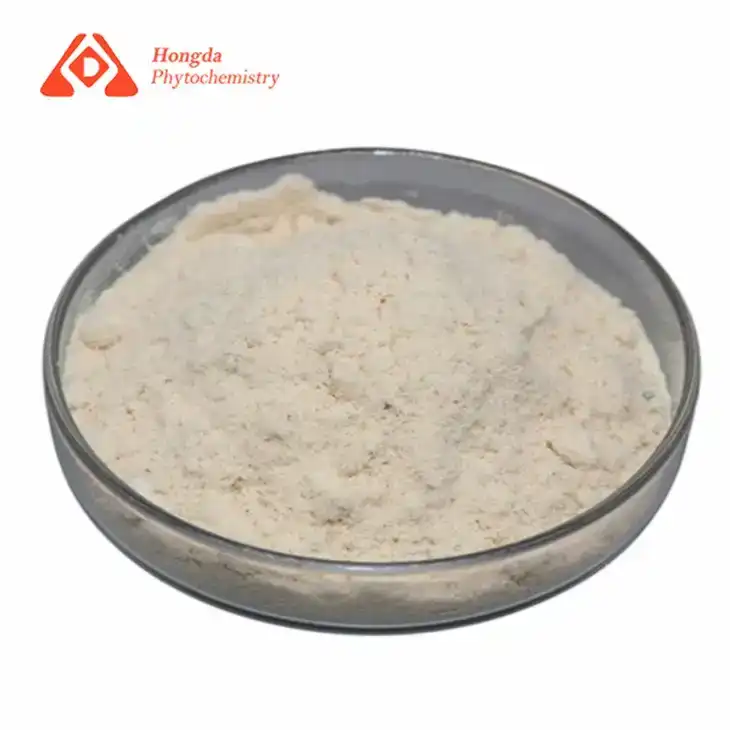
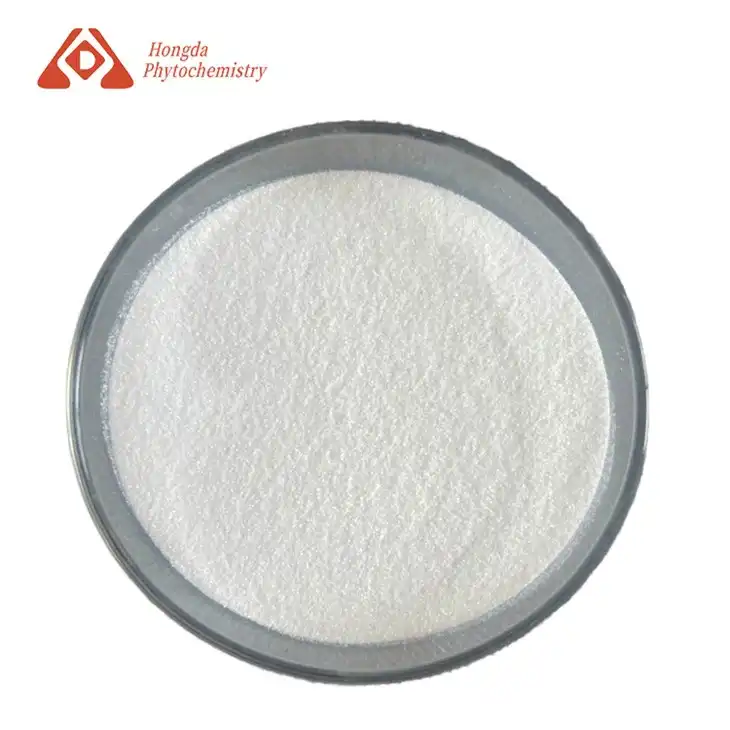
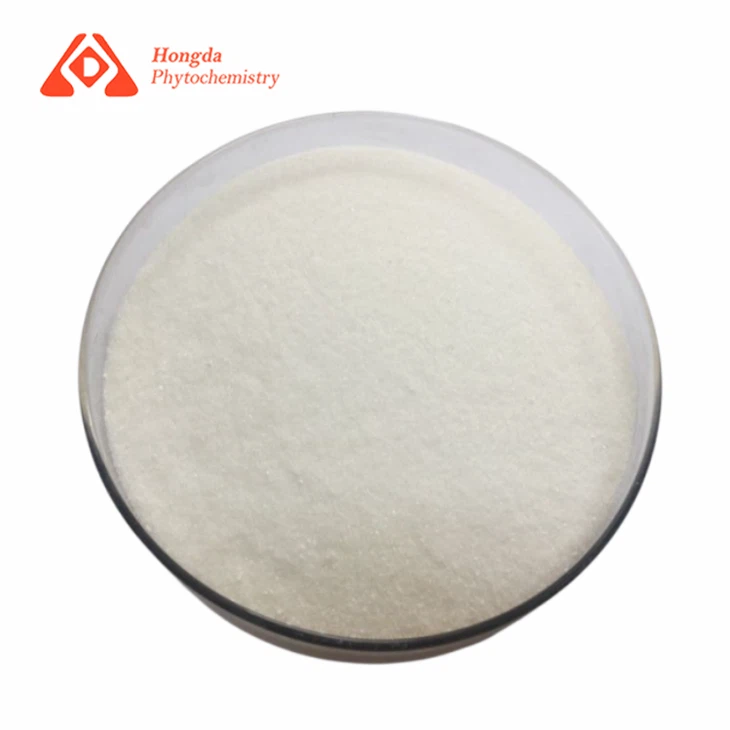
Taurine powder is the pure, isolated form of taurine, typically sold as a dietary supplement. It's a fine, white crystalline powder that can be mixed with liquids or added to foods. This form allows for precise dosing and flexibility in consumption.
On the other hand, taurine in energy drinks is the same compound, but it's already dissolved in the beverage. Manufacturers add a specific amount of taurine to their energy drink formulations during the production process. The taurine becomes part of the liquid mixture, along with other ingredients like caffeine, B-vitamins, and sweeteners.
The primary difference lies in how they are consumed and their concentration. Taurine powder gives users control over their dosage and allows for customization, while taurine in energy drinks comes in a pre-determined amount set by the manufacturer.
It's worth noting that the taurine content in energy drinks can vary significantly between brands and products. Some energy drinks may contain as little as 200 mg per serving, while others may have up to 2,000 mg or more. In contrast, taurine powder supplements typically recommend dosages ranging from 500 mg to 3,000 mg per day, depending on the intended use and individual needs.
Despite these differences in presentation and concentration, the taurine molecule itself remains the same whether it's in powder form or dissolved in an energy drink. Both forms can potentially offer similar benefits, although the overall effect may differ due to the presence of other ingredients in energy drinks.
When considering taurine supplementation, it's essential to consult with a healthcare professional to determine the appropriate dosage and form that best suits your individual needs and health goals. While taurine is generally considered safe for most people, excessive consumption may lead to adverse effects, particularly when combined with other stimulants present in energy drinks.
How much taurine is in Red Bull?
Red Bull, one of the most popular energy drinks worldwide, is often associated with taurine due to its name's similarity to the compound. However, many consumers are unaware of the actual taurine content in this iconic beverage. Let's delve into the specifics of taurine in Red Bull and compare it to other energy drinks on the market.
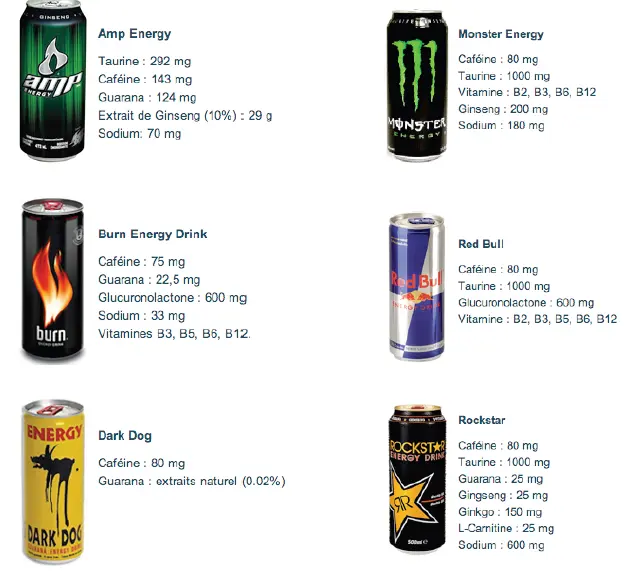
A standard 8.4 fl oz (250 ml) can of Red Bull contains approximately 1,000 mg of taurine. This amount has remained consistent since the drink's introduction in 1987 and is based on the company's proprietary formula. Red Bull's taurine content is often used as a benchmark for other energy drinks, as it was one of the first to popularize the inclusion of this amino acid in its formulation.
To put this into perspective, let's compare Red Bull's taurine content with some other well-known energy drink brands:
1. Monster Energy: A 16 fl oz (473 ml) can of Monster Energy contains about 2,000 mg of taurine, which is twice the amount found in Red Bull when adjusted for volume.
2. Rockstar: Similar to Monster, a 16 fl oz can of Rockstar Energy typically contains around 2,000 mg of taurine.
3. NOS: This energy drink contains about 600 mg of taurine per 16 fl oz can, which is less than Red Bull when adjusted for volume.
4. 5-Hour Energy: Despite its small size (1.93 fl oz or 57 ml), this energy shot contains approximately 467 mg of taurine.
5. Bang Energy: Interestingly, Bang Energy drinks do not contain taurine, focusing instead on other ingredients like creatine and BCAAs.
It's important to note that while Red Bull's taurine content is significant, it's not the highest on the market. Some energy drinks, particularly those marketed as "extra strength" or "maximum energy," may contain even higher levels of taurine, sometimes exceeding 3,000 mg per serving.
The amount of taurine in Red Bull and other energy drinks is generally considered safe for most healthy adults. The European Food Safety Authority (EFSA) has stated that up to 3,000 mg of supplemental taurine per day is unlikely to cause adverse effects. However, it's crucial to remember that energy drinks often contain other stimulants, such as caffeine, which may interact with taurine and potentially amplify its effects.
While the taurine content in Red Bull and other energy drinks is often highlighted for its potential benefits, it's essential to consider the beverage as a whole. The effects of energy drinks are not solely attributable to taurine but result from the combination of various ingredients, including caffeine, B-vitamins, and sugars.
Consumers should be aware of their overall intake of energy drinks and their ingredients, particularly when consuming multiple servings per day. It's always advisable to read labels carefully and consult with a healthcare professional if you have any concerns about your energy drink consumption or taurine intake.
What are the benefits of taurine powder?
Taurine powder, as a dietary supplement, has gained popularity in recent years due to its potential health benefits. While taurine is naturally present in some foods and synthesized by the body, supplementation with taurine powder may offer additional advantages. Let's explore the potential benefits of taurine powder and why it has become a sought-after supplement.
1. Athletic Performance Enhancement
One of the primary reasons people turn to taurine powder is its potential to improve athletic performance. Research suggests that taurine supplementation may:
- Increase exercise capacity: Studies have shown that taurine can enhance endurance and reduce fatigue during high-intensity exercise.
- Improve muscle function: Taurine plays a role in regulating calcium levels in muscle cells, which may lead to improved muscle contraction and reduced muscle damage.
- Accelerate recovery: Some evidence indicates that taurine may help reduce exercise-induced muscle soreness and inflammation, potentially speeding up recovery between workouts.
2. Cardiovascular Health
Taurine has been associated with various cardiovascular benefits, making it an interesting supplement for heart health:
- Blood pressure regulation: Some studies suggest that taurine supplementation may help lower blood pressure in individuals with hypertension.
- Cholesterol management: Taurine may help reduce LDL (bad) cholesterol levels and increase HDL (good) cholesterol, potentially improving overall lipid profiles.
- Antioxidant properties: As an antioxidant, taurine may help protect the heart and blood vessels from oxidative stress and inflammation.
3. Cognitive Function and Neuroprotection
Taurine's potential effects on brain health have garnered attention in recent years:
- Neuroprotective effects: Taurine may help protect neurons from damage and degeneration, potentially offering benefits for conditions like Alzheimer's and Parkinson's disease.
- Mood regulation: Some research suggests that taurine may have antidepressant-like effects and help regulate mood.
- Cognitive enhancement: Taurine supplementation may improve cognitive performance, particularly in areas like memory and focus.
4. Metabolic Health
Taurine powder may offer benefits for metabolic health and weight management:
- Blood sugar regulation: Some studies indicate that taurine may help improve insulin sensitivity and glucose metabolism, potentially benefiting individuals with or at risk of type 2 diabetes.
- Fat metabolism: Taurine may play a role in fat oxidation and energy expenditure, potentially supporting weight loss efforts.
- Liver health: Taurine has been shown to have hepatoprotective properties, potentially helping to prevent or alleviate liver damage.
5. Eye Health
Taurine is found in high concentrations in the retina and may offer benefits for eye health:
- Protection against retinal degeneration: Taurine may help protect retinal cells from oxidative damage and light-induced injury.
- Prevention of diabetic retinopathy: Some research suggests that taurine supplementation may help prevent or slow the progression of diabetic retinopathy.
6. Immune System Support
Taurine has been shown to have immunomodulatory effects, potentially supporting overall immune function:
- Anti-inflammatory properties: Taurine may help reduce inflammation throughout the body, which is associated with various chronic diseases.
- Enhanced immune cell function: Some studies suggest that taurine may improve the function of certain immune cells, potentially boosting the body's ability to fight off infections.
7. Sleep Quality Improvement
While not as well-studied as some of its other effects, taurine may have benefits for sleep:
- Sleep onset: Some people report that taurine supplementation helps them fall asleep more easily.
- Sleep quality: Taurine may help improve overall sleep quality, potentially due to its effects on neurotransmitter balance and stress reduction.
It's important to note that while these potential benefits are promising, more research is needed to fully understand the effects of taurine supplementation across various populations and conditions. Additionally, individual responses to taurine powder may vary, and it's always advisable to consult with a healthcare professional before starting any new supplement regimen.
When considering taurine powder supplementation, it's crucial to follow recommended dosages and be aware of potential interactions with medications or other supplements. While taurine is generally considered safe for most people, excessive consumption may lead to side effects such as nausea, headaches, or dizziness.

In conclusion, taurine powder offers a range of potential benefits, from enhancing athletic performance to supporting cardiovascular and cognitive health. As research continues to uncover the multifaceted effects of this amino acid, taurine powder remains an intriguing supplement for those looking to optimize their health and well-being.
Hongda Phytochemistry Co., Ltd. offers the advantage of direct production, allowing us to accept customized orders for both production and Packaging. We understand the importance of meeting specific requirements, and our team is dedicated to delivering tailored solutions.
To ensure customer satisfaction, we provide free samples, allowing you to experience the quality of our products firsthand. Additionally, our commitment to innovation is evident through our new capsule production workshop, which enables us to customize capsule products according to your needs.
We actively participate in global Exhibitions, including prominent events such as European CPHI, European International Vitafoods, European Food Ingredients Exhibition FIE, Functional Food and Healthy Food Exhibition FFFI, American SSE, and more. This global presence highlights our dedication to staying at the forefront of the industry and connecting with customers worldwide.
Among our exceptional offerings is the Taurine Powder Bulk, which boasts numerous advantages worth exploring. For detailed information about this product or any other inquiries, please don't hesitate to contact us at duke@hongdaherb.com. We look forward to providing you with outstanding products and services that meet your unique requirements.
References
1. Ripps, H., & Shen, W. (2012). Review: Taurine: A "very essential" amino acid. Molecular Vision, 18, 2673-2686.
2. Waldron, M., Patterson, S. D., Tallent, J., & Jeffries, O. (2018). The Effects of Oral Taurine on Resting Blood Pressure in Humans: A Meta-Analysis. Current Hypertension Reports, 20(9), 81.
3. Oja, S. S., & Saransaari, P. (2007). Pharmacology of taurine. Proceedings of the Western Pharmacology Society, 50, 8-15.
4. Schaffer, S., & Kim, H. W. (2018). Effects and Mechanisms of Taurine as a Therapeutic Agent. Biomolecules & Therapeutics, 26(3), 225-241.
5. Kurtz, J. A., VanDusseldorp, T. A., Doyle, J. A., & Otis, J. S. (2021). Taurine in sports and exercise. Journal of the International Society of Sports Nutrition, 18(1), 39.
6. Menzie, J., Pan, C., Prentice, H., & Wu, J. Y. (2014). Taurine and central nervous system disorders. Amino Acids, 46(1), 31-46.
7. Ahn, C. S. (2009). Effect of taurine supplementation on plasma homocysteine levels of the middle-aged Korean women. Advances in Experimental Medicine and Biology, 643, 415-422.
8. Seidel, U., Huebbe, P., & Rimbach, G. (2019). Taurine: A Regulator of Cellular Redox Homeostasis and Skeletal Muscle Function. Molecular Nutrition & Food Research, 63(16), e1800569.
9. Jakaria, M., Azam, S., Haque, M. E., Jo, S. H., Uddin, M. S., Kim, I. S., & Choi, D. K. (2019). Taurine and its analogs in neurological disorders: Focus on therapeutic potential and molecular mechanisms. Redox Biology, 24, 101223.
10. Red Bull GmbH. (2021). Red Bull Energy Drink Ingredients. Retrieved from https://energydrink-us.redbull.com/en/red-bull-ingredients