Should I Take Quercetin Or CoQ10?
2025-08-30 15:56:49
In the world of dietary supplements, quercetin and Coenzyme Q10 (CoQ10) have gained significant attention for their potential health benefits. As more people turn to natural ways to support their well-being, the question arises: should you take quercetin or CoQ10? Both of these supplements offer unique advantages, and understanding their properties can help you make an informed decision about which one might be right for you. In this article, we'll explore the benefits of quercetin and CoQ10, compare their effects, and discuss how they might work together to support your overall health.
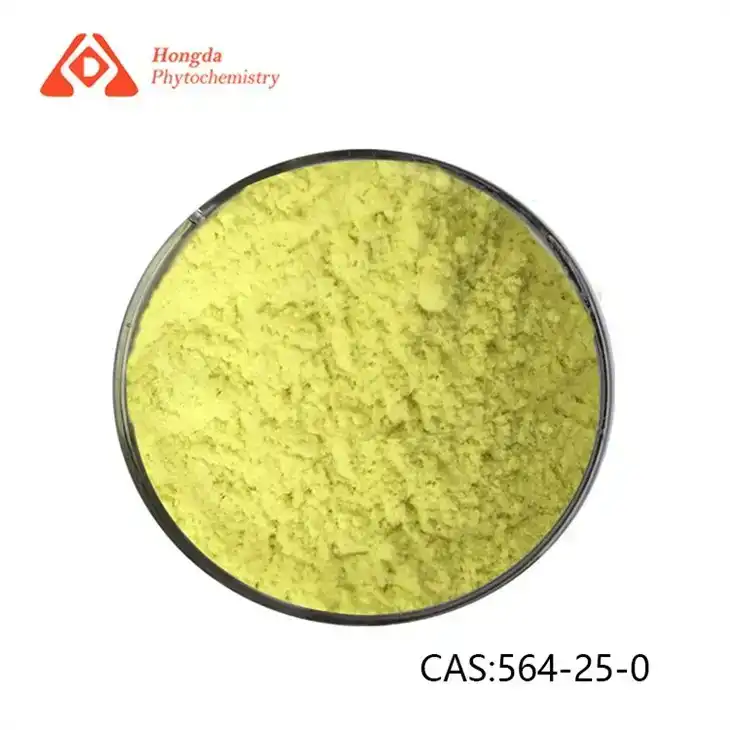
Hongda Phytochemistry Co., Ltd. offers the advantage of providing free samples, allowing you to experience the quality of our products firsthand. We are proud to announce the establishment of our new capsule production workshop, which enables us to customize capsule products according to your specific needs and preferences. Our Quercetin Dihydrate Powder has earned acclaim for its exceptional quality. As a reliable and consistent supplier, we look forward to establishing a long-term and stable cooperative relationship with you. Please feel free to Contact Us at duke@hongdaherb.com for further information. We are dedicated to delivering outstanding products and services that meet your unique requirements.
What are the key differences between Quercetin and CoQ10?
Quercetin and CoQ10 are both powerful antioxidants, but they have distinct characteristics and functions within the body. Understanding these differences can help you determine which supplement might be more suitable for your specific health needs.
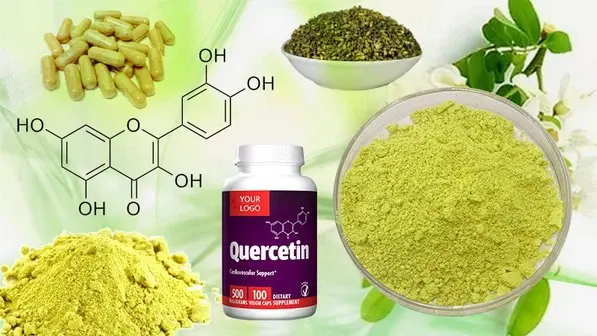
Quercetin is a flavonoid, a type of plant pigment found naturally in many fruits, vegetables, and grains. It's known for its potent antioxidant and anti-inflammatory properties. Quercetin has been studied for its potential to support cardiovascular health, reduce allergy symptoms, and boost the immune system. One of the unique aspects of quercetin is its ability to act as a zinc ionophore, potentially enhancing the absorption and effectiveness of zinc in the body.
On the other hand, CoQ10 is a compound that our bodies produce naturally. It plays a crucial role in energy production within our cells, particularly in the mitochondria. CoQ10 levels tend to decrease as we age, which is why supplementation has become popular, especially among older adults. This coenzyme is vital for heart health, energy metabolism, and may help reduce the side effects of certain medications, such as statins.
When it comes to absorption and bioavailability, quercetin and CoQ10 have different profiles. Quercetin, especially in its powdered form, can be easily absorbed by the body when taken with a source of fat. CoQ10, however, is fat-soluble and is best absorbed when taken with a meal containing healthy fats.
The dosage recommendations for these supplements also differ. Typical quercetin doses range from 500 to 1000 mg per day, while CoQ10 dosages can vary from 30 to 200 mg daily, depending on the specific health concern being addressed. It's important to note that the optimal dosage can vary based on individual factors, so consulting with a healthcare professional is always recommended.
How can Quercetin Powder boost your immune system?
Quercetin Powder has gained attention for its potential to enhance immune function, making it a popular supplement choice for those looking to support their body's natural defenses. Let's explore how this powerful flavonoid can potentially boost your immune system and why it's becoming increasingly popular among health enthusiasts.
One of the primary ways quercetin powder may support immune function is through its potent antioxidant properties. Antioxidants play a crucial role in protecting our cells from damage caused by free radicals, which are unstable molecules that can harm cellular structures and contribute to various health issues. By neutralizing these free radicals, quercetin helps maintain the integrity of immune cells, allowing them to function optimally.
Furthermore, quercetin has been shown to have immunomodulatory effects, meaning it can help regulate the immune response. This is particularly important because an overactive immune system can lead to allergies and autoimmune disorders, while an underactive one can leave us susceptible to infections. Quercetin's ability to modulate the immune system may help strike a balance, supporting a more robust and efficient immune response.
Research has also suggested that quercetin may enhance the production and activity of certain immune cells. For instance, some studies have shown that quercetin can increase the production of T-lymphocytes, which are crucial for identifying and eliminating infected or abnormal cells in the body. This enhancement of immune cell function could potentially lead to a more effective immune response against various pathogens.
Another interesting aspect of quercetin's immune-boosting potential is its anti-inflammatory properties. Chronic inflammation can suppress immune function and make the body more vulnerable to infections. By reducing inflammation, quercetin may help create a more favorable environment for optimal immune function.
Quercetin's role as a zinc ionophore is particularly intriguing when it comes to immune support. Zinc is an essential mineral known for its immune-boosting properties, and quercetin's ability to enhance zinc absorption and transport into cells could amplify these benefits. This synergistic effect between quercetin and zinc has led some researchers to explore their combined use in supporting immune health.
The powder form of quercetin offers several advantages when it comes to boosting immune function. Quercetin powder is typically more bioavailable than other forms, meaning the body can absorb and utilize it more effectively. This increased bioavailability may lead to more pronounced immune-supporting effects. Additionally, the powder form allows for flexible dosing, making it easy to adjust the amount based on individual needs or as recommended by a healthcare professional.
Many people find that incorporating quercetin powder into their daily routine is relatively simple. It can be mixed into smoothies, juices, or other beverages, making it a convenient option for those looking to support their immune system. Some individuals report feeling more resilient against common colds and other minor infections when regularly supplementing with quercetin powder, although more research is needed to confirm these anecdotal reports.
Can combining Quercetin and CoQ10 enhance their health benefits?
The potential synergy between quercetin and CoQ10 has sparked interest among researchers and health enthusiasts alike. While both supplements offer unique benefits on their own, combining them may lead to enhanced overall health effects. Let's explore how these two powerful compounds might work together to provide even greater support for your well-being.
One of the most exciting aspects of combining quercetin and CoQ10 is their complementary antioxidant properties. Quercetin is a potent flavonoid antioxidant that can neutralize free radicals directly, while CoQ10 not only acts as an antioxidant itself but also helps regenerate other antioxidants in the body. This dual action could potentially create a more robust defense against oxidative stress, which is implicated in various health issues and the aging process.
Cardiovascular health is an area where the combination of quercetin and CoQ10 may shine. Quercetin has been studied for its potential to support healthy blood pressure levels and improve endothelial function, which is crucial for cardiovascular health. CoQ10, on the other hand, is well-known for its role in heart health, particularly in supporting energy production in heart muscle cells. By combining these supplements, you may be providing your cardiovascular system with comprehensive support, addressing multiple aspects of heart health simultaneously.
Energy production and metabolism are other areas where the quercetin-CoQ10 combination could prove beneficial. CoQ10 is a key player in the electron transport chain, which is responsible for producing energy in our cells. Quercetin, while not directly involved in energy production, has been shown to have potential benefits for metabolic health. Some studies suggest that quercetin may help improve insulin sensitivity and glucose metabolism. By combining these supplements, you might be supporting both energy production at the cellular level and overall metabolic function.
The immune-boosting properties of quercetin, combined with CoQ10's role in cellular energy production, could potentially create a powerful duo for supporting overall immune function. Adequate energy production is crucial for immune cells to function optimally, and the antioxidant properties of both compounds may help protect immune cells from damage. This synergistic effect could potentially lead to a more resilient immune system.
Another intriguing aspect of combining quercetin and CoQ10 is their potential to support healthy aging. Both compounds have been studied for their anti-aging properties, with quercetin showing promise in supporting cellular health and CoQ10 being crucial for maintaining energy levels as we age. By addressing multiple aspects of the aging process, from oxidative stress to energy production, this combination might offer comprehensive support for healthy aging.
It's worth noting that the absorption and bioavailability of these supplements can be enhanced when taken together. CoQ10 is fat-soluble, and its absorption can be improved when taken with a source of fat. Quercetin, while water-soluble, also benefits from being taken with a small amount of fat. By combining these supplements and taking them with a meal containing healthy fats, you may be optimizing their absorption and effectiveness.
While the potential benefits of combining quercetin and CoQ10 are exciting, it's important to approach supplementation with a balanced perspective. More research is needed to fully understand the long-term effects and optimal dosages of this combination. As with any supplementation regimen, it's crucial to consult with a healthcare professional before starting, especially if you have pre-existing health conditions or are taking medications.
In conclusion, while quercetin and CoQ10 offer significant benefits individually, their combination may provide even greater support for various aspects of health. From enhanced antioxidant protection to comprehensive cardiovascular support and potential anti-aging effects, the synergy between these two supplements is an exciting area of study. As research continues to evolve, we may uncover even more ways in which quercetin and CoQ10 can work together to support our health and well-being.
Please feel free to contact us at duke@hongdaherb.com for further information.
References
1. Anand David, A. V., Arulmoli, R., & Parasuraman, S. (2016). Overviews of Biological Importance of Quercetin: A Bioactive Flavonoid. Pharmacognosy Reviews, 10(20), 84-89.
2. Hernández-Camacho, J. D., Bernier, M., López-Lluch, G., & Navas, P. (2018). Coenzyme Q10 Supplementation in Aging and Disease. Frontiers in Physiology, 9, 44.
3. Li, Y., Yao, J., Han, C., Yang, J., Chaudhry, M. T., Wang, S., Liu, H., & Yin, Y. (2016). Quercetin, Inflammation and Immunity. Nutrients, 8(3), 167.
4. Xu, H., Zhong, L., Deng, J., Peng, J., Dan, H., Zeng, X., Li, T., & Chen, Q. (2020). High expression of ACE2 receptor of 2019-nCoV on the epithelial cells of oral mucosa. International Journal of Oral Science, 12(1), 8.
5. Manach, C., Scalbert, A., Morand, C., Rémésy, C., & Jiménez, L. (2004). Polyphenols: food sources and bioavailability. The American Journal of Clinical Nutrition, 79(5), 727-747.
6. Garrido-Maraver, J., Cordero, M. D., Oropesa-Ávila, M., Fernández Vega, A., de la Mata, M., Delgado Pavón, A., de Miguel, M., Pérez Calero, C., Villanueva Paz, M., Cotán, D., & Sánchez-Alcázar, J. A. (2014). Coenzyme Q10 Therapy. Molecular Syndromology, 5(3-4), 187-197.
7. Boots, A. W., Haenen, G. R., & Bast, A. (2008). Health effects of quercetin: from antioxidant to nutraceutical. European Journal of Pharmacology, 585(2-3), 325-337.
8. Littarru, G. P., & Tiano, L. (2010). Clinical aspects of coenzyme Q10: an update. Nutrition, 26(3), 250-254.
9. Shoskes, D. A., Zeitlin, S. I., Shahed, A., & Rajfer, J. (1999). Quercetin in men with category III chronic prostatitis: a preliminary prospective, double-blind, placebo-controlled trial. Urology, 54(6), 960-963.
10. Rosenfeldt, F. L., Haas, S. J., Krum, H., Hadj, A., Ng, K., Leong, J. Y., & Watts, G. F. (2007). Coenzyme Q10 in the treatment of hypertension: a meta-analysis of the clinical trials. Journal of Human Hypertension, 21(4), 297-306.





YOU MAY LIKE