Why Choose Liposomal Iron Powder Manufacturer?
2026-05-14 15:27:21
Picking the best liposomal iron powder maker is important for the success of your product in the health and medicine markets, which are very competitive. Advanced encapsulation technology changes how manufacturers usually make iron supplements by encasing iron particles in phospholipid bilayers. This greatly increases absorption rates while getting rid of the rusty taste and stomach problems that come with regular iron salts. This new ingredient helps people who are pregnant, kids, athletes, and people with iron deficiency anemia—groups that need something that works well and is safe to use. The global iron supplement market is still growing. This is because more people are getting anemia, and people want digestible, gentle forms that work well in useful foods, drinks, and dietary supplements.
Understanding Liposomal Iron Powder and Its Market Potential
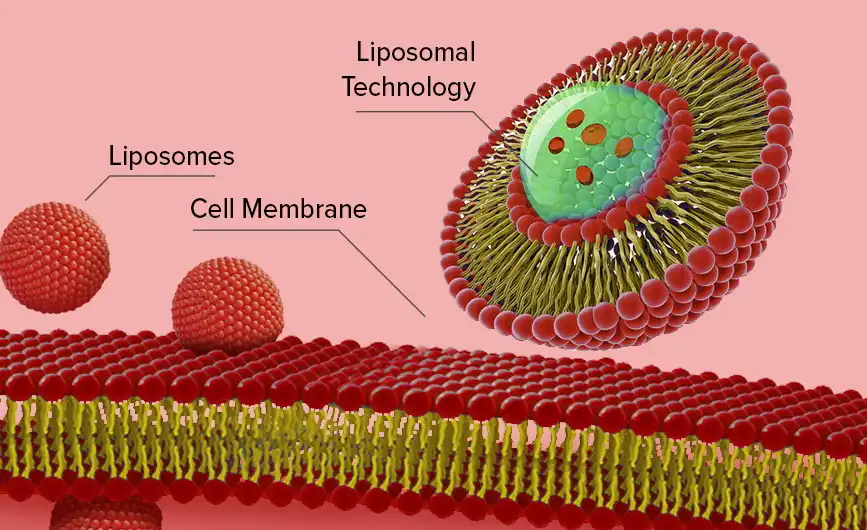
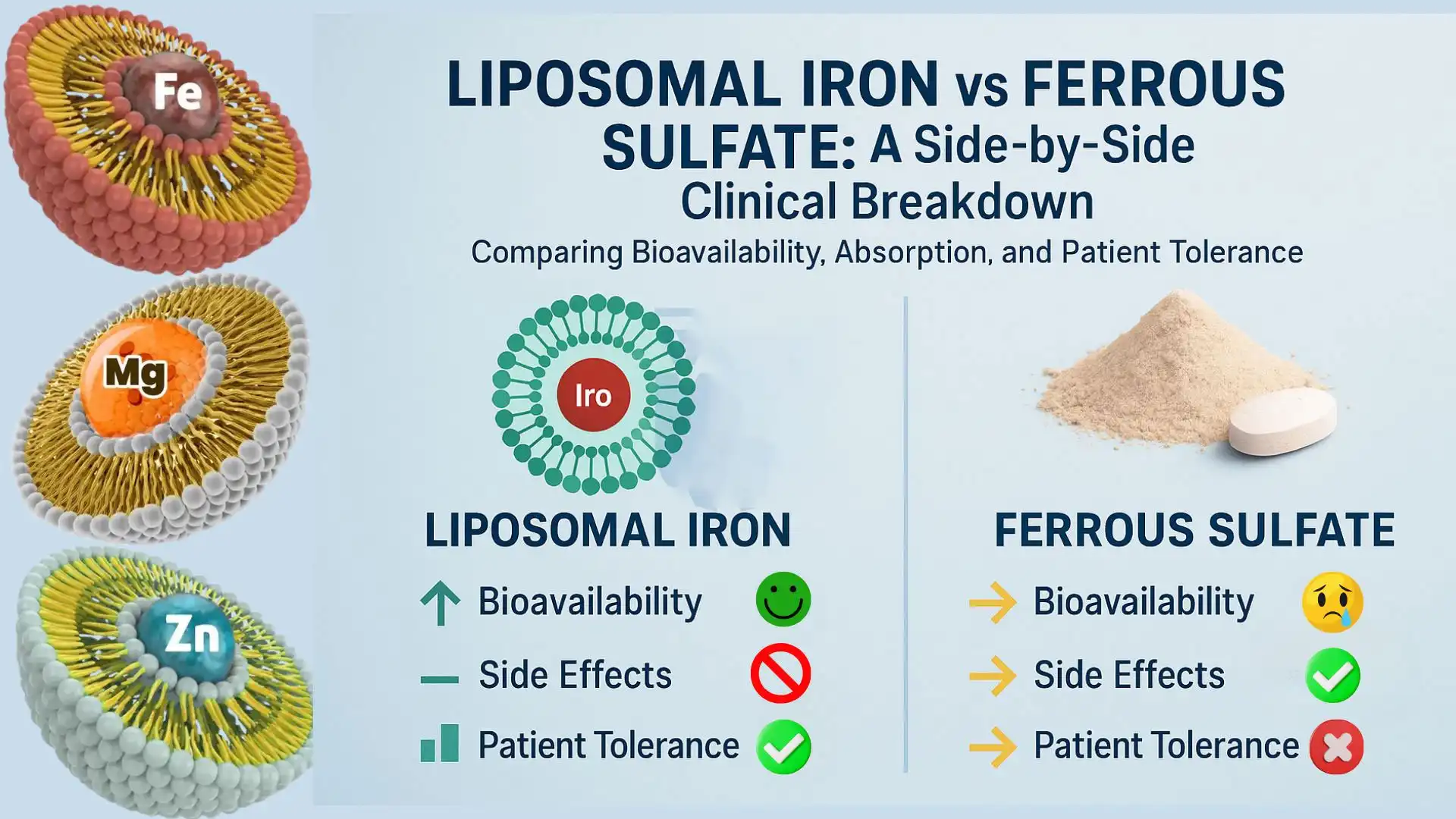
Liposomal encapsulation is a big step forward from the old ways of making ferrous sulfate or ferrous fumarate. Manufacturers make a delivery system that looks like living cells by enclosing iron cores (often ferric pyrophosphate) in phospholipid membranes made from lecithin. This complex method solves three major problems: medication not absorbing properly, an awful metallic smell, and stomach problems like nausea and constipation.
The Science Behind Enhanced Bioavailability
Liposomal Iron Powder is 3.5 to 5 times more effective at absorption than regular iron salts, according to research. The phospholipid layer makes it easier for the iron to be absorbed through M-cells in the Peyer's patches in the intestine, going around the hepcidin-controlled pathways that normally stop iron absorption. This process is especially helpful when making pills for people whose digestive systems aren't working well or who have inflammatory conditions that make it particularly challenging for them to absorb nutrients.
Market Growth Across B2B Sectors
The nutrition business wants iron ingredients that work well in clinical settings and are also safe for consumers. Pharmaceutical companies that make prescription pregnancy pills need iron sources that don't cause too many people to stop taking them because of side effects. Functional food makers are investigating how to add iron that won't change the taste of the food while it's being processed or stored. Market research indicates that the global microencapsulated minerals market will grow at rates higher than 8% per year until 2030. Iron will make up a big part of this growth, thanks to health programs for mothers and trends in sports nutrition.
Target Applications Driving Procurement Demand
Most of the questions about buying are for women's health goods, especially prenatal and postnatal formulas, where iron needs rise significantly. Pediatric nutrition companies make powders and chewables that are safe for kids to eat and give them therapeutic amounts of iron without making them dislike the food. Companies that make sports supplements use liposomal iron powder in recovery products for endurance athletes who tend to lose iron. Vegetarian and vegan supplement lines use plant-based phospholipid encapsulation to make up for iron deficiencies, which is in line with buyer desires for clean labels.
Key Criteria When Choosing a Liposomal Iron Powder Manufacturer
To choose a factory partner, you need to do more than just compare prices. Quality control, output capability, technical know-how, and adherence to rules are the foundation of successful long-term partnerships that facilitate the launch of new products and market growth.
Quality Assurance and Certification Standards
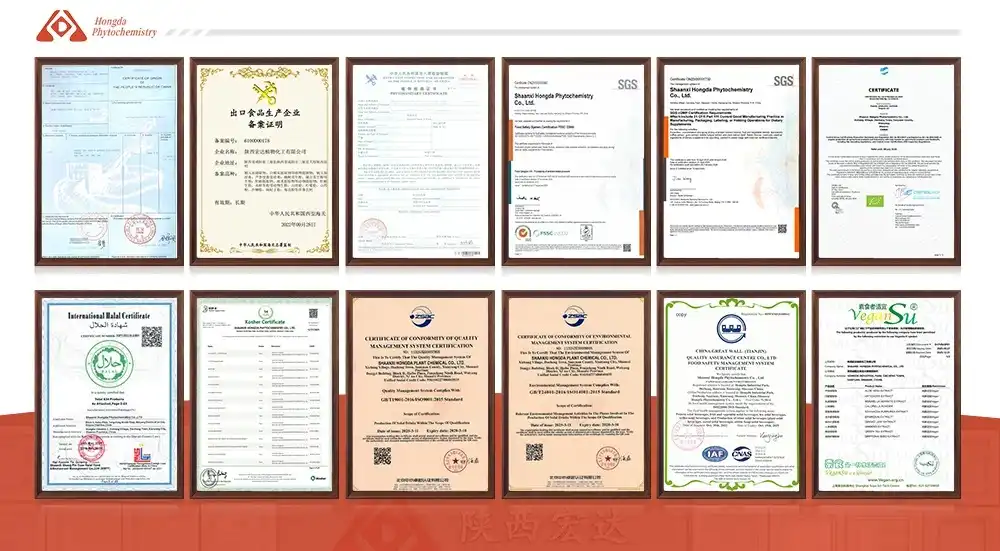
Manufacturing sites must show that they follow cGMP by having third-party tests done on a regular basis to check the controls in the process and the accuracy of the paperwork. Look for providers who have both ISO 22000 or FSSC 22000 food safety credentials and ISO 9001 quality management credentials. For religious food compliance, international markets need HALAL and KOSHER Certifications. When it comes to marketing natural products, having ORGANIC certification is essential. An SGS-accredited lab conducts independent testing to ensure that the promised standards for iron content, encapsulation efficiency, particle size distribution, and microbial limits are met.
Production Capacity and the Dependability of the Supply Chain
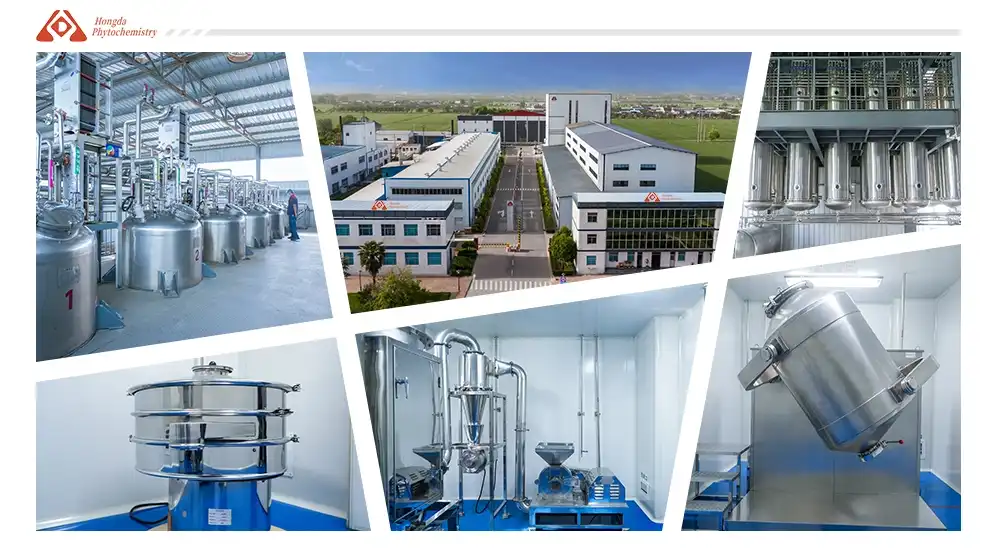
Check to see if the makers have enough production lines to meet your volume needs without extending wait times. When a facility has more than one specialized extraction and encapsulation line, it can keep running even when equipment breaks down or repair is due. Ask about how the raw materials are sourced; stable supply chains have established ties with lecithin suppliers and iron compound makers. Having the right storage space is very important. Companies with public foreign warehouse titles can better fill orders from North America and Europe, cutting shipping times from weeks to days and making the customs clearance process easier.
R&D Capabilities and the ability to make changes as needed
During the product creation process, technical teams made up of food scientists, pharmacologists, and formulation chemists are very helpful. When manufacturers put money into research labs with tools for checking stability, studying dissolution, and evaluating taste and smell, they can make sure that the products they use meet your specific needs. Besides changing the amount of iron in a product, you can also change the particle size to make it easier to give; combine it with other nutrients like vitamin C or folate; and use taste masking systems to make it more appealing. Companies that have their own technologies, like supramolecular chemistry methods that achieve 85%+ Packaging efficiency, can make more claims about how well their products work than other companies.
Transparent Pricing and Commercial Terms
Buyers gain when makers give them specific cost breakdowns that include the costs of raw materials, processing, quality testing, and packaging parts. Knowing the minimum order numbers helps make sure that the amount of things you buy is in line with your inventory management strategies and your plans for your cash flow. Payment terms that work with foreign trade, like letters of credit, trade guarantee programs, and payments based on milestones, lower the financial risks of doing business across borders. Check to see if providers offer price protection or volume-based savings that can help you stick to your budget over the course of a quarterly or yearly contract.
Comparing Liposomal Iron Powder to Traditional Iron Supplements
When switching from regular iron salts to liposomal iron powder formulations, you have to weigh the health benefits against the cost factors in your target market and the competition scene.
Clinical Performance Advantages
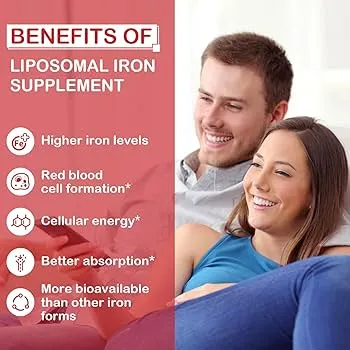
Even though traditional ferrous sulfate is cheap, it is rarely absorbed more than 15% of the time, and this can vary a lot from person to person, depending on their stomach pH and the food they are eating at the same time. Liposomal coating keeps iron stable across pH ranges, from stomach acid to alkaline intestines. This means that liposomal iron powder is always bioavailable, regardless of when you eat. According to clinical studies, patients who stick to their treatment plans are less likely to have problems like constipation, stomach cramps, and a bitter taste in their mouth. Pregnant women who are given liposomal iron powder formulations are more likely to take them as directed throughout their pregnancies. This leads to better results for the mother and fewer problems related to anemia.
Cost-Benefit Analysis for Bulk Procurement
Liposomal iron powder is usually priced two to three times more than regular iron salts at first. A full cost study, on the other hand, needs to look at how well the formulation works. For example, using lower iron amounts to achieve therapeutic equivalence lowers the total cost of the active ingredient per serve. Better stability increases shelf life, which cuts down on trash from old stock and costs related to reformulation. Products that are better at handling command higher store prices, which helps make up for higher ingredient costs through higher profit margins. Fewer bad reviews and customer service calls about side effects are good for a brand's image and protect its long-term market position.
Real-World Implementation Outcomes
In post-market polls, nutraceutical brands that switched from prenatal formulations to liposomal iron powder found that customer happiness rose by 25–40%. Companies that make prescription iron medicines say that patients are more likely to stick with their treatments after moving from ferrous sulfate to encapsulated options. Treatment success rates rose from 60% to over 85%. Functional beverage makers have successfully added iron to their products without adding metallic notes that made people not want to buy them before. This has opened up new markets for iron-rich sports drinks and health shots.
Procurement and Logistics Considerations for B2B Clients
Effective buying strategies lower the total cost of ownership while keeping the supply going and making sure that the quality stays the same from one batch of output to the next.
Sourcing Channel Selection
When buying in bulk, direct relationships with manufacturers usually offer the best value because they can offer customization options and technical help that middlemen can't. Manufacturers like Shaanxi Hongda Phytochemistry Co., Ltd. have been focusing on plant extracts and advanced nutrient delivery systems for more than twenty years. They bring formulation knowledge that cuts down on the time it takes to make new products. Check to see if possible partners offer specialized account management to help you communicate across time zones and multilingual support to make technical talks and document review easier.
International Trade and Logistics Planning
Understanding Incoterms is important when discussing who is responsible for shipping and how costs will be split. FOB (Free On Board) terms give buyers power over freight forwarders and route decisions, making it their job to make delivery arrangements. CIF (Cost, Insurance, and Freight) terms make operations easier by letting producers handle ocean freight and insurance, though it may cost them more. Manufacturers that have public foreign warehouses in target markets have a lot of benefits. For example, Hongda's strategic warehousing lets North American customers get their goods in 3–7 business days, while direct orders from China take 4–6 weeks. This responsiveness helps just-in-time stocking plans and quickly tries new formulas in the market.
Strategic Partnership Development
Long-term ties with manufacturers reveal value that goes beyond just buying things. Co-development deals let you make your own formulas and protect your competitive edge with "exclusivity" clauses. Private label programs let brands change tried-and-true formulas, which speeds up entry into new markets and makes use of maker knowledge. Sharing technical work on things like stability studies, making regulatory dossiers, and proving claims spreads the costs and risks of development. Manufacturers committed to relationship models are open and honest about their production plans, capacity planning, and ongoing improvement efforts to support your growth.
Ensuring Safety and Regulatory Compliance
Following the rules and making sure the product is safe helps protect the brand's image and allows it to reach customers in different places with different needs.
Safety Profile and Population-Specific Considerations
Liposomal packaging makes the safety rating much better than free iron salts, especially when it comes to the risk of kids accidentally eating them. The phospholipid layer slows down the release of iron, which lowers the potential for acute poisoning. However, full safety paperwork is still needed. This should include allergen statements for lecithin sources (soy vs. sunflower), heavy metal tests for contaminants like lead, cadmium, and arsenic, and microbiological screens to make sure there are no pathogens. Products aimed at pregnant women need to be looked at more closely to make sure they follow safe upper limits and don't combine with prenatal vitamin complexes.
Regulatory Framework Navigation
The United States FDA regulates iron supplements based on dietary supplement standards that include good manufacturing practices, correct labeling of iron content as elemental iron, and proof of structure-function promises. European markets follow EFSA rules that put strict limits on health claims and require new ingredients to go through a reporting process. Understanding these models keeps you from having to do expensive things like reformulate or pull from the market. Manufacturers who are registered with the FDA and certified by the BRC (British Retail Consortium) show that they know what the big market needs, which speeds up the regulatory process.
Quality Control and Traceability Systems
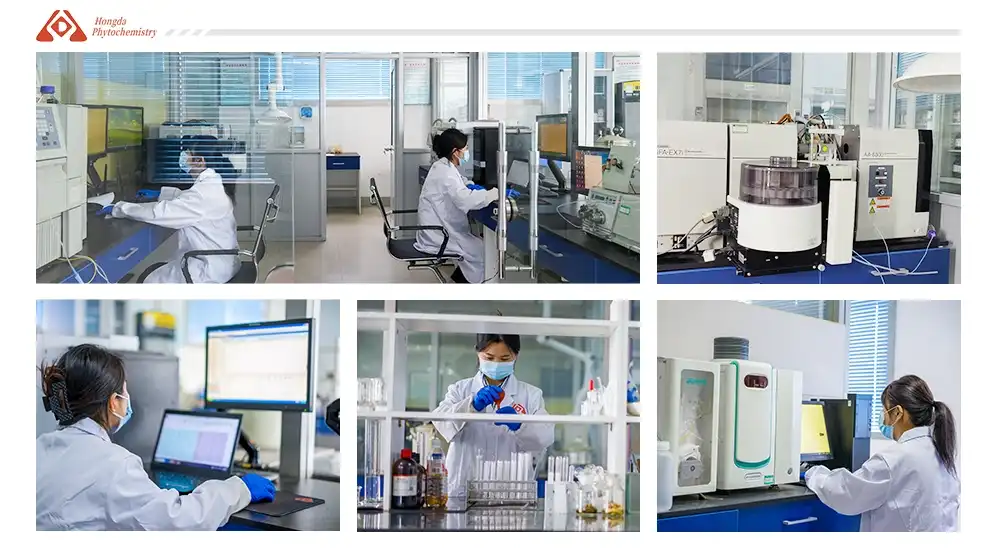
Strong source quality agreements set clear requirements, testing schedules, and acceptance standards for products that come in. For each production run, a Certificate of Analysis should be used to confirm the iron content, the effectiveness of the encapsulation, the amount of wetness, the spread of particle sizes, and the microbiological cleanliness. Traceability systems that connect produced goods to production batches and lots of raw materials allow for quick responses during regulatory or quality investigations. Suppliers who offer stable tracking programs and batch retention samples give customers even more peace of mind about the long-term quality of their products. Regular source checks, which can be done in-house or by a third-party audit service, make sure that agreed-upon quality standards are still being met and look for ways to make things better, which makes the supply chain more resilient.
Conclusion
When choosing a liposomal iron powder manufacturer, you need to do more than just compare prices. You also need to look at their quality systems, technical skills, ability to follow regulations, and how well they handle logistics. Encapsulated iron formulas meet basic market needs in areas like maternal health, infant nutrition, and sports performance because they are more bioavailable and tolerable. If a manufacturer has foreign licenses, cGMP compliance, a strong R&D infrastructure, and the ability to customize products in a variety of ways, your brand will be in a good position to compete. Strategic relationships with seasoned suppliers like Hongda give you access to unique packaging technologies, flexible supply chains, and joint development support that speeds up innovation while lowering risks. As more people look for safe and effective iron supplements, the brand you choose has a direct effect on how well your products work, how you stand out in the market, and your long-term image.
FAQWhat makes liposomal iron powder different from regular iron supplements?
Liposomal iron powder uses phospholipid packaging technology to protect iron particles with a layer that looks like the structure of cells. This design allows for 3.5–5 times better absorption rates than regular ferrous sulfate. It does this by making it easier for specific intestinal cells to take it in, which gets around the problem of limited absorption routes. The phospholipid layer keeps iron from coming into direct contact with the mucosa of the digestive system. This keeps the metallic taste away and lowers the risk of stomach problems like nausea and constipation that make people not want to take traditional iron supplements.
How should I evaluate manufacturer quality certifications?
Give more weight to companies that have cGMP certification, which shows that they follow strict rules for making pharmaceuticals. You should also look for companies that have ISO 9001 for quality management systems and ISO 22000 or FSSC 22000 for food safety. For religious reasons, international markets need HALAL and KOSHER certifications. For natural positioning, they need ORGANIC certifications. Third-party laboratory approval (SGS) makes sure that standards are checked by a third party. FDA registration shows that you know how to follow U.S. rules, and BRC approval shows that you know how to follow European store standards. During the seller review process, ask for copies of audit reports and certificates.
What are typical minimum order quantities and delivery timelines?
Different manufacturers have different minimum order numbers, but for custom formulations, they are usually between 100 kg and 500 kg. For normal specifications, they are usually between 25 kg and 100 kg. For established goods, manufacturers with warehouses overseas can fill orders within 3–7 working days. For straight international shipments, which require planning production and ocean freight, the time frame is 4–6 weeks. Talk about MOQs during the first meetings, since established partnerships often allow for leeway in trial orders. Delivery depends on how much can be made and how well the inventory is managed; sellers who keep a safety stock are more prompt than those who don't.
Partner with Hongda for Premium Liposomal Iron Powder Supply
The pharmaceutical-grade liposomal iron powder that Shaanxi Hongda Phytochemistry Co., Ltd. sells is backed by more than 20 years of experience in plant extract and nutrient encapsulating. Our facility is cGMP-certified and handles orders. They are delivered within 3–7 business days through smart foreign warehousing. Our facility also has a lot of other certifications, such as FDA, SGS, ISO 22000, HALAL, KOSHER, and BRC. Our special supramolecular chemistry helps us keep packaging effectiveness at 85% or higher, and the iron content must be 50% in the form of an off-white to light yellow powder. Our research and development team of more than 20 university teachers can help you customize your own formulas, and we offer free samples so you can try them out thoroughly before committing to buying in bulk. Email our technical team at duke@hongdaherb.com to talk about your buying needs and get this modern option for liposomal iron powder manufacturing at a price that you can afford.
References
1. Anderson, G.J., and Frazer, D.M. (2017). "Current understanding of iron homeostasis and disorders of iron metabolism." American Journal of Clinical Nutrition, 106(Suppl 6), 1559S-1566S.
2. Bezkorovainy, A. (2001). "Biochemistry of nonheme iron in man. Part two: absorption and metabolism of iron." Clinical Physiology of Biochemistry, 8(1), 1-19.
3. Kodentsova, V.M., and Vrzhesinskaya, O.A. (2019). "Liposomal forms of vitamins and minerals: advantages and application prospects." Problems of Nutrition, 88(4), 20-32.
4. Lynch, S.R. (2011). "Why nutritional iron deficiency persists as a worldwide problem." Journal of Nutrition, 141(4), 763S-768S.
5. Pisani, A., Riccio, E., Sabbatini, M., Andreucci, M., Del Rio, A., and Visciano, B. (2015). "Effect of oral liposomal iron versus intravenous iron for treatment of iron deficiency anemia in CKD patients." Clinical Nephrology, 83(5), 268-275.
6. Tolkien, Z., Stecher, L., Mander, A.P., Pereira, D.I., and Powell, J.J. (2015). "Ferrous sulfate supplementation causes significant gastrointestinal side effects in adults: a systematic review and meta-analysis." PLoS ONE, 10(2), e0117383.





YOU MAY LIKE