Why Is Liposomal Vitamin C Powder Bulk Considered Superior to Regular Vitamin C?
2026-05-14 15:37:27
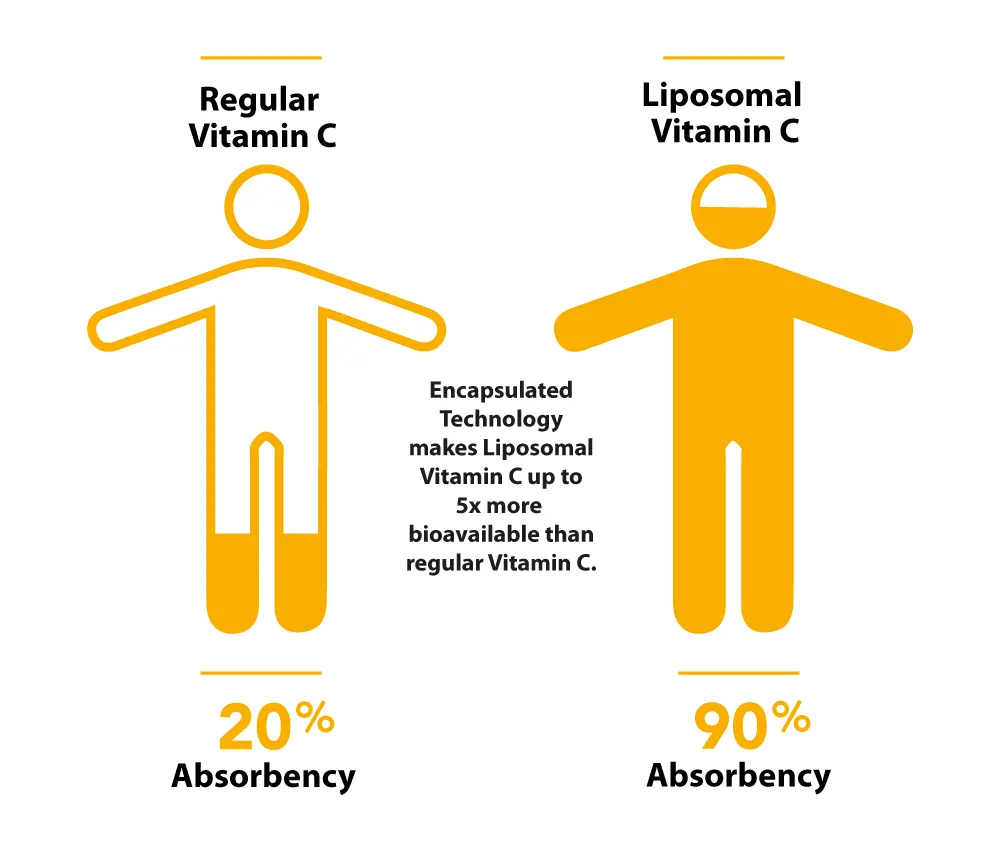
Liposomal Vitamin C Powder Bulk is a high-tech improvement in vitamin delivery methods made for businesses that buy from each other in the nutraceutical, pharmaceutical, and functional food industries. This special mixture wraps ascorbic acid molecules in phospholipid bilayers and uses cutting-edge spray-drying technology to turn them into a solid, fluid powder. Unlike regular ascorbic acid powders, which are hard to absorb and can irritate the stomach at higher doses, liposomal encapsulation technology solves important problems in the industry by increasing bioavailability to 85–90% compared to standard vitamin C's 15-20%, removing the bowel tolerance threshold that limits dosing, and creating a stable powder format with a longer shelf life that prevents the oxidation problems that come with liquid liposomal products.
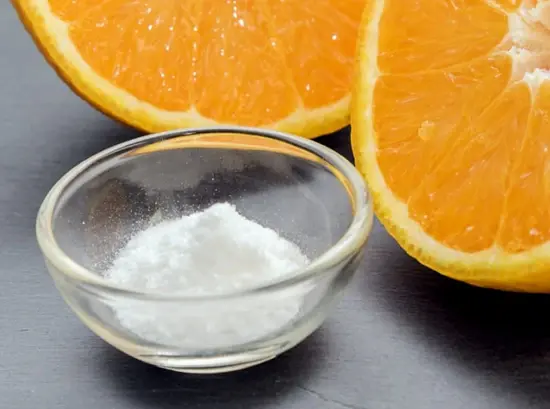
Understanding Liposomal Encapsulation Technology
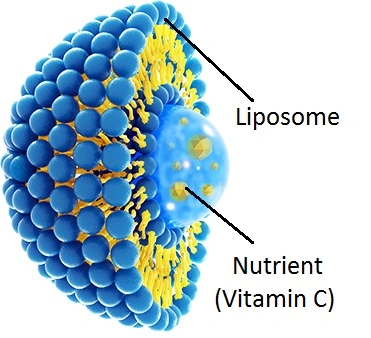
The pharmaceutical-grade Packaging process is what makes Liposomal Vitamin C Powder Bulk different from other ascorbic acid ingredients. At Shaanxi Hongda Phytochemistry, we make nano-sized cars with particle sizes that are best between 100 nm and 400nm by using phospholipid bilayers that look like natural cell membranes. This exact control over dimensions ensures that the vitamin C molecules enter the bloodstream directly through lymphatic paths instead of going through the saturable SVCT1 transport channels in the intestines.
Enhanced Bioavailability Metrics
For formulators and procurement experts, the absorption differential is the most convincing value argument. Usually, when you take more than 500 mg of vitamin C, your body stops absorbing about 15 to 20 percent of it. The extra is then flushed out of your body within hours. Our liposomal powder method gets bioavailability rates that are 5–6 times higher, as shown by testing techniques run by a third party. This means you can back up claims about how well your R&D teams' products work with actual evidence.
Powder Format Advantages Over Liquid Liposomes
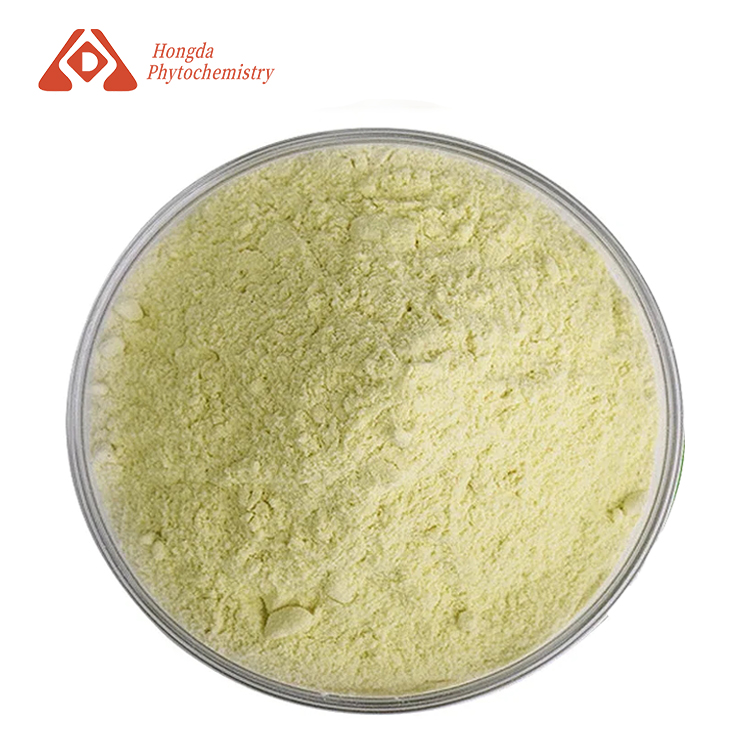
Changing from a liquid to a powder shape solves several problems in the supply chain at the same time. Liquid liposomal products need to be kept cold all the time, which limits their delivery options and makes operations much pricier. Our powder keeps the stability of liposomes for three years when stored at -20°C, which lets it be sent all over the world without the need for cold chain infrastructure. Fine powder that is light yellow and has a concentration of 50% to 55% works well in capsules and stick packs because it instantly reshapes when it comes in contact with water.
Manufacturing Process Controls
We use high-pressure microfluidization to make liposomal structures that are all the same and have a polydispersity index below 0.3. This makes sure that the performance is the same from batch to batch, which is important for controlled production settings. The special low-temperature spray drying method uses cryoprotectants to keep the membranes intact while they dry out. This process makes a powder that is free-flowing and meets the standards for handling pharmaceuticals. Our cGMP-certified center has 10 separate lines for making natural plant extracts. These lines work in controlled settings and are constantly supervised.
Comparative Analysis: Powder vs. Alternative Delivery Systems
When buying teams look at different ingredient choices for large-scale production, they need to look at more than just the cost of acquisition. The total cost of ownership estimate shows that the different delivery methods of liposomal vitamin C Powder Bulk have big differences.
Stability and Shelf Life Considerations
Standard ascorbic acid powder oxidizes quickly when it comes in contact with air and water. Within 12 to 18 months of being stored in a normal warehouse, it turns brown and loses its effectiveness. Liquid liposomal products go through similar breakdown processes and often need protection systems that are incompatible with a clean label. When kept correctly, our bulk liposomal powder stays chemically stable for 36 months. This approach lowers the need to constantly turn over inventory and the risk of having to write it off.
Logistics and Handling Efficiency
The packaging standard of 12 kg per drum and 27 drums per pallet makes it easier to load foreign containers. The powder form removes the risk of leakage during shipping and makes customs clearance easier than liquid forms, which need more attention. Our public foreign warehouse facility has delivery times of 3–7 working days, which ensures quick restocking cycles that are in line with just-in-time production standards.
Formulation Flexibility
Because formulators can use the powder with different dosage types, it gives them a lot of freedom to be creative. The powder's bulk density and flow properties make it useful for hard capsules, while its quick recovery properties make it useful for drinks. Because it doesn't irritate the stomach, bigger amounts can be used, which is especially beneficial for immune support plans that need gram-level vitamin C intake without the osmotic diarrhea that comes with regular ascorbic acid megadoses.
Supplier Evaluation Framework for B2B Procurement
When choosing a partner to make Liposomal Vitamin C Powder in bulk, it is important to carefully look at their legal, scientific, and operational aspects. Because liposomal production technology is so specialized, the risks are very high.
Certification Portfolio Assessment
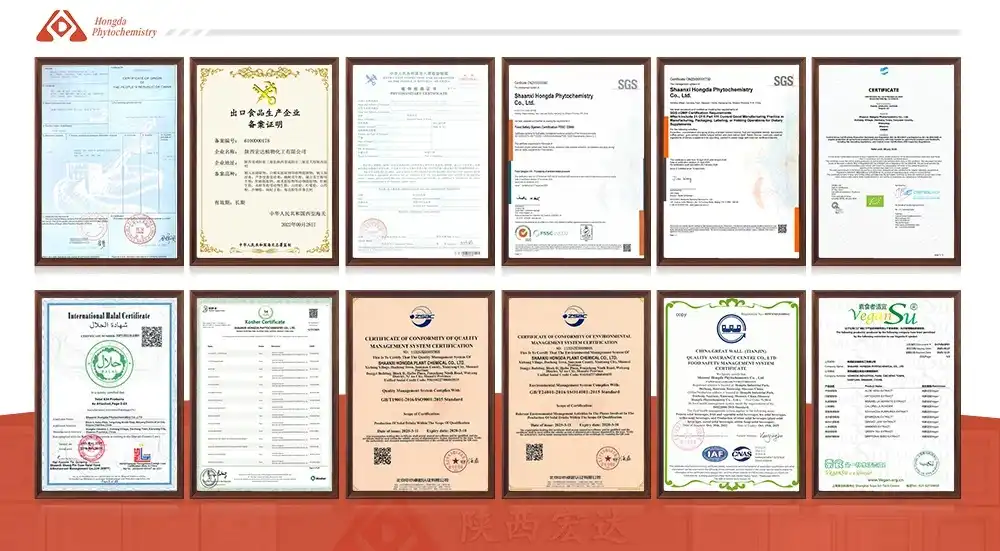
Following the rules is the first step in qualifying a seller. Among its many Certifications, Shaanxi Hongda Phytochemistry has an SGS laboratory proof, cGMP production standards, FDA registration, ISO9001, ISO22000, FSSC22000, BRC, HALAL, KOSHER, and ORGANIC certifications. This wide range of certifications shows that we can meet the needs of different markets in North America, Europe, Asia, Vietnam, and Switzerland at the same time. When looking at possible providers, the most reliable way to ensure ongoing compliance is to have an independent third-party check them.
Technical Capabilities and R&D Infrastructure
Liposomal capsule technology is very complicated and needs a lot of scientific knowledge to work. Our research and development team is made up of more than 20 professors from well-known universities. An SGS-certified lab helps them by doing a wide range of scientific tests. This level of technical knowledge enables you to create unique formulations, identify the optimal particle size for each application, and receive assistance with troubleshooting when integration issues arise during the product creation process. Suppliers who don't have their own research facilities can't provide the technical partnership that is needed for new products to be made in competition supplement categories.
Production Capacity and Supply Reliability
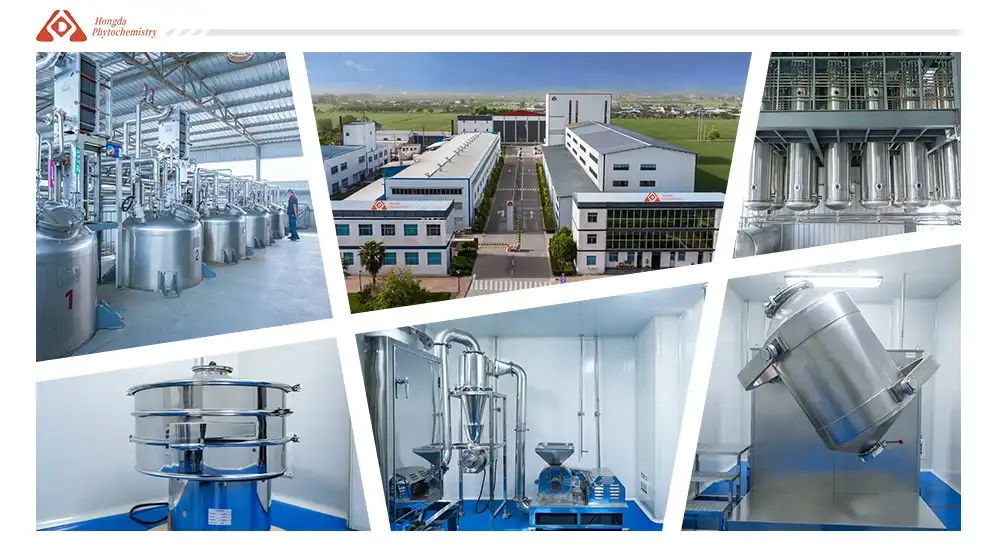
The size of your factory has a direct effect on your ability to adapt to changes in market demand. Our 20,000-square-meter facility has all the extraction tools you need and 10 production lines for natural plant extracts. This gives us the ability to handle larger orders without having to extend lead times. We have been in the industry since 2001 and were named a national high-tech enterprise in 2010. We have built a strong supply chain through long-term relationships with raw materials and inventory management protocols made just for B2B clients who need to know when their orders will arrive.
Customization and Private Label Services
Strategic supplier ties are different from transactional product relationships because they allow formulations to be tailored. We can make unique formulas that set your product line apart by meeting your specific needs for particle size distribution, encapsulation efficiency targets, and co-ingredient additions. Private label options include more than just normal drum formats for packaging, so you can keep your brand's personality across various methods of marketing.
Strategic Procurement Best Practices
To get liposomal vitamin C powder bulk ingredients efficiently, you need to pay attention to how you buy them so that you protect the quality of the product and get the most out of your working capital.
Minimum Order Quantities and Pricing Structures
Knowing the MOQ standards helps you plan your cash flow and warehouse area correctly. Standard packaging comes in 12 kg drums, which makes modular buying easier. There are also price levels based on volume that reward bigger pledges. When you negotiate framework deals with quarterly volume commitments, you can often get better prices while still being able to change delivery dates as needed to fit your production plans. When you ask for official quotes that include full price breakdowns, including any testing fees, special packaging charges, or shipping surcharges, you eliminate any hidden costs that could disrupt your total landed cost estimates.
Quality Assurance Protocols
Having strong inspection processes for new materials keeps specifications from changing from shipment to shipment. With every batch, we send you a Certificate of Analysis that lists the results of the bacteria tests, heavy metal screening, vitamin C assays, and how well the particles were encapsulated. Establishing acceptance standards aligned with your internal requirements and conducting regular independent verification testing ensures consistent material performance in your manufacturing setting. Protocols for sample requests let people test things out before committing to large-scale orders, which lowers the risk of qualification.
Storage and Handling Requirements
The stable powder must be stored properly to maximize its shelf life. Keeping temperatures at or below -20°C in places that control moisture prevents liposomal breakdown. Protecting your product investment means setting clear rules for keeping and teaching warehouse workers the right way to handle items. The three-year shelf life requirement suggests that the product is stored correctly; any changes to these conditions will affect how well the product works and cause quality problems in finished goods.
Market Dynamics and Application Insights
The market for liposomal vitamin C powder in bulk shows how people are increasingly interested in supplementing with proven ingredients and ensuring that the supplements are absorbed properly. Strategic buying choices are based on understanding these market forces.
Growing Demand Across Nutraceutical Segments
The most popular application area is still immune health, which has grown faster as people become more aware of preventive diets. Vitamin C's antioxidant and collagen-building qualities are used in fast-growing markets for skin health and anti-aging products. Sports nutrition companies are increasingly using liposomal vitamin C in their healing plans. They do this because it causes less stomach upset, which lets them give higher doses during intense training times. The functional beverage industry is especially interested in stick pack forms that offer liposomal benefits in single-serve designs that are easy to use.
Geographic Market Variations
North American markets strongly prefer clean label formulations with few or no fillers, which is why powder forms are more popular than liquid formulations that need protection systems. For phospholipid components, European buyers put a high value on organic approval and source proof for non-GMO products. Bioavailability claims are getting more complex in Asian markets, where formulators are looking for proof through clinical absorption studies. When choosing a supplier, these areas of taste affect the needs for specifications and the order of importance for certification.
Innovation Trajectories
New developments include formulas that combine liposomal vitamin C with antioxidants that work well together, such as quercetin or glutathione. These combinations have synergistic effects that make products stand out in the market. The already better pharmacokinetic profile of liposomal delivery can be extended by changes that allow for sustained release through new covering technologies. Sustainable ways of getting phospholipid materials, like non-GMO sunflower lecithin, are in line with environmental duty goals that are becoming more important to brand marketing strategies.
Conclusion
To strategically source liposomal ingredients wholesale, you need to look at the bioavailability performance, technical skills, regulatory compliance portfolios, and total cost effects across your supply chain. The known benefits of liposomal capsule technology, such as better absorption rates, no stomach pain, and powder format stability, make this ingredient a top choice for nutraceutical companies that want to appeal to affluent customers. With 20 years of experience specializing in plant extracts, along with our extensive certification collection and technical R&D infrastructure, Shaanxi Hongda Phytochemistry has the basis for partnerships that will lead to successful product development and market launch projects. The quality standards and dependability of supplies set today's procurement choices will determine how competitive you are in supplement markets that are changing quickly.
FAQIs long-term supplementation with liposomal vitamin C powder safe for consumer products?
Liposomal Vitamin C Powder Bulk is just as safe as regular ascorbic acid, but it doesn't cause stomach problems like high-dose methods do. The phospholipid parts come from food-grade sources, like sunflower lecithin, which is safe in all governing areas. Long-term tests on liposomal vitamin C in humans show that amounts up to several grams per day have no negative effects. This means that it can be used as a supplement for a long time.
What dosage ranges are appropriate for bulk manufacturing applications?
Liposomal vitamin C amounts in finished products usually run from 500 mg to 2,000 mg per serving, based on how the product is positioned and what health claims it wants to make. Because it is more bioavailable, smaller doses can reach bloodstream levels that are the same as much higher amounts of regular vitamin C. When setting dose guidelines, your formulation team should think about treatment goals, competitive positioning, and cost goals.
Can we source certified organic liposomal vitamin C powder for clean-label products?
We keep our organic certification up to date with well-known certifying groups. This lets us put organic claims on finished goods when all of their ingredients meet organic standards. The organic standard covers both the ascorbic acid source and the phospholipid materials. This makes sure that the supply chain is completely honest for brands that are trying to sell natural goods. With approved organic batches comes proof that the products are organic.
Partner with Hongda for Superior Liposomal Vitamin C Powder Bulk
Liposomal vitamin c powder supplier
Shaanxi Hongda Phytochemistry invites sourcing workers, formulators, and R&D managers to experience the quality difference that makes us a reliable provider of liposomal vitamin C powder in bulk. Our cGMP-certified manufacturing center, many foreign certifications, and more than 20 years of experience extracting botanicals from plants make us a good partner for making reliable, high-performance ingredients. We can create custom formulations, let you choose the amount you want to buy, and provide technical help throughout the entire product creation cycle. Contact our technical sales team at duke@hongdaherb.com to get samples to test our 50%-55% concentration specification, talk about your unique application needs, or get cost information for your projected number. Let our knowledge of liposomal capsule technology and dedication to pharmaceutical-grade quality standards help your business do well in the supplement market, which is very competitive.
References
1. Gopi, S., & Balakrishnan, P. (2021). Evaluation and clinical comparison studies on liposomal and non-liposomal ascorbic acid in healthy volunteers. Journal of Liposome Research, 31(4), 356-364.
2. Davis, J. L., Paris, H. L., Beals, J. W., & Binns, S. E. (2016). Liposomal-encapsulated ascorbic acid: Influence on vitamin C bioavailability and capacity to protect against ischemia-reperfusion injury. Nutrition and Metabolic Insights, 9, 25-30.
3. Hickey, S., Roberts, H. J., & Miller, N. J. (2008). Pharmacokinetics of oral vitamin C. Journal of Nutritional & Environmental Medicine, 17(3), 169-177.
4. Łukawski, M., Dałek, P., Borowik, T., & Foryś, A. (2020). New oral liposomal vitamin C formulation: Properties and bioavailability. Journal of Liposome Research, 30(3), 227-234.
5. Prantl, L., Eigenberger, A., Gehmert, S., & Haerteis, S. (2020). Enhanced resorption of liposome-packed vitamin C monitored by ultrasound. Journal of Clinical Medicine, 9(6), 1616.
6. Weeks, B. S., & Perez, P. P. (2007). A novel vitamin C preparation enhances neurite formation and fibroblast adhesion and reduces xenobiotic-induced T-cell hyperactivation. Medical Science Monitor, 13(3), 51-58.





YOU MAY LIKE