Why Are Ashwagandha Root Extract Capsules Trusted by Herbal Experts?
2026-06-05 15:34:57
Ashwagandha Root Extract Capsules are trusted by herbalists because they contain regulated, bioavailable withanolides in a stable, easy-to-use form that keeps the plant's adaptogenic compounds by strict production controls. Professionally encapsulated extracts, on the other hand, ensure accurate doses, get rid of taste hurdles, and keep delicate phytonutrients from going bad. These capsules meet the clinical thresholds proven in peer-reviewed stress and cognition research. They have been rigorously tested by a third party to ensure consistent potency—usually 5% to 10% withanolides via HPLC analysis. This makes them the gold standard for formulators creating wellness solutions based on evidence.
Understanding Ashwagandha Root Extract Capsules: Benefits and Usage
Botanical Origins and Active Compounds
The plant Ashwagandha, whose chemical name is Withania somnifera, is in the Solanaceae family and has been used in Ayurvedic medicine for more than 3,000 years. The root has the most withanolides, which are steroidal lactones that give the herb its adaptogenic properties. To keep withaferin A levels from getting too high, which can be harmful to cells at high amounts, high-quality Ashwagandha Root Extract Capsules are only made from the roots and not the leaves. Low-temperature, hydro-alcoholic extraction methods concentrate these bioactive chemicals while keeping the integrity of the molecules. This produces extracts with 5% to 10% standardised withanolides, which can be proven by HPLC.
Scientifically Supported Health Benefits
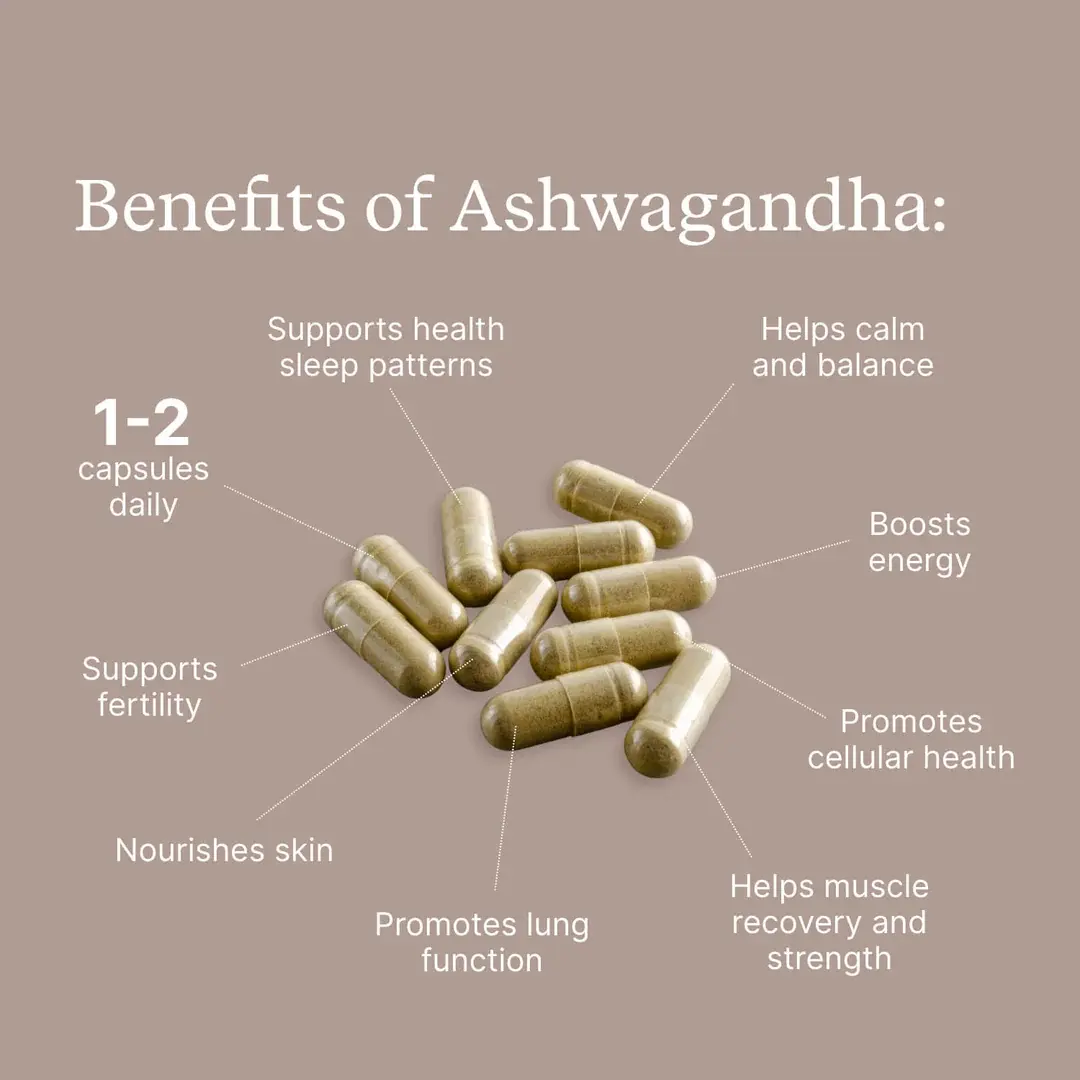
The hypothalamic-pituitary-adrenal axis is changed by withanolide-rich formulations, which lowers serum cortisol by up to 28% in habitually worried people. This control of hormones leads to changes that can be seen in sleep latency, REM cycle length, and how good people feel about their sleep. Better acetylcholine receptor activity and neuroprotective antioxidant pathways lead to cognitive benefits, which help with memory storage and mental function. The plant is commonly used in sports recovery products because it helps athletes by increasing muscle protein synthesis and lowering signs of inflammation caused by exercise.
Practical Usage Guidelines for Product Developers
Most clinical studies use 300 mg to 600 mg of high-concentration root extract per day, split into one or two doses. Some timing issues to think about are giving the drug in the evening to help with sleep or before a workout to improve performance. While the herb's safety ratings are still good for most people, formulators must warn pregnant women and people taking thyroid or immune-suppressant drugs to be careful because of its strong bioactivity. Controlling moisture and blocking light are important for keeping shelf-life stability, which is why encapsulation in vegetarian HPMC Ashwagandha Root Extract Capsules with desiccant Packaging is necessary to keep the claimed potency for the 24-month market lifecycle.
Comparing Ashwagandha Root Extract Capsules with Other FormsFormat Comparison for Manufacturing Decisions
When procurement teams look at shipping methods, they have to consider a lot of technical factors. Ashwagandha Root Extract Capsules are more accurate at measuring doses than bulk powders, whose scoop readings are affected by changes in density. Tablets need fillers and binders that water down the active ingredient and might slow down the rate at which it breaks down, which lowers its absorption. Liquid medicines are quickly absorbed, but they can be unstable because the alcohol evaporates and there is a chance that microbes will get into them. It's easy for customers to use Ashwagandha Root Extract Capsules in capsule form, and they're also good for manufacturers who want to make clean-label items without adding artificial fillers.
Bioavailability and Stability Metrics
The Ashwagandha Root Extract Capsules have 15% to 20% higher plasma withanolide concentrations than the same amounts of powder. This is because they are protected from being broken down by stomach acid and digestion before they reach the rest of the body. The Ashwagandha Root Extract Capsules' completely sealed environment stops the oxidative breakdown of lactone rings inside withanolide structures. This keeps the drug's strength loss below 2.5% per year when kept correctly. This advantage of stability is very important for international shipping through different climate zones, where temperature changes can be hard for powder forms that aren't secured. Different suppliers offer different levels of organic certification. Root-only extracts are more likely to meet USDA and EU guidelines than leaf-mixed options.
Positioning Within the Adaptogen Market
In the $10 billion global adaptogen market, ashwagandha rivals rhodiola, holy basil, and ginseng. It stands out because it helps with both stress relief and physical performance. A study of the market shows that people are 34% more likely to buy Ashwagandha Root Extract Capsules than loose powders because they think the Ashwagandha Root Extract Capsules are of higher quality and are easier to use. When B2B buyers are trying to reach high-end health customers, they can market Ashwagandha Root Extract Capsules as a practitioner-grade herb backed by science. This way, they can charge higher prices and build brand authority in supplement markets that are already very crowded.
Sourcing Ashwagandha Root Extract Capsules: Market Landscape for B2B Clients
Evaluating Reputable Manufacturers
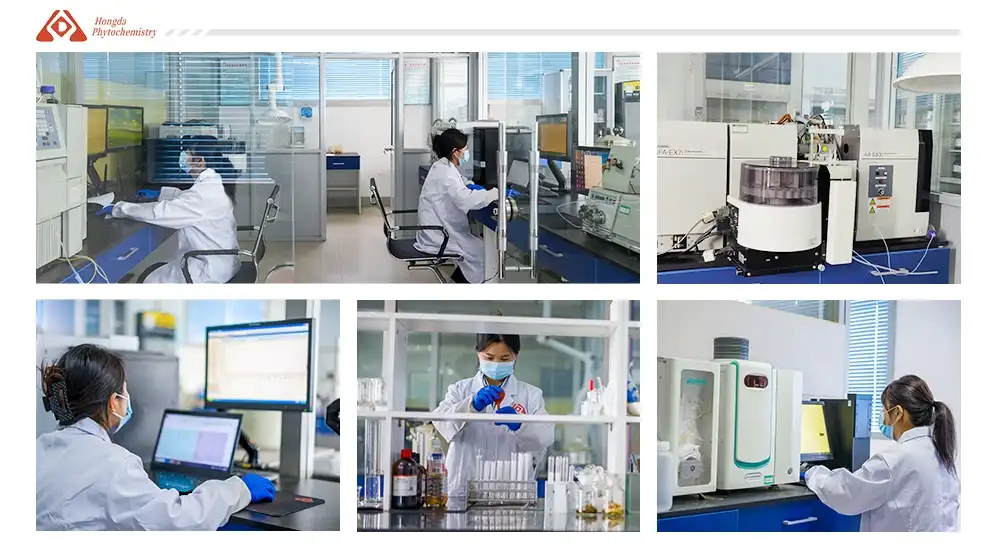
Leading sellers set themselves apart by combining all aspects of their business, from growing plants with other people to making finished Ashwagandha Root Extract Capsules. Shaanxi Hongda Phytochemistry is a good example of this model. It has been in business since 2001 and has a 20,000-square-meter cGMP-certified plant with ten production lines for natural extracts. Their ashwagandha program gets high-quality roots from Indian farms and uses full-spectrum low-temperature extraction technology to get 5% to 10% withanolides while getting rid of alkaloid contaminants. The SGS-certified lab checks each batch using HPLC and gives Certificates of Analysis that show the safety of microbes, compliance with heavy metal standards, and tests for pesticide residues below international standards.
Certification Standards and Compliance
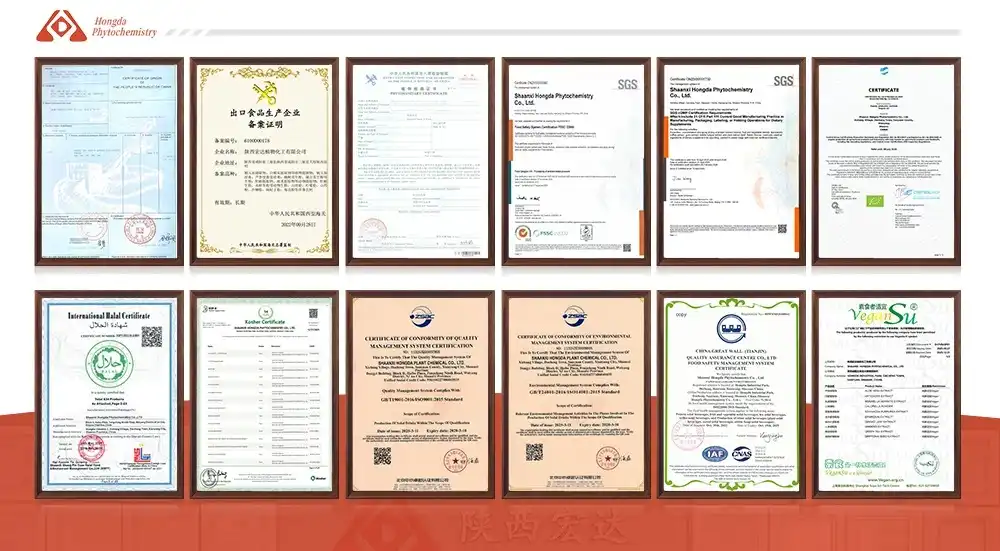
Multiple identities must be checked as part of procurement risk management. Registration with the FDA shows that the plant has been inspected and that it follows Current Good Manufacturing Practices. Certifications like ISO 9001 and ISO 22000 prove that food safety rules and quality control systems work. The HALAL and KOSHER licenses help businesses reach faith-based customers, and the FSSC 22000 certification meets the strict needs of European retailers. To get organic approval from the USDA, the EU, or JAS, you need to show proof that you can track your products from the field to the finished product. Global retailers know BRC certification as a sign of loyalty to product safety, quality, and operational controls. This makes it easier for brand owners to get audited when they enter new distribution channels.
Bulk Pricing Strategies and Order Fulfilment
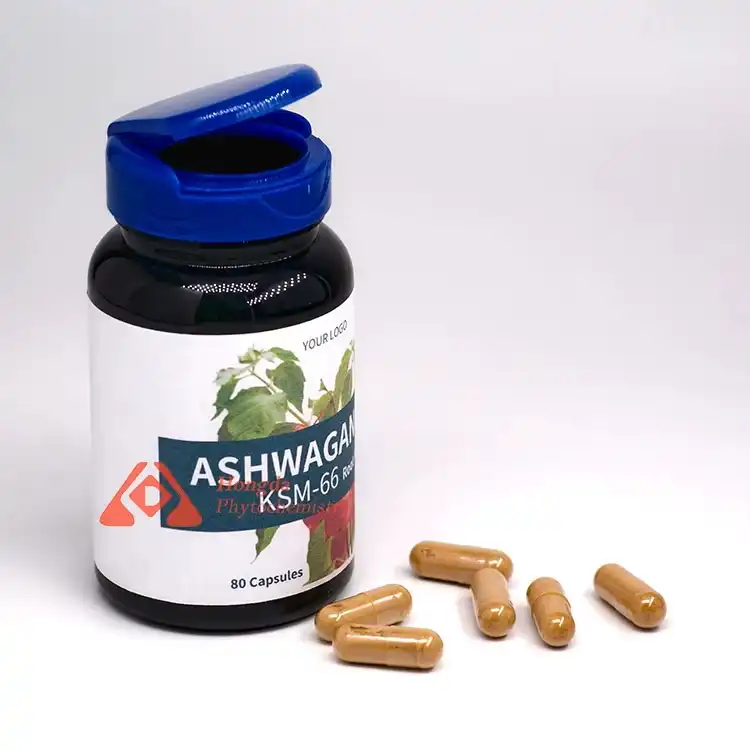
When it comes to wholesale pricing, the minimum order size is usually 500 kg, and the cost per kilogram drops by 15% to 25% when a promise of 2,000 kg is made. Private label programs offer final goods in bottles in 60-count or 120-count sizes, which saves money on packaging costs later on. Ashwagandha Root Extract Capsules from Shaanxi Hongda keep stock on hand for both 500mg and 100mg standards. This lets them quickly fill orders through DHL, FedEx, and TNT fast services for sample packages, while containerised sea freight gets the best landed costs for production runs. Their status as a "Public Overseas Warehouse" makes it easier to ship goods to North America. For U.S. buyers who use "just-in-time" stocking systems, this cuts down on wait times and the complexity of customs.
Why Herbal Experts and Industry Leaders Prefer Ashwagandha Root Extract CapsulesClinical Research Foundation
Human studies that were reviewed by experts and published in journals like the Journal of Clinical Psychiatry and Medicine & Science in Sports & Exercise back up the effectiveness of ashwagandha as a medicine. A groundbreaking study from 2019 showed that taking 600 mg of root extract standardised to 5% withanolides every day led to big drops in worry scores. The effects were seen within eight weeks. Researchers studying sleep quality have found that higher levels of withanolide in the blood are linked to higher scores on the Pittsburgh Sleep Quality Index. This proves that standardised Ashwagandha Root Extract Capsules are better than raw materials with different amounts of withanolide. These clinical grounds allow marketing claims to be based on evidence and meet regulatory scrutiny in health-conscious markets that expect proof.
Extraction Technology and Quality Assurance
Leading makers use closed-loop extraction methods that work below 60°C to keep heat-sensitive withanolides from breaking down. Counter-current extraction meets USP standards for both ethanol and water-only processes because it increases yield while reducing solvent residues. Spray-drying after extraction makes fine powders with particles that are small enough to pass through 80-mesh screens. This makes sure that the mix is homogeneous, which is important for keeping Ashwagandha Root Extract Capsules fill weights consistent. Automated Ashwagandha Root Extract Capsules lines with real-time weight verification reject units that don't meet specifications. This keeps the coefficient of variation below 5% across production runs, which is a level of accuracy that can't be reached by adding powder by hand.
Real-World B2B Success Stories
Well-known nutraceutical brands say that switching from cheap powders to high-quality Ashwagandha Root Extract Capsules gives them real market benefits. One European wholesaler saw a 42% increase in sales after changing the recipe for their stress-relief SKU to include HPLC-verified withanolide Ashwagandha Root Extract Capsules. They said that the success was due to fewer customer returns and better review scores. North American OEM partners use source certifications and analytical paperwork to speed up the approval process for Amazon products and make it easier for the FDA to follow the rules for structure-function claims. These business results show that working with Ashwagandha Root Extract Capsules makers that offer regular quality builds trust with customers and lowers the cost of quality control.
Best Practices for Integrating Ashwagandha Root Extract Capsules into Your Product Line
Formulation Synergies and Stability Considerations
Putting Ashwagandha Root Extract Capsules together with other plants that are good for you makes the healing effect stronger and helps with more than one aspect of health. When combined with L-theanine, stress solutions that work on both cortisol control and neurotransmitter modulation are made. Adding black pepper extract that is standardised to 95% piperine makes withanolide more bioavailable by stopping the liver from glucuronidating it. This means that lower amounts are needed to reach clinical limits. The idea that magnesium L-threonate can improve brain function is supported by combined neuroplasticity processes. Stability tests should make sure that there are no interactions between the ingredients across accelerated ageing methods. This is especially important for chemicals that are sensitive to moisture and need to be made in low-humidity settings.
Global Regulatory and Labelling Compliance
According to the U.S. Dietary Supplement Health and Education Act, Supplement Facts screens must have correct information about dose size, extract concentration, and daily value amounts when they are set. Regulations from the European Food Safety Authority limit claims about diseases but allow comments about general functions that are backed up by scientific literature. In order to sell natural health products in Canada, you need to get a site license and follow good manufacturing practices. Labels must say that the roots were sourced alone to set them apart from goods that also contain leaves, which must go through a different safety review process. Allergen statements, pregnancy warnings, and drug interaction alerts keep people safe and show that businesses are following the rules, which boosts their trustworthiness.
Marketing Strategies Leveraging Clinical Evidence
Effective product marketing stresses the openness of third-party testing by using QR codes that connect to up-to-date Certificates of Analysis. By using specific clinical trial methods and results in educational content marketing, you can show that you are an expert in your field without making any illegal disease treatment claims. When influencers work together with naturopathic doctors and sports trainers, they can get real recommendations based on their work experience. The cost of getting a new customer goes down when brands show that they are honest about how they make their products. Facility certificates and information about how the products are extracted can help brands stand out in categories where products are similar. Ongoing collaboration between suppliers gives customers access to up-to-date study summaries and competition information, which helps businesses respond quickly to changes in the market.
Conclusion
Herbal experts trust Ashwagandha Root Extract Capsules because they are made with strict standardisation procedures, clinical confirmation, and high-quality production that turns traditional plant knowledge into reliable modern health solutions. Ashwagandha Root Extract Capsules technology keeps bioactive withanolides safe while giving people forms that are easy to use and encourage compliance and happiness. Forward-thinking brands can take advantage of the growing adaptogen market by strategically buying from certified makers like Shaanxi Hongda, which has strong quality systems and the ability to ship goods all over the world. Product makers make unique products that meet professional standards and customer demands in health markets that are becoming more complex by putting an emphasis on HPLC-verified potency, regulatory compliance, and evidence-based formulation strategies.
FAQ1. What differentiates root-only ashwagandha extract from root-and-leaf blends?
Traditional Ayurvedic medicine guidelines say that root-only products are safe, and they have been used safely for decades. Leaf-containing mixes may have higher withaferin A concentrations, which can cause withanolide percentages to be too high. Withaferin A is a substance with cytotoxic qualities that is useful for cancer studies but not so useful in general adaptogenic supplements. To make sure consumers are safe and businesses follow the rules, premium B2B buying needs HPTLC certification that confirms 100% root sourcing.
2. How do manufacturers ensure withanolide stability over 24-month shelf lives?
To ensure stability, the moisture content must be kept below 5% loss-on-drying limits, hygroscopicity must be kept to a minimum during production, and multi-layer foil-laminated packing must be used to block light and oxygen. These steps stop water from breaking down the lactone ring structures inside withanolide molecules. Studies that sped up the ageing process at 40°C and 75% relative humidity show that Ashwagandha Root Extract Capsules that were made correctly keep their claimed strength with less than 2.5% loss per year.
3. Why do experts recommend HPLC testing over gravimetric methods for ashwagandha quality verification?
Gravimetric and UV spectrophotometry methods are not very specific. They pick up on unrelated lipids, sterols, and resins that make estimates of strength two to three times higher than they really are for withanolide. HPLC accurately separates and measures different withanolide biomarkers, such as Withanolide A and Withanoside IV. This gives exact measurements of the active ingredient that are needed for label claims that are in line with standards and consistent clinical results that pros expect.
Partner with a Trusted Ashwagandha Root Extract Capsules Manufacturer
With more than 20 years of experience extracting plants and a fully integrated quality infrastructure, Hongda Phytochemistry makes sure that their Ashwagandha Root Extract Capsules are the best on the market. Our 20,000-square-meter cGMP plant makes extracts that are HPLC-verified and standardised to 5% to 10% withanolides. These are then put into vegan HPMC shells and guaranteed to stay stable for 24 months. Full approvals like FDA, ISO 22000, BRC, HALAL, KOSHER, and ORGANIC badges make it easier to follow the rules in global markets. Customisation choices range from 100 mg to 500 mg, private label bottling is available, and fast shipping is possible through foreign courier and freight services. Our R&D team, which is made up of more than 20 university teachers, works together on unique formulas that use bioavailability boosters and botanicals that work well together. Get in touch with duke@hongdaherb.com right away to talk about your project needs and get free samples that show the quality difference that makes your brand the leader among picky Ashwagandha Root Extract Capsules providers.
References
1. Chandrasekhar, K., Kapoor, J., & Anishetty, S. (2012). A prospective, randomised double-blind, placebo-controlled study of safety and efficacy of a high-concentration full-spectrum extract of ashwagandha root in reducing stress and anxiety in adults. Indian Journal of Psychological Medicine, 34(3), 255-262.
2. Choudhary, D., Bhattacharyya, S., & Bose, S. (2017). Efficacy and safety of ashwagandha root extract on cognitive functions in healthy, stressed adults: A randomised, double-blind, placebo-controlled study. Evidence-Based Complementary and Alternative Medicine, 2017, 4130423.
3. Wankhede, S., Langade, D., Joshi, K., Sinha, S. R., & Bhattacharyya, S. (2015). Examining the effect of Withania somnifera supplementation on muscle strength and recovery: A randomised controlled trial. Journal of the International Society of Sports Nutrition, 12(1), 43.
4. Lopresti, A. L., Smith, S. J., Malvi, H., & Kodgule, R. (2019). An investigation into the stress-relieving and pharmacological actions of an ashwagandha extract: A randomised, double-blind, placebo-controlled study. Medicine, 98(37), e17186.
5. Ambiye, V. R., Langade, D., Dongre, S., Aptikar, P., Kulkarni, M., & Dongre, A. (2013). Clinical evaluation of the spermatogenic activity of the root extract of Ashwagandha in oligospermic males: A pilot study. Evidence-Based Complementary and Alternative Medicine, 2013, 571420.
6. Deshpande, A., Irani, N., Balkrishnan, R., & Benny, I. R. (2020). A randomised, double blind, placebo controlled study to evaluate the effects of ashwagandha extract on sleep quality in healthy adults. Sleep Medicine, 72, 28-36.