Are Astaxanthin Softgel Capsules Effective for a Daily Wellness Routine?
2026-06-05 15:47:31
Astaxanthin Softgel Capsules represent a powerful natural antioxidant solution derived primarily from Haematococcus pluvialis microalgae, delivering substantial health benefits through an optimized delivery system. These capsules address oxidative stress at the cellular level, supporting skin vitality, eye health, cardiovascular function, and inflammation management. The softgel format solves critical stability challenges inherent to this sensitive compound by providing oxygen-free encapsulation, enhanced bioavailability through lipid carriers, and protection from light degradation. When integrated thoughtfully into a daily wellness routine, these supplements offer measurable benefits backed by clinical evidence and real-world applications across nutraceutical, cosmetic, and functional food sectors.
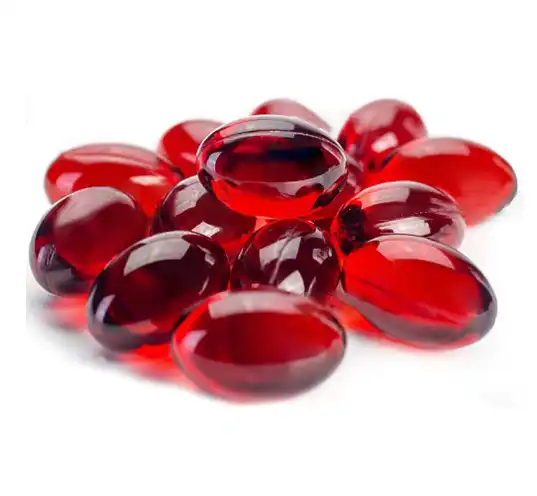
Understanding Astaxanthin Softgel Capsules
Origins and Natural Extraction Process
Astaxanthin is a keto-carotenoid and can be found naturally in some types of microalgae, especially Haematococcus pluvialis. We use a fully enclosed glass tube photoreactor device at Shaanxi Hongda Phytochemistry Co., Ltd. that mimics the best conditions for living things. We carefully control the temperature, light strength, and nutrient ratios in this lab setting so that we can help the algae go through their natural change from the green vegetative stage to the red cyst stage, which is when the quantity of astaxanthin is highest. This method of sterile growth makes sure that the starting material is very pure without using any dangerous solvents. It meets the strict clean-label requirements that global B2B markets require. This way of natural extraction produces astaxanthin oleoresin, which is a much better antioxidant than synthetic alternatives or regular goods grown in ponds. The 3S,3'S stereoisomer configuration found in naturally occurring astaxanthin is more biologically active than the racemic mixes found in chemically made forms. This difference is very important for procurement workers who are judging the standard of raw materials for formula development with Astaxanthin Softgel Capsules.
Why Softgels Provide Superior Absorption
Because astaxanthin molecules are lipophilic, they need to be delivered using a lipid-based method for the best absorption in the intestines. The softgel shape solves three major problems that make tablet or powder versions less effective. We use refined extra virgin olive oil or MCT (medium-chain triglyceride) oil as carriers. This makes a pre-dissolved lipid matrix that is like the digestive system's natural absorption environment. When compared to normal powder formulations, this method improves absorption rates by about 3.5 times. Our vacuum microencapsulation preparation makes sure that there is no oxygen left in any capsule, which fully gets rid of the compound's oxidation weakness. Unlike hard pills, the tightly sealed gelatin or plant-based shell has no seams, so volatile ingredients and smells don't leak out. Customized dark-colored shells protect against UV rays physically, keeping the integrity of the product with a loss rate below 3% for two years if stored properly.
Key Antioxidant Properties and Health Benefits
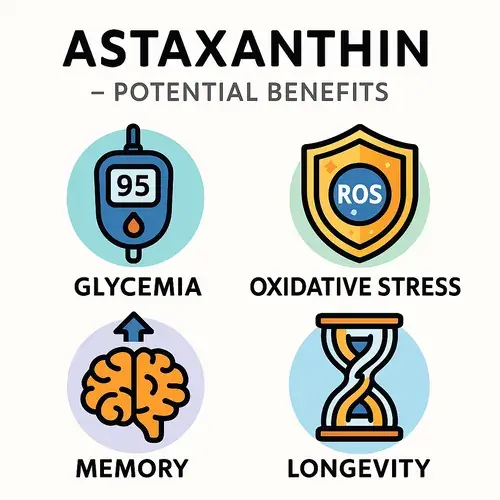
According to clinical studies, astaxanthin is about 6,000 times more powerful than vitamin C as an antioxidant in reducing singlet oxygen species. It can do this amazing thing because of the way its molecules are structured. They can cross cell walls and protect both lipid and watery parts of cells at the same time. The substance can get through both the blood-brain and blood-retinal walls, which is something that not many antioxidants can do. This means that it can directly protect neurons and help the eyes. There is evidence that astaxanthin can change inflammation pathways by blocking NF-κB signaling and lowering the production of pro-inflammatory cytokines. Athletes and other busy people should have less oxidative stress and lactic acid buildup during anaerobic activity. Dermatological uses show hope for protecting against photoaging by building up in skin tissues and blocking collagen-degrading enzymes, especially MMP-1. Because of these different effects, astaxanthin pills are useful additions to health plans that work on many body systems at once.
How to Use Astaxanthin Softgel Capsules Effectively
Dosage Guidelines and Optimal Timing
The scientific literature suggests daily doses between 4 mg and 12 mg for general healing purposes. However, each person's needs are different and depend on their health goals and physiological factors. Doses in this range are usually used in clinical studies that look at heart health, skin protection, and eye function. These doses are given regularly over long periods of time. We provide accurate content calibration across this range, backed up by records from SGS or Eurofins for each output batch for Astaxanthin Softgel Capsules.
Taking astaxanthin pills with foods that contain dietary fats increases their bioavailability by making it easier for micelles to form in the small intestine. People who take their medicine with breakfast in the morning are more likely to stick with it, but people who take bigger doses may get the best results by splitting their doses between breakfast and dinner. The lipid carriers in our softgel recipes help with timing issues by having fat content naturally, but eating fat at the same time still improves absorption efficiency.
Combining with Complementary Supplements
Astaxanthin works better when it is paired with other nutritional ingredients in a planned way. Ocean-based omega-3 fatty acids are similar to those found in fish in that they are lipophilic and have anti-inflammatory effects that work together to improve cardiovascular and brain health. While both vitamin E and astaxanthin help protect lipid membranes from breakdown, astaxanthin is usually the stronger antioxidant that does most of the work.
When athletes add astaxanthin to their performance diet plans, they often mix it with coenzyme Q10 to help their mitochondria work better during hard training sessions. People who want to keep their skin healthy may take astaxanthin with vitamin C and hyaluronic acid supplements to help make collagen and keep the skin moist through a number of different biological processes. Formulators and end users can reach specific health goals through focused nutritional balance when these ingredients are put together in these smart ways.
Safety Considerations and Potential Interactions
The safety profile of natural astaxanthin from algae sources has been good in clinical studies, with no major side effects reported at standard supplement doses. Some mild effects that have been reported are slightly reddish stools (a harmless result of the pigment passing through the digestive system) or mild stomach pain in sensitive people, which is usually addressed by taking the capsules with a sizable meal.
People who take blood thinners should talk to their doctors before starting to take astaxanthin supplements because they might interact with the parts of the body that help the blood clot, though there isn't much clinical evidence of these interactions being harmful yet. Women who are pregnant or nursing should talk to their doctor before starting any new vitamins. Because we only sell natural goods made from algae, we don't sell synthetic versions that might have different safety ratings. This gives you more confidence when making risk-averse purchasing decisions.
Comparing Astaxanthin Softgels with Alternative SupplementsSoftgels versus Tablets and Powders
Different delivery forms have very different absorption rates, which has a direct effect on clinical efficiency and cost-effectiveness from a total value point of view. There are two main problems with tablets and hard pills that contain Astaxanthin Powder: the substance stays in solid particle form and needs to be dissolved, and oxygen exposure during production and storage speeds up breakdown. Standard powder formulations have much lower absorption, even when they are sealed in hard pill shells with gaps that let air in.
These problems can be fixed with softgel technology, which suspends liquids in lipid carriers that are suitable and completely blocks oxygen. Our special filler method makes Astaxanthin Softgel Capsules without air bubbles and with nitrogen-flushed headspace. This keeps peroxide levels below 10 meq/kg and acid levels below 3 mg KOH/g for long periods of time. For formulators making medicines with specific therapeutic goals, this steadiness means that the drugs will work the same way every time, which is important for maintaining a brand's image.
Natural versus Synthetic Astaxanthin Sources
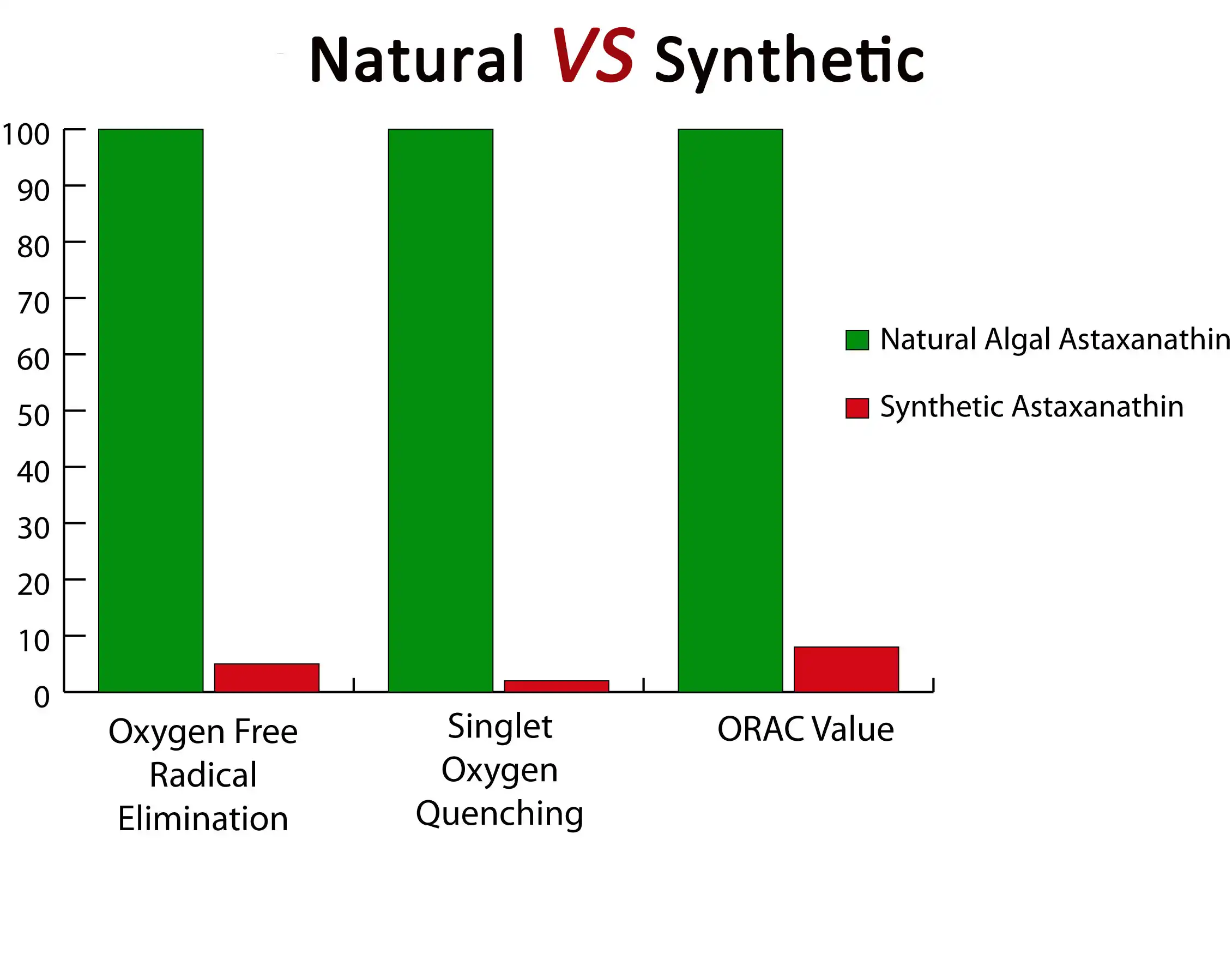
There are both naturally occurring algal astaxanthin and synthetic versions that come from petroleum on the market. This makes it important for procurement workers to know the difference between the two when they are looking at seller choices. Synthetic astaxanthin is a racemic mixture of several stereoisomers, while wild algal extraction mostly gives the 3S,3'S form, which has better biological activity in human metabolism. According to research that compares these sources, natural astaxanthin has much higher antioxidant levels and better absorption properties.
Shaanxi Hongda Phytochemistry Co., Ltd. only makes natural goods from algae and doesn't use chemical manufacturing methods, even though they are cheaper. We support verification through isotope testing, which lets brand partners back up claims of natural origin and earn premium standing in markets that are already very competitive. This promise fits with the fact that more and more people want to buy goods with clean labels, and it helps purchasing teams meet the environmental goals that are being required by corporate responsibility frameworks.
Astaxanthin versus Other Antioxidants
Astaxanthin and omega-3 fatty acids are both found in krill oil supplements. These supplements offer a mix of benefits, but the amounts of astaxanthin are usually smaller than in dedicated supplements. Specialized astaxanthin softgels have a higher dose-to-potency ratio, which lets them work more effectively as antioxidants without consuming too many calories from lipid carriers. Vitamin E and CoQ10 are also lipid-soluble antioxidants that have been studied for a long time, but neither of them passes the blood-brain and blood-retinal walls as astaxanthin does.
Because it can cross barriers, astaxanthin is uniquely suited for neuroprotective and ocular health uses, such as managing computer vision sickness by improving accommodation amplitude and lowering eye tiredness. Beta-carotene and lycopene are both antioxidants in the carotenoid family, but astaxanthin is better at scavenging singlet oxygen. Knowing these comparative advantages helps business-to-business buyers place goods carefully in their portfolios to address specific health concerns of consumers and set brand offerings apart in supplement markets that are already very full.
Procuring Astaxanthin Softgel Capsules for B2B Clients
Supplier Evaluation Criteria
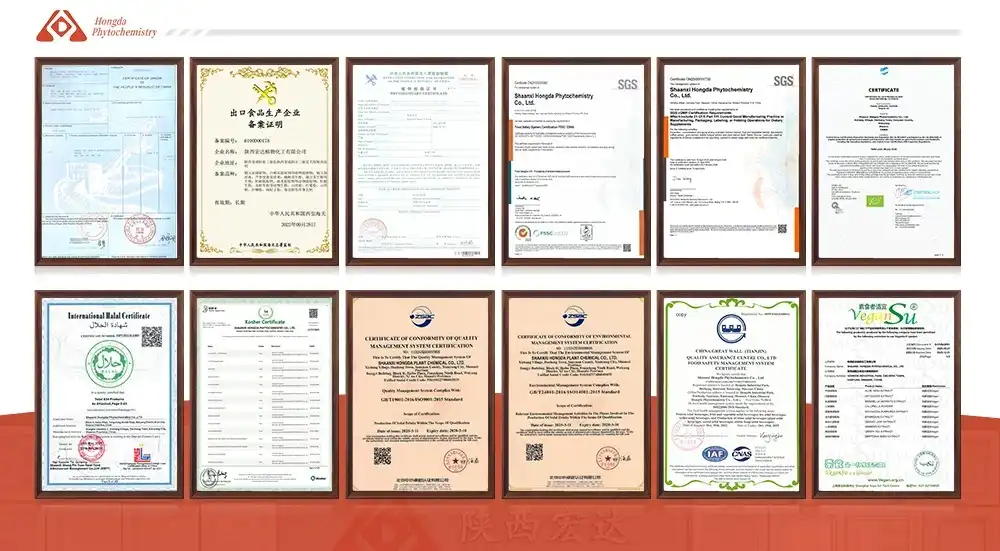
Quality Certifications are important for foreign trade because they prove that factory standards are met and that rules are followed. The company Shaanxi Hongda has many certificates, such as FSSC22000, cGMP, HALAL, KOSHER, BRC, FDA registration, ISO9001, ISO22000, and organic certification. As a result of these qualifications, you can enter regulated markets in North America, Europe, and the Asia-Pacific area. They show that you have systematic quality management in place for sourcing raw materials, manufacturing methods, and checking final products for Astaxanthin Softgel Capsules.
Third-party laboratory proof is an extra level of independent validation on top of self-certification. We provide full analysis reports from SGS or Eurofins labs for every production batch. These reports cover tests for potency, microbiological safety, heavy metals, and herbicide residues. This openness helps procurement teams meet the standards for due diligence and gives them the technical information they need to support regulatory submissions in target markets. Country-of-origin benefits include access to high-quality facilities for growing algae and established phytochemical extraction skills that have been built up over decades in the Chinese plant industries.
Bulk Purchase Considerations and Customization
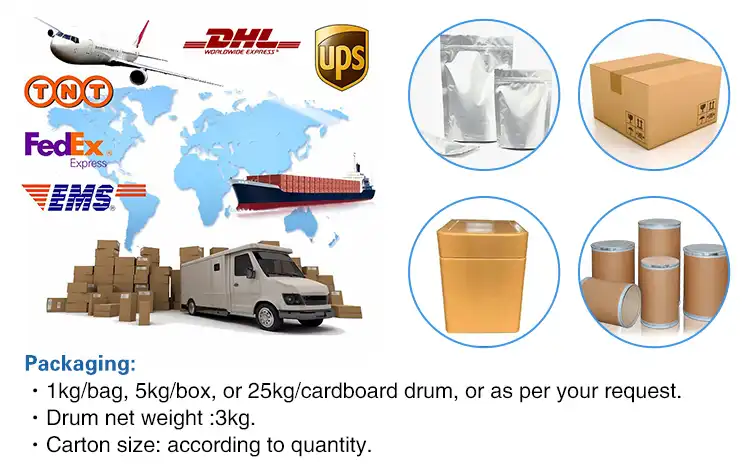
A lot of buying means looking at more than just the unit price. You have to think about the total cost of ownership, which includes things like how efficient the operations are, how flexible the payment terms are, and how reliable the supply chain is. We keep stock on hand so that orders can be filled right away. For smaller orders, we can ship via DHL, FedEx, TNT, EMS, or SF Express within one to three days. For larger orders, we can ship by sea or air freight. There are different ways to pay, such as T/T, VISA, XTransfer, and Alipay, so that different foreign markets can meet their needs.
Strategic sellers are different from basic vendors because they can offer private name and custom formulation services. Labels, bottle specs, and ingredient formulas that are specific to private product ideas are some of the things we can do. Standard versions come in bottles with 60 or 120 capsules, and the amount of material per capsule can range from 4 mg to 12 mg. Because of this, brand partners can make unique product lines for specific market groups without having to spend a lot of money on building their own production facilities. Our research and development team, which is made up of more than 20 professors from well-known universities, helps come up with new formulas for complicated mixtures of multiple ingredients that target new health trends.
Regulatory Compliance and Openness in the Supply Chain
When countries share dietary products, they need to pay close attention to how the rules change over time. When goods come into the US, they have to follow FDA rules about dietary supplements. These rules include registering the facility, naming the products, and making sure they follow cGMP production standards, which can be checked by inspection readiness. In order to sell food in Europe, new ingredients must be approved, and the highest dose levels set by member state laws must be followed.
Traceability systems that link final goods back to the harvests of raw materials and subsequent production lots are very important for reducing the risk of fraud or contamination. Our quality management system keeps full records of the entire chain of custody, from growing the algae to extracting them, formulating them, encapsulating them, and finally packing them. This openness lets any quality issues be dealt with quickly and shows the kind of systematic control that savvy buying organizations look for when they're handling brand image risk across global distribution networks.
Why Astaxanthin Softgel Capsules Are a Strategic Choice for Your Wellness PortfolioMarket Demand and Growth Opportunities
Natural antioxidants that are backed by science are becoming more and more popular among consumers, especially for their anti-aging and health-prevention benefits. According to a study of the market, quality astaxanthin supplements will grow at rates higher than 8% per year until 2030. This is because people in developed markets are living longer and people in developing economies are becoming more aware of health issues. Because the ingredient can be used for a wide range of health benefits, from sports nutrition to skin care, it can be used in a variety of ways to place products in the market, including astaxanthin softgel capsules.
The "beauty from within" nutricosmetics section has a lot of room to grow because people are becoming more aware of the links between their internal nutrition and how they look on the outside. Astaxanthin is a good candidate for this growing group because it has been shown to protect skin collagen structures from UV-induced degradation. When buying new health products or adding to existing ones, procurement workers can get a strategic edge by including high-quality astaxanthin products that meet the high standards of effectiveness, purity, and sustainability set by consumers.
Real-World Applications and Client Testimonials
Our astaxanthin softgels are used as building blocks in finished consumer goods and professional-grade formulations by B2B clients in the cosmetics, pharmaceuticals, and nutritional industries. A North American sports nutrition brand worked with us to create a supplement for recovery that contains 8 mg of natural astaxanthin, omega-3 concentrates, and vitamin D. This supplement was well received by professional athletes looking for performance support based on proof. Part of the product's success came from our ability to keep it very stable during the brand's chosen longer shelf-life conditions.
A European beauty company used our astaxanthin oleoresin in both oral supplements and serums that are put on the skin. This made a complete anti-aging system that protected against photoaging through different delivery methods. Their formulation team appreciated our technical help during the development stages and the constant quality that made it possible for various markets to launch products at the same time. These relationships show how trustworthy ingredient partnerships can help brands reach their goals for innovation and cut down on the time it takes to get new products on the market, giving them a competitive edge.
Innovation Trends and Future Developments
New formulation innovations focus on better ways to offer higher-potency ingredients, new ways to combine ingredients that work well together, and ways to make production cycles more environmentally friendly. The goal of microencapsulation technologies that go beyond softgels is to improve tailored release patterns and stability in tough storage conditions even more. Combination products that combine astaxanthin with complementary herbs like curcumin or resveratrol target multiple oxidative stress pathways at the same time, which makes them appealing to people who want to get all-around health benefits from simple supplement practices.
As customer awareness grows and business responsibility rules get stricter, sustainability issues become more important in purchasing choices. Compared to open-pond ways, our closed-system photoreactor cultivation method uses less water and doesn't need any agricultural land, which helps us meet our environmental responsibility goals. Using better logistics and adding renewable energy to factories is one way to lower your carbon footprint. This is an ongoing development goal that fits with global environmental standards. By including these factors in the criteria used to evaluate suppliers, procurement pros protect product lines against changing customer values and regulatory requirements.
Conclusion
Astaxanthin Softgel Capsules provide health benefits that have been proven by science. They do this by using advanced delivery technology that meets the needs of safety, bioavailability, and effectiveness. The naturally occurring substance from algae has high antioxidant activity and can help with a wide range of health goals, from improving sports performance to protecting the skin. Softgel products solve important technical problems by enclosing substances without air, using lipid-based carriers to improve absorption, and protecting the substances from light to keep their effectiveness over time. When sourcing experts look at different ingredient choices, natural astaxanthin is a good way to place themselves in growing markets that want clean-label solutions based on evidence. When you work with certified providers who offer full quality documentation, customization options, and expert help, you can make sure that your products meet the needs of customers and regulations around the world.
FAQ1. Is long-term astaxanthin softgel supplementation safe?
Natural astaxanthin from algae has great long-term safety ratings, as shown by clinical tests that lasted for months without any major side effects. The chemical is found naturally in foods like salmon and shellfish, which supports its safety. Standard daily doses of supplements, which are between 4 and 12 mg, are still well below amounts that would be toxicologically problematic. Before starting a new supplement routine with Astaxanthin Softgel Capsules, people with certain health problems or who are taking medicines should talk to their doctors.
2. Can astaxanthin interact with other vitamins or medications?
Astaxanthin doesn't seem to combine much with other vitamins and minerals, but there are some theoretical concerns about how it might affect the function of platelets when taken with certain blood thinners. The antioxidant properties of the compound work with most food products instead of against them. Astaxanthin can be mixed with other fat-soluble vitamins like A, D, E, and K without known problems. It is still recommended that people with chronic conditions or complicated drug schedules talk to a healthcare provider.
3. Should I choose organic or conventional astaxanthin sources?
Organic approval proves that farming methods don't use synthetic chemicals and follow strict environmental rules, which appeals to customers who care about the long-term health of agriculture. Biological activity and customer acceptance are much better with natural astaxanthin obtained from algae, whether it is certified organic or made in a conventional way under clean conditions. The difference between natural sources is more important than having an organic license. Shaanxi Hongda has both organically approved and naturally occurring astaxanthin to meet the needs of a wide range of brand marketing strategies and market needs.
Partner with a Trusted Astaxanthin Softgel Capsules Supplier
Shaanxi Hongda Phytochemistry Co., Ltd. has been making natural plant extracts and coming up with new ideas for over twenty years, so they can help you get astaxanthin. Our vacuum microencapsulation technology is used to make pharmaceutical-grade softgels. This technology eliminates worries about oxidation and provides absorption rates 3.5 times higher than normal formulations. Full certifications like cGMP, FSSC22000, HALAL, KOSHER, and organic badges make sure that all of your target markets' goods meet strict international regulatory standards for Astaxanthin Softgel Capsules.
You can change everything about our products, from the names to the bottles to the ingredient mixes. Each bottle can have either 60 or 120 pills. Ready merchandise lets you ship quickly (within one to three days) via top carriers like DHL, FedEx, and TNT, meeting the needs of a fast supply chain. Our promise to only use natural astaxanthin from algae, backed by independent SGS testing, sets your brand apart with a genuine "natural and pure" positioning that commands premium market positioning.
As a producer of Astaxanthin Softgel Capsules, our expert team is ready to help you reach your business goals, whether you need private label solutions, help making a custom formula, or a steady supply of large quantities. Contact Us at duke@hongdaherb.com to talk about your needs and get full product specs, pricing information, and samples that show the high quality that has earned us trust in the cosmetics, nutraceuticals, and pharmaceutical industries around the world since 2001.
References
1. Nishida, Y., Yamashita, E., & Miki, W. (2007). Quenching Activities of Common Hydrophilic and Lipophilic Antioxidants against Singlet Oxygen Using Chemiluminescence Detection System. Carotenoid Science, 11, 16-20.
2. Fassett, R.G., & Coombes, J.S. (2011). Astaxanthin: A Potential Therapeutic Agent in Cardiovascular Disease. Marine Drugs, 9(3), 447-465.
3. Tominaga, K., Hongo, N., Karato, M., & Yamashita, E. (2012). Cosmetic Benefits of Astaxanthin on Human Subjects. Acta Biochimica Polonica, 59(1), 43-47.
4. Nakagawa, K., Kiko, T., Miyazawa, T., Carpentero Burdeos, G., Kimura, F., Satoh, A., & Miyazawa, T. (2011). Antioxidant Effect of Astaxanthin on Phospholipid Peroxidation in Human Erythrocytes. British Journal of Nutrition, 105(11), 1563-1571.
5. Yuan, J.P., Peng, J., Yin, K., & Wang, J.H. (2011). Potential Health-Promoting Effects of Astaxanthin: A High-Value Carotenoid Mostly from Microalgae. Molecular Nutrition & Food Research, 55(1), 150-165.
6. Ambati, R.R., Phang, S.M., Ravi, S., & Aswathanarayana, R.G. (2014). Astaxanthin: Sources, Extraction, Stability, Biological Activities and Its Commercial Applications—A Review. Marine Drugs, 12(1), 128-152.