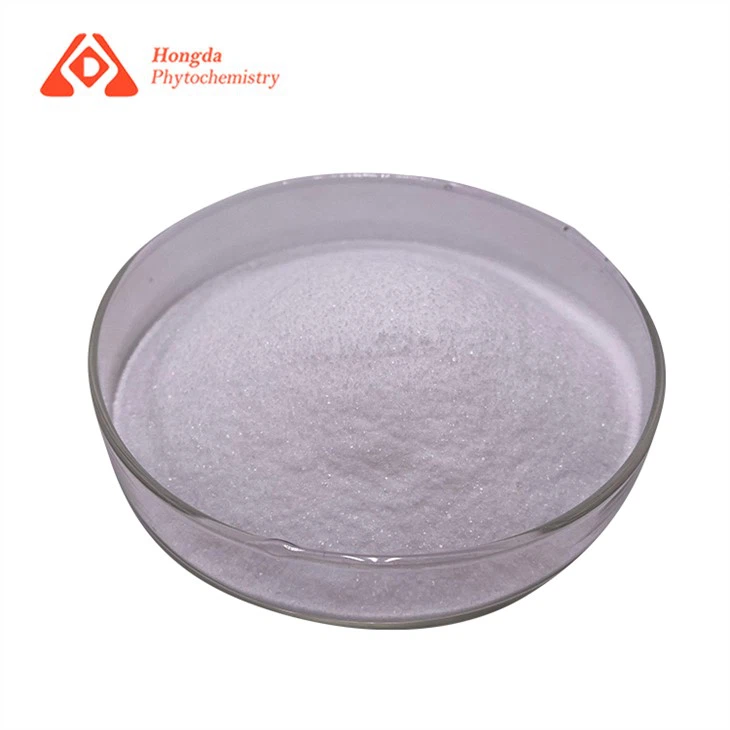
Sourcing pharmaceutical-grade Polygonum Cuspidatum Extract Resveratrol isn’t just a price sheet comparison; it’s knowing precisely what quality-control checkpoints a manufacturer uses from root intake to final packing. Without a formal QC evaluation, purchasers frequently get material that doesn’t meet downstream regulatory or formulation criteria, because the resveratrol concentration, isomer ratio, and residue levels may vary substantially across suppliers. In this article, we will outline the exact checkpoints that procurement and quality teams should check before approving a supplier. We will also discuss why the disciplined production controls of Shaanxi Hongda Phytochemistry make its Polygonum Cuspidatum Extract Resveratrol a reliable choice for pharmaceutical, nutraceutical, and cosmetic applications around the world.
Raw Material Intake and Botanical Authentication Checks
Quality Control for Polygonum Cuspidatum Extract Resveratrol starts long before the extraction process ever begins, when raw roots arrive at the factory gate. Because faults at this first level are carried through every subsequent phase of processing, buyers assessing a supplier should question exactly how incoming botanical material is validated, screened and recorded.
Verifying Polygonum Cuspidatum Sieb. et Zucc. Species Identity
The first hurdle in any legitimate QC procedure is to establish that entering roots are really Polygonum cuspidatum Sieb. et Zucc., the particular botanical species identified as the major industrial source of resveratrol. A morphological examination is not adequate since closely related knotweed species might seem quite similar yet have very different stilbene contents. Good Polygonum Cuspidatum Extract Resveratrol producers safeguard their downstream batches from inadvertent substitution or adulteration with inferior botanicals by employing visual inspection and chemical fingerprinting to confirm species identity before a single root enters the extraction line.
Root Harvesting Season and Moisture Content Screening
Bulk resveratrol powder and polydatin levels in Polygonum cuspidatum roots vary with harvest time, and roots gathered later in the season tend to have larger quantities of active compounds than those collected prematurely. Therefore, a thorough intake procedure for Polygonum Cuspidatum Extract Resveratrol documents the harvest season as well as moisture content testing since roots that are too damp encourage microbial development during storage and diminish effective potency estimations. Suppliers who record harvest date and moisture data for each incoming lot provide customers a considerably better understanding of projected extraction yield and consistency across production runs.
Pesticide Residue and Heavy Metal Pre-Screening
Since Polygonum cuspidatum is commonly collected from the wild or produced on smaller, regional farms, there is a genuine danger of pesticide residues and heavy metal contamination from the soil that needs to be screened before the roots proceed into processing. Pre-screening raw material for Polygonum Cuspidatum Extract Resveratrol against known limits helps to avoid contaminated batches from using up costly extraction resources and also preserves the manufacturer’s certification status with authorities that demand verified contaminant control. Buyers should particularly enquire whether pesticide and heavy metal tests are performed at intake, mid-process or just on the final extract. Intake stage screening will detect concerns the earliest and most cost-effectively.
Supplier Traceability Documentation Review
Each batch of raw Polygonum cuspidatum root should be accompanied by paperwork to specify the farm or collecting area, date of harvest, and internal lot number traceable forward through extraction, testing, and final packing. With this traceability chain, if subsequently there is a quality problem with a producer of Polygonum Cuspidatum Extract Resveratrol, they can immediately identify and recall a single batch as opposed to having to examine an entire manufacturing run. When investigating prospective vendors, procurement groups can ask for a sample traceability record that shows how a completed drum can be traced back to its initial raw material input. This one document may sometimes tell you more about a factory’s QC discipline than any marketing promise.
|
Products name
|
Resveratrol Extract
|
Use part
|
Root
|
|
ITEMS
|
SPECIFICATION
|
RESULT
|
METHOD
|
|
Assay(Resveratrol)
|
NLT 98%
|
98.35%
|
HPLC
|
|
Appearance
|
White or off-white powder
|
Conform
|
Visual
|
|
PHYSICAL CHARACTERISTICS
|
|||
|
Loss on Drying
|
NMT 1%
|
0.49%
|
GB5009.3
|
|
Sulphated
|
NMT 0.5%
|
0.25%
|
GB5009.4
|
|
CHEMICAL CHARACTERISTICS
|
|||
|
Heavy Metals(as Pb)
|
NMT 10ppm
|
Conform
|
GB5009.74
|
|
Arsenic (As)
|
NMT 2ppm
|
Conform
|
GB5009.11
|
|
Cadmium(Cd)
|
NMT 1ppm
|
Conform
|
GB5009.17
|
|
Mercury(Hg)
|
NMT 0.1ppm
|
Conform
|
GB5009.12
|
|
MICROBIOLOGICAL CHARACTERISTICS
|
|||
|
Total Plate Count
|
NMT 1000cfu/g
|
Conform
|
GB4789.2
|
|
Total Yeast & Mold
|
NMT 100cfu/g
|
Conform
|
GB4789.15
|
|
E.Coli
|
Not Detected
|
Not Detected
|
GB4789.3
|
|
Salmonella
|
Not Detected
|
Not Detected
|
GB4789.4
|
|
Staphylococcus
|
Not Detected
|
Not Detected
|
GB4789.10
|
|
Conclusion
|
Qualified.
|
||
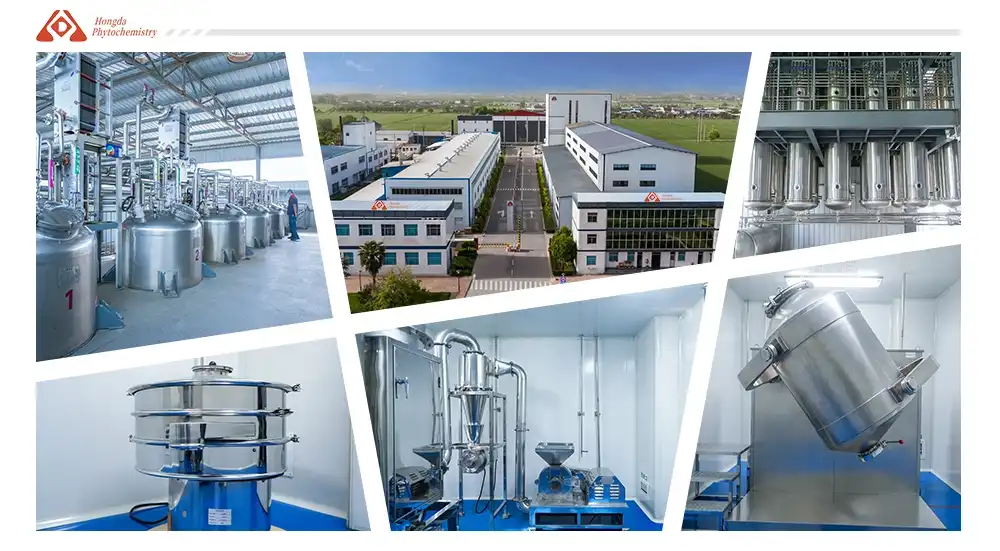
Extraction and Processing Control Points
Critical control points also exist in the extraction and conversion steps after raw material has been subjected to intake screening. The method a factory uses to handle this conversion stage plays a big role in the ultimate potency and consistency of its Polygonum Cuspidatum Extract Resveratrol output since resveratrol is found naturally in conjunction with its glucoside form, polydatin.
Solvent Selection and Extraction Efficiency Monitoring
The choice of extraction solvent directly influences the yield and purity of Polygonum Cuspidatum Extract Resveratrol. Ethanol-based solutions are often used because they have a high capacity to dissolve stilbene compounds and meet the standards for pharmaceutical-grade residual limits. Factories should monitor extraction efficiency in real time, noting how much active ingredient moves from raw root into solution throughout each processing cycle. Facilities that record this data batch by batch may rapidly discover when yields drop below predicted ranges, sparking inquiry before an entire production cycle is squandered on inefficient or inadequately regulated extraction conditions.
Polydatin-to-Resveratrol Conversion Verification
Because roots naturally contain more polydatin than free resveratrol, many manufacturing procedures incorporate an enzymatic or acid-hydrolysis conversion phase that turns polydatin into resveratrol to fulfil desired requirements. Verifying that this conversion phase operates consistently is vital for every producer of Polygonum Cuspidatum Extract Resveratrol, because partial conversion produces residual polydatin that decreases the effective resveratrol percentage on the certificate of analysis. Quality teams should check that conversion efficiency is verified at numerous times throughout processing rather than inferred from a single endpoint measurement, as intermediate sampling detects conversion faults while they can still be remedied.
Temperature and Time Control During Processing
Resveratrol is susceptible to heat, light, and oxidation, indicating that poorly managed processing temperatures or lengthy exposure durations might destroy active ingredient levels before the extract ever reaches final testing. Manufacturers manufacturing Polygonum Cuspidatum Extract Resveratrol at scale require documented temperature and time criteria for every processing step, from initial extraction to concentration and drying. Facilities working within a cGMP-compliant environment often record these parameters automatically, producing an audit trail that purchasers may check to ensure processing conditions remained within approved ranges for the exact batch they want to purchase.
In-Process Sampling and Intermediate Testing
Waiting until a batch is totally completed before testing wastes time and resources if a problem arises early in production. Leading producers remove intermediate samples of Polygonum Cuspidatum Extract Resveratrol at established milestones, executing fast potency or purity tests that enable modifications before the batch moves further. This layered sampling approach catches drift in extraction efficiency or conversion rate long before it becomes an expensive finished-goods failure, and it reflects a level of process maturity that separates established pharmaceutical-grade producers from smaller operations relying solely on final-product testing.
Analytical Testing Standards for Resveratrol Purity
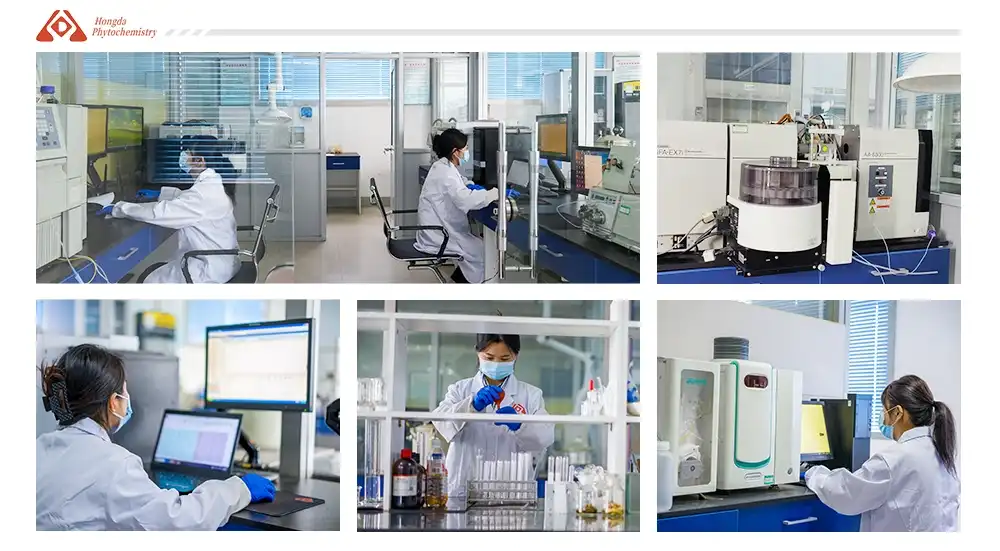
The final analytical testing is the point at which a batch of Polygonum Cuspidatum Extract Resveratrol either meets its stated standard or shows a quality deficiency that should prevent it from shipping. Buyers need to know precisely which tests a reputable laboratory does, and how to read the paperwork.
HPLC Verification of 98% Resveratrol Specification
Polygonum Cuspidatum Extract Resveratrol is often tested by high-performance liquid chromatography, the industry standard to verify that the product satisfies the label claim of 98% Resveratrol. This process isolates and quantifies the Resveratrol separately from other similar stilbenes and residual plant materials. A good certificate of analysis will provide the real chromatogram data or at least reference the approved HPLC technique employed and not just a bare percentage number without supporting methodology. If a buyer is auditing a supplier, they should ask to examine this underlying analytical data on a recent batch before they agree to a purchase order.
Trans- vs Cis-Resveratrol Isomer Ratio Testing
Resveratrol occurs as both trans- and cis-isomers, the trans-isomer being widely accepted as the physiologically active and economically sought form for pharmaceutical and nutraceutical use. Polygonum Cuspidatum Extract Resveratrol should be rigorously tested, stating the trans-isomer percentage explicitly. Exposure to UV light or incorrect storage conditions will cause trans-resveratrol to change over time to the less desirable cis-form. Manufacturers reporting isomer ratios rather than aggregating both forms into a single total resveratrol number exhibit a more sophisticated and buyer-protective approach to quality verification.
Residual Solvent and Microbial Limit Testing
Beyond potency, a complete QC package for Polygonum Cuspidatum Extract Resveratrol must confirm that residual extraction solvents, heavy metals, and microbial counts fall within pharmacopeia-recognized limits appropriate for the intended application. Pharmaceutical-grade material, in particular, demands tighter residual solvent thresholds than food-grade equivalents, and testing should be dated close to the shipment date rather than relying on outdated historical data. If you need help interpreting a certificate of analysis or want a current batch report before finalizing an order, the team at duke@hongdaherb.com can walk you through the underlying test data for any available lot of Polygonum Cuspidatum Extract Resveratrol.
Certificate of Analysis Cross-Verification
A finished certificate of analysis should be cross-checked against the actual shipment, confirming that batch numbers, test dates, and specification values printed on the drum labels match the paperwork provided at the time of order. Discrepancies between documentation and physical product are a serious warning sign, particularly for pharmaceutical-grade Polygonum Cuspidatum Extract Resveratrol destined for regulated markets. Buyers with in-house quality departments should build this cross-verification step into their standard receiving protocol rather than treating supplier paperwork as automatically reliable.
Certification and Compliance Benchmarks to Confirm
But beyond testing at the batch level, a manufacturer's overall certification profile shows customers if quality control is a systematic, audited practice or merely a marketing promise. Verification of these standards ensures regulatory compliance and long-term security of supply.
Pharmaceutical Grade Classification Requirements
Not every Polygonum Cuspidatum Extract Resveratrol is made to pharmaceutical grade standards, and purchasers creating regulated goods need to check precisely what grade categorisation a supplier can back with proof. Pharmaceutical grade usually means stricter impurity limits, more frequent stringent testing, and manufacture under cGMP settings than normal food or cosmetic grade material. Asking for a formal confirmation of the grade classification, including the particular pharmacopoeia standard referred to, avoids expensive misunderstandings further in the regulatory submission process.
International Qualification Portfolio
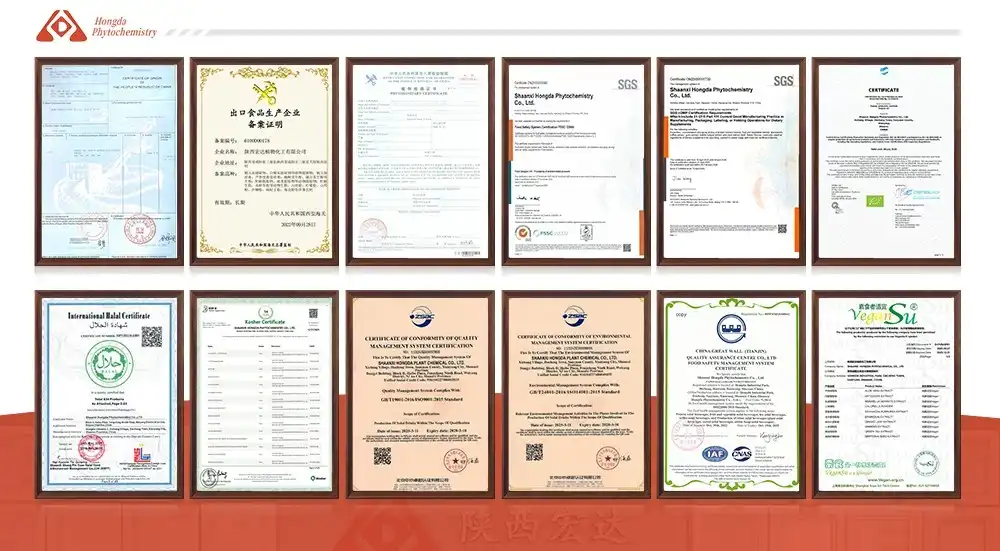
A manufacturer’s certification portfolio of ORGANIC, BRC, HALAL, KOSHER, ISO9001 and ISO22000 gives independent, third-party evidence that the quality processes guiding Polygonum Cuspidatum Extract Resveratrol manufacturing are audited on a recurrent basis rather than self-declared. Buyers selling into numerous foreign markets should check whether particular Certifications are applicable to the actual product line they are purchasing, since certification scope may range across a company’s different production locations or product categories. A large and verified certification portfolio greatly decreases the burden of compliance on the buyer’s own quality team.
Packaging, Labeling, and Batch Record Standards
Correct Packaging and labelling protect Polygonum Cuspidatum Extract Resveratrol against damage by moisture, light, and oxidation in transportation and storage, and thorough batch records give full traceability back to the source material and processing conditions. Industry standard packaging is 25 kg barrels with moisture-proof liners. Labels should provide batch number, production date, specification, and storage directions. Buyers are advised to ask for a copy of the sample label and packaging before shipping to verify they satisfy their internal receiving and storage needs.
Manufacturer Facility Audits and Production Line Capacity
The best way to establish consistent QC is ultimately to have a facility audit, either by the manufacturer or a reputable third-party inspection agency, to check that production line capacity, laboratory equipment, and personnel training are comparable to what the company reports on paper. To ensure consistent quality of Polygonum Cuspidatum Extract Resveratrol, it is recommended to purchase from an SGS-certified lab with dedicated extraction lines for Polygonum Cuspidatum Extract Resveratrol. Larger facilities are more likely to provide consistent quality for big order quantities. Buyers may get a meaningful look before they commit to a long-term sourcing relationship by asking for recent third-party audit reports, even summarised ones.
|
Certification
|
Relevance to Buyers
|
|---|---|
|
ISO9001 / ISO22000
|
Quality and food safety management systems
|
|
ORGANIC
|
Confirms compliance for organic-labeled formulations
|
|
HALAL / KOSHER
|
Market-specific religious dietary compliance
|
|
BRC
|
Global food safety benchmarking standard
|
|
SGS Laboratory
|
Independent, third-party analytical verification
|
|
cGMP
|
Documented, audited pharmaceutical manufacturing practice
|
Conclusion
Before ordering, ensure botanical authenticity, extraction and conversion controls, HPLC-verified purity, and a manufacturer’s certification portfolio to confirm quality in Polygonum Cuspidatum Extract Resveratrol. These checkpoints help buyers avoid expensive compliance failures and irregular batches by adding them to their sourcing process. Shaanxi Hongda Phytochemistry is a reliable partner for formulators demanding documented, traceable resveratrol quality, with a cGMP facility, an SGS-certified laboratory, and pharmaceutical-grade manufacturing standards.
FAQ
1. What specification should I expect from pharmaceutical-grade Polygonum Cuspidatum Extract Resveratrol?
Pharmaceutical-grade material typically carries a 98% resveratrol specification confirmed by HPLC, with documented trans-isomer content and tight residual solvent limits.
2. Why does the trans- versus cis-resveratrol ratio matter for quality control?
The trans-isomer is the biologically active, commercially preferred form, and light or heat exposure can convert it into the less desirable cis-form, so isomer testing should be reported separately.
3. How can I confirm a supplier's raw material is authentic Polygonum cuspidatum?
Ask for species authentication records combined with harvest documentation, since visually similar knotweed species can differ significantly in resveratrol content.
4. What certifications indicate reliable QC for resveratrol manufacturing?
Look for cGMP, ISO9001, ISO22000, ORGANIC, HALAL, KOSHER, and BRC certifications, along with access to SGS or equivalent third-party laboratory testing.
5. What packaging should Polygonum Cuspidatum Extract Resveratrol come in?
Standard industry packaging is 25-kilogram drums with moisture-resistant liners, clearly labeled with batch number, manufacture date, and specification details.
Source Verified Resveratrol Directly From Hongda
Since 2001, Shaanxi Hongda Phytochemistry Co., Ltd. has built its Polygonum Cuspidatum Extract Resveratrol production around documented QC checkpoints, from raw root authentication through cGMP-controlled extraction and SGS-certified final testing. With a broad international certification portfolio and more than 400 natural plant extracts in our catalog, our team can also customize specifications for your specific formulation needs. If you would like a current certificate of analysis, sample, or pricing before your next order, contact duke@hongdaherb.com and our professional team will respond promptly with the documentation you need to source with confidence.
References
1. Vang, O., Ahmad, N., Baile, C. A., et al. (2011). What is new for an old molecule? Systematic review and recommendations on the use of resveratrol. PLOS ONE, 6(6), e19881.
2. Peng, W., Qin, R., Li, X., & Zhou, H. (2013). Botany, phytochemistry, pharmacology, and potential application of Polygonum cuspidatum Sieb. et Zucc.: A review. Journal of Ethnopharmacology, 148(3), 729–745.
3. Baur, J. A., & Sinclair, D. A. (2006). Therapeutic potential of resveratrol: The in vivo evidence. Nature Reviews Drug Discovery, 5(6), 493–506.
4. Kimura, Y., Okuda, H., & Kubo, M. (1995). Effects of stilbenes isolated from medicinal plants on arachidonate metabolism and platelet aggregation. Journal of Ethnopharmacology, 45(2), 131–139.
5. Shen, T., Xie, C. F., Wang, X. N., & Lou, H. X. (2013). Stilbenoids from the genus Polygonum. Studies in Natural Products Chemistry, 40, 265–303.
6. Delmas, D., Aires, V., Limagne, E., et al. (2011). Transport, stability, and biological activity of resveratrol. Annals of the New York Academy of Sciences, 1215(1), 48–59.





_1767163769662.webp "Alpha Lipoic Acid Powder")