What Makes Liposomal Resveratrol Powder Superior for Supplement OEM?
2026-07-24 17:14:07
Liposomal Resveratrol Powder is a big step forward in the way nutraceuticals are made because it solves the basic bioavailability problem that has been holding back traditional resveratrol supplements. This advanced delivery method achieves encapsulation efficiency of over 85% by enclosing trans-resveratrol in phospholipid bilayers made from sunflower lecithin. This is in contrast to traditional forms, which have trouble with less than 1% systemic availability. The technology creates lymphatic absorption routes that skip the first stage of hepatic processing. This makes the drug 15-20 times more bioavailable. This means that OEM manufacturers that want to sell high-end supplements need to come up with formulations that provide measurable health benefits at lower doses while also staying more stable over the course of the product's lifecycle.
Understanding Liposomal Resveratrol Powder: What Sets It Apart?
The Science Behind Liposomal Encapsulation Technology
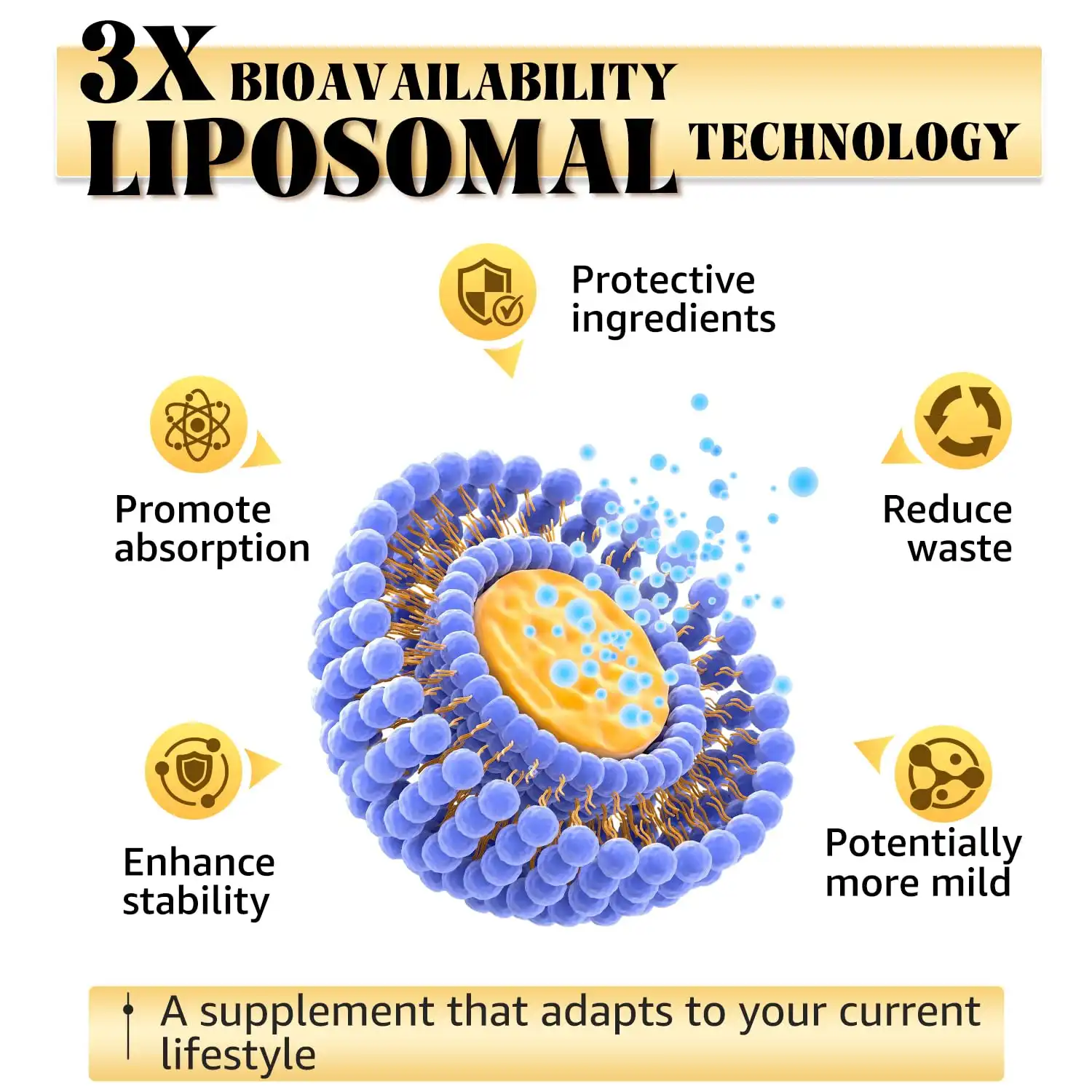
Liposomal transport methods are built in a way that is similar to the way our body's cell membranes are built, which makes absorption easy. Trans-resveratrol molecules are surrounded by a protective phospholipid sphere during high-pressure homogenisation. This makes particles that are 100 to 300 nanometres in size. This exact size allows direct uptake into the intestines through M-cells in Peyer's patches. This makes it easier for the substance to enter the lymphatic system instead of the portal circulation, which leads to rapid processing in the liver.
At Shaanxi Hongda Phytochemistry, we have tight control over the distribution of particle sizes. A Polydispersity Index below 0.3 makes sure that the quality is always the same. The next step, pharmaceutical-grade freeze-drying, turns these liquid liposomes into a stable powder without damaging the integrity of the vesicles. Real liposomal products are different from simple physical mixtures that don't have true encapsulation because of this level of technical detail.
Bioavailability Advantages That Transform Product Efficacy
Standard resveratrol has the well-known "brick dust" problem, which means it doesn't dissolve well in water and goes through a lot of Phase II metabolism through the sulfation and glucuronidation pathways. Even at high doses, clinical tests show that regular resveratrol pills only raise plasma levels to a maximum of 0.5 to 2 micrograms per millilitre. This metabolic profile is fundamentally changed by the liposomal screen.
Protected resveratrol molecules can make it through the acidic environment of the stomach and reach the small intestine whole. Because phospholipid bilayers are lipophilic, they can easily blend into enterocyte membranes, which makes transcellular transport easier. According to research, this method can increase plasma resveratrol levels by 10 to 20 times higher than unencapsulated forms, but this depends on the specifics of the formulation and the person's metabolic factors.
Health Benefits Optimized Through Enhanced Delivery
Resveratrol is an antioxidant because of its polyphenol structure, which can get rid of reactive oxygen species that cause cells to age. Because liposomal delivery makes drugs more bioavailable, lower doses are needed to reach therapeutic plasma concentrations that support many body systems.
Cardiovascular uses gain from resveratrol's known ability to increase the production of capillary nitric oxide, which helps keep blood vessels flexible and blood flow healthy. Its photoprotective features help protect skin from UV damage, and it also speeds up the processes that make collagen. Resveratrol is an important part of many anti-ageing supplements because it activates sirtuins, especially SIRT1. This makes it a substance that helps people live longer. For B2B clients who are making high-end wellness goods, these many perks make for appealing marketing stories that are backed up by biological evidence.
Liposomal Resveratrol Specification
|
ANALYSIS
|
SPECIFICATION
|
RESULTS
|
||
|
Appearance
|
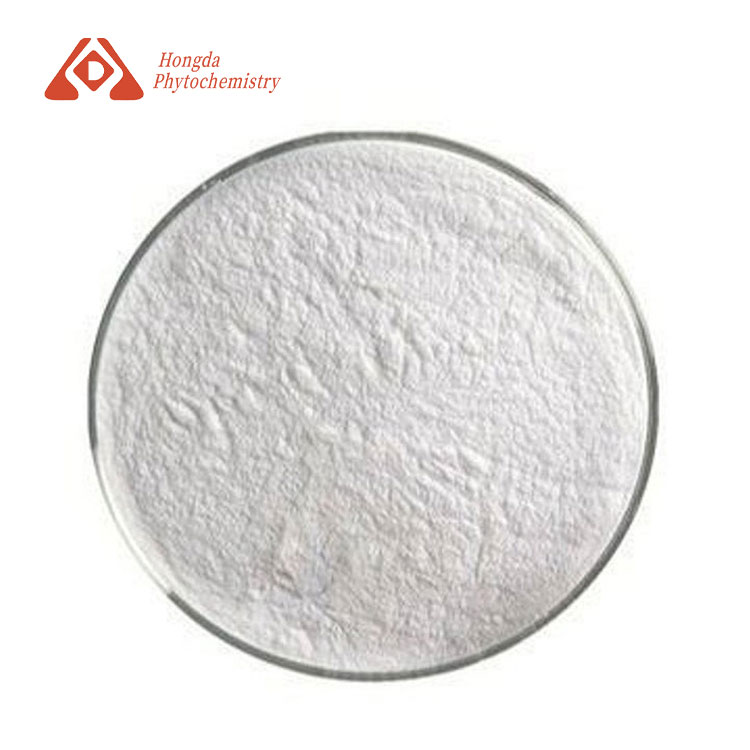
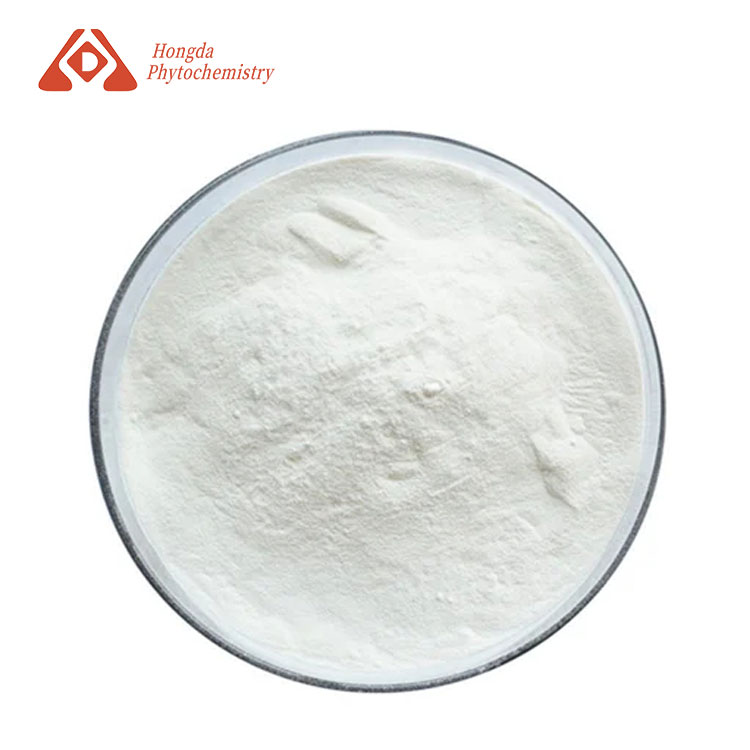
White powder
|
Complies
|
||
|
Odor
|
Characteristic
|
Complies
|
||
|
Tasted
|
Characteristic
|
Complies
|
||
|
Assay
|
50%(Resveratrol 50% Liposome 50%)
|
Complies
|
||
|
Sieve Analysis
|
100% pass 80 mesh
|
Complies
|
||
|
Loss on Drying
|
5% Max.
|
1.02%
|
||
|
Sulphated Ash
|
5% Max.
|
1.3%
|
||
|
Extract Solvent
|
Ethanol & Water
|
Complies
|
||
|
Heavy Metal
|
5ppm Max
|
Complies
|
||
|
As
|
2ppm Max
|
Complies
|
||
|
Residual Solvents
|
0.05% Max.
|
Negative
|
||
|
Microbiology
|
|
|
||
|
Total Plate Count
|
1000/g Max
|
Complies
|
||
|
Yeast & Mold
|
100/g Max
|
Complies
|
||
|
E.Coli
|
Negative
|
Complies
|
||
|
Salmonella
|
Negative
|
Complies
|
||
Why Liposomal Resveratrol Powder Excels Over Traditional Forms for OEMsOvercoming Conventional Formulation Limitations
Traditional wholesale resveratrol powder products are hard to formulate, which hurts both the manufacturer's business and the customer's happiness. Because the substance is naturally hydrophobic, it clumps together in watery environments, which makes dosing uneven across pills or capsules. Stability problems make things even more difficult. When exposed to light, oxygen, or high temperatures, the bioactive trans-form changes to the less useful cis-configuration.
Because of these technical problems, manufacturers have to significantly raise dosages, which drives up the cost of raw materials while still not delivering the best results. Adding excipients to make a drug more soluble often makes it bulkier than it needs to be, which limits the preparation options. The encapsulation method solves both problems at the same time by making a system that instantly disperses in biological fluids and keeps the active payload safe from environmental damage.
Practical Advantages for Manufacturing and Distribution
From a production point of view, liposomal powder fits right into the way supplements are normally made. For making tablets, the white powder that doesn't stick together is very easy to crush, and for making capsules, it fills evenly. Unlike raw resveratrol, which needs a lot of other processing, the stabilised liposomal form keeps the same particle properties during bulk handling and Packaging.
When it comes to money, shelf life issues have big effects on foreign delivery networks. Standard resveratrol formulas need to be kept in the fridge and lose a lot of their effectiveness after 12 to 18 months. When properly packaged, our Liposomal Resveratrol Powder stays stable for more than 24 months at room temperature. This lowers the cost of cold chain logistics and increases market reach. Third-party accelerated ageing studies at 40°C and 75% relative humidity show that there is less than 5% degradation over two-year periods that are the same. This gives confidence to global distribution strategies.
The different shipping methods give product developers a lot of options for how to make new products. Manufacturers of drinks can make drinks that are clear and stable, with no cloudiness or precipitation. Resveratrol benefits are added to powder blends that are used as meal replacements or protein supplements without changing the way the food tastes. Even cosmetic applications on the skin are now possible, though the right changes to the formulation are still needed for transdermal delivery.
Documented Performance in Commercial Applications
Nutraceutical names that are well-known in Europe and North America have switched to liposomal resveratrol versions that work. Consumer feedback consistently highlights improved tolerance profiles, with reduced gastrointestinal complaints compared to standard resveratrol products. This fits with how phospholipid encapsulation protects the stomach by keeping things from coming into direct contact with the stomach lining.
Quality benchmarking data shows that liposomal technology has another useful benefit: batch-to-batch consistency gets a lot better. Controlled manufacturing parameters that determine encapsulation efficiency make product specifications more predictable, which lowers the variability that occurs with botanical extracts. This consistency means that OEM partners who manage multiple product lines can streamline their quality control processes and reject fewer batches.
Key Procurement Considerations for Liposomal Resveratrol Powder in the B2B MarketEssential Quality and Compliance Standards
When buying complex products, you need to follow strict proof procedures that go beyond simple certificate reviews. For Liposomal Resveratrol Powder to be real, it needs to be tested for specific chemicals that show absorption, not just physical mixing. High-Performance Liquid Chromatography (HPLC) measures the amount of trans-resveratrol present, and the purity level is usually higher than 90%. Dynamic Light Scattering (DLS) checks the particle size claims and the even distribution of the particles.
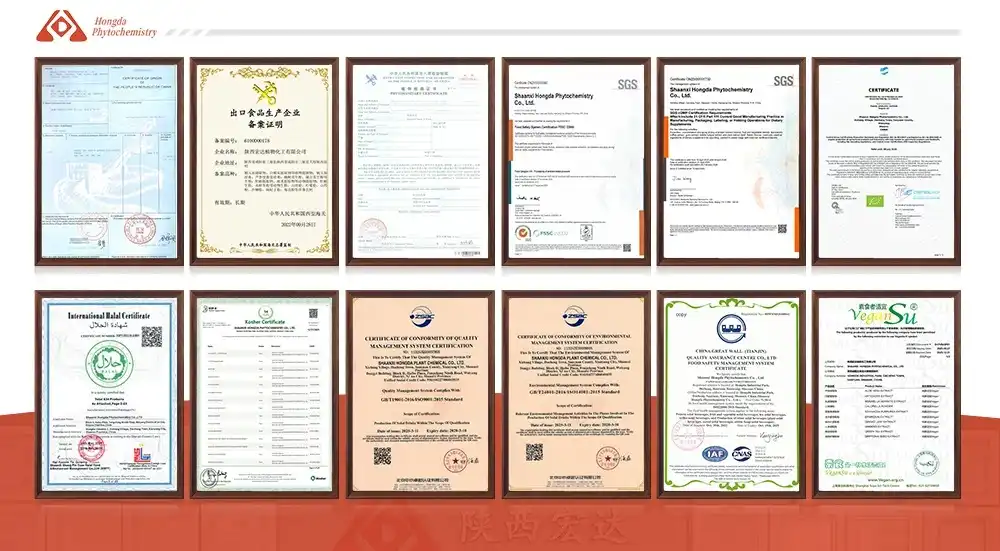
Along with ISO 9001 and FSSC 22000 standards, our facility maintains cGMP certification for wholesale resveratrol powder. This gives international markets the regulatory base they need. The lab that is certified by SGS does a lot of tests, such as measuring zeta potential to predict how stable colloids will be in the long term. HALAL and KOSHER Certifications make the market more accessible to a wider range of customers, and organic certification choices serve the growing clean-label market.
Heavy metal screening with Inductively Coupled Plasma Mass Spectrometry (ICP-MS) makes sure that the levels of lead, cadmium, mercury, and arsenic are within the limits set by California Prop 65 and the European Union. Microbial testing protocols go beyond what the USP requires, with proof that Salmonella, E. Staphylococcus aureus, and E. coli. These thorough quality controls protect the brand's image and make sure that customers are safe in all regulatory settings around the world.
Economic Evaluation and Volume Pricing Structures
When figuring out how much liposomal products cost, you need to look at more than just the price per kilogram. The encapsulated form costs more than regular resveratrol extracts, but because it is more bioavailable, it is possible to lower the dose, which brings down the real cost difference in finished products. Liposomal resveratrol at a dose of 100 mg may provide the same bioactive exposure as 500 mg or more of normal forms, which changes the cost equation in a big way.
Prices are based on promises to buy a certain amount of goods. For example, our minimum order number for product development is 1 kg, and competitive rates start at 50 kg for commercial production runs. A production capacity of 3,000 tonnes per year guarantees a steady supply, even for brands that are growing quickly in the market. Clear price policies that take into account changes in raw materials and currencies make it easier for buying teams to confidently plan their budgets.
Logistics and Storage Requirements for Global Supply Chains
International shipping involves more than just setting up goods plans. Liposomal powder is kept safe from humidity during shipping with the right packing. For international orders, foil-lined containers and nitrogen flushing are suggested. Our location in Shaanxi, China, puts us close to major Asian ports, and our status as a Public Overseas Warehouse makes it easier to handle customs for shipments going to North America and Europe.
Temperature monitoring along the entire distribution chain makes sure that stability parameters are maintained, but the ability to store at room temperature eliminates the need for a cold chain. Documentation packages include Certificates of Analysis, Material Safety Data Sheets, and letters of compliance with regulations that are specific to the needs of the destination country. Lead times for normal orders are usually two to three weeks, but there are faster choices for product launches that need to happen quickly.
The product can be stored between 15°C and 25°C and will last for 24 months. This gives plenty of time for marketing, shop display, and customer use. Keeping products in the right way, away from direct light and moisture, is important for keeping their quality throughout the supply chain. When compared to materials that need special handling infrastructure, these practical factors lower the total cost of ownership.
How to Choose the Right Liposomal Resveratrol Powder Supplier for Your OEM Needs
Evaluating Manufacturing Capabilities and Technical Support
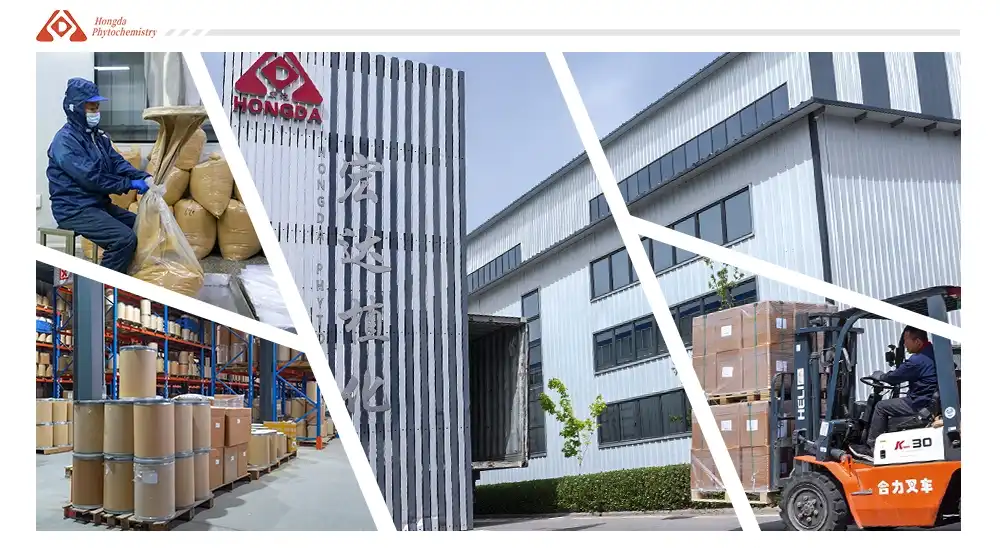
Supplier selection goes beyond just making sure products are available; it also involves judging how advanced the manufacturing is and how much R&D the company can do. High-pressure homogenisation systems and pharmaceutical-grade freeze-drying equipment in facilities show that they are dedicated to advanced liposomal technology rather than just toll production. Our 20,000-square-meter production centre has ten separate lines for making natural plant extracts. Each line is in a 100,000-level clean room that keeps germs from spreading.
Research-driven manufacturers are different from commodity suppliers because they have qualified technical staff. Our team of more than 20 professors from well-known universities helps with formulation in more ways than just supplying ingredients. This knowledge is very helpful when making custom products because it helps brands improve matrix interactions, deal with taste-masking issues, and create formulas that are more stable for certain market groups.
Access to analytical tools affects how well quality assurance works. Having HPLC, DLS, and ICP-MS instruments in-house speeds up the process of qualifying for special specs and allows for quick method creation and validation. Third-party verification through SGS partnerships gives brands that are being inspected by regulators or quality auditors independent proof that boosts their trust.
Customisation Services and Private Label Flexibility
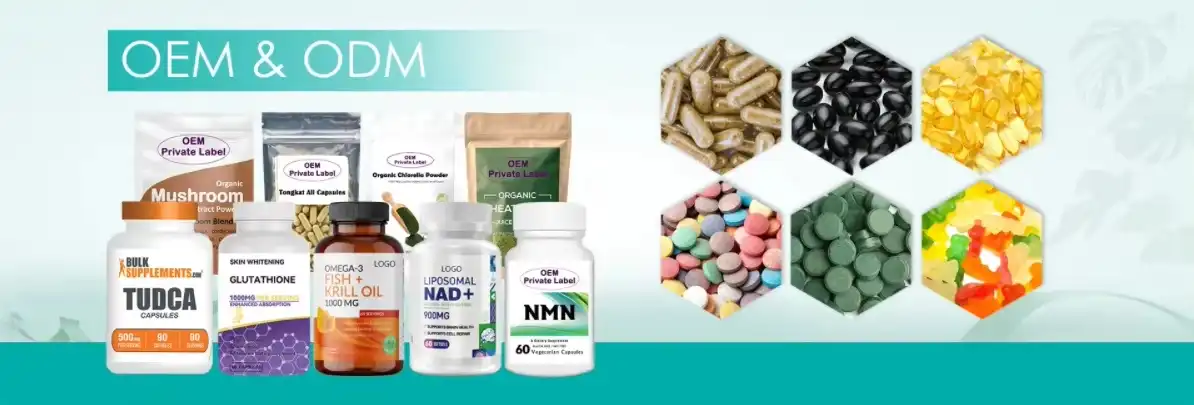
In competitive supplement markets, changing the formulation beyond what is required by standard specifications is often needed to make the product stand out. Customisation services, such as optimising particle size and choosing the right carrier, help brands make unique products that don't become generic. Our facility can handle custom amounts of resveratrol to phospholipid, different types of excipients for people with specific dietary needs, and particle engineering for specific delivery profiles.
As part of private labelling, packages can be set up in ways that match the look and marketing tactics of the brand. Flexible minimum order amounts help both new brands that are trying out ideas in the market and established brands that are adding to their product lines. Supporting technical documentation includes data from stability studies, suggested usage levels, and regulatory guidance that makes the process of getting a product approved easier in different places.
The supply chain is less complicated when production can be scaled up from small amounts for testing to large amounts for sale from the same supplier. When going from research labs to contract manufacturers, formulation drift can happen. To avoid this, make sure the quality stays the same during the scale-up steps. Time-to-market is sped up, and technical risk is lower thanks to this continuity.

Supplier Reliability and Long-Term Partnership Potential
Reputation evaluation includes more than just marketing claims; it also looks at past achievements that can be checked. Suppliers that have been around for a long time and have a track record of reliability and expert skill are good to work with. The fact that Shaanxi Hongda Phytochemistry was founded in 2001 and was named a national high-tech enterprise in 2010 shows that the company is dedicated to developing new natural extracts.
How responsive customer service is affects how efficiently daily operations run. Our support team is available 24 hours a day, 7 days a week to answer technical questions, make changes to orders, and fix urgent problems in all time zones. The ability to speak more than one language gets rid of communication problems that can make it harder for countries to work together. Demand planning works better when there is clear communication about production schedules, inventory availability, and possible supply constraints.
Certifications from well-known organisations provide objective proof of capability claims. Multiple organic certificates, FDA registration, and BRC food safety certifications show that the company has put money into building up a compliance system that keeps partner brands safe from regulatory scrutiny. Regular audits by certification bodies keep standards high by checking things over time instead of just once.
Optimising Product Performance with Liposomal Resveratrol Powder in OEM Supplements
Establishing Effective Dosage Parameters
The recommended daily dose of resveratrol in clinical literature ranges from 20 mg to 500 mg, but most applications focus on 100 mg to 250 mg for long-term health. Because liposomal delivery makes drugs more bioavailable, it's possible to make formulations that work at the lower end of this range and still get plasma amounts that are similar to much higher doses of normal forms. Conservative formulation methods might aim for 50–100 mg of liposomal resveratrol per dose, taking cost and effectiveness into account.
Large-scale tests on humans have shown that resveratrol is safe, with the only side effects being mild stomach problems at very high doses. Generally Recognised As Safe (GRAS) status makes it easier for food and drink applications to get approved by regulators in many places. When you combine resveratrol with antioxidants that work well with it, like quercetin or vitamin E, the two can work together to make the product more valuable overall.
Formulation Strategies for Stability and Shelf Life Extension
Matrix interactions between liposomal resveratrol and other formula parts need to be carefully studied while the product is being made. Over time, highly acidic or chelating ingredients may make phospholipid membranes less stable, which may require pH balancing or changes to the order of the ingredients. Adding antioxidants like mixed tocopherols or ascorbyl palmitate makes the food even safer from oxidative damage while it's being stored.
Moisture barriers are very important for powder stability; water activity levels should be below 0.4 to stop phospholipid breakdown. For products going to humid places or with claims of a longer shelf life, the packaging should include desiccant sachets and oxygen absorbers. As long as the product is kept in an amber or opaque container, the resveratrol isomer amounts will stay the same.
Accelerated stability testing should last at least six months at high temperatures and humidity, with chemical analysis keeping track of both the amount of resveratrol and the formation of degradation products. Monitoring the powder's physical stability makes sure that the particle size distribution and reconstitution properties stay the same. These proactive steps for validation stop market withdrawals that cost a lot of money and protect brand equity.
Sensory Optimisation for Consumer Acceptance
With liposomal encapsulation, most of the problems with palatability that come with regular resveratrol products go away, but there are still some taste issues to think about. You can hide the small earthy or astringent notes by choosing the right flavour system. Berry, lemon, and vanilla profiles work especially well together. Adding a little sugar and adjusting the pH to a level between 6.5 and 7.5 can help make drinks taste better.
Texture affects how people feel about a product, especially powders that need to be reconstituted. Good Liposomal Resveratrol Powder has small particles that dissolve quickly, making the mouthfeel smooth without being gritty. Adding complementary ingredients like collagen peptides or MCT powder can make the texture seem creamier while also giving the product useful benefits that help with marketing.
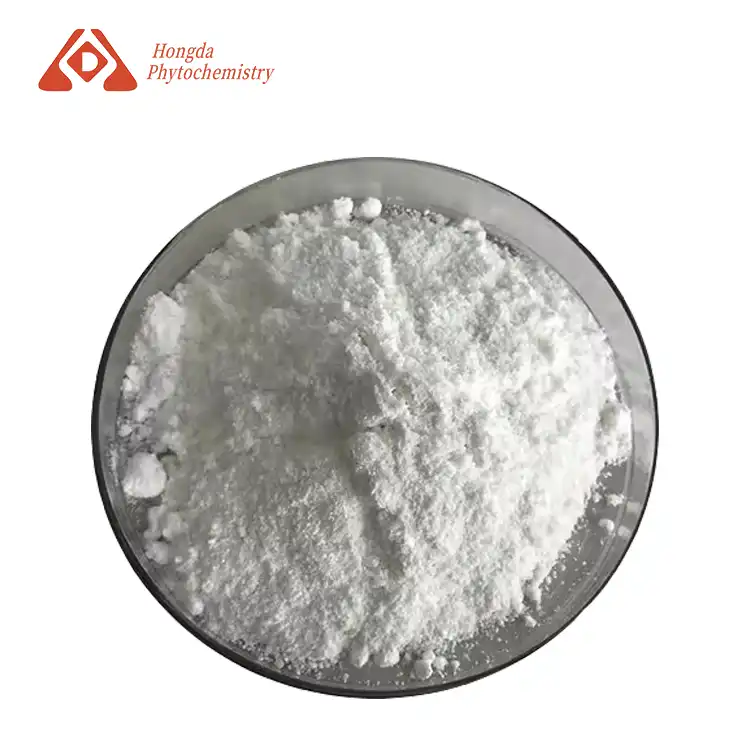
Appearance standardisation through controlled manufacturing prevents batch-to-batch color variation that concerns brand managers. The characteristic white to off-white powder should maintain a consistent appearance across production runs, with clear specification ranges that guide quality release decisions. Visual consistency reinforces quality perceptions among both B2B customers and end consumers.
Conclusion
Liposomal Resveratrol Powder solves the major bioavailability problems that have limited traditional resveratrol supplements. It gives OEM manufacturers a scientifically proven way to make their products work better. The phospholipid capsule technology increases bioavailability by 15 to 20 times while also improving stability in a way that makes production easier and increases shelf life. When it comes to procurement professionals and formulators who are going after high-end nutraceutical markets, the combination of better effectiveness, formulation flexibility, and supply chain usefulness creates strong value propositions. When brands choose providers with proven technical skills, thorough quality systems, and the ability to customise products, they set themselves up for success in the health market, which is becoming more complex and where unique products that work well keep customers coming back.
FAQ1. What minimum order quantities does Hongda require for liposomal resveratrol powder?
Our flexible purchasing options can meet the needs of a wide range of businesses, and the lowest order quantity is just 1 kg, which is perfect for testing new products and formulas. Orders for commercial production usually start at 50 kg, which is when volume pricing structures start to make sense. This method lets new brands test ideas with a small amount of money, while it gives established brands the supply security they need for large-scale operations.
2. How does liposomal resveratrol compare to standard resveratrol in cost-effectiveness?
While per-kilogram pricing for liposomal forms exceeds standard resveratrol extracts, the superior bioavailability fundamentally changes the economic equation. Enhanced absorption enables dosage reductions of 80% or more while achieving equivalent bioactive exposure, narrowing the actual cost differential in finished formulations. When evaluated on a per-dose bioavailability basis rather than raw material weight, liposomal resveratrol often demonstrates competitive or superior cost-effectiveness alongside the formulation and stability advantages that reduce manufacturing complexity.
3. What documentation does Hongda provide to support regulatory compliance?
Comprehensive technical documentation accompanies each shipment, including Certificates of Analysis with complete test results, Material Safety Data Sheets, allergen statements, GMO declarations, and regulatory compliance letters tailored to destination requirements. Our quality management system maintains full traceability from raw material sourcing through finished product, with batch records available for regulatory review. This documentation infrastructure supports smooth customs clearance and accelerates regulatory approval processes across diverse international jurisdictions.
Partner with Hongda for Premium Liposomal Resveratrol Powder Solutions
Shaanxi Hongda Phytochemistry can help you reach your supplement development goals by providing you with the best Liposomal Resveratrol Powder, which has been specially designed to be highly bioavailable and easy to mix with other ingredients. With more than 20 years of experience working with botanical extracts, our advanced encapsulation technology gives premium brands the quality and consistency they need. With a wide range of certificates, such as cGMP, SGS, HALAL, KOSHER, and organic, we give regulators the trust they need to let us into global markets. Our technical team works closely with clients to make sure that formulations are the best they can be for each application. They offer customisation services that turn common ingredients into unique product benefits. Our Liposomal Resveratrol Powder supplier services make sure you always have access to pharmaceutical-grade materials, whether you're making pills, drinks, or powder mixes. Email our team at duke@hongdaherb.com to talk about your project needs and find out how Hongda's high-quality production can help your products stand out.
References
1. Walle, T. (2011). Bioavailability of resveratrol. Annals of the New York Academy of Sciences, 1215(1), 9-15.
2. Fang, J.Y., Hung, C.F., Ling, M.H., & Lin, Y.K. (2014). Current advances in the technology and formulation of novel liposomal resveratrol. Journal of Food and Drug Analysis, 22(1), 88-97.
3. Sessa, M., Balestrieri, M.L., Ferrari, G., Servillo, L., Castaldo, D., D'Onofrio, N., Tsao, R. (2014). Bioavailability of encapsulated resveratrol into nanoemulsion-based delivery systems. Food Chemistry, 147, 42-50.
4. Cottart, C.H., Nivet-Antoine, V., & Beaudeux, J.L. (2014). Review of recent data on the metabolism, biological effects, and toxicity of resveratrol in humans. Molecular Nutrition and Food Research, 58(1), 7-21.
5. Akao, Y., Maruyama, W., Shimizu, S., Yi, H., Nakagawa, Y., Shamoto-Nagai, M., & Naoi, M. (2003). Mitochondrial permeability transition mediates apoptosis induced by N-methyl(R)salsolinol, an endogenous neurotoxin, and is inhibited by Bcl-2 and rasagiline. Journal of Neurochemistry, 82(4), 93-923.
6. Gokce, E.H., Korkmaz, E., Dellera, E., Sandri, G., Bonferoni, M.C., & Ozer, O. (2012). Resveratrol-loaded solid lipid nanoparticles versus nanostructured lipid carriers: evaluation of antioxidant potential for dermal applications. International Journal of Nanomedicine, 7, 1841-1850.