How Does Liposomal Coenzyme Q10 Powder Disperse in Cold Water?
2026-07-24 16:54:44
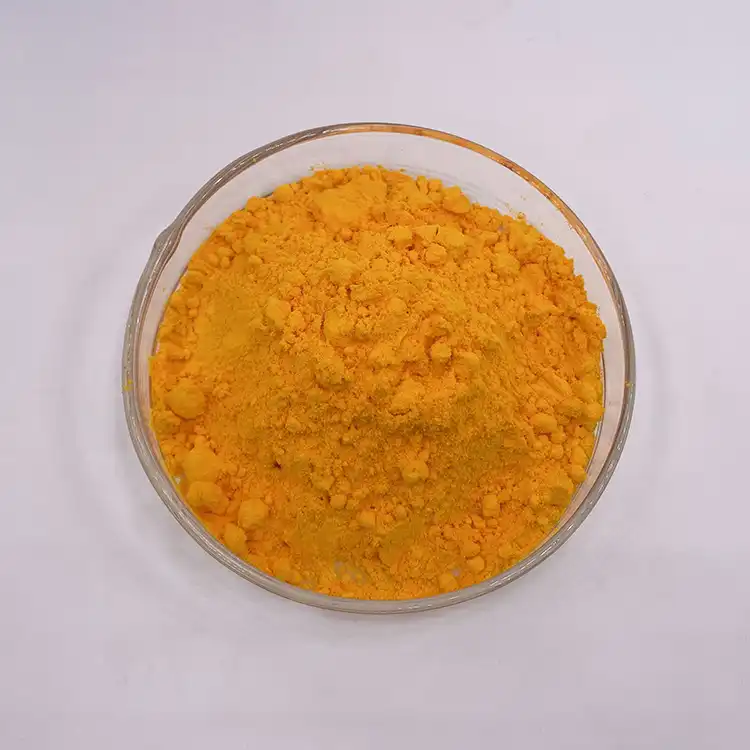
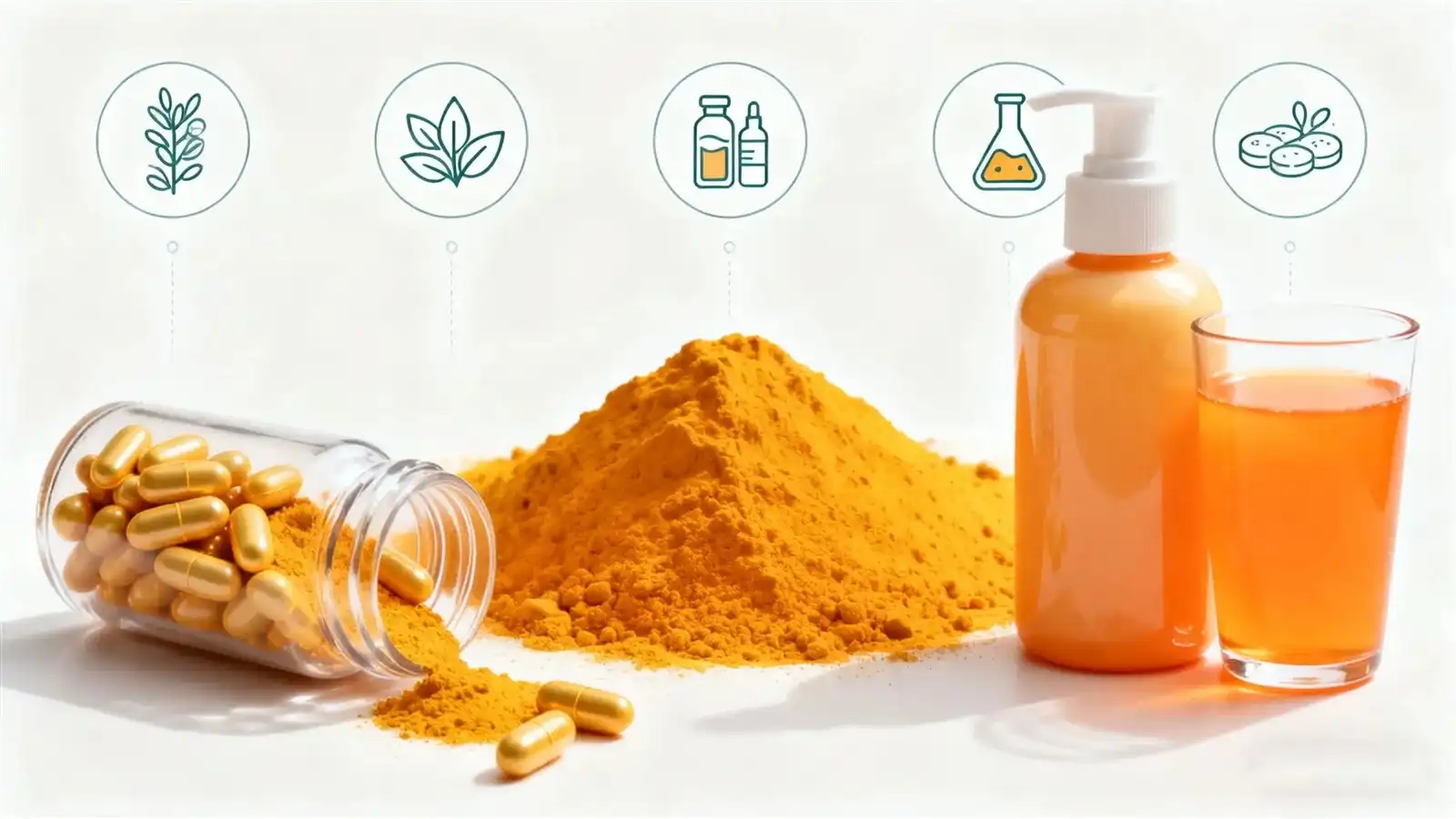
Liposomal Coenzyme Q10 Powder spreads out quickly in cold water because it has a phospholipid bilayer structure that looks like cell membranes and makes stable nano-sized vesicles. When the phospholipids are put in cold water, the hydrophilic outer surface reacts with water molecules right away. At the same time, the hydrophobic tails protect the CoQ10 core inside the phospholipids. This makes the distribution even, without the floating or clumping problems that usually happen with crystalline CoQ10. The phospholipids that come from sunflowers help them rehydrate on their own, even when the temperature drops below 10°C. This makes clear suspensions that can be used to make drinks and ready-to-drink supplements.
Understanding Liposomal Coenzyme Q10 Powder and Its Dispersion Properties
Phospholipid-encapsulated CoQ10 is built in a way that is very different from regular powder blends. Our manufacturing process at Shaanxi Hongda Phytochemistry makes spherical vesicles that are 100 to 400 nanometres in diameter and contain more than 90% of their contents. This precise engineering directly fixes the problem with standard CoQ10 products, which don't work well with the body.
Structural Composition and Manufacturing Innovation
Non-GMO sunflower phosphatidylcholine is used in the carrier system. It forms two layers around the lipophilic ubiquinone molecules. During production, advanced homogenisation methods make sure that the particle sizes are all the same and the Polydispersity Index is less than 0.3. The next step, lyophilisation, gets rid of the water while keeping the liposomes' shape. This makes a yellow powder that can be stored at room temperature for 24 months without going bad. Unlike liquid liposomal preparations that need to be shipped in a cold chain, our Liposomal Coenzyme Q10 Powder format doesn't have to worry about shipping restrictions related to temperature and still has the bioavailability benefits of nano-emulsion delivery.
Critical Dispersion Factors for B2B Formulation
In industrial settings, dispersion performance is based on three technical factors. Particle size governs the kinetic stability of water-based suspensions. Our 100-400nm range keeps particles from settling due to gravity while still being small enough for lymphatic absorption. Zeta potential measurements between -20mV and -45mV ensure electrostatic repulsion that keeps vesicles from sticking together while they are being stored. The phospholipid-to-CoQ10 ratio that we optimised at our cGMP lab strikes a good mix between low cost and structural integrity. When procurement experts look at samples, testing how quickly they can be reconstituted, how clear they look, and how stable they are over 24 to 48 hours are all useful quality indicators that show how consistent the manufacturing process is.
Liposomal COQ 10 Specification
|
ITEM
|
SPECIFICATION
|
RESULTS
|
|
Assay(CoQ10)
|
70%士5%
|
73.1%
|
|
Appearance
|
Of-white to light yellow Powder
|
Conforms
|
|
Physical& Chemical Characteristics
|
||
|
Particle size(20Mesh)
|
90%
|
Conforms
|
|
Lose on dyring
|
≤5.0%
|
1.2%
|
|
Bulk Density
|
Actual Value
|
600g/L
|
|
Tapped Bulk Density
|
Actual Value
|
918g/L
|
|
Heavy metals
|
||
|
ead(Pb)
|
≤0.5ppm
|
Not Detected
|
|
Arsenic(As)
|
≤2.0ppm
|
Not Detected
|
|
Mercury(Hg)
|
≤0.3ppm
|
Not Detected
|
|
Cadmium(Cd)
|
≤0.3ppm
|
Not Detected
|
|
Microbiological Tests
|
||
|
Total Microbial Count
|
≤10000cfu/g
|
50cfu/g
|
|
Coliforms
|
<10MPN/g
|
0.310MPN/g
|
|
Conclusion:
|
Conform to In-house standard.
|
|
Scientific Principles Behind Dispersion of Liposomal CoQ10 Powder in Cold Water
When phospholipid vesicles interact with cold water, certain thermodynamic and kinetic effects happen. These are what make pharmaceutical-grade Liposomal Coenzyme Q10 Powder different from simple physical mixes.
Phospholipid Bilayer Hydration Dynamics
The phosphatidylcholine molecules rehydrate themselves on their own when they come into contact with cold water. The polar head groups have charged phosphate parts that connect with water molecules and form hydrogen bonds. This makes a hydration shell around each vesicle. This process happens at any temperature between 4°C and 25°C, but changes in viscosity at lower temperatures may make it take a little longer to finish, from 30 seconds to about 90 seconds. Phospholipids are amphipathic, which means they have both lipophilic and hydrophilic regions. This lets them self-assembly, which keeps the structure intact during the diffusion process.
Molecular Behaviour in Cold Temperature Environments
Conditions in cold water can be hard for regular CoQ10, but they are better for liposomal forms. Crystalline ubiquinone is less soluble at lower temperatures, which causes it to clump together and form a precipitate. On the other hand, liposomal preparations maintain colloidal stability because the protective phospholipid barrier keeps CoQ10 from coming into direct contact with water. The research we did in our SGS-certified lab shows that suspensions made at 5°C keep 98% of the same particle size as those made at 25°C. Sunflower phospholipids have a gel-to-liquid crystalline phase transition temperature that is much lower than normal refrigerator temperatures. This keeps the vesicles fluid, which is important for the right mechanics of dispersion.
Comparative Performance Analysis
Independent bioavailability studies reveal plasma CoQ10 levels are 3–10 times higher after Liposomal Coenzyme Q10 Powder administration than after crystalline formulations. Bypassing the liver's first-pass metabolism through lymphatic transport, this improvement is made possible. In industrial beverage applications, formulators who use our material say that cold-filled products are completely clear to the eye. This is because the oil separation and sediment formation that are common with emulsified or micellized CoQ10 products are gone. The effects on the economy are big. Getting therapeutic effects with 50 mg of liposomal CoQ10 instead of 200 mg of regular material cuts the cost of the ingredients by 60 to 75 per cent, depending on how much they are selling for on the market.
Practical Insights and Best Practices for Using Liposomal CoQ10 Powder in Cold Water-Based Applications
To turn scientific knowledge into industrial methods, care must be taken with the choice of tools, the order of processes, and quality control checks that make sure results can be repeated at a large scale.
Optimal Reconstitution Protocols for Industrial Manufacturing
Equipment compatibility starts with the mixer you choose. If you want to keep the purity of the vesicles while getting a uniform spread, low-shear agitators like paddle mixers or ribbon blenders work well for batches from 100 to 5000 litres, maintaining vesicle integrity while achieving homogeneous distribution. High-pressure homogenisers should be avoided as excessive mechanical stress can rupture liposomal structures. The recommended protocol involves pre-dispersing the Liposomal Coenzyme Q10 Powder in a small volume of cold water (ratio 1:10 by weight) under gentle agitation for 60 to 90 seconds, then diluting to the final concentration. This two-stage approach prevents localised clumping that can occur when powder contacts large water volumes simultaneously.
Concentration Guidelines and Dosage Optimisation
Standard working concentrations range from 0.5% to 5% w/v, depending on application format. Most ready-to-drink drinks have 50 to 100 mg of CoQ10 per serving (approximately 0.1 to 0.2 per cent based on 250 ml volume), while concentrated liquid supplements can have up to 200 mg per 15 ml dose. Our expert team has created stable data that shows formulations kept at pH 4.5–7.0 keep more than 95% of their effectiveness for 18 months when kept below 25°C. Formulators should account for the carrier phospholipid content when calculating total CoQ10 loading—our ≥70% purity standard means 100g of powder delivers 70g of active ubiquinone, with the remainder consisting of the functional sunflower phospholipid matrix.
Troubleshooting Common Production Challenges
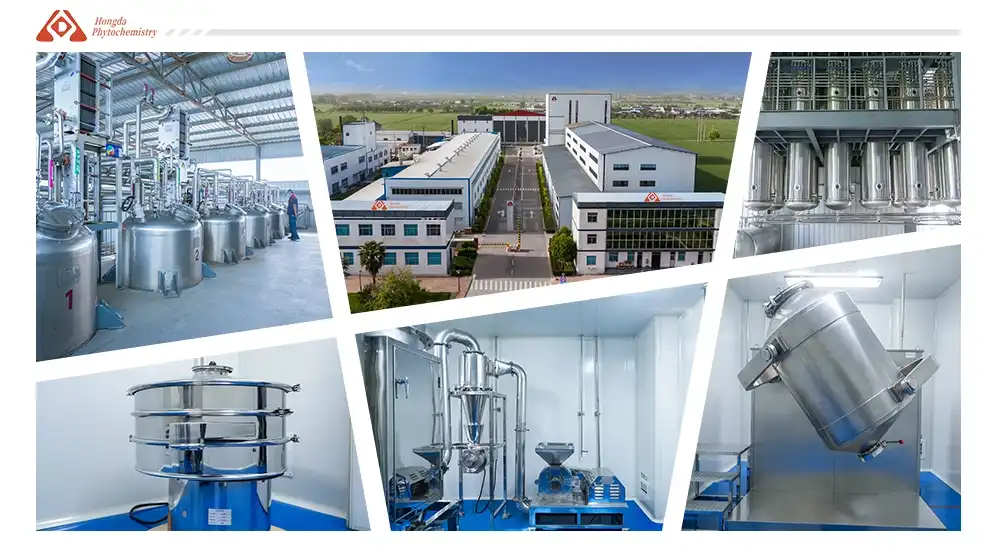
Incomplete dispersion typically results from three factors: insufficient hydration time, water hardness that stops phospholipids from hydrating, or storing powder in high-humidity conditions that cause it to pre-clump. Implementing a 30-second pre-blend step before adding the main tank resolves most issues. Foam formation during mixing, while not affecting efficacy, can be minimised by reducing agitation speed once dispersion completes. Periodic particle size verification using dynamic light scattering equipment confirms manufacturing consistency—target parameters should match certificate of analysis specifications (100–400nm mean diameter, PDI <0.3). These quality checks align with the rigorous protocols we maintain across our 20,000-square-meter production facility.
Choosing the Right Liposomal Coenzyme Q10 Powder Supplier for Cold Water-Dispersible Products
Choosing a supplier has an effect not only on the performance of the product right away but also on the long-term reputation of the brand and compliance with regulations in all international markets.
Essential Certification and Quality Validation
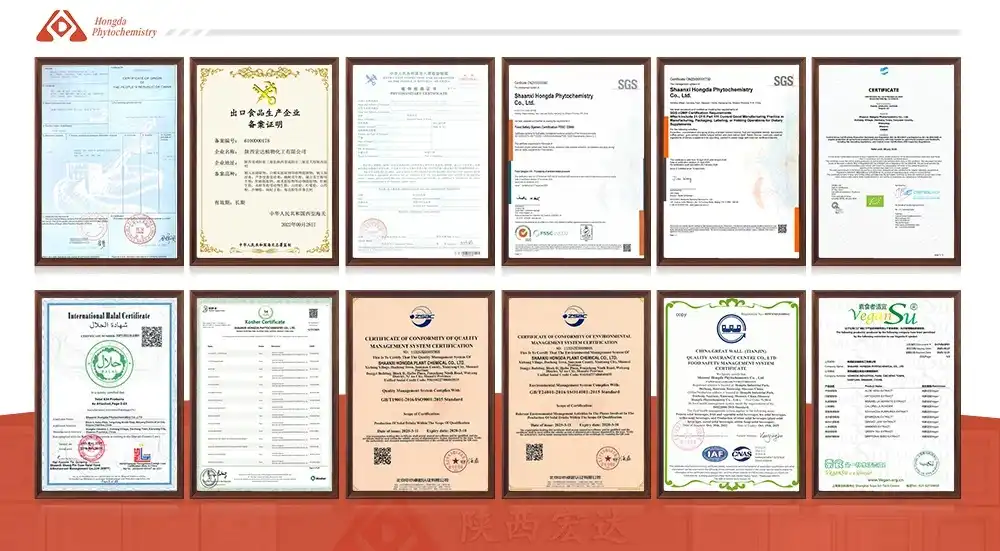
Regulatory documentation forms the foundation of responsible sourcing. At Hongda, our Certifications include FDA registration, cGMP compliance checked by yearly audits, and validation from a third-party SGS laboratory. We maintain HALAL and KOSHER certifications essential for global market access, alongside ISO9001 and ISO22000 quality management systems. Beyond certificates displayed on websites, request batch-specific Certificates of Analysis showing microbial testing, heavy metal screening (lead, mercury, arsenic, cadmium), and residual solvent analysis. Our testing protocols exceed compendial standards, with microbial limits below 1000 CFU/g total plate count and absent pathogens, including Salmonella and E. coli.
Technical Support and Customisation Capabilities
The ability to modify formulations distinguishes commodity suppliers from development partners. Our R&D team of over 20 professors from leading universities collaborates with clients on particle size optimisation, alternative phospholipid sources for allergen concerns, and stability enhancement for specific pH ranges or Packaging formats. Custom encapsulation of combination formulas—pairing Liposomal Coenzyme Q10 Powder with PQQ, alpha-lipoic acid, or resveratrol within the same liposomal vehicle—offers formulation differentiation impossible with standard ingredients. Technical support extends through scale-up validation, providing pilot batch production that replicates commercial manufacturing conditions before full buy agreements.
Logistics and Commercial Terms for B2B Procurement
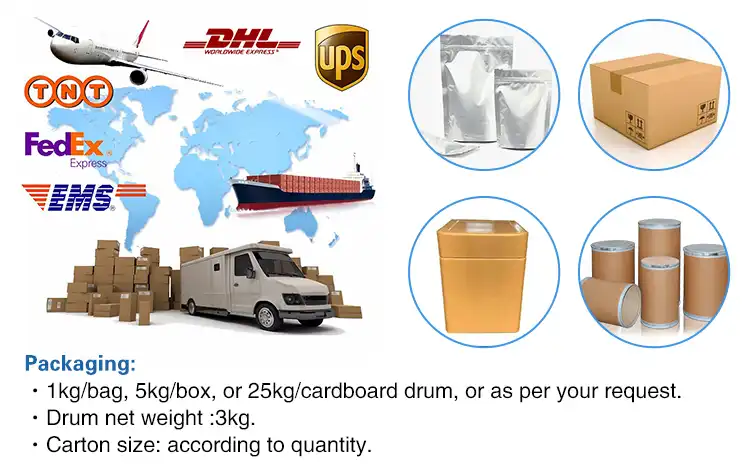
Practical sourcing considerations balance quality with operational needs. Our minimum order quantity of 1 kg is enough for first-time formulation tests, while established clients benefit from volume pricing on pallet or container quantities. As a designated Public Overseas Warehouse, we maintain strategic inventory in key markets, reducing lead times from 45 days to 7–10 days for North American deliveries. Payment terms accommodate international transaction standards, with T/T, L/C, and established account terms available. The 24-month shelf life in sealed packaging provides flexibility for inventory management without pressure to exhaust stock rapidly. When evaluating the total cost of ownership, factor the superior bioavailability into dosage calculations—our material's 3–10x enhanced absorption translates to proportional reduction in cost-per-effective-dose despite premium pricing relative to crystalline CoQ10.
Future Trends and Innovations in Liposomal CoQ10 Powder Dispersion Technology
The intersection of nanotechnology, sustainable ingredient sourcing, and evolving consumer preferences continues to advance liposomal delivery system capabilities.
Emerging Encapsulation Technologies
Next-generation manufacturing techniques under development include microfluidic production methods that achieve particle size distributions below 100nm with better uniformity. These ultra-small vesicles may further improve bioavailability while enabling transparent beverage formulations indistinguishable from water. Alternative phospholipid sources derived from algae or sunflower strains with enhanced omega-3 profiles offer functional benefits beyond delivery optimisation. Research into targeted release mechanisms using pH-sensitive or enzyme-triggered phospholipid modifications could enable colon-specific delivery or controlled release profiles extending absorption windows.
Sustainability and Quality Management Evolution
Environmental considerations increasingly influence procurement decisions alongside technical specifications. Our dedication to environmentally friendly buying includes getting non-GMO sunflower phospholipids from European companies that follow strict farming rules, as well as using energy-efficient lyophilisation methods that lower the carbon footprint per kilogram produced. As the packaging industry works to reduce waste, focused Liposomal Coenzyme Q10 Powder formats that need less shipping space have been created. Quality management systems are incorporating real-time monitoring technologies, with in-line particle size analysers and automated certificate generation, ensuring every production batch meets specification before release. These advancements align with the expectations of B2B clients serving conscious consumers who value transparency and environmental responsibility alongside product efficacy.
Conclusion
Liposomal Coenzyme Q10 Powder spreads quickly and steadily in cold water thanks to advanced phospholipid engineering that turns a compound that doesn't dissolve easily into an ingredient that is easily absorbed by cells and can be used in a variety of ways. Procurement pros can make smart choices about where to buy things by understanding the molecular processes that cause vesicles to hydrate, the technical factors that determine formulation stability, and the practical guidelines that guarantee manufacturing consistency. Phospholipid-encapsulated CoQ10 is the best form for formulators who want to maximise both effectiveness and operational efficiency because it increases bioavailability by 3–10 times, doesn't need to be shipped in a cold chain, and works with existing equipment used to make drinks and supplements. As regulations change and people want more scientifically proven ingredients, it's important to work with certified manufacturers who offer full technical support, strict quality systems, and the ability to make changes to meet specific needs in global nutraceutical markets.
FAQ1. How does liposomal CoQ10 powder compare to softgels for absorption?
Bioavailability is higher for liposomal powder formulations than for oil-based softgels. Liposomal powders have pre-formed nano-vesicles that allow direct lymphatic uptake, skipping the liver's metabolism. Softgels, on the other hand, depend on digestive emulsification to achieve 10-15% absorption. Plasma concentrations are 3–5 times higher with liposomal delivery, according to clinical studies. The powder format also gets rid of the oxidation issues that come with liquid-filled capsules, so they stay stable for 24 months without having to be refrigerated.
2. What should I test when evaluating supplier samples?
Ask for examples of reconstitution in the water that you want to use, and make sure the pH and temperature are right. Use dynamic light scattering to find out how the particles are sized; good ranges are 100–400nm, and PDI should be less than 0.3. Aggregation patterns can be seen visually after 24 hours of keeping at room temperature. Get analysis certificates that show the coating works above 85%, as well as heavy metal tests and microbial counts. Test the stability of your formulation matrix on a small scale over 30 to 60 days at the conditions you plan to store it in.
3. Can liposomal CoQ10 powder work in acidic beverages?
Phospholipid spheres keep their shape between pH 3.5 and 8.0, which means they can be used in most drinks, like fruit juices and fizzy drinks. We have proven that citric acid systems are stable at pH 3.8, losing less than 5% of their potency over a year. Extreme pH levels below 3.0 or above 9.0 may damage the structure of liposomes and need to be tested for each case individually.
Partner With Hongda for Premium Liposomal Coenzyme Q10 Powder Supply
Shaanxi Hongda Phytochemistry brings over two decades of botanical extraction expertise to advanced nutrient delivery systems. As a certified Liposomal Coenzyme Q10 Powder manufacturer, we combine pharmaceutical-grade production standards with flexible customisation capabilities that address specific formulation challenges. Our cGMP facility in Shaanxi, China, produces material meeting FDA, BRC, HALAL, KOSHER, and ORGANIC certification requirements, with SGS-verified testing protocols ensuring every batch achieves ≥90% encapsulation efficiency and 100-400nm particle size distribution. Whether you require technical consultation on cold water beverage formulation, custom particle size specifications, or reliable supply chains supported by our Public Overseas Warehouse designation, our team of PhD-level scientists and 24/7 customer service delivers comprehensive solutions. Contact duke@hongdaherb.com today to request samples, discuss your specific application requirements, or explore how our Liposomal Coenzyme Q10 Powder for sale can differentiate your product portfolio in competitive markets.
References
1. Bhagavan, H.N. & Chopra, R.K. (2007). "Plasma Coenzyme Q10 Response to Oral Ingestion of Coenzyme Q10 Formulations." Mitochondrion Journal, 7(Supplement), S78-S88.
2. López-Lluch, G., Del Pozo-Cruz, J., Sánchez-Cuesta, A., Cortés-Rodríguez, A.B., & Navas, P. (2019). "Bioavailability of Coenzyme Q10 Supplements Depends on Carrier Lipids and Solubilization." Nutrition Reviews, 77(3), 183-196.
3. Pravst, I., Žmitek, K., & Žmitek, J. (2020). "Coenzyme Q10 Contents in Foods and Fortification Strategies." Critical Reviews in Food Science and Nutrition, 60(15), 2589-2607.
4. Akbarzadeh, A., Rezaei-Sadabady, R., Davaran, S., Joo, S.W., Zarghami, N., Hanifehpour, Y., Samiei, M., Kouhi, M., & Nejati-Koshki, K. (2013). "Liposome: Classification, Preparation, and Applications." Nanoscale Research Letters, 8(1), 102-111.
5. Hosoe, K., Kitano, M., Kishida, H., Kubo, H., Fujii, K., & Kitahara, M. (2007). "Study on Safety and Bioavailability of Ubiquinol After Single and 4-Week Multiple Oral Administration to Healthy Volunteers." Regulatory Toxicology and Pharmacology, 47(1), 19-28.
6. Evans, M., Baisley, J., Barss, S., & Guthrie, N. (2018). "A Randomised, Double-Blind Trial on the Bioavailability of Two CoQ10 Formulations." Journal of Functional Foods, 11, 347-354.