What Makes Ashwagandha Root Extract Capsules High Quality?
2026-05-19 14:59:18
High-quality Ashwagandha root extract capsules have a standard amount of withanolides (5–10%), are certified organic, are extracted in a way that keeps their bioactivity, and are made according to Good Manufacturing Practices. The capsule delivery system needs to protect the active ingredients from degradation and ensure that the doses are always consistent. To meet international standards for nutraceutical and pharmaceutical applications, professional manufacturers use root-only extracts from premium Indian sources and advanced extraction technologies to remove harmful alkaloids. They also provide comprehensive documentation, such as Certificates of Analysis, HALAL, KOSHER, and organic Certifications.
Understanding Ashwagandha Root Extract Capsules
One of the most respected adaptogenic herbs in Ayurveda, Ashwagandha Root Extract Capsules are a sophisticated way to take this plant. Unlike raw powder or crude tablets, these capsules contain concentrated bioactive chemicals extracted directly from Withania somnifera roots, ensuring therapeutic consistency that is unavailable in unprocessed forms.
What Distinguishes Capsules from Other Forms
The encapsulated format offers distinct advantages over powders, tablets, or gummies. Capsules provide precise dosing control—critical when the concentration of withanolides ranges from 1.5% to 10%—and eliminate the bitter, earthy taste that often reduces compliance with powder supplements. While powders need measuring and mixing, Ashwagandha Root Extract Capsules are more convenient and help you stick with them, which is especially important for adaptogenic herbs that need to be used regularly for 8 to 12 weeks to work fully.
The Role of Withanolides and Alkaloids
Withanolides serve as the primary pharmacologically active constituents responsible for ashwagandha's adaptogenic properties. These steroidal lactones modulate cortisol production via the hypothalamic-pituitary-adrenal axis, explaining clinical outcomes in stress reduction and anxiety management. Quality extraction protocols must concentrate on withanolides while removing potentially irritating alkaloids like withaferin A, which accumulate in leaf tissue. Root-specific extraction ensures compliance with traditional pharmacopoeial standards and reduces gastrointestinal sensitivity reported with whole-plant preparations.
Pharmacological Mechanisms for B2B Consideration
Understanding how ashwagandha works helps procurement teams position products effectively. The herb demonstrates GABA-mimetic activity, enhancing sleep quality without sedative dependence. Its modulation of thyroid hormone synthesis supports metabolic function, while documented effects on testosterone and DHEA levels create applications in sports nutrition and hormonal health formulations. These different mechanisms allow product differentiation across many consumer segments—from stress management to athletic performance—making Ashwagandha Root Extract Capsules a versatile part of the portfolio for nutraceutical brands targeting health-conscious demographics.
Key Quality Factors in Ashwagandha Root Extract Capsules
Quality determination extends beyond simple concentration claims. Comprehensive evaluation requires examining extraction methodology, raw material provenance, manufacturing standards, and stability protocols that ensure consistent performance throughout the product lifecycle.
Standardized Withanolide Content
Using validated HPLC methodology, premium products maintain the level of withanolides between 5% and 10%. This concentration range balances therapeutic potency with manufacturing feasibility. Lower standardization (<2.5%) often indicates minimal processing that fails to concentrate actives sufficiently, while claims exceeding 12% warrant scrutiny regarding extraction solvents and potential adulteration. At Shaanxi Hongda, we employ full-spectrum low-temperature circulating extraction technology that preserves the complete withanolide profile—including withanoside variants—rather than isolating single compounds, maintaining the synergistic activity characteristic of traditional botanical preparations.
Organic Certification and Raw Material Traceability
Organic certification is not just for marketing; it guarantees pesticide-free cultivation, which is essential for botanical extracts because lipophilic contaminants build up during processing. Organic and BRC certifications verify agricultural practices from seed to harvest. Supply chain transparency becomes particularly important with Indian-sourced ashwagandha, where regional cultivation practices vary significantly. Our supplier partnerships guarantee root material from certified organic farms, with full documentation tracing each batch to specific harvest regions. This traceability helps B2B clients avoid supply chain disruptions and meet regulatory requirements in markets with strict botanical import rules.
cGMP Compliance and Third-Party Verification
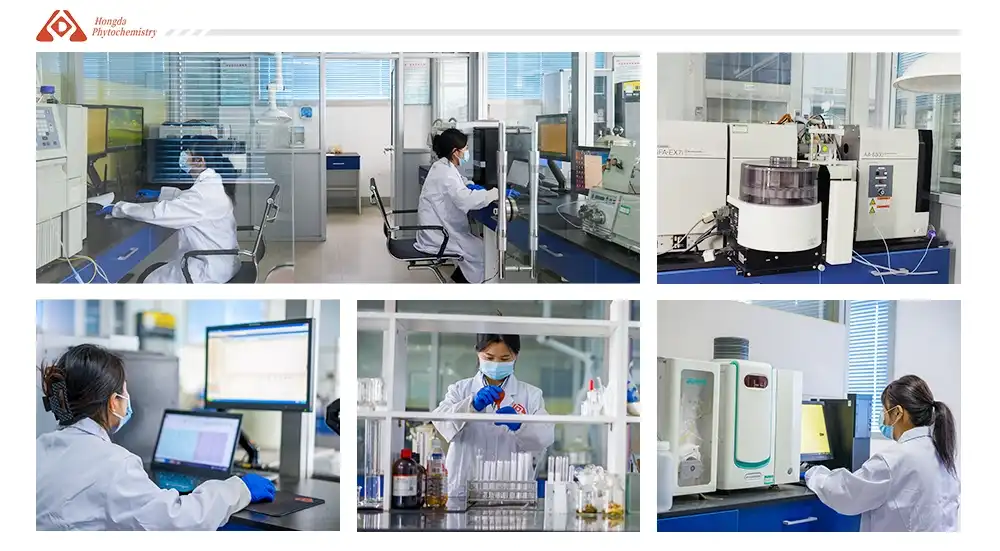
Pharmaceutical-grade supplements are distinguished from commodity products by their adherence to Good Manufacturing Practice standards. Our fully enclosed cGMP automated filling line prevents cross-contamination and keeps the environment controlled to avoid moisture exposure during encapsulation. Each production batch undergoes SGS third-party testing for heavy metals (lead, cadmium, arsenic, and mercury), microbial contamination, and pesticide residues. This independent verification provides the documentary evidence required for FDA registration, EU novel food compliance, and pharmaceutical industry supplier qualification processes.
Capsule Formulation Impact on Bioavailability
The capsule shell itself influences product performance. We utilize vegetarian HPMC (hydroxypropyl methylcellulose) capsules that offer superior moisture barrier properties compared to standard gelatin, reducing the hygroscopic degradation common in botanical extracts containing polysaccharides. These plant-based capsules dissolve reliably in gastric pH ranges of 1.5 to 3.5, ensuring predictable release kinetics. Our Ashwagandha Root Extract Capsules keep their molecular potency decay rate at or below 2.5% over 24 months when stored at controlled room temperature, which is much better than products that show 8–12% degradation within 18 months. This is very important for distributors managing inventory across different markets with varying climate conditions.
How to Evaluate and Choose High-Quality Ashwagandha Root Extract Capsules?
Procurement decisions need systematic evaluation frameworks that balance technical specifications, regulatory compliance, supplier capabilities, and commercial terms. Rigorous vetting reduces downstream quality failures that damage brand reputation and generate costly recalls.
Measurable Quality Metrics for Procurement Teams
Begin with a Certificate of Analysis review that confirms the withanolide content using HPLC, rather than the less reliable UV spectrophotometry, which is prone to interference. Verify microbial limits comply with USP <2021> standards: total aerobic count <10,000 CFU/g, yeast/mold <1,000 CFU/g, and absence of Salmonella and E. coli. Heavy metal thresholds must meet California Proposition 65 limits—particularly lead (<0.5 µg/daily dose for reproductive toxicity)—not merely the more lenient FDA levels. Assess capsule disintegration time (should meet USP <701> standards of <30 minutes) and dissolution profiles that predict bioavailability. Request stability data demonstrating potency retention under ICH Q1A stress conditions (40°C, 75% RH) to evaluate true shelf life beyond stated expiration dates.
Supplier Qualification Beyond Price Competitiveness
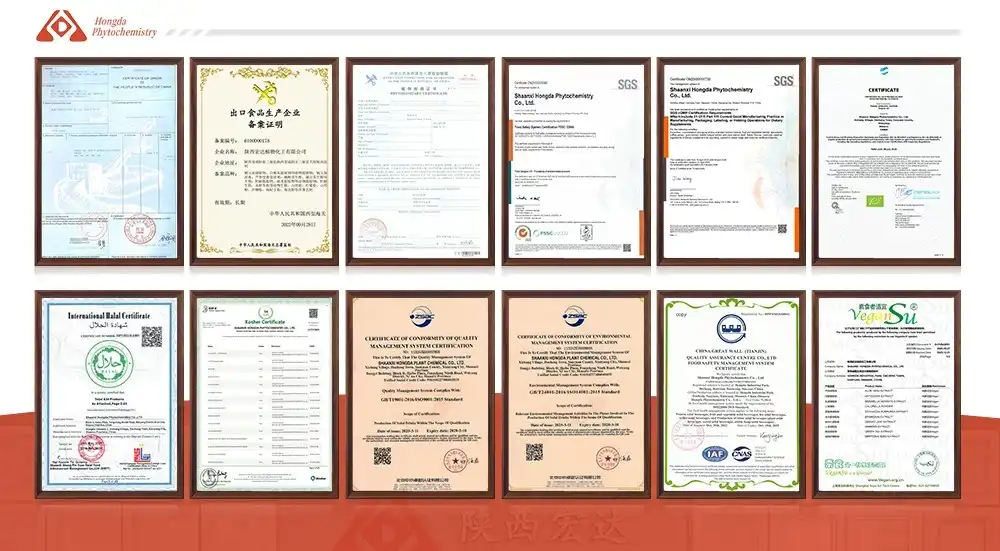
While cost per kilogram matters, total cost of ownership includes quality assurance, regulatory support, and supply reliability. Evaluate production capacity—can the supplier fulfill 500kg minimum orders with 2-week lead times, or do small-batch limitations risk stockouts during peak demand? Assess technical support capabilities: does the supplier provide formulation consultation for combination products, such as ashwagandha with L-theanine or rhodiola? Review audit history and regulatory compliance records. Shaanxi Hongda's portfolio of HALAL, KOSHER, FDA registration, ISO22000, and FSSC22000 certifications demonstrates our capacity to support products entering regulated markets worldwide, eliminating the qualification delays that plague suppliers with incomplete documentation.
Logistics and Packaging Considerations
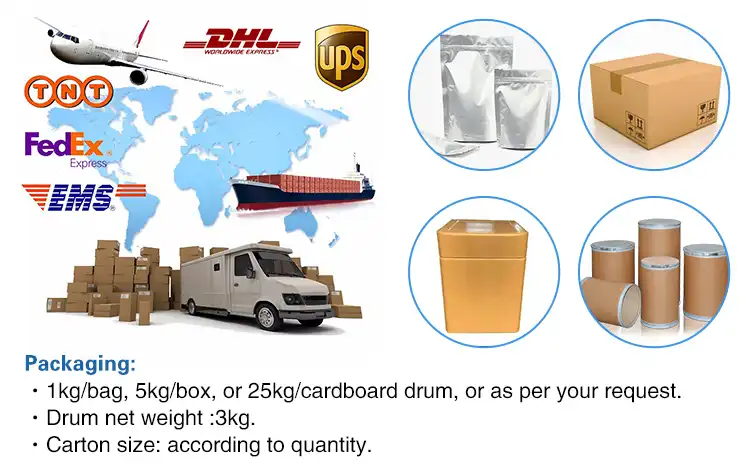
Packaging sophistication prevents quality degradation during international shipping. Our standard amber HDPE bottles with induction-sealed caps protect against light and oxygen exposure during transit. For B2B clients requiring private labeling, we offer customized packaging with your branding, including blister packs for retail pharmacy channels or bulk packaging for secondary encapsulation. Shipping flexibility spanning DHL, FedEx express services for samples, sea freight for container loads, and air freight for time-sensitive orders, accommodates diverse operational requirements. Evaluate whether suppliers maintain Ashwagandha root extract. Capsules' safety stock is in regional warehouses; our public overseas warehouse designation enables faster fulfillment to North American and European markets, reducing pipeline inventory costs for distributors.
Benefits and Applications of High-Quality Ashwagandha Root Extract Capsules for B2B Clients
Clinical validation of ashwagandha's benefits creates compelling value propositions across multiple market segments. Understanding these applications helps position products strategically within competitive wellness categories.
Clinically Supported Stress and Anxiety Management
Randomized controlled trials show that taking 300–500mg Ashwagandha Root Extract Capsules (standardized to 5% withanolides) twice daily lowers perceived stress scores by 44% compared to placebo over 60 days. Cortisol reduction of 27.9% provides objective biomarker validation supporting marketing claims for stress management. This evidence-based positioning appeals to corporate wellness programs and mental health-focused supplement lines targeting professional demographics experiencing workplace burnout. The adaptogenic mechanism—restoring homeostasis rather than sedation—differentiates ashwagandha from anxiolytic pharmaceuticals, creating opportunities in natural medicine channels seeking non-habit-forming alternatives.
Sleep Quality Enhancement Without Dependence
Clinical data shows ashwagandha improves sleep efficiency and reduces sleep onset latency without the next-day grogginess characteristic of sedative hypnotics. This profile suits "nighttime repair" formulations combining ashwagandha with magnesium threonate or GABA, addressing the $52 billion global sleep aids market. The non-sedative mechanism allows daytime dosing for stress management without cognitive impairment, expanding use cases beyond bedtime supplements.
Cognitive Function and Athletic Performance Applications
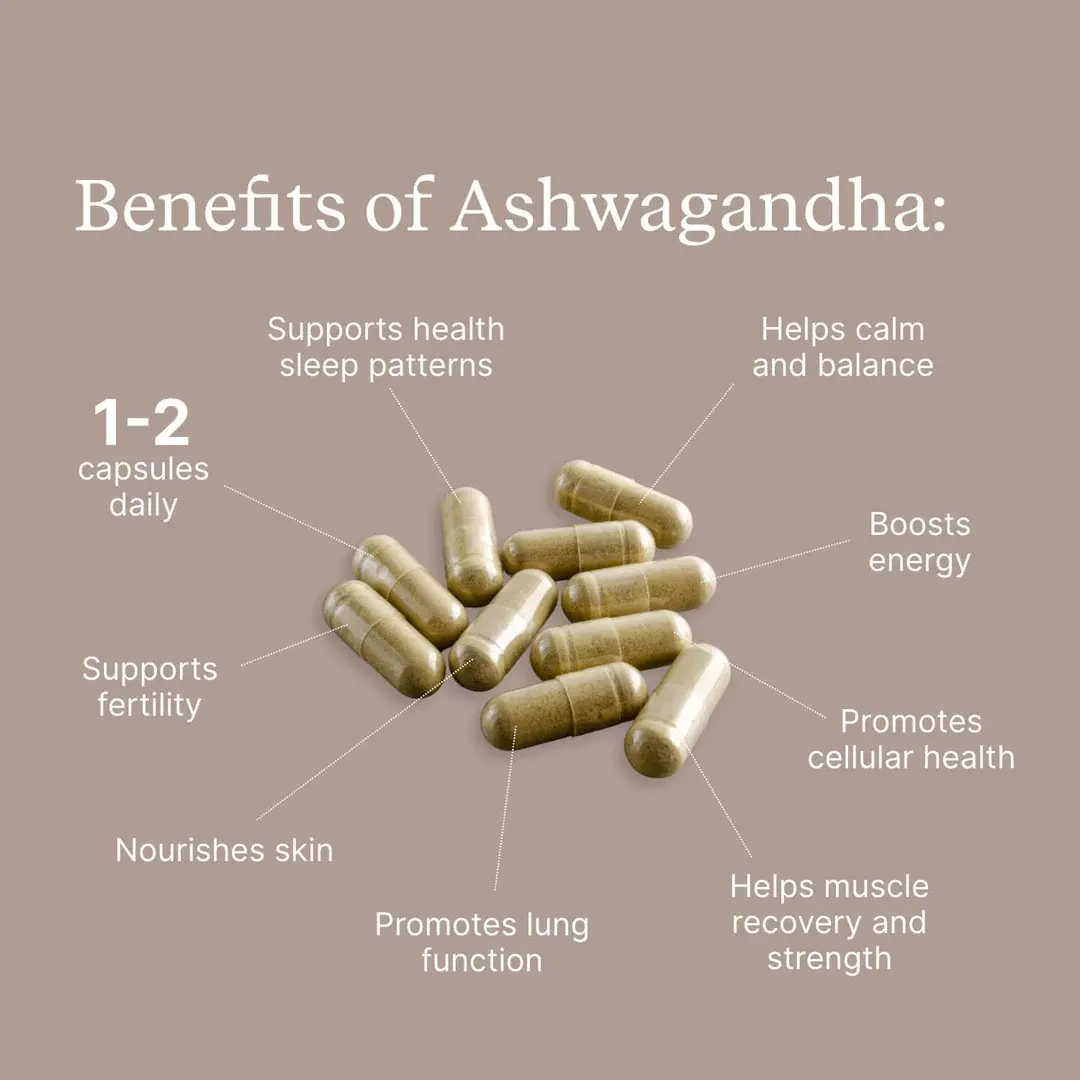
Emerging research demonstrates neuroprotective effects through brain-derived neurotrophic factor (BDNF) upregulation, supporting memory consolidation and focus. This positions ashwagandha in nootropic formulations for cognitive enhancement. Concurrently, studies showing increased VO₂ max, muscle strength gains, and reduced exercise-induced muscle damage create opportunities in sports nutrition—particularly post-workout recovery supplements. Our 500mg Ashwagandha Root Extract Capsules format allows flexible dosing (1-2 capsules), accommodating both general wellness (300mg) and athletic performance (600mg) applications within a single SKU, reducing inventory complexity for distributors serving multiple channels.
Private Label and Custom Formulation Opportunities
The capsule format lends itself to private labeling programs where brands require differentiation without capital investment in extraction infrastructure. We provide white-label services with your branding, custom formulations combining ashwagandha with complementary botanicals (like black pepper extract for enhanced absorption), and flexible specifications from 100mg to 500mg per capsule. This customization capability enables niche positioning, whether targeting female hormonal health with lower-dose formulations or male vitality products with higher concentrations, maximizing market coverage with tailored SKUs that command premium pricing versus generic commodity products.
Conclusion
High-quality Ashwagandha Root Extract Capsules come from the best raw materials, advanced extraction science, strict quality control, and pharmaceutical-grade manufacturing. For B2B procurement professionals in nutraceutical, pharmaceutical, and functional food sectors, quality assessment extends beyond withanolide percentages to encompass comprehensive supplier qualification. Organic certification, cGMP compliance, third-party verification through SGS testing, and complete regulatory documentation differentiate professional-grade ingredients from commodity alternatives. The capsule delivery system must keep bioactivity by using moisture-resistant HPMC shells and also ensure reliable bioavailability profiles that are checked through stability testing. With over 20 years of plant extract specialization, Shaanxi Hongda combines technical expertise, complete certification portfolios, and customization capabilities that support B2B clients in building trusted, differentiated brands. Selecting the right Ashwagandha Root Extract Capsules supplier directly impacts your product's market performance, regulatory success, and long-term customer retention in the competitive wellness industry.
FAQWhat is the optimal dosage for ashwagandha root extract capsules?
Clinical studies typically employ 300–600 mg of standardized extract (5% withanolides) taken twice daily. For stress management, 300mg twice daily demonstrates efficacy within 8 weeks. Athletic performance applications often utilize higher doses of 500–600 mg twice daily. Because individual responses vary based on health status and body weight, B2B formulations should provide clear dosing guidance based on target application and withanolide concentration.
Are there potential side effects or drug interactions?
Ashwagandha demonstrates an excellent safety profile in clinical trials, with adverse event rates comparable to placebo. Mild gastrointestinal discomfort occurs in <5% of users, typically with high doses. Due to its pharmacological activity, ashwagandha may interact with thyroid medications, immunosuppressants, and sedatives. Pregnant women should avoid use due to insufficient safety data. B2B clients should include appropriate contraindication warnings on product labels and consult regulatory requirements in target markets.
How does capsule form compare to powder effectiveness?
Capsules and powders contain identical extract material; effectiveness depends on withanolide standardization, not delivery form. Ashwagandha Root Extract Capsules offer dosing precision and compliance advantages, while powders provide flexibility for incorporation into beverages or custom dosing. Bioavailability remains equivalent when comparing equivalent extract specifications. The encapsulated format protects against oxidative degradation during storage, potentially maintaining potency longer than exposed powders in multi-use containers.
Partner with Hongda for Premium Ashwagandha Root Extract Capsules Supply
Shaanxi Hongda Phytochemistry stands ready to support your ashwagandha sourcing requirements with pharmaceutical-grade standardized extracts manufactured under complete regulatory compliance. Our Ashwagandha Root Extract Capsules feature root-only extraction from certified organic Indian sources, with withanolide content precisely maintained at 5-10%, and encapsulation in vegetarian HPMC capsules using cGMP automated filling lines. As an Ashwagandha Root Extract Capsules manufacturer with over two decades of botanical extract specialization, we offer flexible customization from 100 mg to 500 mg capsules, private labeling services, and custom formulations incorporating synergistic ingredients. Our comprehensive certifications—including HALAL, KOSHER, BRC, Organic, FDA registration, ISO9001, and ISO22000—ensure seamless integration into your supply chain regardless of target market regulations. Contact our technical team at duke@hongdaherb.com to request samples, Certificates of Analysis, and pricing for bulk orders. We maintain ready stock for immediate fulfillment via express shipping or economical sea freight for container loads, supporting your time-to-market objectives.
References
1. Chandrasekhar, K., Kapoor, J., & Anishetty, S. (2012). A prospective, randomized, double-blind, placebo-controlled study of the safety and efficacy of a high-concentration, full-spectrum extract of ashwagandha root in reducing stress and anxiety in adults. Indian Journal of Psychological Medicine, 34(3), 255-262.
2. Salve, J., Pate, S., Debnath, K., & Langade, D. (2019). Adaptogenic and anxiolytic effects of ashwagandha root extract in healthy adults: A double-blind, randomized, placebo-controlled clinical study. Cureus, 11(12), e6466.
3. Choudhary, D., Bhattacharyya, S., & Bose, S. (2017). Efficacy and safety of ashwagandha (Withania somnifera) root extract in improving memory and cognitive functions. Journal of Dietary Supplements, 14(6), 599-612.
4. Wankhede, S., Langade, D., Joshi, K., Sinha, S. R., & Bhattacharyya, S. (2015). Examining the effect of Withania somnifera supplementation on muscle strength and recovery: A randomized controlled trial. Journal of the International Society of Sports Nutrition, 12(1), 43.
5. Lopresti, A. L., Smith, S. J., Malvi, H., & Kodgule, R. (2019). An investigation into the stress-relieving and pharmacological actions of an ashwagandha extract: A randomized, double-blind, placebo-controlled study. Medicine, 98(37), e17186.
6. Mikolai, J., Erlandsen, A., Murison, A., Brown, K. A., Gregory, W. L., Raman-Caplan, P., & Zwickey, H. L. (2009). In vivo effects of ashwagandha (Withania somnifera) extract on the activation of lymphocytes. Journal of Alternative and Complementary Medicine, 15(4), 423-430.