Astaxanthin Capsules vs Vitamin C: Which Is Stronger?
2026-05-19 15:19:43
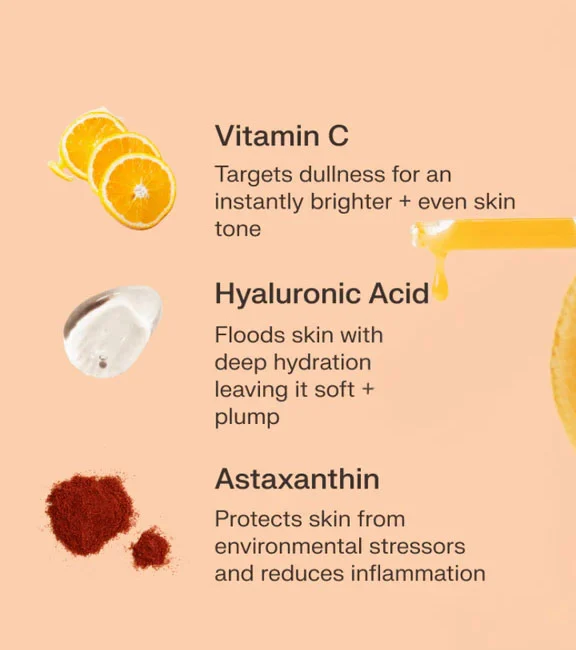
When buyers and formulators ask whether Astaxanthin Softgel Capsules work better than vitamin C, the answer varies depending on the purpose and needs of the end user. Astaxanthin comes from Haematococcus pluvialis microalgae and is an antioxidant that is up to 6000 times stronger than vitamin C in some lipid peroxidation tests. This makes it very useful for fighting oxidative stress in tissues like the skin and eyes that are high in lipids. Vitamin C does its best in water-soluble settings, where it helps the body make collagen and keep its immune system healthy. They work with different biochemical processes and market groups and don't completely replace each other.
Understanding Astaxanthin Softgels and Vitamin C
What Makes Astaxanthin Softgels Unique
Hongda's supplied Astaxanthin bulk powder is a keto-carotenoid pigment that is very attracted to fat. For the best bioavailability, it needs to be carried by a fat-based substance. We at Shaanxi Hongda Phytochemistry Co., Ltd. meet this important need by putting pharmaceutical-grade Haematococcus pluvialis astaxanthin in astaxanthin softgel capsules that are sealed with MCT oil or extra virgin olive oil. This format solves three problems in the industry: it stops oxidative degradation through vacuum microencapsulation; it improves intestinal absorption rates by 3.5 times compared to powder forms; and it hides the distinct marine taste that comes from concentrated algal extracts. In our production process, we completely contain a glass tube photoreactor. In this reactor, we carefully control the temperature, light strength, and nutrient ratios so that microalgae grow from the natural "green algae stage" to the "red transformation stage" in a clean environment. This makes algae oil that is very pure at first, free of dangerous solvents, and up to strict clean-label standards. The finished product comes in bottles that can be customized and have 60 or 120 capsules per unit. These bottles are shipped within 1 to 3 days via DHL, FedEx, or your chosen transportation partner.
The Established Role of Vitamin C
Ascorbic acid, or vitamin C, is still the most important water-soluble antioxidant in nutrition products. It can be natural (rose hip, acerola cherry) or man-made (ascorbic acid, sodium ascorbate). It gets rid of free radicals in water-filled cell sections and is an important cofactor in the production of collagen. It is most bioavailable at doses of about 200 mg per meal, and any extra is flushed out of the body by the kidneys. This means that it is not as well retained in tissues as fat-soluble drugs. Vitamin C is often used by procurement teams to make immune-supporting goods for general health markets. On the other hand, natural astaxanthin softgel capsules are used for high-end markets that want better skin protection from UV rays and mitochondrial support. By knowing these differences, you can build a planned portfolio that fits market trends and the rules in place in both North America and Europe.
Antioxidant Strength and Mechanisms of Action
How Astaxanthin Protects at the Cellular Level
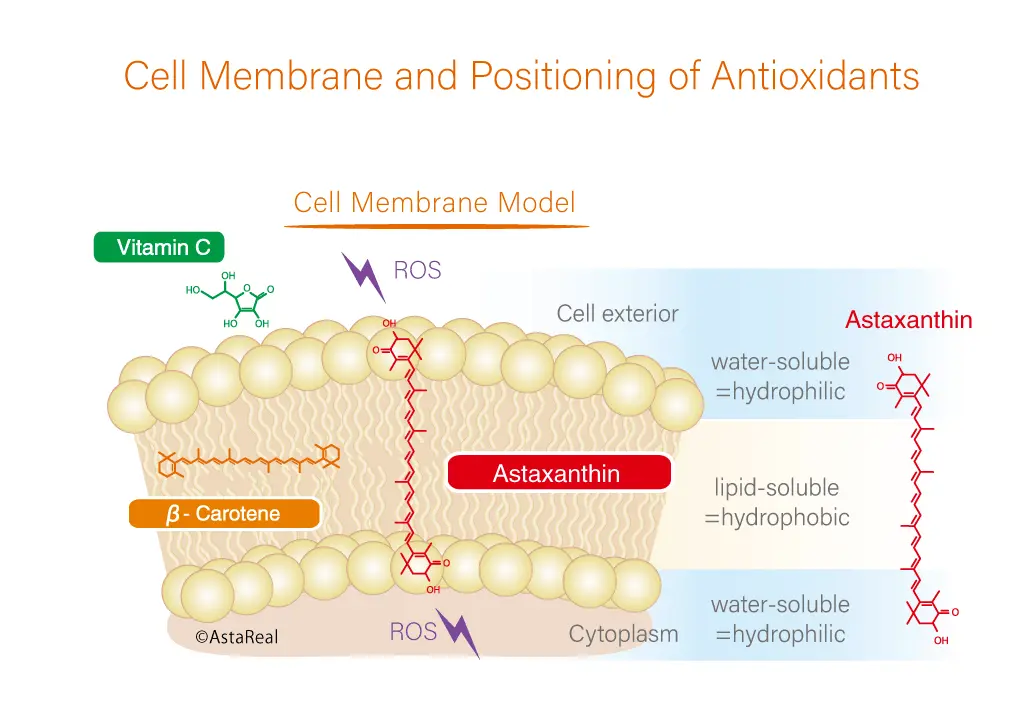
Astaxanthin's chemical structure crosses cell membranes. Its polar hydroxyl groups hold down the inner and outer sides, and its conjugated polyene chain fights free radicals inside the lipid bilayer. When compared to single-layer antioxidants, this dual placement gives better protection against oxidative stress. Astaxanthin has been shown in peer-reviewed papers to be able to cross the blood-brain and blood-retinal barriers, giving the eyes and brain benefits that vitamin C can't match. Our softgel recipe improves this process by using special dark gelatin shells that physically block UV rays. This keeps the rate of fading below 3% for two years. The bubble-free vacuum filling method gets rid of any oxygen that is left over, so the substance stays intact from the time it is made until it is used. These technical details are very important for B2B clients who are making sports nutrition lines, since mitochondrial function has a direct effect on how well athletes perform and heal.
Vitamin C's Biochemical Functions and Limitations
Vitamin C powder mostly works in the cytoplasm and extracellular fluids, giving electrons to reduce reactive oxygen species and repairing other antioxidants like vitamin E at the same time. It is very important for wound healing and keeping connective tissue healthy because it hydroxylates proline and lysine groups during collagen formation. The chemical also makes it easier for the body to absorb iron and helps immune cells work better through different enzyme pathways. Problems with stability make it harder to decide where to get vitamin C. Ascorbic acid breaks down quickly in air, heat, or alkaline environments. For this reason, stable forms of ascorbic acid are needed in cosmetics, such as ascorbyl palmitate or magnesium ascorbyl phosphate. These problems are very different from the natural stability our encapsulation technology gives to astaxanthin. This gives purchasing managers more stable shelf-life limits and less quality variation between production runs.
Comparing Benefits for B2B Applications and End Users
Skin Health and Photoprotection
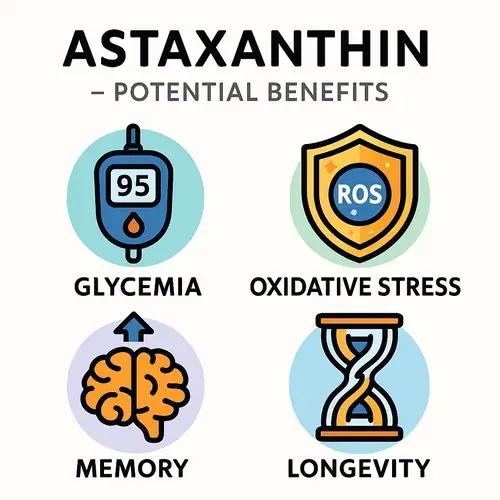
When taken by mouth, astaxanthin builds up in the skin layers. There, it stops UV-induced matrix metalloproteinase-1 (MMP-1) production and slows down collagen breakdown. After 6 to 12 weeks of supplementing at doses of 4 to 12 mg per day, clinical studies show better skin hydration, elasticity, and wrinkle depth. This is the exact range we measure and confirm through SGS third-party testing for every production batch. This makes Astaxanthin Softgel Capsules high-end ingredients for nutraceutical brands that want to stand out in the beauty-from-within market, which is very competitive. Vitamin C is good for skin health because it helps make collagen and controls melanin. This makes it useful for whitening products and treating hyperpigmentation after inflammation. When the two substances are mixed, they work better together, which lets formulators make complete skin health products that help with both structural support and oxidative defense. Our custom preparation services can handle such complicated needs by changing the carrier oils and other ingredients to make them more bioavailable and stable.
Eye Health and Visual Function
Astaxanthin can directly protect photoreceptor cells and the retinal pigment epithelium because it can cross the blood-retinal barrier. Studies show that people who are exposed to blue light have benefits for computer vision sickness, accommodation amplitude, and less eye tiredness. These are issues that are becoming more and more important as global online work grows. These uses are especially appealing to OEM clients who are making goods for older people and tech workers. Vitamin C helps eye health in a roundabout way by keeping blood vessels strong and lowering oxidative stress in the aqueous humor. Even though it's useful, it doesn't have the specialized retinal accumulation that makes astaxanthin so good for eye-specific formulas. This helps procurement specialists carefully distribute ingredients across product lines, making the most of both clinical usefulness and market positioning.
Inflammation Control and Athletic Performance
Astaxanthin capsules has strong anti-inflammatory benefits by blocking NF-κB signaling and lowering the production of cytokines that cause inflammation. Athletes feel less muscle pain, have better stamina, and heal faster when they take 6–12 mg daily supplements. This creates strong value offers for sports nutrition brands. The Astaxanthin Softgel Capsules form makes sure that the right amount is taken each time and gets rid of the harsh taste that comes with high-potency vitamin mixes. Vitamin C helps the body heal from exercise by repairing collagen and keeping the immune system strong during training stress. Athletes should take between 500 and 1000 mg of vitamin C every day. Both ingredients are used in sports nutrition, but they work in different ways. This means that formulators can choose which one to use based on how they want to market their product, whether they want to focus on fast healing, joint support, or mitochondrial energy production.
Usage, Dosage Guidelines, and Safety Considerations
Recommended Dosing Protocols
Astaxanthin Powder capsules dosages of 4 to 12 mg per day for people are supported by clinical data. Higher concentrations are recommended for specific uses, such as athletic performance or prolonged UV exposure. Our pharmaceutical-grade Astaxanthin Softgel Capsules have exact content calibration, and we check it using HPLC analysis. This makes sure that the label claims match the actual strength, which is a must for brands that have to follow FDA and EU rules. Giving it with fatty foods helps it absorb better, which is something we make clear in the technical documents we give to B2B clients. Doses of vitamin C range a lot depending on the use, from 60 mg (RDA) to 2000 mg to help the defense system during times of extreme stress. Higher doses of time-release and buffered forms like calcium ascorbate are better at easing stomach upset, but formulators have to weigh this against cost and label claim preferences. Our research and development team helps clients make these kinds of choices by using their more than 20 years of experience with plant extracts to make formulation methods work better.
Storage Requirements and Stability Considerations
The tightly sealed softgel design doesn't have any gaps like two-piece hard capsules do, so it stops volatile components from escaping and moisture from getting in, which would otherwise make the stability less stable. Astaxanthin softgel capsules should be kept in a bottle at room temperature, out of direct sunlight, and under controlled conditions so that they stay effective for two years. This stability profile makes logistics easier for bulk buyers who are in charge of foreign delivery networks and cuts down on waste from old stock. Because vitamin C goods are sensitive to oxidation, they need stricter storage rules, especially when they come in powder or liquid form. Moisture-barrier packing and adding desiccant become necessary, which raises the cost per unit and makes the supply chain more complicated. These practical factors affect estimates of the total cost of ownership in addition to the price of the raw materials. Our sales team helps with this analysis by giving specific logistical advice.
Safety Profiles and Interaction Considerations
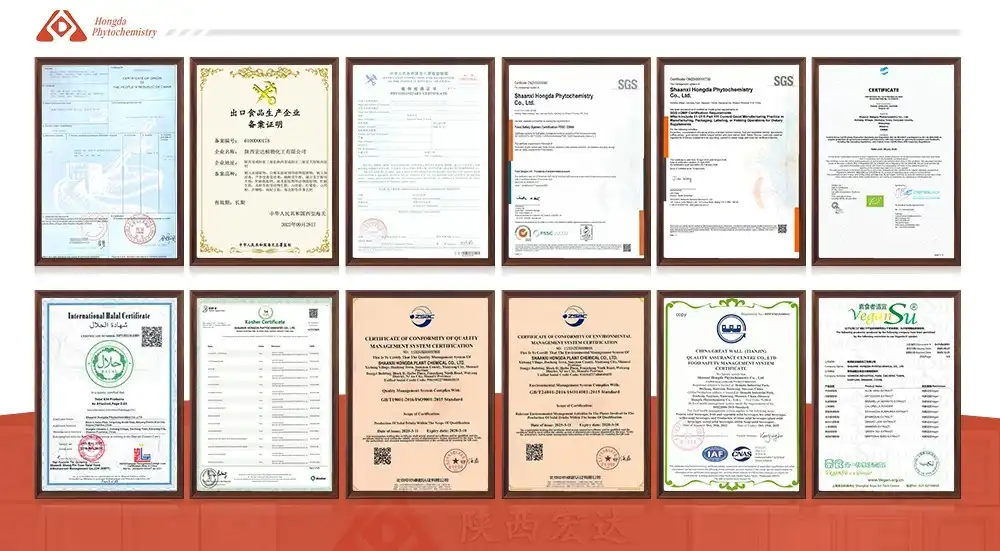
There have been no major side effects reported in clinical studies at doses up to 40 mg per day, which shows that astaxanthin is very safe. Mild stomach problems only happen very rarely, and no major drug conflicts have been found. Our natural product made from algae has HALAL, KOSHER, and ORGANIC Certifications, so it can meet the needs of a wide range of customers and government bodies. This safety rating makes it easier for brands to submit to regulators and lowers their worries about liability when they enter new markets. The safety of vitamin C is usually known as safe (GRAS), but people who take more than 2000 mg of it every day may get diarrhea, nausea, or kidney stones. Some medicines, like cancer drugs and statins, react badly with this substance, so it needs to have clear warnings on the label. Astaxanthin can be used with other ingredients without any problems, so formulators can mix the two if there is a good scientific reason to do so.
Procurement Insights: Sourcing Astaxanthin Softgels vs Vitamin C
Supply Chain Considerations and Quality Assurance
The 20,000-square-meter facility that Shaanxi Hongda Phytochemistry Co., Ltd. runs has ten production lines for natural plant extracts and an SGS-certified laboratory. The facility is cGMP-certified. We have kept our FSSC22000, ISO9001, ISO22000, and BRC certifications up to date since 2001. This gives mid- to big nutrition brands the compliance infrastructure they need. Isotope testing is done on every batch to make sure that it comes from natural algae and not a manufactured one. This supports your brand's premium standing and clean-label marketing claims. There are different problems when it comes to getting vitamin C because most of the world's supply comes from a few big companies. Price changes depend on the supply of raw materials and the cost of energy, which makes budgeting for yearly contracts harder. Our wide range of over 400 botanical extracts gives sourcing managers a more stable supply chain and a single point of contact, making it easier to handle vendors while keeping quality standards high across all ingredient categories.
Customization and Private Label Capabilities
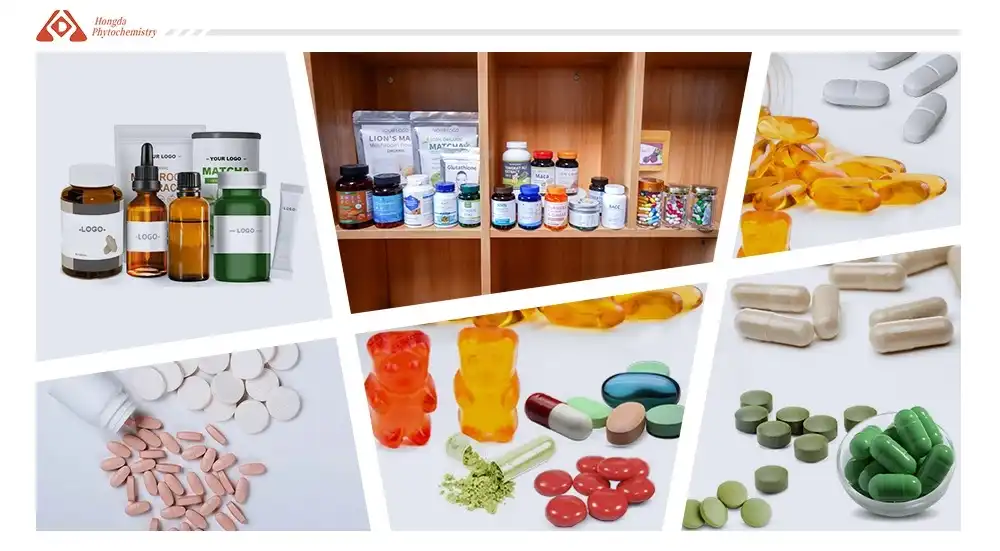
We let you completely change the labels, bottle styles, and ingredient mixes to meet your exact needs. Each Astaxanthin Softgel Capsule can contain anywhere from 4 mg to 12 mg of astaxanthin. We accept T/T, VISA, XTransfer, and Alipay as forms of payment, which makes foreign transactions easier. Also, as a public overseas warehouse, we make it easier for North American and European customers to import goods and cut down on wait times. This operating framework is very important when putting out new goods on short notice or dealing with changes in seasonal demand. Making private-label vitamin C is still competitive and easy to get, and it's hard to stand out beyond organic or non-GMO approvals. Our natural Astaxanthin Softgel Capsules give brands a unique, science-backed ingredient that gets higher prices and builds customer trust by showing results that can be seen. The custom dark gelatin shells can have brand colors and patterns added to them. This makes the supplements stand out more on store shelves and helps people remember the brand in crowded supplement aisles.
Conclusion
To figure out whether Astaxanthin softgel capsules or vitamin C is better, you need to define "strength" in the context of your application. Pharmaceutical-grade Astaxanthin Softgels Capsules are the most effective way to protect against lipid breakdown, protect the skin from UV light, and help the mitochondria work better. Vitamin C is still needed to make collagen, keep the immune system healthy, and do its job as a water-soluble antioxidant. Formulators who are smart know that these chemicals meet physiological needs that are different from each other instead of directly fighting with each other. At Shaanxi Hongda, our technical team helps procurement experts choose ingredients that are right for their target audience, meet legal requirements, and fit with their brand positioning strategies.
FAQCan I take astaxanthin and vitamin C together safely?
It is safe to take Astaxanthin softgel capsules with vitamin C, and the two may even work better together. The two antioxidants work in different parts of cells. Astaxanthin works in lipid membranes, while vitamin C works in watery areas. They work together instead of against each other. There have been no reports of harmful combinations in clinical journals. A lot of high-end formulas mix these two ingredients on purpose to give your body full antioxidant protection across many systems.
Which absorbs better, astaxanthin or vitamin C?
The ways that these chemicals are absorbed are very different. In order for the intestines to absorb astaxanthin, it needs fatty carriers. Our MCT oil and olive oil Astaxanthin softgel capsules format works well for this purpose. Vitamin C is absorbed directly through sodium-dependent transporters in the small intestine. When the dose goes above 200 mg, the transporters become less effective because they are already full. Our encapsulation method makes astaxanthin 3.5 times more bioavailable than powder forms. This solves the main problem of this lipophilic substance not being absorbed properly. When made and dosed correctly, both reach beneficial tissue amounts.
How do I choose between these antioxidants for my product line?
Which one to use relies on your target market and the clinical results you want. Astaxanthin's ability to help mitochondria and reduce inflammation is good for sports nutrition brands. Beauty-from-within products use its ability to protect against UV rays and keep collagen healthy. Vitamin C is often found in products that help the immune system and promote overall health. The best way to choose ingredients is to look at your customer groups, your place in the market, and your price point tolerance. As part of our technical consulting services, we look at the market and make formulation suggestions that are specific to your brand strategy.
Partner with a Trusted Astaxanthin Softgel Capsules Supplier
Shaanxi Hongda Phytochemistry Co., Ltd. sells natural astaxanthin softgel capsules that are safe enough for use in medicine. They have been working with plant extracts for over 20 years and follow all the rules set by the government. Our vacuum-microencapsulated capsules stop oxidative instability, and our customized filling meets the needs of different brands at a price that's competitive for large purchases. We don't have to worry about supply chain delays that slow down product launches because our inventory is always available and ships within 1 to 3 days around the world. Our group of more than 20 Ph.D. researchers helps with formulation, which turns ingredient requirements into goods that are ready to go to market. Contact duke@hongdaherb.com right away to get product samples, full technical specs, and customized quotes that show why top nutraceutical companies choose Hongda as their chosen astaxanthin softgel capsules maker.
References
1. Nishida, Y., et al. (2007). "Quenching Activities of Common Hydrophilic and Lipophilic Antioxidants against Singlet Oxygen Using Chemiluminescence Detection System." Carotenoid Science, 11, 16-20.
2. Tominaga, K., et al. (2012). "Cosmetic Benefits of Astaxanthin on Human Subjects." Acta Biochimica Polonica, 59(1), 43-47.
3. Frei, B., Birlouez-Aragon, I., & Lykkesfeldt, J. (2012). "Authors' Perspective: What is the Optimum Intake of Vitamin C in Humans?" Critical Reviews in Food Science and Nutrition, 52(9), 815-829.
4. Chew, B.P., & Park, J.S. (2004). "Carotenoid Action on the Immune Response." Journal of Nutrition, 134(1), 257S-261S.
5. Nakagawa, K., et al. (2011). "Antioxidant Effect of Astaxanthin on Phospholipid Peroxidation in Human Erythrocytes." British Journal of Nutrition, 105(11), 1563-1571.
6. Pullar, J.M., Carr, A.C., & Vissers, M.C.M. (2017). "The Roles of Vitamin C in Skin Health." Nutrients, 9(8), 866.





YOU MAY LIKE