What Is Vitamin E Tocopherol Good For?
2025-08-15 16:18:00
Vitamin E tocopherol is a powerful antioxidant with numerous health benefits. This fat-soluble vitamin plays a crucial role in protecting cells from oxidative stress, supporting immune function, and promoting overall health. Found naturally in various foods and available as a dietary supplement, vitamin E tocopherol has gained significant attention for its potential to prevent chronic diseases and enhance well-being. In this blog post, we'll explore the many benefits of vitamin E tocopherol and address some common questions about this essential nutrient.
What are the health benefits of natural vitamin E tocopherol?
Natural vitamin E tocopherol offers a wide range of health benefits, making it an essential nutrient for optimal well-being. As a potent antioxidant, it helps protect cells from damage caused by free radicals, which are unstable molecules that can harm cellular structures and contribute to various chronic diseases. This protective function is particularly important for maintaining heart health, supporting brain function, and promoting healthy skin.
One of the primary benefits of vitamin E tocopherol is its role in cardiovascular health. Research has shown that this nutrient may help reduce the risk of heart disease by preventing the oxidation of low-density lipoprotein (LDL) cholesterol, often referred to as "bad" cholesterol. When LDL cholesterol becomes oxidized, it's more likely to contribute to the formation of plaque in the arteries, leading to atherosclerosis. By inhibiting this oxidation process, vitamin E tocopherol helps maintain healthy blood vessels and promotes better circulation.
In addition to its cardiovascular benefits, vitamin E tocopherol plays a crucial role in supporting immune function. It enhances the body's ability to produce and maintain healthy immune cells, which are essential for fighting off infections and diseases. This immune-boosting effect is particularly beneficial for older adults, who may experience a decline in immune function as they age.
Vitamin E tocopherol is also renowned for its skin health benefits. As an antioxidant, it helps protect the skin from damage caused by UV radiation and environmental pollutants. This protection can help reduce the appearance of fine lines and wrinkles, promote skin elasticity, and maintain a youthful complexion. Many skincare products incorporate vitamin E for its moisturizing and protective properties.
Furthermore, this nutrient has been studied for its potential neuroprotective effects. Some research suggests that vitamin E tocopherol may help slow cognitive decline in older adults and potentially reduce the risk of neurodegenerative diseases such as Alzheimer's. While more studies are needed to fully understand these effects, the initial findings are promising.
Lastly, vitamin E tocopherol has been associated with eye health. It may help prevent or slow the progression of age-related macular degeneration, a leading cause of vision loss in older adults. By protecting the delicate tissues of the eye from oxidative stress, vitamin E tocopherol contributes to maintaining healthy vision throughout life.

How much natural vitamin E tocopherol should I take daily?
Determining the appropriate daily intake of natural vitamin E tocopherol is essential for reaping its health benefits while avoiding potential risks associated with excessive consumption. The recommended dietary allowance (RDA) for vitamin E varies depending on age, sex, and other individual factors. It's important to note that these recommendations are based on alpha-tocopherol, the most biologically active form of vitamin E.
For adults aged 19 and older, the RDA for vitamin E is 15 milligrams (mg) per day, which is equivalent to 22.4 International Units (IU) of natural vitamin E or 33.3 IU of synthetic vitamin E. Pregnant women should aim for the same amount, while breastfeeding women have a slightly higher recommendation of 19 mg (28.4 IU natural or 42.4 IU synthetic) per day.
It's worth noting that these recommendations are considered sufficient to meet the nutritional needs of most healthy individuals. However, some people may require higher doses for specific health conditions or to address deficiencies. In such cases, it's crucial to consult with a healthcare professional before increasing vitamin E intake significantly.
While it's possible to obtain adequate vitamin E through a balanced diet rich in nuts, seeds, vegetable oils, and leafy green vegetables, some individuals may choose to supplement. When considering supplementation, it's important to be aware of the upper tolerable intake level (UL) for vitamin E, which is set at 1,000 mg (1,500 IU) per day for adults. Exceeding this amount may increase the risk of adverse effects, particularly in individuals taking blood-thinning medications.
It's also worth noting that natural vitamin E tocopherol is generally considered more bioavailable and effective than synthetic forms. When choosing a supplement, look for products that contain natural vitamin E, which is often listed as "d-alpha-tocopherol" or "mixed tocopherols" on the label.
For those with specific health concerns or conditions that may benefit from higher vitamin E intake, such as certain eye disorders or cardiovascular risks, a healthcare provider may recommend doses higher than the RDA. However, these higher doses should always be taken under medical supervision to monitor for potential interactions with medications or other supplements.
It's important to remember that more isn't always better when it comes to vitamins and minerals. While vitamin E tocopherol is generally considered safe, excessive intake can lead to complications, including an increased risk of bleeding or interference with blood clotting. This is particularly important for individuals taking anticoagulant medications or those with vitamin K deficiency.
What foods are high in natural vitamin E tocopherol?
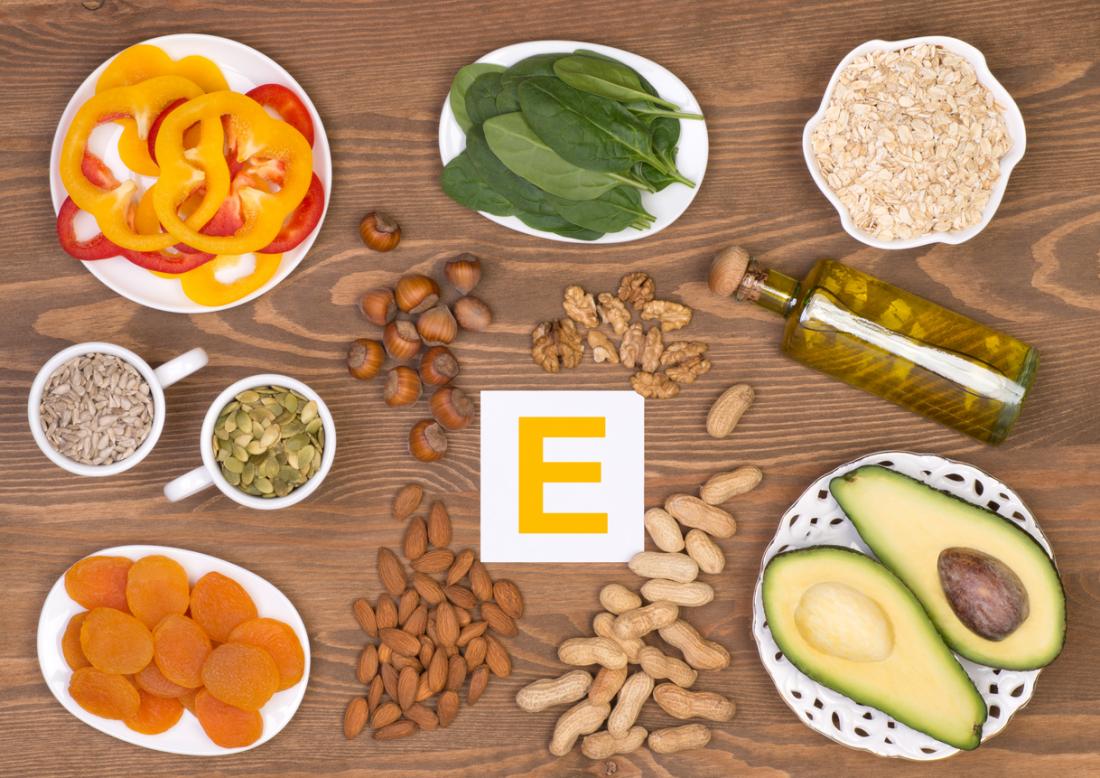
Incorporating foods rich in natural vitamin E tocopherol into your diet is an excellent way to ensure you're meeting your daily requirements for this essential nutrient. Many delicious and nutritious foods are excellent sources of vitamin E, making it relatively easy to obtain adequate amounts through a balanced diet.
One of the best sources of natural vitamin E tocopherol is nuts and seeds. Almonds, in particular, are an outstanding source, with just one ounce (about 23 almonds) providing approximately 7.3 mg of vitamin E, which is nearly half of the daily recommended intake. Other nuts high in vitamin E include hazelnuts, peanuts, and pine nuts. Seeds such as sunflower seeds, pumpkin seeds, and sesame seeds are also rich in this nutrient.
Vegetable oils are another excellent source of vitamin E tocopherol. Wheat germ oil is exceptionally high in vitamin E, with just one tablespoon providing about 20 mg. Other oils rich in vitamin E include sunflower oil, safflower oil, and corn oil. While these oils are beneficial sources of vitamin E, it's important to consume them in moderation due to their high calorie content.
Leafy green vegetables are not only packed with various essential nutrients but also contain significant amounts of vitamin E. Spinach, Swiss chard, and collard greens are particularly good sources. For example, a half-cup of cooked spinach provides about 1.9 mg of vitamin E. Other vegetables that contribute to vitamin E intake include broccoli, butternut squash, and red bell peppers.
Avocados are another nutritious food that provides a good amount of vitamin E. One whole avocado contains about 2.7 mg of vitamin E, along with healthy fats and various other vitamins and minerals. This versatile fruit can be easily incorporated into salads, sandwiches, or enjoyed on its own.
Some fruits also contain vitamin E, although generally in smaller amounts compared to nuts and oils. Kiwifruit, mango, and blackberries are good fruit sources of this nutrient. While they may not provide as much vitamin E as some other foods, they contribute to overall intake and offer additional nutritional benefits.
Fortified foods can also be a source of vitamin E tocopherol. Some breakfast cereals, for example, are fortified with various vitamins and minerals, including vitamin E. However, it's generally preferable to obtain nutrients from whole food sources when possible.
When incorporating these foods into your diet, it's important to consider preparation methods. Since vitamin E is fat-soluble, consuming it with some dietary fat can enhance its absorption. For example, adding a drizzle of olive oil to your leafy green salad or including nuts in your morning cereal can help improve the bioavailability of vitamin E.
It's worth noting that while these foods are excellent sources of natural vitamin E tocopherol, the actual content can vary based on factors such as soil quality, processing methods, and storage conditions. Additionally, cooking methods can affect vitamin E content, with some studies suggesting that certain cooking processes may lead to a reduction in vitamin E levels.
In conclusion, vitamin E tocopherol is a vital nutrient with numerous health benefits, ranging from its powerful antioxidant properties to its role in supporting immune function and promoting healthy skin. By understanding the recommended daily intake and incorporating a variety of vitamin E-rich foods into your diet, you can ensure you're reaping the full benefits of this essential nutrient. As with any dietary change or supplementation, it's always wise to consult with a healthcare professional, especially if you have specific health concerns or are taking medications.
Hongda Phytochemistry Co., Ltd. offers a range of Natural Vitamin E Tocopherol products with varying specifications to meet diverse needs: ≥67.1% (1000 IU/g), ≥73.8% (1100 IU/g), ≥87.2% (1300 IU/g), and ≥96.0% (1430 IU/g). Customers can benefit from multiple payment methods and enjoy the advantages of OEM/ODM processing directly from our factory. We specialize in customized production and Packaging, ensuring flexibility to cater to specific requirements. Free samples are available upon request, reflecting our commitment to customer satisfaction. With the recent addition of a capsule production workshop, we now offer tailored capsule products as well. For more information or inquiries about our products, please contact duke@hongdaherb.com to discover how Hongda Phytochemistry Co., Ltd. can provide superior Natural Vitamin E Tocopherol solutions.
References:
1. National Institutes of Health. (2021). Vitamin E - Fact Sheet for Health Professionals. Office of Dietary Supplements.
2. Rizvi, S., Raza, S. T., Ahmed, F., Ahmad, A., Abbas, S., & Mahdi, F. (2014). The role of vitamin E in human health and some diseases. Sultan Qaboos University Medical Journal, 14(2), e157-e165.
3. Traber, M. G. (2014). Vitamin E inadequacy in humans: causes and consequences. Advances in Nutrition, 5(5), 503-514.
4. Meydani, S. N., Leka, L. S., Fine, B. C., Dallal, G. E., Keusch, G. T., Singh, M. F., & Hamer, D. H. (2004). Vitamin E and respiratory tract infections in elderly nursing home residents: a randomized controlled trial. JAMA, 292(7), 828-836.
5. Jiang, Q. (2014). Natural forms of vitamin E: metabolism, antioxidant, and anti-inflammatory activities and their role in disease prevention and therapy. Free Radical Biology and Medicine, 72, 76-90.
6. Rink, S. M., Mendola, P., Mumford, S. L., Poudrier, J. K., Browne, R. W., Wactawski-Wende, J., ... & Schisterman, E. F. (2013). Self-report of fruit and vegetable intake that meets the 5 a day recommendation is associated with reduced levels of oxidative stress biomarkers and increased levels of antioxidant defense in premenopausal women. Journal of the Academy of Nutrition and Dietetics, 113(6), 776-785.
7. Brigelius-Flohé, R., & Traber, M. G. (1999). Vitamin E: function and metabolism. The FASEB Journal, 13(10), 1145-1155.
8. Evans, J. R., & Lawrenson, J. G. (2017). Antioxidant vitamin and mineral supplements for slowing the progression of age-related macular degeneration. Cochrane Database of Systematic Reviews, (7).
9. Vitamin E. (2021). Harvard T.H. Chan School of Public Health. The Nutrition Source.
10. Lebold, K. M., & Traber, M. G. (2014). Interactions between α-tocopherol, polyunsaturated fatty acids, and lipoxygenases during embryogenesis. Free Radical Biology and Medicine, 66, 13-19.