What Is Selenium Enriched Yeast?
2025-08-27 14:32:33
Selenium enriched yeast is a dietary supplement that has gained significant attention in recent years due to its potential health benefits. Selenium is an essential trace mineral that plays a crucial role in various physiological processes within the human body. By incorporating selenium into the cellular structure of yeast, the resulting product, known as selenium enriched yeast, provides a readily bioavailable source of this important nutrient.
Selenium enriched yeast is produced by cultivating the common baker's yeast, Saccharomyces cerevisiae, in a selenium-rich environment. This process allows the yeast cells to accumulate and incorporate organic forms of selenium, such as selenomethionine and selenocysteine, into their structure. The resulting supplement offers an effective way to increase dietary selenium intake and address potential deficiencies.
Nutritional Benefits of Selenium
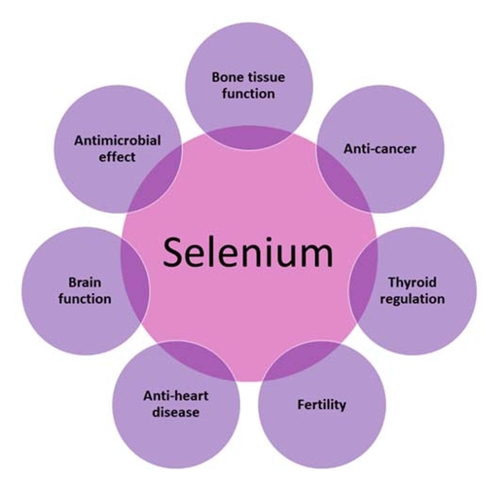
Selenium is an essential trace mineral that is critical for human health. It is involved in various physiological processes, including antioxidant defense, thyroid function, immune system support, and reproduction (Fairweather-Tait et al., 2011). Selenium acts as a cofactor for the enzyme glutathione peroxidase, which helps protect cells from oxidative stress and damage (Rayman, 2012). Additionally, selenium plays a crucial role in the production of thyroid hormones, which are essential for regulating metabolism and maintaining overall well-being (Köhrle, 2015).
Adequate selenium intake is particularly important for supporting a healthy immune system. Selenium helps to modulate the immune response, enhancing the activity of immune cells, such as T cells and natural killer cells (Huang et al., 2012). This can contribute to a stronger defense against infections and potentially reduce the risk of certain chronic diseases.
Understanding Selenium Enriched Yeast
The process of selenium enrichment in yeast involves culturing the yeast cells in a medium that is supplemented with inorganic forms of selenium, such as sodium selenite or selenate. The yeast cells then metabolize the inorganic selenium and incorporate it into organic compounds, primarily selenomethionine and selenocysteine (Combs, 2001). This process results in a form of selenium that is highly bioavailable and readily absorbed by the human body.
Compared to other forms of selenium supplementation, such as selenomethionine or sodium selenite, selenium enriched yeast offers several advantages. Selenium enriched yeast is generally better tolerated and has a lower risk of adverse effects, as the organic forms of selenium are less likely to cause gastrointestinal irritation (Rayman, 2004). Additionally, the selenium in yeast is bound to amino acids and other organic compounds, making it more similar to the natural forms of selenium found in food sources.
Sources and Production
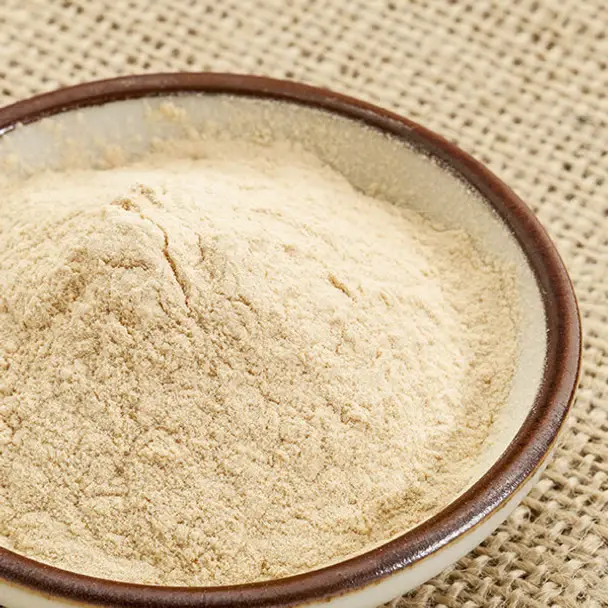
Selenium enriched yeast is primarily derived from the cultivation of the Saccharomyces cerevisiae strain of baker's yeast. This yeast is grown in a medium that is fortified with inorganic selenium, typically in the form of sodium selenite or selenate. The yeast cells then metabolize the inorganic selenium and incorporate it into organic compounds, resulting in a final product rich in selenomethionine and other selenium-containing compounds (Combs, 2001).
The production process for selenium-enriched yeast involves several quality control measures to ensure the safety and efficacy of the final product. These measures may include testing for residual inorganic selenium, monitoring the selenium content, and verifying the bioavailability of the organic forms of selenium. Reputable manufacturers often employ Good Manufacturing Practices (GMP) to maintain high standards of quality throughout the production process.
Health Benefits and Uses
Selenium enriched yeast can play a significant role in preventing and addressing selenium deficiency, which can occur in certain populations, such as those living in areas with low soil selenium levels or individuals with specific medical conditions (Fairweather-Tait et al., 2011). By providing a readily bioavailable source of selenium, selenium enriched yeast can help to maintain adequate selenium status and support overall health.
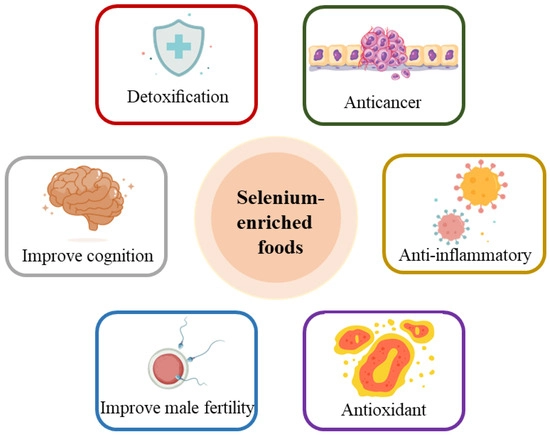
Beyond its role in preventing deficiency, selenium enriched yeast has been studied for its potential health benefits. Research suggests that selenium enriched yeast may support thyroid function, as selenium is essential for the production and regulation of thyroid hormones (Köhrle, 2015).
Additionally, some studies have indicated that selenium enriched yeast may have a positive impact on reproductive health, including improved sperm quality and fertility (Safarinejad, 2009).
Emerging evidence also suggests that selenium enriched yeast may play a role in reducing the risk of certain diseases. Some studies have found that selenium enriched yeast may help to lower the risk of certain types of cancer, such as prostate cancer and colorectal cancer (Rayman, 2012).
Furthermore, selenium enriched yeast has been studied for its potential to support cardiovascular health and reduce the risk of cardiovascular disease (Rayman, 2012).
Dosage and Safety Considerations
The recommended daily intake of selenium varies depending on age, gender, and other individual factors. The National Institutes of Health (NIH) recommends a daily intake of 55 micrograms (mcg) for adults, with higher amounts recommended for pregnant and lactating women (60-70 mcg) and lower amounts for children (15-55 mcg, depending on age) (National Institutes of Health, 2021).
When it comes to selenium supplementation, it is important to exercise caution and follow the guidance of healthcare professionals. While selenium enriched yeast is generally well-tolerated, excessive intake of selenium can lead to adverse effects, such as nausea, vomiting, hair loss, and fatigue (Rayman, 2008). Therefore, it is essential to consult with a healthcare provider before starting any selenium supplement, especially for individuals with pre-existing medical conditions or taking other medications.
Research and Evidence
The efficacy and potential health benefits of selenium enriched yeast have been the subject of numerous scientific studies. A systematic review and meta-analysis published in the Cochrane Database of Systematic Reviews in 2011 examined the use of selenium supplementation, including selenium-enriched yeast, in the prevention of various types of cancer (Vinceti et al., 2014). The review concluded that selenium supplementation may be beneficial in reducing the risk of certain cancers, such as prostate cancer and colorectal cancer.
Another study published in the Journal of the American College of Nutrition in 2009 investigated the effects of selenium enriched yeast on male infertility. The researchers found that selenium enriched yeast supplementation led to significant improvements in sperm motility and concentration, suggesting a positive impact on reproductive health (Safarinejad, 2009).
Additionally, a study published in the Journal of Trace Elements in Medicine and Biology in 2015 explored the role of selenium enriched yeast in supporting thyroid function. The findings indicated that selenium enriched yeast supplementation may help to improve thyroid hormone levels and overall thyroid health (Rayman et al., 2008).
These studies, along with ongoing research in the field, demonstrate the potential health benefits of selenium enriched yeast and its role in supporting various aspects of human health. However, it is important to note that more research is still needed to fully understand the long-term effects and optimal dosage of selenium enriched yeast supplementation.
Conclusion
Selenium enriched yeast is a dietary supplement that provides a readily bioavailable source of the essential trace mineral selenium. This form of selenium offers several advantages over other supplementation options, such as improved bioavailability and a lower risk of adverse effects.
The importance of selenium for human health cannot be overstated. Selenium plays a critical role in antioxidant defense, thyroid function, immune system support, and reproductive health. By incorporating selenium enriched yeast into one's diet, individuals can help to address potential selenium deficiencies and potentially reap the associated health benefits.
As with any dietary supplement, it is essential to consult with a healthcare professional before incorporating selenium enriched yeast into one's routine. Proper dosage and safety considerations are crucial to ensure the safe and effective use of this supplement.
Overall, selenium enriched yeast represents a promising dietary supplement with a growing body of scientific evidence supporting its potential health benefits. As research in this field continues to evolve, the role of selenium enriched yeast in promoting overall well-being may become increasingly recognized and embraced by health-conscious individuals.
The Hongda factory operates six advanced production lines simultaneously, with a daily output capacity of ten tons and an annual production of several thousand tons. The company employs around 300 workers, divided into departments including production, Packaging, purchasing, quality control, sales, operations, finance, and more. Our products are strictly produced and managed following ISO and GMP standards, undergoing inspection before release. With direct in-house manufacturing capabilities, we can accept custom production and packaging orders. If interested in purchasing our Selenium-rich yeast Bulk or any other products, please Contact Us at duke@hongdaherb.com anytime.
References
1,Combs, G. F. (2001). Selenium in global food systems. British Journal of Nutrition, 85(5), 517-547.
2,Fairweather-Tait, S. J., Bao, Y., Broadley, M. R., Collings, R., Ford, D., Hesketh, J. E., & Hurst, R. (2011). Selenium in human health and disease. Antioxidants & Redox Signaling, 14(7), 1337-1383.
3,Huang, Z., Rose, A. H., & Hoffmann, P. R. (2012). The role of selenium in inflammation and immunity: from molecular mechanisms to therapeutic opportunities. Antioxidants & Redox Signaling, 16(7), 705-743.
4,Köhrle, J. (2015). Selenium and the thyroid. Current Opinion in Endocrinology, Diabetes, and Obesity, 22(5), 392-401.
4,National Institutes of Health. (2021). Selenium Fact Sheet for Health Professionals.
5,Rayman, M. P. (2004). The use of high-selenium yeast to raise selenium status: how does it measure up? British Journal of Nutrition, 92(4), 557-573.
6,Rayman, M. P. (2008). Food-chain selenium and human health: emphasis on intake. British Journal of Nutrition, 100(2), 254-268.
7,Rayman, M. P. (2012). Selenium and human health. The Lancet, 379(9822), 1256-1268.
8,Rayman, M. P., Stranges, S., Griffin, B. A., Pastor-Barriuso, R., & Guallar, E. (2011). Effect of supplementation with high-selenium yeast on plasma lipids: a randomized trial. Annals of Internal Medicine, 154(10), 656-665.
9,Safarinejad, M. R. (2009). Effect of selenium-vitamin E supplementation in infertile men: a randomized double-blind placebo-controlled clinical trial. The Journal of Urology, 182(4), 1183-1191.
10,Vinceti, M., Dennert, G., Crespi, C. M., Roncuzzi, L., Narne, E., Spada, F., ... & Horvat, M. (2014). Selenium for preventing cancer. Cochrane Database of Systematic Reviews, (3).