What Is Naringenin Powder? Benefits, Uses, and Buying Guide
2026-09-21 14:16:03
If you have been looking into citrus flavonoids for supplement formulation, cosmetic development, or ingredient sourcing, chances are you have come across Naringenin Powder more than once. This naturally occurring flavanone, extracted from orange peel and pulp, has established a reputation among formulators for its antioxidant activity and adaptability across nutraceutical, pharmaceutical, and cosmetic uses. What sets Hongda’s Naringenin Powder apart is that each batch is rigorously tested for purity, produced in cGMP-compliant facilities, and originates from over two decades of experience in phytochemical extraction, offering a consistency that is difficult to find in the raw material market elsewhere. In this article, you will learn about naringenin powder, the advantages and applications it may support, why it is important to source from a reputable producer, and what to look for before you buy.
What Exactly Is Naringenin Powder?
When investigating applications or comparing sources, knowledge about the chemistry and origins of this substance might be useful. Naringenin Powder is not a manufactured addition, but a refined extract of a substance that occurs naturally throughout the citrus family, and knowing its source and identification is the first step to procuring it appropriately.
The Natural Source of Naringenin Powder
Naringenin is a flavanone present mainly in grapefruit, oranges, tomatoes, and several traditional Chinese medicinal materials. In the herbal materials, it occurs partially as the free aglycone and partly as sugar-bound naringin. Commercial Naringenin Powder is normally manufactured by extraction from citrus peel or pulp, followed by hydrolysis and purification procedures to remove the glycoside form and generate the free flavanone form. This extraction route is important since the free aglycone form is usually seen as more bioavailable and simpler to synthesize into final products than its glycoside precursor.
Chemical Identity and Purity Standards
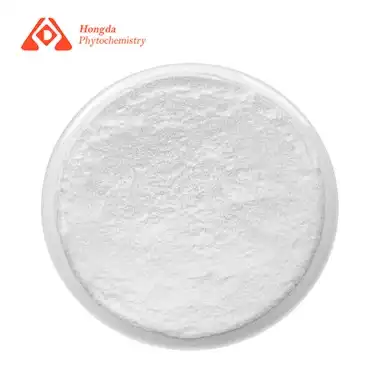
Chemically, naringenin has the chemical formula C15H12O5 and a molecular weight of roughly 272.25 g/mol. It is usually a white to light yellow or light orange crystalline powder. HPLC testing is performed on batches of Naringenin Powder. Commercial-grade material is generally assayed at 90% purity or better. Higher grades are assayed at 98% or better. Buyers intending to buy for nutraceutical or cosmetic use should always seek a recent certificate of analysis showing assay purity, heavy metal limits, and microbiological testing findings before placing a purchase order.
How Naringenin Powder Differs From Naringin
Naringin and naringenin are structurally different but related: naringin is the glycoside form that has a sugar molecule attached, while naringenin is the aglycone, which is left when the sugar molecule is removed by hydrolysis. This distinction is important to formulators because, as the aglycone, Naringenin Powder is typically more easily absorbed and metabolized. As such, many supplement and cosmetic manufacturers specifically request the aglycone form, rather than the glycoside, when designing finished formulations.
What Health and Wellness Benefits Does Naringenin Powder Offer?
Once the chemistry is understood, the next obvious inquiry is what this chemical is really utilized for and why demand has gradually expanded throughout the wellness sector. Naringenin powder is linked to a number of biological activities and is thus an interesting candidate for formulation in supplements and functional products.
Antioxidant Support
Naringenin is one of the several flavonoids extensively researched for its ability to neutralize reactive oxygen species. Naringenin Powder is a flavanone structure that has been related in laboratory tests to free-radical scavenging action and is often used by formulators to make antioxidant-oriented products. This antioxidant profile is one of the main reasons the substance is used in general health supplements that focus on strengthening the body's natural defenses against oxidative stress caused by daily environmental exposures.
Cardiovascular and Metabolic Wellness
Of the citrus flavonoids, naringenin has been of special study interest in relation to lipid metabolism and vascular health. Naringenin powder is one of the brands of supplements that develop cardiovascular or metabolic support products that add complementary flavonoids, including quercetin or hesperidin, to the mix, building on a growing body of preliminary research suggesting citrus flavanones may play a supportive role in healthy metabolic function when taken as part of a balanced formulation.
Skin and Cosmetic Applications
Beyond ingestible medicines, naringenin has also been used in topical preparations to promote the look and durability of the skin. Cosmetic chemists add Naringenin Powder to serums, creams, and masks, partly for its antioxidant properties and partly for its compatibility with other plant-derived actives, making it a versatile ingredient for natural and clean-label skin care lines that emphasize the source of botanical ingredients.
Immune and General Wellness Support
Citrus-derived flavonoids are often incorporated into general wellness formulations for daily immune function support. Naringenin Powder fits nicely into these mixes, typically combined with vitamin C or other citrus bioflavonoids, indicating a wider industry trend toward combination products that couple naringenin with complementary botanical extracts for a more complete health profile.
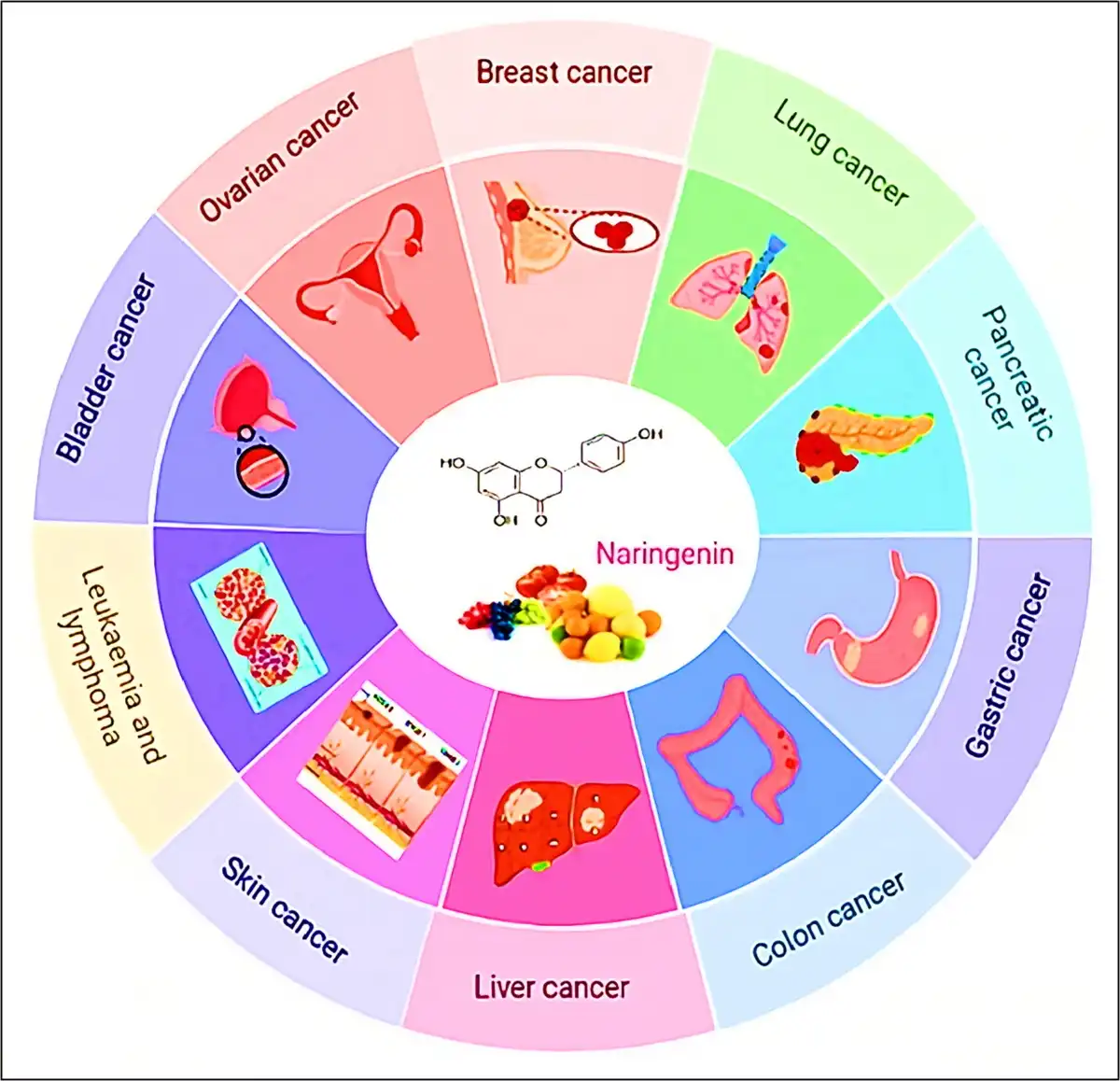
Table 1: Naringenin Powder — Core Specifications
|
ITEMS
|
SPECIFICATIONS
|
TEST RESULTS
|
|
|
Appearance
|
Off-white powder to white powder
|
white powder
|
|
|
Identification
|
There was a positive response
|
Complies
|
|
|
Odor
|
Characteristic
|
Complies
|
|
|
Taste
|
Characteristic
|
Complies
|
|
|
Assay
|
≥ 98%
|
98.32%
|
|
|
Loss on drying
|
≤5.0%
|
2.61%
|
|
|
Ash
|
≤5.0%
|
1.42%
|
|
|
Particle size
|
95% through 80 mesh
|
100%
|
|
|
Heavy metal
|
≤10ppm
|
<5ppm
|
|
|
Lead(Pb)
|
≤2ppm
|
<2ppm
|
|
|
Arsenic(As)
|
≤1ppm
|
<1ppm
|
|
|
Cadmium(Cd)
|
≤1ppm
|
<1ppm
|
|
|
Mercury(Hg)
|
≤0.5ppm
|
<0.5ppm
|
|
|
Total Plate Count
|
≤1000CFU/g
|
<100cfu/g
|
|
|
Total Yeast & Mold
|
≤100CFU/g
|
<10cfu/g
|
|
|
E.Coli
|
Negative
|
Not Detected
|
|
|
Salmonella
|
Negative
|
Not Detected
|
|
|
Staphylococcus
|
Negative
|
Not Detected
|
|
|
Statement
|
Non-Irradiated, Non-BSE/TES, Non-GMO, Non-Allergen
|
||
|
Conclusion
|
Conforms with the specification.
|
||
|
Storage
|
Closed keep in cool,dry and dark place ;keep from heat and strong light
|
||
Where Is Naringenin Powder Used Across Industries?
Having established the science and advantages, it’s easy to see why this chemical is sought after by multiple different sectors, rather than one niche. Naringenin Powder is used as a raw material to produce several types of final products with different quality and documentation requirements.
Nutraceuticals and Dietary Supplements
The dietary supplement segment encapsulates tablets or mixes naringenin into powder formulations with the biggest volume of demand for antioxidant and general wellbeing positioning. Naringenin Powder flows well, is stable under normal storage conditions, and is compatible with common excipients, making the production process easier than with less stable botanical extracts, and this is why supplement producers like it.
Pharmaceutical Research and Formulation
Furthermore, the interactions of naringenin with metabolic pathways and the potential of this molecule as a lead chemical for the creation of future derivatives are still being studied by academic and pharmaceutical research organizations. This is an ever-growing area of research. We provide research-grade Naringenin Powder that has been validated to rigorous analytical standards. Consistent purity across batches is especially important in this area of research because repeatability of experimental findings is highly dependent on raw material quality.
Cosmetic and Personal Care Products
Plant-based actives that are in line with clean-label marketing positioning are increasingly being sought out by formulators developing serums, moisturizers, and specialty skincare treatments. Naringenin powder, a citrus-derived ingredient with a familiar natural origin narrative, fulfills this requirement by offering cosmetic businesses a marketable, botanically derived active that can be highlighted on ingredient lists and Packaging.
Food and Beverage Applications
Naringenin has also been used in functional food and beverage production, albeit to a lesser degree than in supplement and cosmetic applications, since producers are exploring citrus flavonoids as natural ingredients. Naringenin Powder is stable under typical processing settings and works well within citrus flavor product lines, enabling a natural on-label ingredient narrative without affecting current taste profiles.
If your team is currently evaluating suppliers for a nutraceutical, cosmetic, or research formulation project and needs a documented, batch-tested source of citrus flavonoids, Hongda's technical sales team is available to discuss specifications and sample requests directly at duke@hongdaherb.com — a quick email is often the fastest way to confirm current stock, certificate of analysis details, and pricing for your required quantity.
Why Choose Hongda's Naringenin Powder?
After all, ingredient quality is only as good as the manufacturer behind it, which is why buyers need to pay special attention to manufacturing history, Certifications, and testing infrastructure before making a commitment to a supplier relationship.
Two Decades of Phytochemical Expertise
Shaanxi Hongda Phytochemistry Co., Ltd. has been a manufacturer and developer of natural plant extracts since 2001, with more than 20 years of professional expertise in flavonoid and botanical extraction. This institutional expertise directly influences Hongda’s Naringenin Powder manufacturing process, determining everything from raw material selection to final packaging, so each batch bears the imprint of lessons learnt from hundreds of previous extractions.
Certified Quality and Compliance
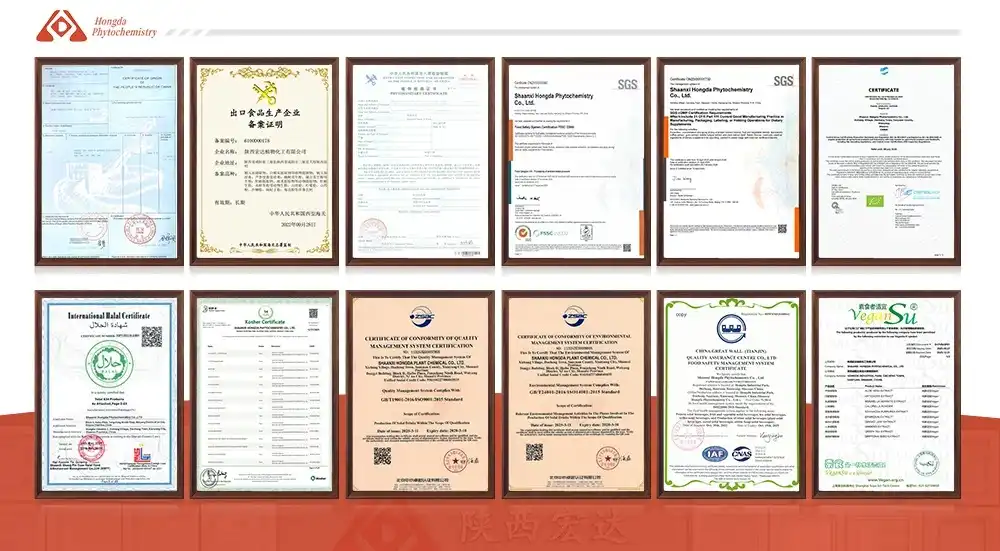
For buyers procuring raw materials for regulated sectors, verified compliance, not marketing promises, is needed. Hongda’s plant has various qualification certifications such as SGS, cGMP, HALAL, KOSHER, BRC, FDA, ISO9001, ISO22000, ORGANIC. International buyers of Naringenin Powder can rest assured that the production process is in line with recognized global quality and safety standards in various regulatory frameworks.
Custom Formulation and Global Supply
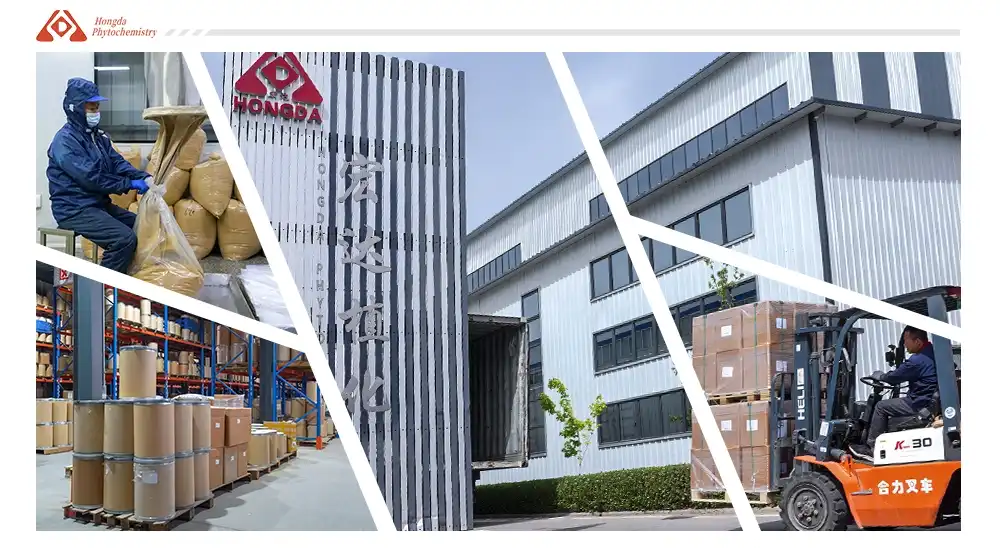
Different buyers have somewhat different specifications, whether it be particle size, packing type, or language for paperwork. Hongda also offers bespoke manufacturing and has a large offshore warehouse network, meaning that international customers purchasing Naringenin Powder may typically enjoy shorter delivery times and more flexible order amounts than if they were dealing with a single-location domestic provider.
Table 2: Hongda Company Credentials Overview
|
Category
|
Detail
|
|---|---|
|
Established
|
January 2001
|
|
National Recognition
|
High-tech Enterprise (rated 2010)
|
|
Facility Size
|
20,000 square meters
|
|
R&D Team
|
20+ professors from leading universities
|
|
Skilled Operators
|
100+
|
|
Certifications
|
SGS, cGMP, HALAL, KOSHER, BRC, FDA, ISO9001, ISO22000, ORGANIC, FSSC
|
How Should You Buy Naringenin Powder? A Practical Buyer's Guide
Knowing the chemical and the manufacturer only helps if it makes for a prudent, low-risk purchase. The checkpoints below would assist buyers in evaluating any source of Naringenin Powder prior to placing an order.
Verifying Purity and Test Reports
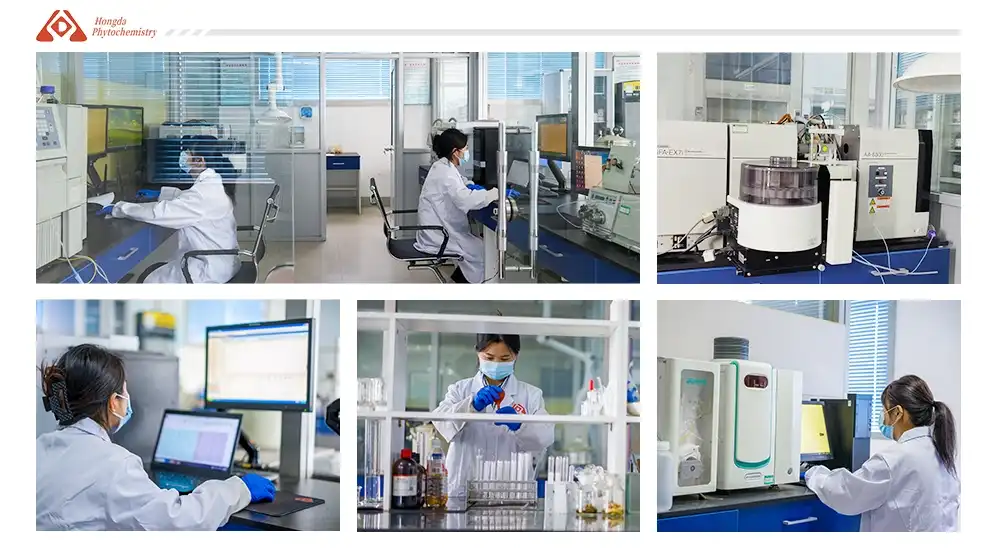
Always ask for a recent certificate of analysis for the exact batch you want to buy, not a general specification sheet, including HPLC assay, heavy metal screening, and microbiological testing. One of the clearest markers of a manufacturer's internal quality control discipline is visible testing data; therefore, a dependable provider of Naringenin Powder should be able to give this paperwork readily.
Evaluating Supplier Certifications
Verify that certificates claimed by the supplier are current and can be verified, preferably via certificate numbers or third-party registry lookups. When you are selecting Naringenin Powder manufacturers, give preference to those that have internationally recognized certifications such as ISO9001, cGMP, or FDA registration. These certifications include continuous audits and are not a one-time qualification.
Packaging, MOQ, and Logistics Considerations
Finally, clarify practical factors such as minimum order quantities, available packing sizes, moisture-protective packaging materials, and expected lead times from local and international warehouses. For time-sensitive manufacturing runs, buyers buying Naringenin Powder should define these logistical elements early in the dialog to minimize delays after a formulation timetable has been set.
Conclusion
Shaanxi Hongda Phytochemistry Co., Ltd. has been engaged in research and production of natural plant extracts for more than 20 years, with a 20,000-square-meter cGMP factory, an SGS-accredited laboratory, and a research team with more than 20 professors. This kind of expertise has a direct impact on the stability and documentation behind each batch of naringenin powder manufactured. Whether you are seeking material for nutraceutical, cosmetic, or research purposes, Hongda’s certified quality processes and customized capabilities make sourcing easy. Contact Us immediately to discuss specifics and obtain a sample of this reliable citrus flavonoid compound.
FAQQ1: What is Naringenin Powder made from?
A: It is extracted and purified primarily from citrus sources such as grapefruit and oranges, isolating the free flavanone form after hydrolysis.
Q2: What purity level should I look for when buying Naringenin Powder?
A: Commercial grades typically range from 90% to 98%+ by HPLC assay; always request a current certificate of analysis for the specific batch.
Q3: Is Naringenin Powder the same as Naringin?
A: No, naringenin is the aglycone form, while naringin is its glycoside precursor with an attached sugar molecule; naringenin is generally considered more readily absorbed.
Q4: Can Naringenin Powder be customized for specific formulations?
A: Yes, Hongda offers customized production based on client specifications, including particle size and packaging requirements.
Q5: Which industries use Naringenin Powder the most?
A: It is primarily used in dietary supplements, cosmetic formulations, pharmaceutical research, and select functional food and beverage applications.
Partner with Hongda for Your Naringenin Powder Sourcing Needs
Sourcing a consistent, well-documented supply of citrus flavonoids starts with choosing a manufacturer that combines technical expertise with verifiable quality systems. Hongda's more than two decades of phytochemical extraction experience, cGMP-certified facility, and dedicated R&D team give buyers confidence in every batch of naringenin powder shipped worldwide. With over 400 natural extract products available and a flexible customization process, Hongda can support projects ranging from small research orders to large-scale commercial supply agreements. Contact our team today at duke@hongdaherb.com to request a certificate of analysis, discuss pricing, or start a custom formulation conversation.
References
1. Harborne, J. B., and Williams, C. A. Advances in Flavonoid Research Since 1992. Phytochemistry Reviews.
2. World Health Organization. WHO Monographs on Selected Medicinal Plants. Geneva: WHO Press.
3. International Organization for Standardization. ISO 9001:2015 – Quality Management Systems Requirements. Geneva: ISO.
4. U.S. Food and Drug Administration. Guidance for Industry: Dietary Supplements. FDA Center for Food Safety and Applied Nutrition.
5. Middleton, E., Kandaswami, C., and Theoharides, T. C. The Effects of Plant Flavonoids on Mammalian Cells: Implications for Inflammation, Heart Disease, and Cancer. Pharmacological Reviews.
6. Erlund, I. Review of the Flavonoids Quercetin, Hesperetin, and Naringenin: Dietary Sources, Bioactivities, Bioavailability, and Epidemiology. Nutrition Research.





YOU MAY LIKE