What Is Methylcobalamin Powder?
2025-08-12 18:44:01
Methylcobalamin powder is a highly bioavailable form of vitamin B12, also known as cobalamin. This essential nutrient plays a crucial role in various bodily functions, including red blood cell formation, nervous system health, and DNA synthesis. Unlike cyanocobalamin, the synthetic form of B12 commonly found in supplements, methylcobalamin is the active form that is readily used by the body. This powdered form of methylcobalamin offers versatility in dosing and administration, making it an increasingly popular choice for those seeking to optimize their B12 intake.

What are the benefits of using pure methylcobalamin powder?
Pure Methylcobalamin Powder offers several advantages over other forms of vitamin B12 supplementation. Firstly, its purity ensures that you're getting the most bioactive form of B12 without any unnecessary additives or fillers. This can be particularly beneficial for individuals with sensitivities or those who prefer to avoid certain ingredients commonly found in B12 supplements.
One of the primary benefits of methylcobalamin is its superior absorption and retention in the body compared to other forms of B12. When taken orally, methylcobalamin is more readily absorbed in the digestive tract and can cross cell membranes more easily. This enhanced bioavailability means that a lower dose may be needed to achieve the desired effects, potentially reducing the risk of side effects associated with high-dose supplementation.
Methylcobalamin plays a crucial role in various physiological processes. It is essential for the proper functioning of the nervous system, helping to maintain the myelin sheath that protects nerve fibers. This can contribute to improved cognitive function, mood regulation, and overall neurological health. Additionally, methylcobalamin is involved in the metabolism of homocysteine, an amino acid that, when elevated, is associated with an increased risk of cardiovascular disease.
The powder form of methylcobalamin offers flexibility in dosing and administration. It can be easily dissolved in water or other liquids, mixed into foods, or used in custom supplement formulations. This versatility makes it easier for individuals to tailor their B12 intake to their specific needs, whether they're addressing a deficiency or optimizing their overall health.
For those with certain genetic variations, such as MTHFR mutations, methylcobalamin may be particularly beneficial. These individuals may have difficulty converting other forms of B12 into the active methylcobalamin form, making direct supplementation with methylcobalamin a more effective option for maintaining optimal B12 levels.
How does methylcobalamin powder compare to other forms of vitamin B12?
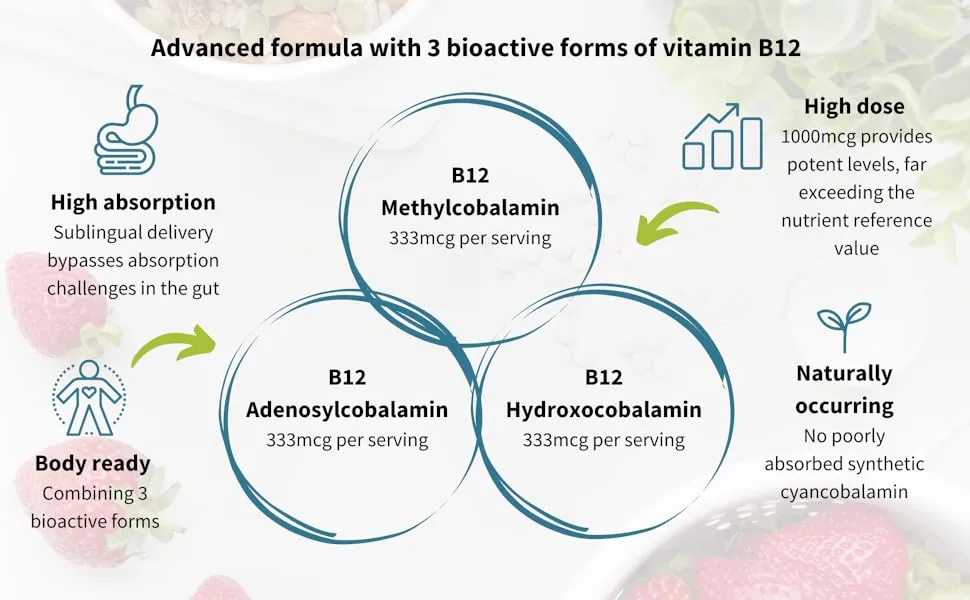
When comparing methylcobalamin powder to other forms of vitamin B12, several key differences emerge. The most common forms of B12 supplements include cyanocobalamin, hydroxocobalamin, and adenosylcobalamin, each with its own unique properties and potential benefits.
Cyanocobalamin is the most widely used form of B12 in supplements and fortified foods due to its stability and low cost. However, it is a synthetic form that requires conversion in the body to its active forms, including methylcobalamin. This conversion process can be less efficient in some individuals, particularly those with certain genetic variations or compromised liver function. In contrast, methylcobalamin powder is already in its active form, bypassing the need for conversion and potentially offering more immediate benefits.
Hydroxocobalamin is another form of B12 that is sometimes used in supplements and medical treatments. It has a longer half-life in the body compared to cyanocobalamin and may be particularly useful for individuals with cyanide toxicity. However, like cyanocobalamin, it still requires conversion to active forms such as methylcobalamin.
Adenosylcobalamin is another active form of B12 that plays a specific role in cellular energy production. While it has its own unique benefits, methylcobalamin is generally considered more versatile due to its involvement in a broader range of physiological processes, particularly those related to nervous system function and homocysteine metabolism.
Methylcobalamin powder offers several advantages over these other forms. Its direct bioavailability means that it can be more efficiently utilized by the body, potentially leading to faster and more noticeable results. This is particularly important for individuals with absorption issues or those who have difficulty converting other forms of B12 to its active state.
The powder form also allows for more precise dosing compared to pre-formulated tablets or capsules. This can be especially beneficial for healthcare practitioners who need to tailor B12 supplementation to individual patient needs. Additionally, the powder can be easily incorporated into sublingual or topical preparations, which may offer alternative routes of administration for those with digestive issues or poor oral absorption.
It's worth noting that while methylcobalamin powder offers many benefits, it may be more sensitive to light and heat compared to some other forms of B12. Proper storage and handling are essential to maintain its potency and effectiveness.
When choosing between different forms of B12, it's important to consider individual health status, genetic factors, and specific health goals. While methylcobalamin powder offers numerous advantages, some individuals may benefit from a combination of different B12 forms or may have specific reasons for choosing an alternative form. Consulting with a healthcare professional can help determine the most appropriate form and dosage of B12 supplementation for individual needs.
What are the potential side effects and precautions when using methylcobalamin powder?
While methylcobalamin powder is generally considered safe for most individuals, it's important to be aware of potential side effects and take necessary precautions when using this supplement. As with any nutritional supplement, individual responses can vary, and it's always advisable to consult with a healthcare professional before starting a new supplementation regimen.
One of the most significant advantages of methylcobalamin powder is that it typically has a lower risk of side effects compared to high-dose cyanocobalamin supplements. This is partly due to its better absorption and utilization by the body, which often allows for lower effective doses. However, some individuals may still experience mild side effects, particularly when starting supplementation or at higher doses.
Common side effects associated with methylcobalamin supplementation may include headaches, nausea, dizziness, and mild gastrointestinal discomfort. These symptoms are often transient and may resolve as the body adjusts to the supplement. In rare cases, some individuals may experience allergic reactions, which can manifest as itching, rash, or difficulty breathing. If any severe or persistent side effects occur, it's crucial to discontinue use and seek medical attention immediately.
It's worth noting that while vitamin B12 toxicity is rare due to its water-soluble nature, excessive intake of methylcobalamin can lead to certain issues. Very high doses may cause acne-like skin eruptions, increased blood clotting, and anxiety. Additionally, high levels of B12 can interfere with certain laboratory tests, potentially leading to false results. This underscores the importance of using methylcobalamin powder under proper guidance and avoiding excessive intake.
Certain groups of individuals should exercise particular caution when using methylcobalamin powder. Pregnant and breastfeeding women should consult their healthcare provider before using any B12 supplement, including methylcobalamin powder, to ensure it's safe and appropriate for their specific situation. While B12 is essential for fetal development and maternal health, the optimal dosage may vary depending on individual circumstances.
Individuals with certain medical conditions may need to use methylcobalamin powder with caution. Those with Leber's disease, a rare genetic condition affecting the optic nerve, should avoid B12 supplementation unless specifically recommended by their doctor, as it may increase the risk of severe optic atrophy. People with a history of certain cancers, particularly those affecting blood cells, should also consult their oncologist before using methylcobalamin powder, as B12 plays a role in cell division and growth.
Interactions with medications are another important consideration. Methylcobalamin may interact with certain drugs, including metformin, proton pump inhibitors, and anticonvulsants. These interactions can either reduce the absorption of B12 or affect the metabolism of the medications. Individuals taking any prescription medications should discuss potential interactions with their healthcare provider before starting methylcobalamin supplementation.
Proper storage and handling of methylcobalamin powder are crucial to maintain its potency and prevent contamination. The powder should be stored in a cool, dry place away from direct light and heat. It's important to use clean, dry utensils when measuring the powder and to reseal the container tightly after each use. Following proper hygiene practices when handling the powder can help prevent the introduction of moisture or contaminants that could affect its stability or safety.
Dosage is another critical factor to consider. While methylcobalamin powder offers flexibility in dosing, it's essential to follow recommended guidelines or the advice of a healthcare professional. The appropriate dose can vary widely depending on factors such as age, health status, and the reason for supplementation. Starting with a lower dose and gradually increasing it under professional guidance can help minimize the risk of side effects and ensure optimal benefits.
Lastly, it's important to remember that while methylcobalamin powder can be an effective way to address B12 deficiency or support overall health, it should not be used as a substitute for a balanced diet or medical treatment. Identifying and addressing the underlying causes of B12 deficiency, such as dietary insufficiency or malabsorption issues, is crucial for long-term health management.
By being aware of these potential side effects and taking necessary precautions, individuals can safely and effectively incorporate methylcobalamin powder into their health regimen, potentially reaping the numerous benefits associated with optimal B12 status.
Hongda Phytochemistry Co., Ltd. is distinguished by a comprehensive array of Certifications including FSSC, cGMP, BRC, ORGANIC (EU), ORGANIC (NOP), ISO22000, ISO9001, FDA, HALAL, KOSHER, and national recognition as a high-tech innovative enterprise. With over 30 years of experience in ingredient manufacturing, Shaanxi Hongda factory exemplifies professionalism and expertise.
Spanning 20,000 square meters, our state-of-the-art facility is equipped with advanced extraction equipment and boasts an SGS Certified laboratory, ensuring rigorous quality control and precise formulation capabilities. Operating 8 advanced production lines, we achieve a daily output of 10 tons and an annual capacity of 8000 metric tons.
Our products are supported by comprehensive testing reports and certifications. For further inquiries or interest in our offerings, please Contact Us at duke@hongdaherb.com. Hongda Phytochemistry Co., Ltd. stands ready to serve as your trusted Pure Methylcobalamin Powder Manufacturer.
References:
1. National Institutes of Health. (2022). Vitamin B12 Fact Sheet for Health Professionals. Office of Dietary Supplements.
2. Obeid, R., Fedosov, S. N., & Nexo, E. (2015). Cobalamin coenzyme forms are not likely to be superior to cyano- and hydroxyl-cobalamin in prevention or treatment of cobalamin deficiency. Molecular Nutrition & Food Research, 59(7), 1364-1372.
3. Thakkar, K., & Billa, G. (2015). Treatment of vitamin B12 deficiency–methylcobalamine? Cyancobalamine? Hydroxocobalamin?-clearing the confusion. European Journal of Clinical Nutrition, 69(1), 1-2.
4. Carmel, R. (2008). How I treat cobalamin (vitamin B12) deficiency. Blood, 112(6), 2214-2221.
5. Green, R., Allen, L. H., Bjørke-Monsen, A. L., Brito, A., Guéant, J. L., Miller, J. W., ... & Yajnik, C. (2017). Vitamin B12 deficiency. Nature Reviews Disease Primers, 3(1), 1-20.
6. Gherasim, C., Lofgren, M., & Banerjee, R. (2013). Navigating the B12 road: assimilation, delivery, and disorders of cobalamin. Journal of Biological Chemistry, 288(19), 13186-13193.
7. Yazaki, Y., Chow, G., & Mattie, M. (2006). A single-center double-blinded, randomized controlled study to evaluate the relative efficacy of sublingual and oral vitamin B-complex administration in reducing total serum homocysteine levels. The Journal of Alternative and Complementary Medicine, 12(9), 881-885.
8. Obeid, R., Heil, S. G., Verhoeven, M. M., van den Heuvel, E. G., de Groot, L. C., & Eussen, S. J. (2019). Vitamin B12 intake from animal foods, biomarkers, and health aspects. Frontiers in Nutrition, 6, 93.
9. Wolffenbuttel, B. H., Wouters, H. J., Heiner-Fokkema, M. R., & van der Klauw, M. M. (2020). The many faces of cobalamin (vitamin B12) deficiency. Mayo Clinic Proceedings: Innovations, Quality & Outcomes, 4(6), 611-624.
10. Rizzo, G., Laganà, A. S., Rapisarda, A. M., La Ferrera, G. M., Buscema, M., Rossetti, P., ... & Vitale, S. G. (2016). Vitamin B12 among vegetarians: status, assessment and supplementation. Nutrients, 8(12), 767.





YOU MAY LIKE