What are the Key Sourcing Considerations for Centella Asiatica Extract Powder?
2025-08-12 18:45:04
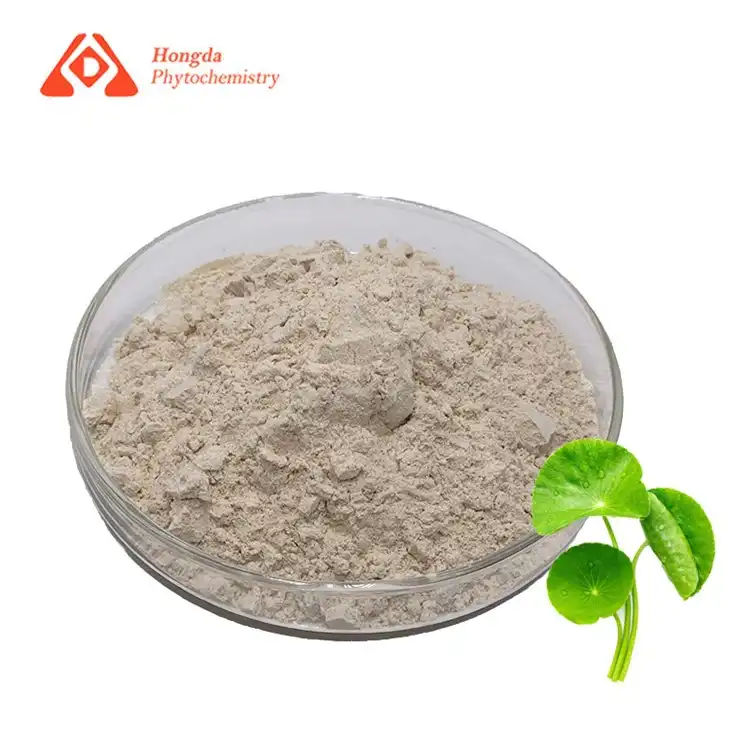
When it comes to sourcing high-quality botanical extracts for health, cosmetic, and pharmaceutical applications, Centella Asiatica Extract Powder stands out as a particularly valuable ingredient. As demand for this potent herbal extract continues to rise globally, manufacturers and product developers must carefully evaluate their sourcing strategies. Hongda Phytochemistry, a leading provider of botanical extracts, recognizes the importance of proper sourcing protocols. Shaanxi Hongda Phytochemistry Co., Ltd. has established itself as an industry leader by implementing rigorous quality control measures throughout the sourcing and manufacturing process of Centella Asiatica Extract Powder.
What Factors Determine the Quality of Centella Asiatica Extract Powder?
Origin and Cultivation Practices
The quality of Centella Asiatica Extract Powder begins with the plant's origins. Centella asiatica thrives in tropical and subtropical regions, particularly in countries like India, Madagascar, China, and Southeast Asian nations. The geographical location significantly impacts the plant's bioactive compound profile. Plants grown in optimal climatic conditions with suitable soil composition typically yield extracts with higher concentrations of triterpenes, including asiaticoside, madecassoside, asiatic acid, and madecassic acid – the key bioactive compounds responsible for the extract's beneficial properties.
Cultivation practices also play a crucial role in determining extract quality. Organically grown Centella asiatica, free from pesticides and chemical fertilizers, produces cleaner extract powder with minimal contamination. When sourcing Centella Asiatica Extract Powder, buyers should request information about cultivation methods and growth conditions. Leading china centella asiatica extract powder manufacturers implement traceability systems to document the entire journey from farm to final product, ensuring transparency and quality assurance for their clients.
Extraction Methods and Processing Techniques
The extraction method significantly impacts the potency and efficacy of Centella Asiatica Extract Powder. Several extraction techniques exist, including water extraction, alcohol extraction, supercritical CO2 extraction, and solvent extraction. Each method yields different concentrations of active compounds and overall extract profiles. For instance, water extraction produces a gentler extract with a different compound profile compared to alcohol extraction, which typically results in higher concentrations of certain bioactive compounds.
Reputable centella asiatica extract powder suppliers employ validated extraction protocols optimized to preserve the plant's beneficial properties while eliminating unwanted substances. The processing temperature, extraction duration, solvent-to-herb ratio, and post-extraction handling all affect the final product quality. Manufacturers should provide detailed documentation of their extraction methods, including validation studies demonstrating the consistency and efficacy of their processes. China gotu kola powder manufacturers often differentiate themselves through proprietary extraction methods that maximize bioactive compound preservation while ensuring product stability and shelf life.
Standardization and Active Compound Concentration
Standardization is perhaps the most critical factor determining the commercial value and therapeutic efficacy of Centella Asiatica Extract Powder. This process ensures consistent levels of key bioactive compounds across different production batches. Professional china centella asiatica extract powder factory operations typically standardize their extracts to contain specific percentages of triterpenes, particularly asiaticoside and madecassoside, which are considered the primary active components.
When evaluating extract powders, buyers should review the Certificate of Analysis (CoA) to verify active compound concentrations. Standardized extracts may range from 10% to 90% total triterpenes, with higher concentrations commanding premium prices. The standardization method should be validated using appropriate analytical techniques such as HPLC or spectrophotometry. Premium wholesale centella asiatica extract powder products often undergo multiple testing phases to confirm compound concentrations and ensure batch-to-batch consistency, making them reliable ingredients for product formulation.
How Can You Verify the Purity and Safety of Centella Asiatica Extract Powder?
Contaminant Testing Protocols
Ensuring the purity of Centella Asiatica Extract Powder requires comprehensive testing for various potential contaminants. China centella asiatica extract powder that meets international standards undergoes rigorous testing for heavy metals, including lead, arsenic, cadmium, and mercury. These elements can accumulate in plants through soil contamination and pose serious health risks if present in the final extract. Reputable centella asiatica extract powder manufacturers implement strict limits that often exceed regulatory requirements, typically adhering to standards set by organizations like the United States Pharmacopeia (USP) or European Pharmacopoeia.
Microbial contamination represents another critical safety concern. Quality suppliers conduct tests for total plate count, yeast and mold, E. coli, Salmonella, and other pathogenic microorganisms. Additionally, pesticide residue testing has become increasingly important as agricultural practices evolve. Comprehensive screenings can detect hundreds of potential pesticide residues to ensure extract purity. China gotu kola extract powder manufacturers with advanced quality control systems maintain detailed documentation of all contaminant testing and make this information available to buyers as part of their transparency practices.
Third-Party Certification and Quality Assurance
Third-party Certifications provide objective verification of Centella Asiatica Extract Powder quality and manufacturing practices. These certifications come from independent organizations that audit manufacturing facilities, review documentation, and test products against established standards. Common certifications include GMP (Good Manufacturing Practices), ISO (International Organization for Standardization), HACCP (Hazard Analysis Critical Control Point), and organic certifications from various national and international bodies.
When sourcing from centella asiatica extract powder factory facilities, buyers should verify that the manufacturer maintains relevant certifications specific to herbal extract production. These certifications demonstrate the manufacturer's commitment to quality and compliance with industry standards. Third-party testing further validates product specifications, providing an unbiased assessment of extract quality. Wholesale madecassoside powder suppliers with comprehensive certification portfolios typically represent lower compliance risks and higher quality assurance levels, making them preferred partners for product developers seeking reliable ingredients.
Documentation and Traceability Systems
Complete documentation and robust traceability systems form the backbone of quality assurance for Centella Asiatica Extract Powder. A comprehensive documentation package should include specifications, Certificates of Analysis (CoA), Material Safety Data Sheets (MSDS), allergen statements, and processing information. These documents provide critical information about the extract's identity, purity, strength, composition, and manufacturing processes.
Traceability systems track the extract powder from raw material sourcing through processing and delivery, creating an unbroken chain of documentation. This capability becomes particularly important when quality issues arise, allowing for rapid identification of potential causes and affected batches. Advanced centella asiatica powder suppliers implement electronic traceability systems with batch coding that enables instant access to all relevant information for each production run. When evaluating potential suppliers, buyers should assess the comprehensiveness of documentation and the sophistication of traceability systems as key indicators of overall quality management.
What Supply Chain Considerations Impact Centella Asiatica Extract Powder Procurement?
Sustainability and Ethical Sourcing Practices
The sustainability of Centella Asiatica Extract Powder sourcing has emerged as a critical consideration for environmentally conscious brands. With increasing demand for this botanical, wild harvesting practices have raised concerns about species conservation and ecosystem impact. Forward-thinking centella asiatica extract powder for sale providers implement sustainable harvesting protocols or establish cultivated sources to ensure long-term availability without environmental degradation. These practices may include controlled harvesting schedules, habitat conservation efforts, and reforestation initiatives.
Ethical sourcing extends beyond environmental concerns to encompass fair labor practices and community benefits. Responsible China gotu kola powder manufacturers engage in fair trade practices that provide equitable compensation to farmers and harvesters. They may also invest in local communities through education, healthcare, or infrastructure development. For brands committed to corporate social responsibility, partnering with suppliers who demonstrate ethical sourcing practices aligns with brand values and resonates with increasingly conscientious consumers. Documentation of these practices, including sustainability certifications and impact reports, provides tangible evidence of a supplier's commitment to responsible sourcing.
Supply Chain Reliability and Consistency
Consistent availability of Centella Asiatica Extract Powder represents a critical factor for product manufacturers who rely on steady ingredient supplies to maintain production schedules. Agricultural products inherently face supply challenges due to seasonal variations, weather events, and changing growing conditions. Wholesale centella asiatica extract powder suppliers with sophisticated supply chain management implement strategies to mitigate these challenges, including maintaining strategic inventory reserves, diversifying sourcing regions, and developing long-term relationships with multiple growers.
Consistency extends beyond mere availability to encompass extract quality and specifications. Manufacturers depend on ingredients that maintain consistent properties batch after batch to ensure their finished products perform as expected. Leading china centella asiatica extract powder factory operations invest in advanced quality control systems that monitor critical parameters throughout production, ensuring minimal variation between batches. When evaluating potential suppliers, buyers should inquire about contingency plans for supply disruptions, inventory management practices, and quality consistency measures to assess overall supply chain reliability.
Regulatory Compliance and Import Considerations
Navigating the complex regulatory landscape for botanical extracts requires specialized knowledge and robust compliance systems. Centella Asiatica Extract Powder must comply with regulations in both the country of manufacture and the destination market. Requirements may include proper labeling, accurate documentation, compliance with pesticide and contaminant limits, and adherence to good manufacturing practices. Reliable centella asiatica extract powder manufacturers maintain regulatory affairs departments that stay current with evolving requirements across major markets.
Import considerations introduce additional complexity, particularly for cross-border transactions. Customs procedures, import duties, documentation requirements, and shipping regulations all impact the total cost and timeline for procurement. Experienced china gotu kola extract powder manufacturers facilitate the import process by providing complete and accurate documentation, adhering to proper Packaging and labeling requirements, and offering guidance on regulatory compliance. By selecting suppliers with demonstrated expertise in international shipping and regulatory compliance, buyers can minimize delays, avoid compliance issues, and ensure smooth integration of Centella Asiatica Extract Powder into their supply chains.
Conclusion
Sourcing high-quality Centella Asiatica Extract Powder requires careful consideration of multiple factors, from cultivation practices and extraction methods to standardization, purity, and supply chain reliability. By partnering with reputable suppliers who demonstrate commitment to quality, transparency, and compliance, manufacturers can secure this valuable botanical ingredient for their formulations. Hongda Phytochemistry Co., Ltd. is a trusted ingredient manufacturer with over 30 years in the industry. Our 20,000㎡ factory operates 8 advanced production lines with a capacity of 8,000 tons annually. We hold numerous certifications, including FSSC, cGMP, BRC, and ISO22000. We provide OEM/ODM processing, custom packaging, and free samples. Our R&D focuses on plant sterols, natural vitamins, and microcapsules. We're active in global Exhibitions and collaborate with universities for cutting-edge research. For more details, reach out to duke@hongdaherb.com.
References
1.Singh S, Gautam A, Sharma A, Batra A. "Centella asiatica (L.): A plant with immense medicinal potential but threatened." International Journal of Pharmaceutical Sciences Review and Research. 2010;4(2):9-17.
2.Gray NE, Morré J, Kelley J, et al. "Caffeoylquinic acids in Centella asiatica protect against amyloid-β toxicity." Journal of Alzheimer's Disease. 2014;40(3):695-705.
3.Bylka W, Znajdek-Awiżeń P, Studzińska-Sroka E, Brzezińska M. "Centella asiatica in cosmetology." Postepy Dermatologii i Alergologii. 2013;30(1):46-49.
4.James JT, Dubery IA. "Pentacyclic triterpenoids from the medicinal herb, Centella asiatica (L.) Urban." Molecules. 2009;14(10):3922-3941.
5.Hashim P, Sidek H, Helan MH, Sabery A, Palanisamy UD, Ilham M. "Triterpene composition and bioactivities of Centella asiatica." Molecules. 2011;16(2):1310-1322.
6.Chandrika UG, Kumara PA. "Gotu kola (Centella asiatica): Nutritional properties and plausible health benefits." Advances in Food and Nutrition Research. 2015;76:125-157.