What Is Lion's Mane Mushroom Powder?
2025-08-27 15:20:45
Lion's mane mushroom powder is a supplement made from the finely ground fruiting bodies and mycelium of Hericium erinaceus mushrooms. Also known as yamabushitake, this unique mushroom has a long history of use in traditional Chinese and Japanese medicine. In recent years, lion's mane mushroom powder has grown in popularity in the West as a health supplement purported to offer a variety of benefits.
With its long, cascading tendrils resembling a lion's mane, this mushroom has an eye-catching appearance. But beyond the visual appeal, an increasing body of research suggests that lion's mane mushroom powder may have some powerful effects on health, especially for brain, nervous system, digestive, and immune function. Let's explore what lion's mane mushroom powder is, its nutritional content, and the science behind its diverse therapeutic potential.
What is Lion's Mane Mushroom Powder?
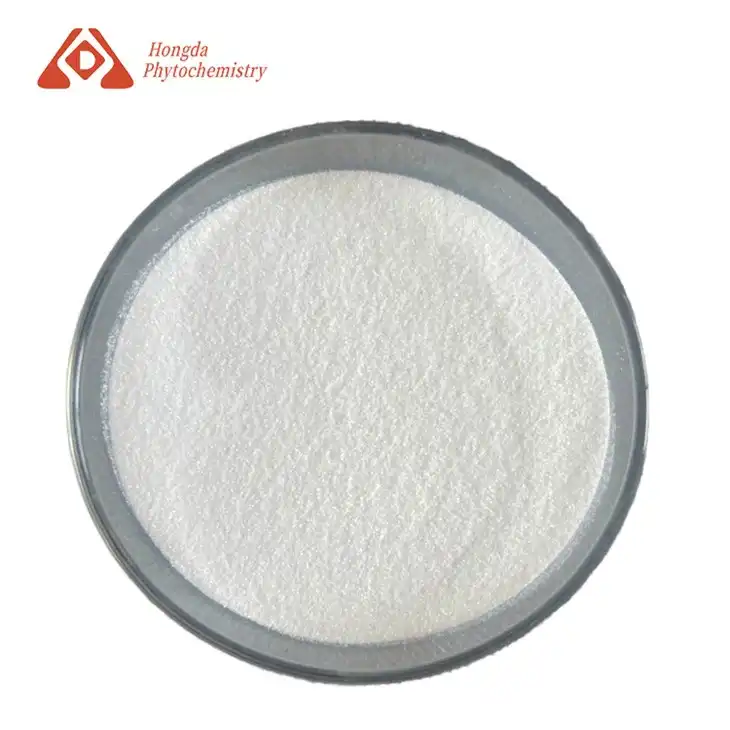
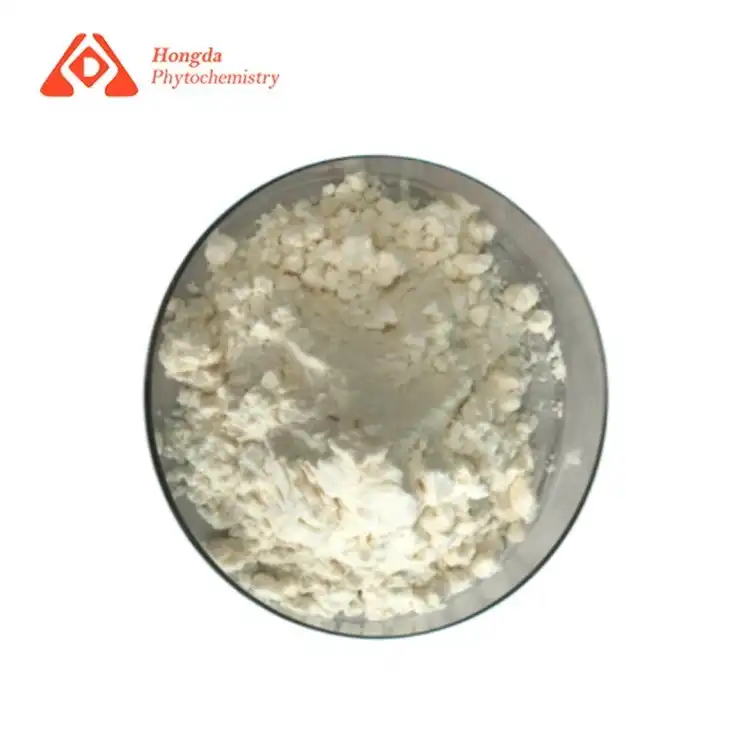
Lion's mane mushroom powder is simply lion's mane mushrooms that have been dried and finely ground into a powdered form. This allows for easy incorporation into capsules, teas, coffee, smoothies, and recipes. The mushrooms can be hot air dried, freeze dried, or sun dried to retain as many of their beneficial compounds as possible.
Lion's mane mushrooms contain bioactive compounds such as hericenones, erinacines, polysaccharides, and other nutrients that may be responsible for their purported health benefits. When the mushrooms are powdered, these compounds become concentrated, making lion's mane mushroom powder a nutritious supplement.
The fruiting bodies extending from the white mycelium base are most often used to produce lion's mane mushroom powder. However, some supplements utilize the submerged root-like mycelium or a dual extract of mycelium and fruiting bodies to provide a full spectrum of the mushroom's nutrients.

Nutritional Content of Lion's Mane Mushroom Powder
In addition to unique compounds like hericenones and erinacines, lion's mane mushroom powder contains an array of vitamins, minerals, antioxidants, and amino acids.
Some of the key micronutrients found in lion's mane mushrooms include vitamin D, the B vitamins thiamin and riboflavin, and essential minerals like potassium, zinc, iron, and selenium. Lion's mane mushrooms also provide antioxidants like phenols and flavonoids that help combat free radical damage.
The dense nutrition packed into lion's mane mushrooms becomes concentrated as the mushrooms are dried and powdered. Even a small amount of supplement can provide a megadose of nutrients to support overall well-being.
Cognitive Benefits and Brain Health
One of the most promising applications of lion's mane mushroom is its potential to support cognitive function and brain health. Both animal research and human clinical studies indicate that lion's mane mushrooms contain compounds that can stimulate growth and repair in the brain and nervous system.
The unique components hericenones and erinacines found in lion's mane mushroom powder mimic the functions of the nerve growth factors NGF and BDNF. By increasing levels of NGF and BDNF in the brain, lion's mane may help stimulate neural regeneration. This could have major implications for supporting cognition in older adults or those with neurological diseases.
Human research demonstrates lion's mane mushroom's potential to improve mild cognitive impairment, increase concentration and focus, and support overall brain health. More studies are still needed, but current research is promising.

Anti-Inflammatory and Immune-Supporting Properties
Chronic inflammation is at the root of most modern diseases. Lion's mane mushroom powder shows potential for reducing inflammation and balancing the immune system partly due to its rich concentration of polysaccharides.
Beta-glucans and other polysaccharides found in lion's mane mushrooms may help regulate the immune system. This includes stimulating protective immune activity when needed but also reducing excessive inflammation.
By lowering inflammatory biomarkers like cytokines, lion's mane supplementation may help mediate inflammatory conditions and autoimmune disorders. The immune-modulating effects of lion's mane mushroom powder make it a helpful supplement for supporting whole body health.
Potential Benefits for Digestive Health
Traditional medicine has long used lion's mane mushrooms to support digestive issues like gastric ulcers. Lion's mane powder shows potential as a therapeutic supplement to improve many aspects of digestive function for modern digestive problems as well.
The polysaccharides extracted from lion's mane mushrooms have been found to protect the gut lining, help regenerate tissues, and reduce ulceration in rodent studies. Lion's mane powder may help heal ulcers and lesions caused by H. pylori bacteria or NSAID use.
Lion's mane mushroom powder also shows promise for reducing inflammation in colitis and inflammatory bowel disease. By balancing gut flora, lion's mane may also relieve constipation, improve digestion, and support overall GI functioning.
Potential Antioxidant Effects
Much of lion's mane mushroom powder's therapeutic potential comes from its concentration of antioxidant compounds. Lion's mane contains phenols, flavonoids, polysaccharides, peptides, and other substances that scavenge harmful free radicals and oxidative stress in the body.
The potent antioxidants in lion's mane mushrooms work to neutralize free radicals that would otherwise damage healthy cells and cause chronic disease over time. By taking lion's mane powder regularly, it may be possible to reduce oxidative stress for better overall functioning.
The antioxidant activity in lion's mane mushrooms gives it anti-aging activity as well. Reducing oxidative damage to cells and tissues slows the aging process and lowers the risk of age-related chronic illness. More human research is still needed, but the antioxidant effects of lion's mane powder show promise.
Culinary Uses of Lion's Mane Mushroom Powder
In addition to being used in capsules and extracts for supplementation, lion's mane mushroom powder can add a nutritional boost to many dishes. Getting creative with lion's mane powder in the kitchen can help you reap the functional mushroom's diverse benefits.
Lion's mane has a very neutral flavor profile, making it adaptable for both savory and sweet recipes. For savory dishes, lion's mane powder can be blended into soups, stews, sauces, gravies, dressings, dips, and more to increase nutritional content without impacting taste.
Lion's mane powder can also be whisked into smoothies, blended into coffee drinks, or sprinkled onto desserts like yogurt bowls and chia puddings for extra nutrition with a hint of texture. Dairy-free recipes like nice cream and chia pudding make good vehicles for lion's mane powder.
For meals on the go, lion's mane powder can easily be stirred into portable items like overnight oats, muffins, energy bites, and protein bars. There are endless ways to cook and bake with lion's mane mushroom powder!
Precautions and Potential Allergies
While lion's mane mushroom powder may offer many benefits, it is always wise to exercise some caution with new supplements. Always speak to your doctor before taking lion's mane mushroom powder or any other supplement.
While quite rare, allergies to mushrooms do exist. Discontinue use if any signs of allergic reaction occur. Lion's mane mushrooms are not recommended for pregnant or breastfeeding women since research is lacking on potential effects.
Due to potential immune effects, people with autoimmune conditions should exercise caution with lion's mane mushroom powder. Starting with a low dose and consulting a doctor is advised.
Lion's mane mushroom powder may interact with medications like diabetes drugs, blood thinners, immunosuppressants, and antidepressants. Check for interactions with any prescribed medications before using lion's mane supplements.
As with any functional food or supplement, moderation is key. Follow dosage recommendations and purchase high-quality lion's mane mushroom powder from reputable sources for maximum safety and benefit.
The Bottom Line
With centuries of traditional use and a growing body of scientific research, lion's mane mushroom shows potential as a therapeutic food and supplement. Lion's mane mushroom powder provides a concentrated form of the mushroom's bioactive nutrients.
The unique compounds hericenones, erinacines, and polysaccharides give lion's mane mushrooms neuroprotective, antioxidant, anti-inflammatory, immune-boosting, and digestive benefits. By using lion's mane mushroom powder in capsules, extracts, teas, and recipes, it may be possible to reap these advantages.
Always consult a doctor before trying supplements like lion's mane mushroom powder. But when used properly, lion's mane mushroom powder is a nutrient-dense functional food that may support whole body health and wellness in a variety of ways.
Hongda Phytochemistry Co., Ltd. is a renowned ingredients manufacturer with over 30 years of experience in the field. We take pride in our Certifications, including cGMP, BRC, ORGANIC (EU), ORGANIC (NOP), ISO22000, ISO9001, FDA, HALAL, KOSHER, and national certification of high-tech innovative enterprises. Our commitment to quality and safety is evident in every aspect of our operations. Situated in Shaanxi province, our state-of-the-art factory spans an impressive 20,000 square meters. Equipped with advanced extraction equipment and boasting our very own SGS-certified laboratory, we ensure the highest standards of excellence throughout our production process. At Hongda Phytochemistry, efficiency is paramount. With six advanced production lines operating simultaneously, we have a daily output of ten tons, resulting in an annual yield of several thousand tons. This level of productivity allows us to meet the demands of our diverse clientele without compromising on quality.
Should you require further information about our Lion's Mane Mushroom Extract Powder or any other inquiries, please don't hesitate to contact our team at duke@hongdaherb.com. Our knowledgeable professionals are dedicated to providing you with comprehensive answers based on their expertise.
References:
Lai, P.-L., Naidu, M., Sabaratnam, V., Wong, K.-H., David, R. P., Kuppusamy, U. R., Abdullah, N., & Malek, S. N. A. (2013). Neurotrophic properties of the Lion's mane medicinal mushroom, Hericium erinaceus (Higher Basidiomycetes) from Malaysia. International Journal of Medicinal Mushrooms, 15(6).
Nagano, M., Shimizu, K., Kondo, R., Hayashi, C., Sato, D., Kitagawa, K., & Ohnuki, K. (2010). Reduction of depression and anxiety by 4 weeks Hericium erinaceus intake. Biomedical Research, 31(4), 231-237.
Mori, K., Inatomi, S., Ouchi, K., Azumi, Y., & Tuchida, T. (2009). Improving effects of the mushroom Yamabushitake (Hericium erinaceus) on mild cognitive impairment: a double-blind placebo-controlled clinical trial. Phytotherapy Research, 23(3), 367-372.
Friedman, M. (2015). Chemistry, nutrition, and health-promoting properties of Hericium erinaceus (Lion's Mane) mushroom fruiting bodies and mycelia and their bioactive compounds. Journal of agricultural and food chemistry, 63(32), 7108-7123.
Wong, J. Y., Abdulla, M. A., Raman, J., Phan, C. W., Kuppusamy, U. R., Golbabapour, S., & Sabaratnam, V. (2015). Gastroprotective Effects of Lion's Mane Mushroom Hericium erinaceus (Bull.: Fr.) Pers. (Aphyllophoromycetideae) Extract against Ethanol-Induced Ulcer in Rats. Evidence-Based Complementary and Alternative Medicine, 2015, 1-7.
Sullivan, R., Smith, J. E., & Rowan, N. J. (2006). Medicinal mushrooms and cancer therapy: translating a traditional practice into Western medicine. Perspectives in biology and medicine, 49(2), 159-170.
Diling, C., Chaoqun, Z., Jian, Y., Xing, Z., Jun, C., Yizhen, X., & Fang, H. (2017). Extracts from Hericium erinaceus relieve inflammatory bowel disease by regulating immunity and gut microbiota. Oncotarget, 8(49), 85838.
Jayachandran, M., Xiao, J., & Xu, B. (2017). A critical review on health promoting benefits of edible mushrooms through gut microbiota. International journal of molecular sciences, 18(9), 1934.





YOU MAY LIKE