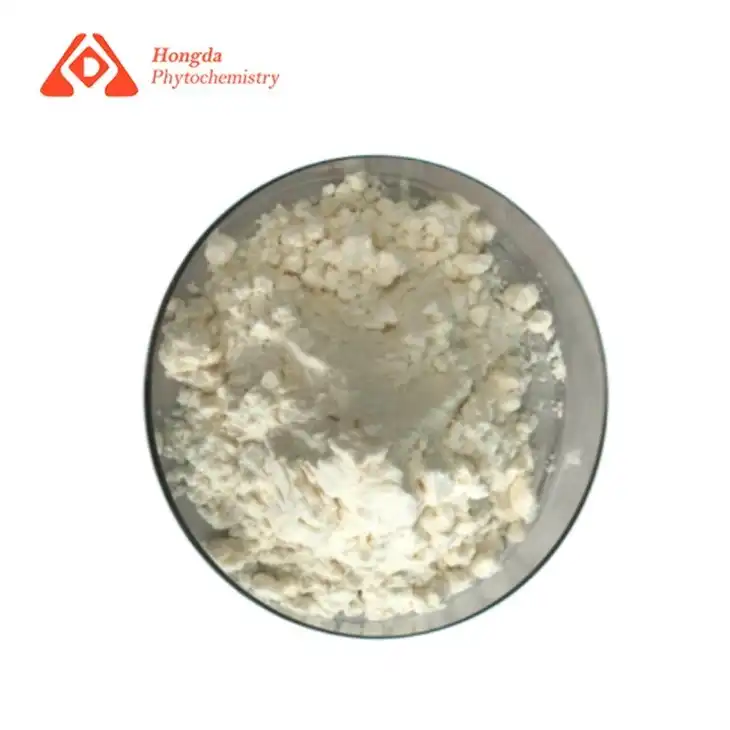


Vitamin A Palmitate Powder





Cas No.: 79-81-2
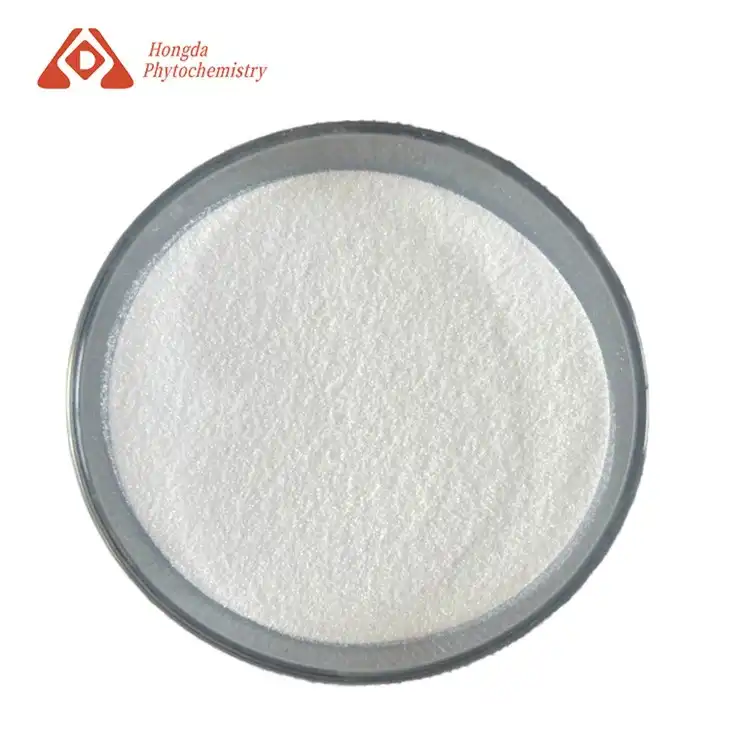
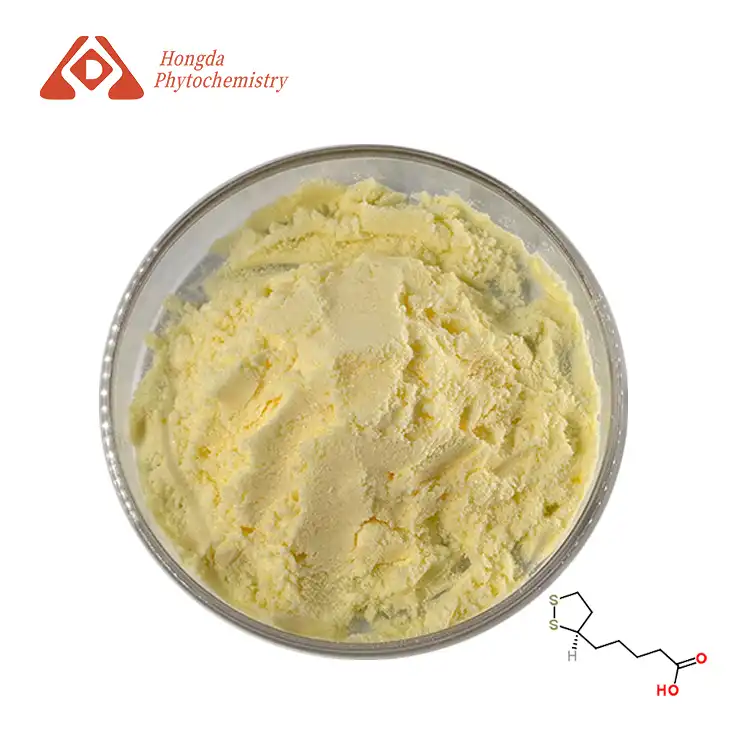
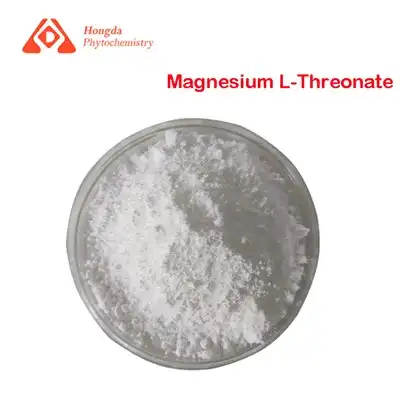
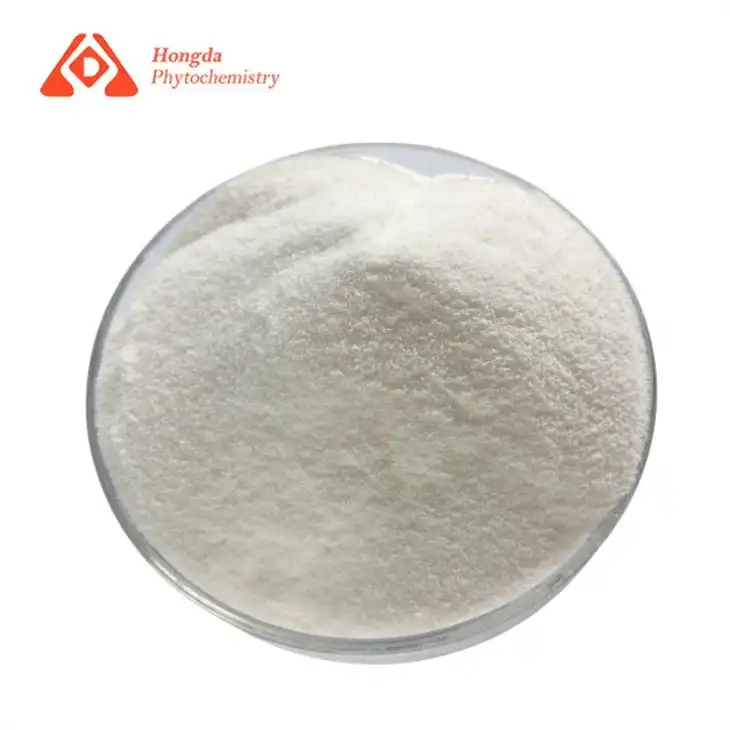
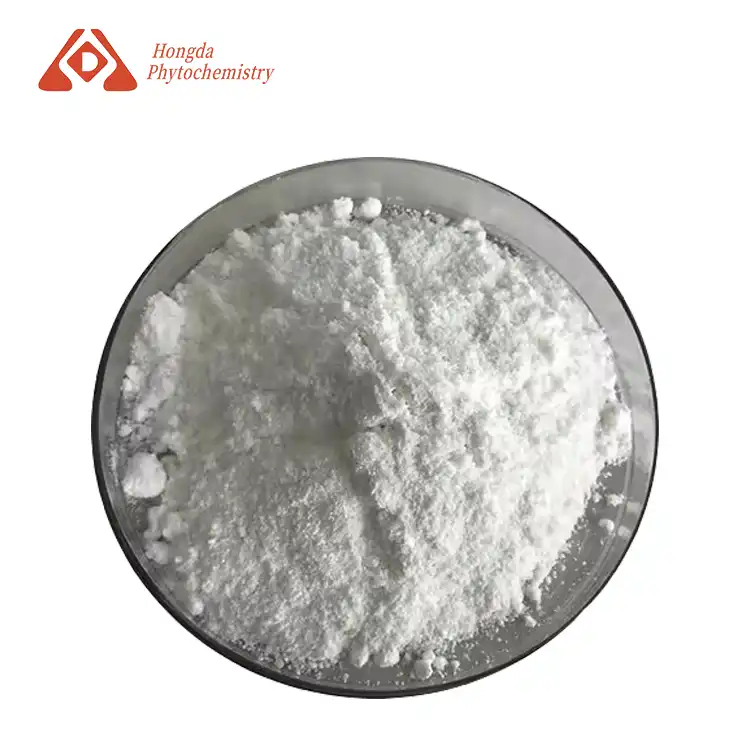
Appearance:light yellow crystal powder
Lead time: 3-7 Working Days
Package: 25kg/drum, 27 drums/tray
Main Market: European, North America, Asia etc.
Certification: Kosher, Halal, BRC, Organic, ISO9001, ISO22000, etc
Vitamin A Palmitate Powder – Stabilized Retinyl Palmitate Powder for Nutraceutical and Food Fortification
Vitamin A Palmitate Powder at 98% standard (CAS No. 79-81-2) is sold by Shaanxi Hongda Phytochemistry Co., Ltd. It comes in the form of a light yellow solid powder. Each batch is tested by our in-house SGS-standard laboratory as well as third-party agencies like SGS and Eurofins. The products are made in a 20,000 m² facility with 100,000-level purification workshops and an annual output of 3,000 tonnes. We offer a reliable supply with a lead time of 3–7 working days and 25 kg/drum Packaging. We are certified to Kosher, Halal, BRC, ISO9001, ISO22000, cGMP, and FSSC22000 standards. From one source, you get constant strength, stable shelf life, and proof that the product can be tracked.

Product Introduction
An ester of retinol and palmitic acid, Vitamin A Palmitate Powder is a stable, dry form of Retinyl Palmitate. It is hard to use pure vitamin A in solid forms because it breaks down quickly when exposed to light, heat, and oxygen.
Use of microencapsulation or spray-drying technology in this powder form solves that issue. Within the active molecule, there is a protective matrix made of modified starch, gum arabic, or gelatin that keeps it from oxidising.
It makes a solid that doesn't stick together and has evenly distributed particles (40–80 mesh). It also keeps its strength well and gives you accurate dosages every time you make a batch.
Product Specification
|
Item
|
Specification
|
Test result
|
|
Physical Contro
|
||
|
Appearance
|
light yellow powder to off-white powder
|
Conforms
|
|
Odor
|
Characteristic
|
Conforms
|
|
Taste
|
Characteristic
|
Conforms
|
|
Content
|
99%
|
Conforms
|
|
Loss on Drying
|
≤5.0%
|
Conforms
|
|
Ash
|
≤5.0%
|
Conforms
|
|
Particle size
|
95% pass 80 mesh
|
Conforms
|
|
Allergens
|
None
|
Conforms
|
|
Chemical Control
|
||
|
Heavy metals
|
NMT 10ppm
|
Conforms
|
|
Arsenic
|
NMT 2ppm
|
Conforms
|
|
Lead
|
NMT 2ppm
|
Conforms
|
|
Cadmium
|
NMT 2ppm
|
Conforms
|
|
Mercury
|
NMT 2ppm
|
Conforms
|
|
GMO Status
|
GMO Free
|
Conforms
|
|
Microbiological Control
|
||
|
Total Plate Count
|
10,000cfu/g Max
|
Conforms
|
|
Yeast & Mold
|
1,000cfu/g Max
|
Conforms
|
|
E.Coli
|
Negative
|
Negative
|
|
Salmonella
|
Negative
|
Negative
|
Third-Party Test Report
Before it is sent out, every production batch is tested. HPLC, UV spectrophotometry, and GC are used by our in-house quality control team to do physical, chemical, heavy metal, and microbial tests.
For independent checks, we also work with SGS and Eurofins, two authorised outside labs. The tests check for pesticide residue, nutrition labels, reports on natural origin, certain optical rotation, and other factors you can ask for.
Each batch has a full record of how it was made. Before you place an order, you can ask for test documentation.
COA (Certificate of Analysis)
|
Test Item
|
Standard
|
Method
|
|
Appearance
|
Light yellow crystalline powder
|
Visual
|
|
Assay (Potency)
|
≥ 98%
|
HPLC
|
|
Particle Size
|
40–80 mesh
|
Sieve Analysis
|
|
Moisture
|
≤ 5.0%
|
Loss on Drying
|
|
Heavy Metals (Pb)
|
≤ 2 ppm
|
AAS
|
|
Arsenic
|
≤ 1 ppm
|
AAS
|
|
Peroxide Value
|
Within specification
|
Titration
|
|
Total Plate Count
|
≤ 1000 CFU/g
|
Standard Plate
|
|
Yeast & Mold
|
≤ 100 CFU/g
|
Standard Plate
|
|
Salmonella
|
Negative/25g
|
Standard Method
|
Vitamin A Palmitate Powder Advantages
Fixed the current form.It keeps the all-trans-retinol structure from changing into cis-isomers that are less effective because of the capsule matrix. Antioxidants like dl-alpha-tocopherol and BHT are added to keep the product's effectiveness for a longer time.
There are two grades for different uses.It's easy for the 250 CWD grade to spread out in water-based systems like milk powders and drinks. For tablet compression and oil-based premixes, the 500 Beadlet grade is better because it has more potency and mechanical resistance.
consistent doses for each batch.When particle size is controlled (40–80 mesh), too-fine particles don't dust and too-large particles don't get separated. Each pill or scoop has the same amount of active ingredient.
Processing strength.The cross-linked surface technology gives the beadlets strength against compression forces when they are being pressed into tablets and heat stress when they are being extruded or mixed.
There are choices for vegans.Standard grades have gelatin matrices; if your product is aimed at vegan or vegetarian customers, you can get plant-based versions that use modified food starch or gum arabic.

Our Vitamin Product
30 years vitamin product factory

vitamin B6 powder

Vitamin B9 powder

vitamin E

vitamin D3 powder

vitamin B12 powder

Vitamin U powder

Vitamin C powder

vitamin K1 powder
Vitamin A Palmitate Powder Application
A lot of different types of business-to-business products use this retinyl palmitate powder, such as:
Dietary supplements: multivitamin pills, softgels, and capsules that need exact IU doses per unit
For infant formula and clinical nutrition, it is important that the vitamin A levels stay the same, so dry powder blends are used.
Food fortification premixes: adding sugar to cereal, flour, and milk powder when it's important for the sugar to mix well with the other ingredients and not separate.
For functional drinks (dry mix), CWD grades mix well in sachet or ready-to-mix drink mixes.
Animal nutrition: adding to premix food when steady vitamin A levels need to be reached through pelleting
When making the formula, add 10–15% more than what is needed to account for processing losses caused by heat or mechanical stress and to make sure the label claim is still valid at the end of the shelf life.
Production Process
First, raw retinyl palmitate is mixed with an antioxidant-protected oil phase. The encapsulation wall material, which can be modified starch, gum arabic, or gelatin, is then mixed with this solution in a controlled temperature and shear environment.
Our 100,000-level cleaning workshops use spray-drying or microencapsulation tools to clean the emulsion. As the droplets dry out, they turn into spherical particles with a surface that is cross-linked.
The powder is dried, then sieved to a certain range of particle sizes (40–80 mesh), mixed to make sure that each batch is the same, and checked by both in-house and outside labs before being put into double-layer PE bags inside fibre drums.

Why Choose Us?
Established in 2001, this company has 10 or more production lines and makes 3,000 tonnes of goods every year.
Our company has an SGS-approved lab with HPLC, GC, UV, and AAS tools for checking whole batches.
Compliance with multiple Certifications, including cGMP, FSSC22000, ISO9001, ISO22000, Kosher, Halal, BRC, and organic (EU and NOP).
Third-party checked: SGS and Eurofins tests can be done upon request
Traceable supply chain: professional agronomists work with raw material planting bases to keep track of where ingredients come from.
Flexible customisation: OEM/ODM product development based on your needs
Reliable delivery: 3–7 working day lead time, 3,000 m² warehouse, and enough stock

Product Package

Our Factory

OEM / ODM Support
An R&D team of more than 20 experts at Shaanxi Hongda can come up with formulas for the type of product you want to sell. We can help with soft capsules, hard capsules, pills, quick powders, and powders that have already been mixed.
Certain strength levels (250,000 IU/g or 500,000 IU/g), vegan or standard encapsulation matrices, particle size changes, and custom blend compositions can all be asked for. As long as you follow OEM terms, you can add your own brand label to the packaging.
Our team can talk to you directly about minimum order quantities and sample arrangements. You can get sample packing in 20–100 g amounts, with PE bags inside and aluminium foil bags on the outside.

Our Exhibitions

Delivery Methods

FAQ
Q1: Is there a difference between the 250 CWD grade and the 500 Beadlet grade?
A: This grade, 250 CWD, is made for water-based products like milk powders and drinks because it dissolves easily in water. The 500 Beadlet grade is stronger and can be used to make dry tablets or premixes with oil.
Q2: When making the formula, how much extra should be added?
A: Experts say that there should be a 10–15% overage to account for strength loss due to processing stress (heat, compression) and to make sure that the label claim stays true for the whole shelf life of the product.
Q3: Is there a veggie version?
A: Absolutely. For oxygen barrier function, standard grades use gelatin from either bovine or pig sources. For goods aimed at vegans, there are plant-based versions that use modified food starch or gum arabic.
Q4: What are the necessary conditions for storage?
A: Store below 15°C in a dry, low-humidity area in the original, tightly sealed aluminum-lined packaging. Once opened, put the lid back on right away or use the product right away, because water breaks the capsule matrix and speeds up degradation.
Q5: Why does the powder show a yellow or orange color?
A: A slight yellow tint is natural and shows how much retinol is in the skin. A sharp smell and a deep orange colour may be signs of oxidation. Check the batch for peroxide value before using it if this happens.
Q6: Can this powder be used in mixtures with oil?
A: It is possible, but the liquid oil type of retinyl palmitate works better with oil-based devices in general. This powder form is made to work with dry mixes, premixes, and water-based dispersions.
Contact Us
Ready to request a sample or discuss your formulation needs with Vitamin A Palmitate Powder? Contact Us at duke@hongdaherb.com.
YOU MAY LIKE