What is Indole-3-Carbinol Good For?
2025-08-15 16:44:13
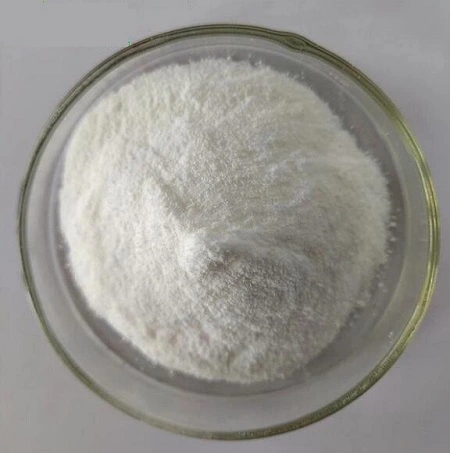
Indole-3-carbinol (I3C) is a naturally occurring compound found in cruciferous vegetables such as broccoli, cauliflower, and Brussels sprouts. This powerful phytochemical has gained significant attention in recent years due to its potential health benefits. As a precursor to diindolylmethane (DIM), I3C plays a crucial role in various physiological processes within the body. From supporting hormone balance to potentially aiding in cancer prevention, indole-3-carbinol has become a subject of interest for both researchers and health enthusiasts alike. In this article, we'll explore the various benefits of indole-3-carbinol and its potential applications in promoting overall health and well-being.
How Does Indole-3-Carbinol Support Hormone Balance?
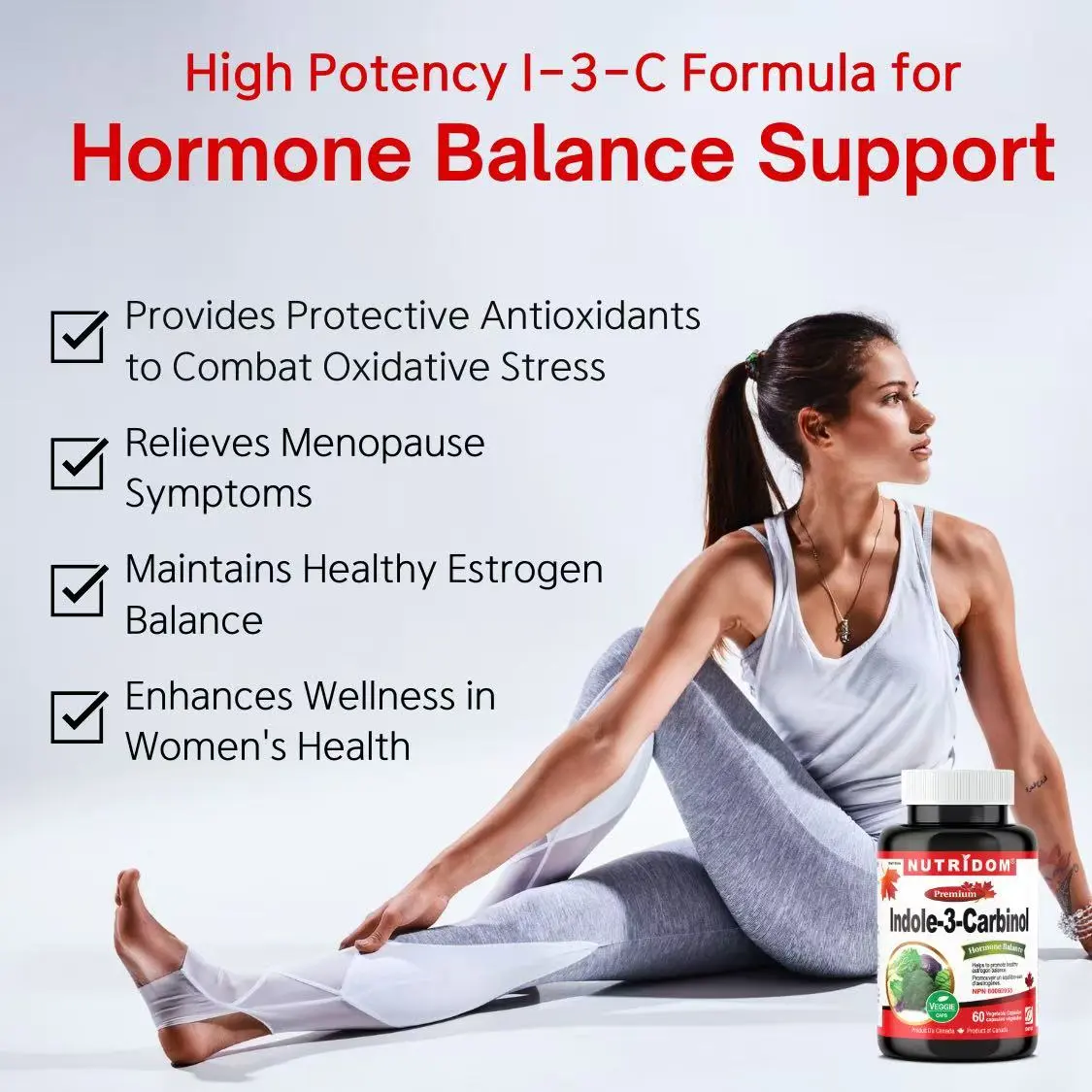
One of the most notable benefits of indole-3-carbinol is its ability to support hormone balance, particularly in relation to estrogen metabolism. This aspect of I3C has garnered significant interest in the medical community, especially for its potential implications in women's health.
Indole-3-carbinol works by influencing the metabolism of estrogen in the body. When consumed, I3C is converted into various compounds, including diindolylmethane (DIM), which plays a crucial role in modulating estrogen activity. Specifically, I3C and its metabolites help shift the balance of estrogen metabolism towards the production of 2-hydroxyestrone, a beneficial estrogen metabolite, while reducing the formation of 16-alpha-hydroxyestrone, which is associated with increased cancer risk.
This shift in estrogen metabolism can have far-reaching effects on hormonal health. For women, it may help alleviate symptoms associated with estrogen dominance, such as heavy or irregular menstrual periods, breast tenderness, and mood swings. Additionally, by promoting a healthier estrogen balance, I3C may potentially reduce the risk of estrogen-sensitive cancers, including breast and cervical cancers.
The hormone-balancing effects of I3C are not limited to women. In men, I3C may help maintain a healthy balance between estrogen and testosterone. As men age, they naturally experience a decline in testosterone levels, which can be accompanied by an increase in estrogen. By supporting proper estrogen metabolism, I3C may help mitigate some of the symptoms associated with hormonal imbalances in men, such as gynecomastia (enlarged breast tissue) and prostate issues.
Furthermore, indole-3-carbinol's influence on hormone balance extends to its potential impact on thyroid function. Some studies suggest that I3C may help support healthy thyroid hormone levels by reducing the activity of certain enzymes that can interfere with thyroid hormone production. This could be particularly beneficial for individuals dealing with hypothyroidism or other thyroid-related issues.
It's important to note that while the hormone-balancing effects of I3C are promising, more research is needed to fully understand its mechanisms and long-term effects. Individuals considering I3C supplementation for hormone balance should consult with a healthcare professional, especially if they have pre-existing hormonal conditions or are taking hormone-related medications.
Can Indole-3-Carbinol Powder Help with Cancer Prevention?
The potential of indole-3-carbinol in cancer prevention has been a subject of intense scientific scrutiny in recent years. While more research is needed to draw definitive conclusions, the existing evidence suggests that I3C may play a role in reducing cancer risk through various mechanisms.
One of the primary ways in which I3C is thought to contribute to cancer prevention is through its antioxidant and anti-inflammatory properties.
Oxidative stress and chronic inflammation are known to contribute to the development and progression of various types of cancer. I3C and its metabolites, particularly DIM, have been shown to possess potent antioxidant capabilities, helping to neutralize harmful free radicals and reduce oxidative damage to cells. This protective effect may help prevent the DNA mutations that can lead to cancer initiation.
Additionally, I3C has been found to influence several cellular pathways involved in cancer development and progression. For instance, studies have shown that I3C can induce apoptosis (programmed cell death) in cancer cells while sparing healthy cells. This selective action on cancer cells is particularly promising, as it suggests that I3C could potentially be used as a complementary therapy alongside conventional cancer treatments.
The compound's ability to modulate estrogen metabolism, as discussed earlier, is also relevant to its potential cancer-preventive properties. By promoting the production of beneficial estrogen metabolites and reducing harmful ones, I3C may help lower the risk of hormone-sensitive cancers, such as breast, ovarian, and prostate cancers.
Research has also indicated that I3C may have a protective effect against other types of cancer, including colorectal and lung cancer. Some studies suggest that I3C can inhibit the growth and spread of cancer cells, as well as prevent the formation of new blood vessels that tumors need to grow (a process known as angiogenesis).
While these findings are encouraging, it's crucial to approach the topic of cancer prevention with caution. Cancer is a complex disease influenced by numerous factors, and no single compound can guarantee complete protection against it. Moreover, most of the current research on I3C and cancer prevention has been conducted in laboratory and animal studies, with limited human clinical trials. Therefore, more extensive research is needed to fully understand the potential of I3C in cancer prevention and treatment.
It's also worth noting that while I3C powder supplements are available, obtaining this compound through a diet rich in cruciferous vegetables is generally recommended. These vegetables not only provide I3C but also offer a wide array of other beneficial nutrients and phytochemicals that may work synergistically to promote overall health and potentially reduce cancer risk.

What Are the Potential Side Effects of Taking Indole-3-Carbinol Supplements?
While indole-3-carbinol has shown promise in various areas of health, it's essential to consider the potential side effects and safety considerations associated with its use, particularly in supplement form.
Generally, I3C is considered safe when consumed in the amounts typically found in cruciferous vegetables as part of a balanced diet. However, when taken in higher doses as a dietary supplement, some individuals may experience side effects or adverse reactions.
One of the most commonly reported side effects of I3C supplementation is gastrointestinal discomfort. This can include symptoms such as nausea, vomiting, diarrhea, and gas. These side effects are typically mild and often subside as the body adjusts to the supplement. However, if these symptoms persist or worsen, it's advisable to discontinue use and consult a healthcare professional.
Some studies have suggested that high doses of I3C may potentially have a negative impact on liver function. While this effect has primarily been observed in animal studies and at doses much higher than those typically used in human supplementation, it underscores the importance of using I3C supplements under medical supervision and not exceeding recommended dosages.
Another consideration is the potential for drug interactions. I3C has been shown to affect the activity of certain enzymes in the liver that are responsible for metabolizing various medications. This could potentially alter the effectiveness or side effects of some drugs, including hormonal medications, blood thinners, and certain cancer treatments. Therefore, individuals taking any medications should consult with their healthcare provider before starting I3C supplementation.
There's also some concern about the long-term safety of I3C supplementation, particularly at high doses. While short-term use appears to be generally safe for most people, the effects of prolonged, high-dose supplementation are not yet fully understood. Some researchers have raised questions about whether long-term use of I3C supplements could potentially promote certain types of cancer under specific conditions, although this remains a topic of ongoing research and debate.
Pregnant and breastfeeding women should exercise caution with I3C supplements, as there is insufficient data on its safety in these populations. Similarly, individuals with hormone-sensitive conditions, such as certain types of breast cancer or endometriosis, should consult with a healthcare provider before using I3C supplements, as the compound's effects on hormone metabolism could potentially impact these conditions.
It's worth emphasizing that while I3C supplements are widely available, they are not regulated by the FDA in the same way as prescription medications. This means that the quality, purity, and potency of I3C supplements can vary significantly between brands. Choosing reputable manufacturers and consulting with a healthcare professional can help mitigate some of these risks.
In conclusion, while indole-3-carbinol shows promise in various areas of health, including hormone balance and potential cancer prevention, it's crucial to approach its use, particularly in supplement form, with caution. The potential benefits should be weighed against the possible risks and side effects. For most individuals, obtaining I3C through a diet rich in cruciferous vegetables remains the safest and most recommended approach. Those considering I3C supplementation should do so under the guidance of a qualified healthcare professional who can provide personalized advice based on individual health status and needs.
Hongda Phytochemical Co., Ltd. is recognized for its extensive Certifications including FSSC, cGMP, BRC, ORGANIC (EU), ORGANIC (NOP), ISO22000, ISO9001, FDA, HALAL, KOSHER, and national certification as a high-tech innovative enterprise. With a dedicated team of approximately 200 employees across departments such as production, Packaging, procurement, logistics, quality control, sales, operations, and finance, we ensure rigorous adherence to ISO and GMP standards throughout our production processes-from meticulous raw material selection to final inspection and storage. Our product offerings are renowned for their efficacy in areas such as tumor resistance, anticancer properties, natural ingredients, and high potency. Specializing as a leading manufacturer of Indole 3 Carbinol Powder, we pride ourselves on being a trusted partner in the industry. For inquiries and collaboration opportunities, please Contact Us at duke@hongdaherb.com. We look forward to forging successful partnerships with you.
References:
1. Aggarwal, B. B., & Ichikawa, H. (2005). Molecular targets and anticancer potential of indole-3-carbinol and its derivatives. Cell Cycle, 4(9), 1201-1215.
2. Bradlow, H. L. (2008). Review. Indole-3-carbinol as a chemopreventive agent in breast and prostate cancer. In Vivo, 22(4), 441-445.
3. Fujioka, N., et al. (2016). Harnessing the power of cruciferous vegetables: Developing a biomarker for brassica vegetable consumption using urinary 3,3'-diindolylmethane. Cancer Prevention Research, 9(10), 788-793.
4. Grose, K. R., & Bjeldanes, L. F. (1992). Oligomerization of indole-3-carbinol in aqueous acid. Chemical Research in Toxicology, 5(2), 188-193.
5. Higdon, J. V., et al. (2007). Cruciferous vegetables and human cancer risk: epidemiologic evidence and mechanistic basis. Pharmacological Research, 55(3), 224-236.
6. Licznerska, B., & Baer-Dubowska, W. (2016). Indole-3-carbinol and its role in chronic diseases. Advances in Experimental Medicine and Biology, 928, 131-154.
7. Meng, Q., et al. (2000). Indole-3-carbinol is a negative regulator of estrogen receptor-alpha signaling in human tumor cells. Journal of Nutrition, 130(12), 2927-2931.
8. Reed, G. A., et al. (2005). A phase I study of indole-3-carbinol in women: tolerability and effects. Cancer Epidemiology, Biomarkers & Prevention, 14(8), 1953-1960.
9. Thomson, C. A., et al. (2016). Cruciferous vegetable intake is inversely associated with lung cancer risk among smokers: a case-control study. BMC Cancer, 16, 760.
10. Wong, G. Y., et al. (1997). Dose-ranging study of indole-3-carbinol for breast cancer prevention. Journal of Cellular Biochemistry. Supplement, 28-29, 111-116.





YOU MAY LIKE