What Does Liposomal Berberine Powder Really Do?
2026-04-27 15:55:16
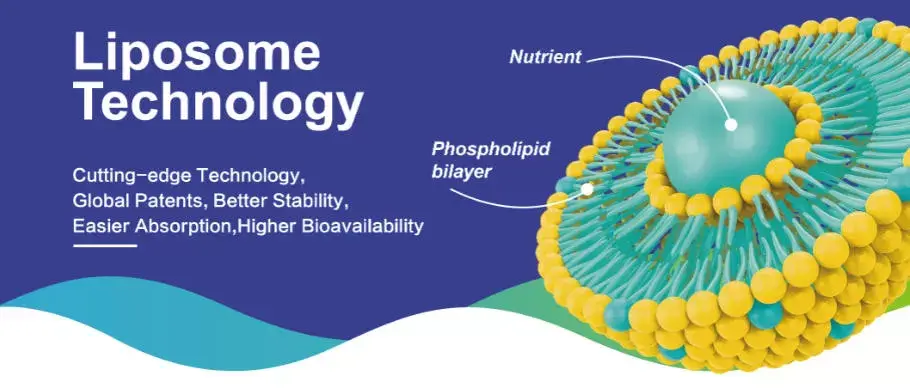
Liposomal Berberine Powder is a big step forward in delivering plant extracts. It solves the bioavailability problems that have previously limited berberine's medicinal potential. This improved version contains phospholipid bilayers around berberine alkaloid, which makes absorption rates 5–10 times higher than with regular berberine hydrochloride. The liposomal technology keeps berberine molecules from breaking down in the stomach and avoids P-glycoprotein efflux pumps. This makes it possible for better metabolic support for controlling blood sugar and heart health. Businesses that want to make high-quality nutraceutical products that deliver measured clinical results while reducing the stomach issues that usually come with standard berberine supplementation need to understand this advanced delivery system.
Understanding Liposomal Berberine Powder
Defining Liposomal Delivery Technology
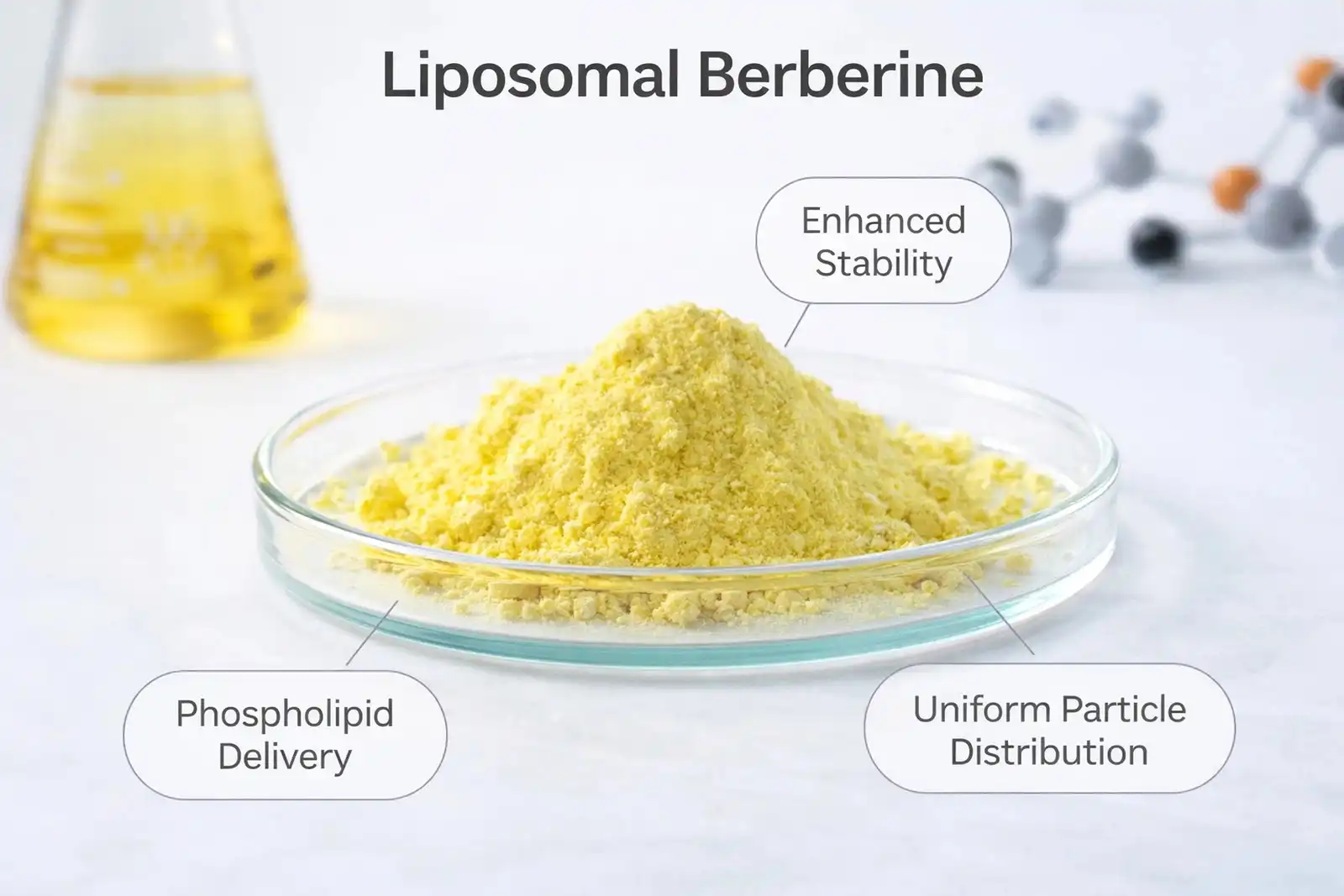
Liposomal Berberine Powder uses nano-encapsulation technology to put berberine molecules inside circular phospholipid structures that are 100–400nm in diameter. These tiny delivery vehicles look like the membranes of living cells, which lets cells take them in directly through endocytosis instead of just absorbing them through the intestines. The phospholipid layer, which is usually made from non-GMO sunflower or soy lecithin, protects the active alkaloid from being broken down by stomach enzymes and stops the liver's CYP450 enzymes from breaking it down quickly. To make it, a liquid liposomal solution is made using either high-pressure homogenization or ultrasonic dispersion. This is then turned into a powder using either advanced lyophilization or precise spray-drying methods. This powder form has clear benefits for business-to-business uses: it has a longer shelf life (24 months if kept properly), it's easier to ship than liquid forms, and it can be used with a variety of delivery formats, such as capsules, tablets, and healthy beverage powders. An HPLC test showed that the encapsulation rate was higher than 85%, which means that most of the berberine stays safe inside liposomal structures instead of being a free alkaloid.
Clinical Applications and Market Positioning
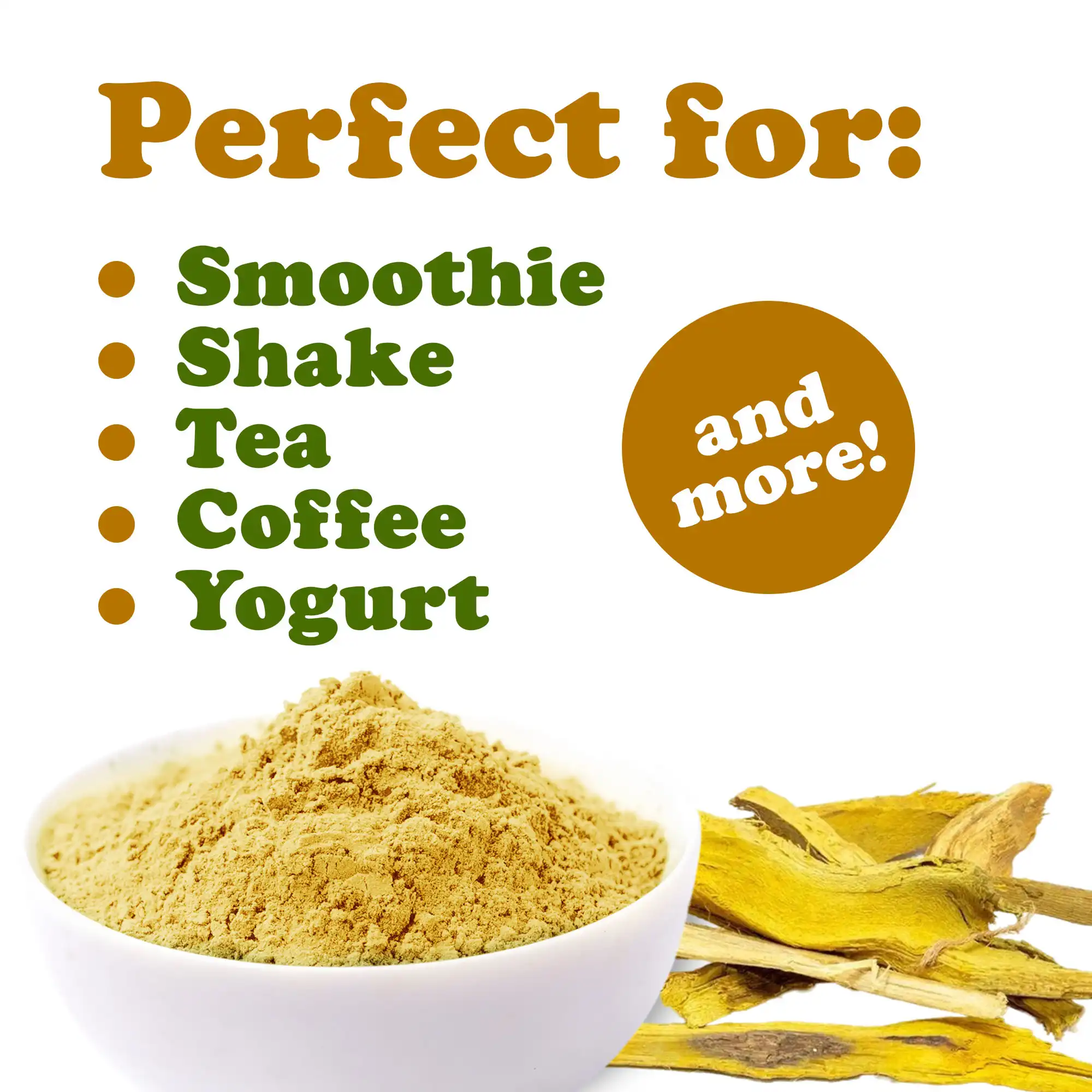
Because it is more bioavailable, berberine is a great ingredient for medicines that support digestive health. According to research, berberine turns on AMP-activated protein kinase (AMPK), which is a cellular energy manager that affects how cells take in glucose, use fats, and work the mitochondria. This mechanism makes it possible for use in blood sugar control programs, where smaller doses—usually 500–1000 mg daily instead of 1500–2000 mg needed with standard forms—can still have therapeutic benefits. Beyond glucose metabolism, the ingredient is used in cardiovascular health products that aim to improve cholesterol profiles and weight management products that use berberine's effect on adipogenesis and thermogenesis. Pharmaceutical companies are interested in liposomal berberine as an extra treatment for metabolic syndrome and polycystic ovary syndrome (PCOS), where stable plasma levels are important for good health results. Innovative companies that make functional foods like liposomal encapsulation, because it masks the bitter taste of berberine and makes it possible to add it to protein powders, meal replacement shakes, and health Liposomal Berberine Powder drinks without changing how they taste.
Regulatory Compliance and Safety Standards
B2B buyers who care about quality give priority to sellers who keep a full set of Certifications. The making of liposomal berberine should only happen in sites that follow cGMP guidelines and have strict process controls and paperwork rules. With third-party proof through SGS or similar testing labs, the product's purity, strength, and lack of contaminants like heavy metals, pesticide residues, and microbes are confirmed by a third party.To get into international markets, you have to follow the rules that are specific to that area. FDA registration shows that you follow U.S. Good Manufacturing Practices and FSSC 22000 certification talk about food safety management methods that are important for safe food use. With HALAL and KOSHER approvals, you can reach more people in the market who have special nutritional needs. Organic approval is a high level for brands that want to attract people who like natural products, even though it is hard to get because of the standards for liposomal processing. Reliable sellers include a full Certificate of Analysis with every batch. This document lists the amount of berberine in the product, how well it is encapsulated, the particle size distribution, and the microbiological safety factors.

Liposomal Berberine Powder vs Other Forms and Brands — A Decision Support Approach
Bioavailability Comparison: Liposomal vs Standard Forms
The main difference between Liposomal Berberine Powder and regular berberine is how quickly they are absorbed. Standard berberine hydrochloride goes through a lot of first-pass metabolism and is actively flushed out of the body by gut P-glycoprotein transporters, which means it is not available to the body's cells. According to clinical studies, oral doses of 400 mg of unencapsulated berberine cause plasma concentrations to peak at 0.4 to 0.8 ng/mL. It is quickly eliminated from the body, so it needs to be taken more than once a day. Through membrane fusion processes, liposome formulas get around these problems. The phospholipid shell lets the payload pass directly through intestinal epithelial cells while keeping it from being broken down by metabolism. The area-under-the-curve (AUC) measurements show 5–10 times rises, and plasma levels stay high for long amounts of time. For practical reasons, this means that formulators can specify lower active doses while still getting the same or better results. This lowers the cost of production and reduces the stomach problems (10–30% of people who take regular berberine supplements) that they cause. Berberine HCL Powder is still the most affordable choice for brands on a budget, as it costs a lot less than liposomal alternatives at bulk. But the total value offered changes when you look at the doses that are needed, how satisfied customers are, and how often they buy again. Products that provide obvious benefits at amounts that are comfortable fetch higher prices and build stronger brand loyalty than high-dose formulas that are hard to tolerate.
Powder vs Capsule Formats: Manufacturing Considerations
When choosing a file, business-to-business buyers need to look at it through both technical and business views. Liposomal berberine powder gives you the most options for making your own formulations. Researchers can mix the powder with ingredients that work well together, like chromium picolinate, alpha-lipoic acid, or cinnamon extract, to make metabolic support matrices that work better together. The powder form can be easily added to current processes for filling capsules, making tablets, or packing sachets; no special equipment changes are needed. When you buy powder in bulk, you can control your goods just-in-time and make changes to your production schedule quickly. Because it dissolves in water, it can be added to functional drinks, protein shakes, and powdered supplement mixes, which are all situations where pills wouldn't work. Powder concentrates are easier to ship because they take up less space and weight than finished capsule products. This makes foreign supply lines more cost-effective for freight. Finished pills that have already been sealed have different strategic uses. Turnkey solutions are helpful for brands that want to get into the market quickly or don't have their own encapsulation skills. This is because providers take care of dosage, quality control, and compliance paperwork. Private label deals let businesses sell their own brands without having to spend a lot of money on production equipment. As a result, you have less control over the mixture, and the cost per unit is higher than with powder-based manufacturing methods.
Evaluating Supplier Credentials and Manufacturing Capabilities
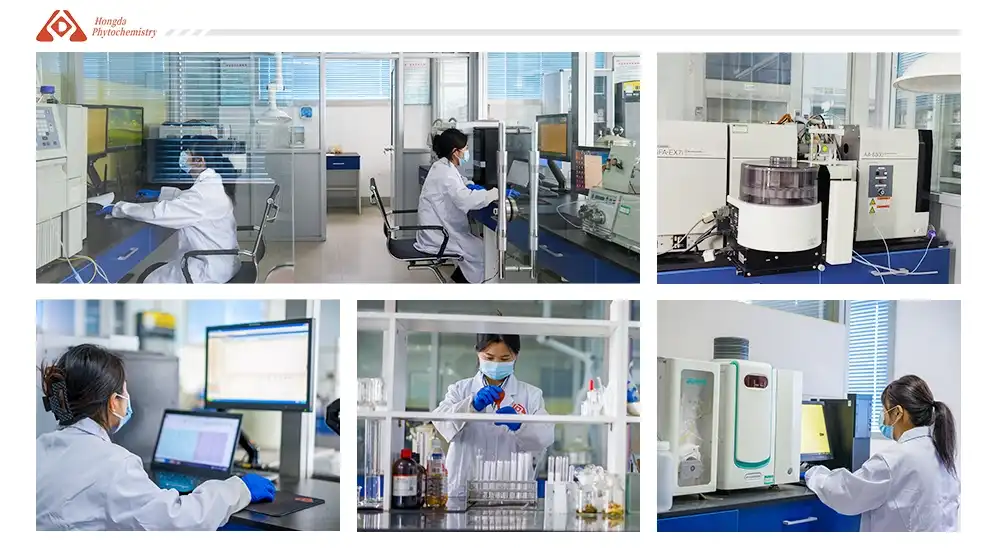
To choose the right producing partner, you need to look at things from a lot of different angles. Production capacity has a direct effect on supply reliability. Facilities that process hundreds of kilograms of goods every month can handle growing brands without having trouble allocating goods during busy times. Advanced extraction infrastructure, such as supercritical CO2 systems and molecular distillation equipment, shows that the technology is more advanced than just basic production. Research and development skills set innovation partners apart from basic providers. Teams led by scientists with PhDs and peer-reviewed papers show that they are really good at optimizing phytochemicals. On-site analytical labs with HPLC, UPLC-MS/MS, and Dynamic Light Scattering equipment allow for quick method creation and quality checks in real time, without having to rely on outside testing services that slow down production processes. The level of certification shows how mature the operations are. In addition to basic GMP compliance, certifications such as BRC (Brand Reputation through Compliance), ISO 22000 food safety management, and Organic standards need ongoing investments in quality systems, training for staff, and being ready for audits. Suppliers with "Public Overseas Warehouse" status have built international transportation networks that make it easier for buyers in North America and Europe to do business across borders and cut down on delivery times. Shaanxi Hongda Phytochemistry is a great example of these quality standards. Our building is 20,000 square meters and has 100,000-level cleaning workshops. It also has a lot of certifications, such as SGS laboratory approval, cGMP compliance, and multiple international quality standards. The technical team, which is made up of more than 20 professors from top colleges, can help you improve your recipe and make sure that your product meets the needs of Liposomal Berberine Powder in the market and the standards set by regulators.
Procurement Guide for Liposomal Berberine Powder — How to Buy SmartlyIdentifying Reliable Supply Channels
Instead of just looking at price, strategic sourcing starts with making sure that suppliers have the right credentials that can be checked. Manufacturers with a history in the nutraceutical business show steadiness and responsibility that traders looking to make quick money can't match. Trust in operating skills and quality systems grows when people are directly involved with production facilities. This can be done through virtual tours, online conferences with technical staff, or on-site audits. Digital platforms have changed how B2B finding works, but they need to be carefully checked out. Suppliers who post a lot of scientific information on their websites, like Certificates of Analysis, safety data sheets, and application guides, show that they are honest and professional. How quickly a company responds to technical questions about its products shows how good its customer service is. Companies with specific technical service teams can help with formulation problems and advise on storage conditions, compatibility testing, and stability routines. Industry trade shows and professional conferences are great places to meet new people and make connections. Procurement professionals can also use these events to quickly compare prices from several sellers. Companies like Supply Side West, Vitafoods Europe, and EngredientA make it possible for people to talk to decision-makers and technical experts face-to-face. This lets people see more about each other's communication styles, technical knowledge, and cultural fit than what emails can show.
Price Benchmarking and Total Cost Analysis
The wholesale price of Liposomal Berberine Powder changes a lot depending on the requirements, the amount of the order, and where the seller is located. Standard products with 85% encapsulation efficiency are usually in the midrange to premium price range. Custom formulas with specific particle size distributions or organic certifications are more expensive. For small-batch development and market testing, the minimum order quantity is 1 kg. However, bulk savings become significant at 25 kg, 100 kg, and pallet-load levels. A full cost study looks at more than just unit prices. It also looks at freight, customs taxes, storage, and possible quality problems. It's easier to plan transportation when suppliers offer FOB (Free On Board) or CIF (Cost, Insurance, and Freight) terms. When you have established relationships with foreign shippers, you don't have to wait as long at customs checks. This is especially helpful for product launches that need to happen quickly or for seasonal demand spikes. Payment terms affect how you handle your working capital. Net-30 or Net-60 terms are good for buyers who already have credit relationships with suppliers, while a letter of credit protects first deals with new suppliers. Reliable partners can handle sample requests, which are usually between 100 and 500g. This lets lab tests, formulation trials, and customer sensory evaluations happen before committing to large production numbers.
Quality Verification and Documentation Requirements
Specification shift and contamination events can be avoided by following strict incoming inspection processes. By asking for Certificates of Analysis that are dated to particular production batches, you can be sure that the materials you receive meet the specifications you bought. Key factors include the amount of berberine (10–90% by HPLC), how well the particles are encapsulated, the amount of moisture, the range of particle sizes, the limits for microbiology, and the quantities of heavy metals. Shelf-life claims and storage conditions are based on data from stability tests. Suppliers who do rapid stability studies according to ICH (International Council for Harmonization) rules give end dates that are based on facts. Understanding the ways that liposomes break down—either through oxidation, hydrolysis, or structure collapse—helps with choosing the right packing and storage methods. Traceability paperwork links finished goods to where the raw materials came from, backing supply chain openness efforts that retailers and lawmakers are asking for more and more. Batch production records, source qualification files, and change control paperwork are all examples of strong quality management systems that lower the risk of not following the rules.
Private Labeling and Custom Formulation Services
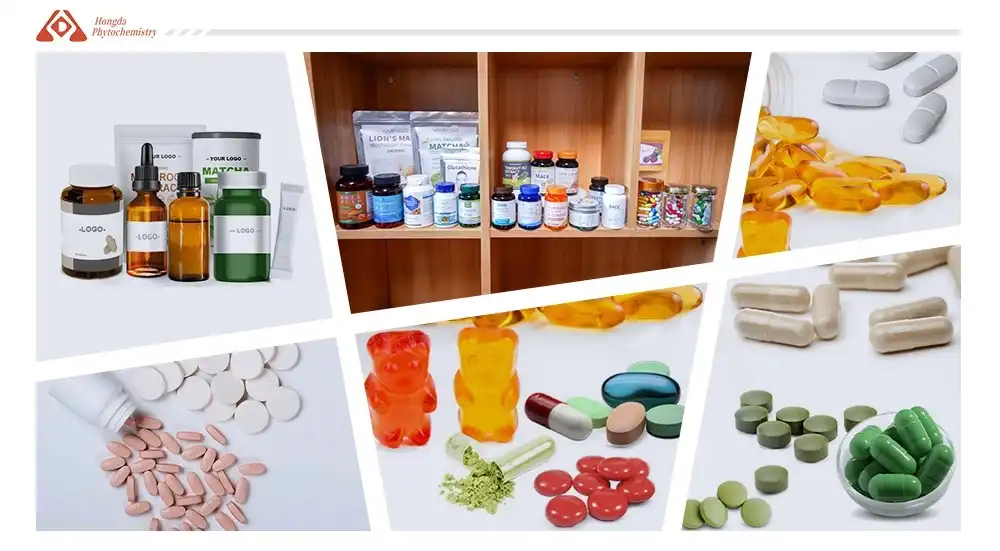
Turnkey private label programs help brands that don't have their own factories get into the market faster. Full services include creating new recipes, checking their stability, making sure they follow all the rules, helping with package design, and making the finished goods. Flexible minimum order quantities—sometimes as low as 500 to 1000 units for first runs—allow testing the market without taking on too much inventory risk. The ability to make custom formulations takes into account different placement tactics. Adding liposomal berberine to other active ingredients, such as milk thistle for liver support, CoQ10 for heart health, or green tea extract for weight loss, makes goods stand out and command higher prices. Formulation teams with a lot of experience deal with compatibility issues, making sure that ingredients stay stable and dissolve in the same way throughout the shelf life.When it comes to special mixes, intellectual property issues come up. Reputable makers protect the privacy of formulations by using non-disclosure agreements and separate production runs to keep their goods from getting mixed up with competing ones. Clear contractual terms about who owns the recipe, who can make it, and where it can be made stop future conflicts as brands grow.
Case Studies and Industry Insights — Real-World Applications of Liposomal Berberine Powder
Successful Product Launch: Metabolic Health Supplement Line
An average-sized supplement company that works on metabolic syndrome created a line of Liposomal Berberine Powder-based products after getting negative comments from customers about their first normal berberine product. People who bought it complained about stomach pain and effects that weren't constant, even when they took the medicine as prescribed. Together with a verified source, the manufacturing team made a 500mg liposomal berberine capsule that had chromium and cinnamon extract in it.78% of users reported obvious changes in their energy level within three weeks, compared to 43% with the old formulation. This was based on clinical feedback from customer surveys. The number of gastrointestinal complaints dropped from 24% to less than 6%. Setting the price of the product 40% higher than that of other berberine pills worked as planned, as more than 60% of customers bought it again within six months. The success proved the idea that higher prices should be charged in the competitive metabolic health area if the product is more bioavailable and well-tolerated.
Functional Beverage Innovation: Glucose Management Drink Mix
A functional beverage business that makes drinks for fitness fans made a powdered drink mix with liposomal berberine to help get rid of glucose after a workout. The formulation team used the ingredient's ability to mix with water and hide taste to make a tasty citrus-flavored product that people could mix with drinks before or after a workout. Because traditional berberine is bitter, it couldn't have been used in this way without complex coloring systems that make manufacturing harder and cost more. The response from the market showed that educated customers looking for options to synthetic insulin-mimetic chemicals wanted more advanced nutritional support. The product was sold in specialty fitness stores, and social media users who have a lot of followers talked about metabolic flexibility and calorie partitioning techniques. Even though the ingredients were more expensive, the company said its Liposomal Berberine Powder sales margins were over 65%. This was because the product was uniquely positioned and seen as valuable by its target audience.
B2B Partnership: International Distribution Agreement
A well-known European company that sells food supplements wanted to add new ingredients backed by clinical studies to their metabolic health line. After looking at several berberine suppliers in Asia, they decided to work exclusively with one that could offer full technical support, regulatory paperwork that was in line with EU Novel Foods rules, and a steady production capacity of more than 2,000 kg per month. Joint marketing campaigns were part of the relationship structure. The distributor used the manufacturer's research data and application guides to teach downstream customers, like store brands and private label packagers, about the benefits of liposomal delivery. This consultative method set the wholesaler apart from commodity ingredient traders, which led to higher prices and better relationships with customers. Within 18 months, liposomal berberine was one of the ten most profitable SKUs, and it was used in more than just vitamins. It was also added to functional foods.
Emerging Trends and Market Trajectory
The global berberine market is expected to grow quickly because more people are getting metabolic diseases, and more people want to use herbal remedies. Liposomal delivery technology is the high-end part of this growing market. It appeals to brands that care about quality and educated customers who are willing to spend more for better results. New technologies keep making encapsulation more stable and effective. The next wave of formulations will have controlled release mechanisms and combination treatments that work on multiple metabolic pathways at the same time. Regulatory environments are changing to make room for new delivery methods. This is because agencies are realizing that bioavailability improvements completely change the risk-benefit profiles of traditional plant extracts. As regulations get stronger, it makes it easier for more clinical studies and medical food uses where consistent dosing and recorded results are important for healthcare providers to adopt.
Conclusion
Liposomal Berberine Powder overcomes the basic absorption problems that have previously limited berberine's medicinal potential. It does this by improving bioavailability 5–10 times through improved phospholipid encapsulation. With this technology, formulators can make high-end goods that work with smaller doses, are easier to tolerate, and have a unique place in the market. The global metabolic health market is still growing, which means there are great chances for business-to-business (B2B) people who understand the technical differences, quality standards, and buying strategies in this book. For commercialization to go well, partners must be qualified makers who keep up-to-date quality systems, technical know-how, and stable production capacity. Verified industry uses show that liposomal formulas, even though they are more expensive, make customers very happy and encourage them to buy them again and again. This makes the investment worth it for brands that are committed to quality leadership and effectiveness.
FAQ1. What is the optimal dosage for liposomal berberine in metabolic health formulations?
In clinical settings, 500 to 1000 mg daily, spread out over two doses, is used. This produces plasma amounts that are similar to 1500 to 2000 mg of standard berberine hydrochloride. The higher bioavailability lets smaller doses work just as well for controlling blood sugar and helping the breakdown of fats. When formulators set the dosage, they should think about the characteristics of the target group and the health claims they want to make. They should also talk to regulatory experts to make sure they follow regional supplement guidelines and structure-function claim standards.
2. How does liposomal encapsulation improve bioavailability compared to standard berberine?
The phospholipid coating keeps berberine safe from stomach acid and enzymes that break it down, and it also makes it easier for cells to take it in directly through membrane fusion processes. This gets around the P-glycoprotein efflux pumps in the gut wall, which push regular berberine back into the digestive system. Pharmacokinetic studies show much higher area-under-curve values and longer plasma half-lives, which means that smaller amounts of Liposomal Berberine Powder can have long-lasting beneficial effects.
3. Are there long-term safety concerns with liposomal berberine supplementation?
Berberine has a good track record for safety, as shown by its use in traditional medicine and in modern clinical studies. Liposomal delivery doesn't raise any new safety issues. Instead, it makes things easier to handle by lowering the number of stomach problems that can happen. Manufacturers should provide toxicology data and suggest use periods that are in line with clinical evidence. Usually, this means ongoing use for 3 to 6 months with regular checks of metabolic markers while under medical supervision.
Partner with Hongda for Premium Liposomal Berberine Powder
Shaanxi Hongda Phytochemistry is a qualified Liposomal Berberine Powder producer with more than 20 years of experience specializing in plant extracts. They can give your formulations the technical excellence and quality guarantee they need. Our high-tech production plant gets >85% encapsulation efficiency with particle sizes that are best between 100nm and 400nm. This has been proven by thorough HPLC and Dynamic Light Scattering analysis. We keep a full set of certifications, such as cGMP, SGS, HALAL, KOSHER, BRC, FDA register, ISO 9001, ISO 22000, FSSC 22000, and Organic standards, which make it easier for our products to reach customers around the world. Our expert team can help you with custom formulations, give you advice on stability testing, and make sure you have all the legal paperwork you need for your market. We can work with businesses at any stage of their growth because our minimums are open and start at 1 kg, and our capacity can be increased to support high volumes of production. Get in touch with our buyers at duke@hongdaherb.com to talk about your Liposomal Berberine Powder needs, ask for samples, or look into private label options that could help you get your product to market faster.
References
1. Zhang, Y., Li, X., Zou, D., Liu, W., Yang, J., Zhu, N., Huo, L., Wang, M., Hong, J., Wu, P., Ren, G., & Ning, G. (2008). Treatment of type 2 diabetes and dyslipidemia with the natural plant alkaloid berberine. Journal of Clinical Endocrinology & Metabolism, 93(7), 2559-2565.
2. Yin, J., Xing, H., & Ye, J. (2008). Efficacy of berberine in patients with type 2 diabetes mellitus. Metabolism: Clinical and Experimental, 57(5), 712-717.
3. Feng, X., Sureda, A., Jafari, S., Memariani, Z., Tewari, D., Annunziata, G., Barrea, L., Hassan, S.T.S., Smejkal, K., Malanik, M., Sychrova, A., Barreca, D., Ziberna, L., Mahomoodally, M.F., Zengin, G., Xu, S., Nabavi, S.M., & Nabavi, S.F. (2019). Berberine in cardiovascular and metabolic diseases: From mechanisms to therapeutics. Theranostics, 9(7), 1923-1951.
4. Liu, Y.T., Hao, H.P., Xie, H.G., Lai, L., Wang, Q., Liu, C.X., & Wang, G.J. (2010). Extensive intestinal first-pass elimination and predominant hepatic distribution of berberine explain its low plasma levels in rats. Drug Metabolism and Disposition, 38(10), 1779-1784.
5. Chen, W., Miao, Y.Q., Fan, D.J., Yang, S.S., Lin, X., Meng, L.K., & Tang, X. (2011). Bioavailability study of berberine and the enhancing effects of TPGS on intestinal absorption in rats. AAPS PharmSciTech, 12(2), 705-711.
6. Salehi, B., Selamoglu, Z., Sener, B., Kilic, M., Kumar Jugran, A., de Tommasi, N., Sinisgalli, C., Milella, L., Rajkovic, J., Matsafuna, O., Rescigno, A., Caprioli, G., Dini, L., Fortino, V., Kryeziu, T.L., Taheri, Y., Acharya, K., Sharopov, F., Tsouh Fokou, P.V., Martins, N., Iriti, M., & Sharifi-Rad, J. (2019). Berberine: Botanical occurrence, traditional uses, extraction methods, and relevance in cardiovascular, metabolic, hepatic, and renal disorders. Frontiers in Pharmacology, 10, 842.





YOU MAY LIKE