What Does Gamma Aminobutyric Acid (GABA) Powder Do?
2025-08-30 16:05:32
Gamma-aminobutyric acid (GABA) is a crucial neurotransmitter in the human body, playing a pivotal role in the central nervous system (CNS). As the primary inhibitory neurotransmitter, GABA is responsible for regulating neuronal excitability, promoting relaxation, and maintaining a delicate balance within the brain. Its significance in human physiology cannot be overstated, as GABA-mediated signaling influences a wide range of essential functions, from sleep and mood regulation to muscle relaxation.
Regulation of Brain Function
Inhibition of Neurotransmission:
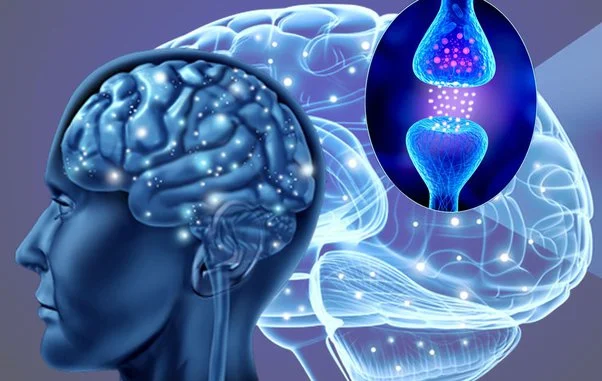
GABA acts as an inhibitory neurotransmitter, binding to specific receptors on the surface of neurons and triggering a series of events that lead to the reduction of neuronal excitability. This process is crucial in preventing overstimulation and maintaining a stable, well-regulated neural environment. By dampening the firing of neurons, GABA helps to modulate the overall level of neuronal activity, ensuring that the brain functions within its optimal range (Brickley and Mody, 2012).
Anxiety and Stress Reduction:
The GABAergic system, which encompasses the production, release, and signaling of GABA, plays a significant role in regulating anxiety and stress responses in the brain. GABA's inhibitory effects on neuronal activity help to counteract the excitatory signals associated with stress and anxiety, promoting a state of relaxation and calmness (Möhler, 2012). This mechanism is particularly important in managing the physiological and psychological manifestations of stress, as γ-aminobutyric acid-mediated signaling can effectively mitigate the detrimental effects of prolonged exposure to stressful stimuli.
Sleep Regulation
Promotion of Sleep:
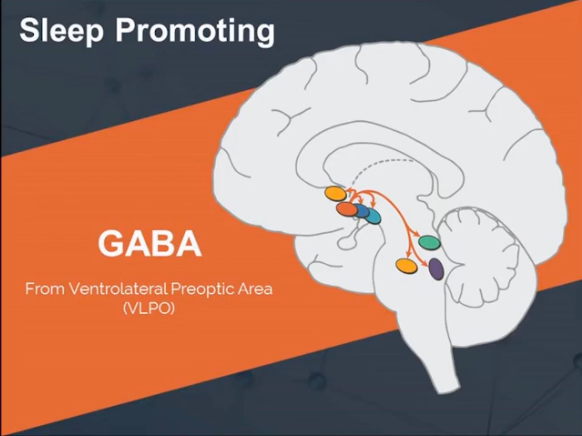
GABA is a crucial player in the regulation of sleep-wake cycles. By acting on specific brain regions involved in the control of sleep and wakefulness, GABA facilitates the onset and maintenance of sleep (Winsky-Sommerer, 2009). GABA's inhibitory actions help to suppress the activity of arousal-promoting neurons, allowing the brain to transition into a state of rest and facilitating the transition into deeper, more restorative stages of sleep.
Management of Sleep Disorders:
Given GABA's pivotal role in sleep regulation, researchers have explored the potential therapeutic applications of GABA modulation in the treatment of sleep disorders. Studies have shown that GABAergic drugs, such as benzodiazepines and non-benzodiazepine hypnotics, can effectively improve sleep onset, duration, and quality, making them valuable tools in managing conditions like insomnia (Winsky-Sommerer, 2009). By targeting the Gamma-aminobutyric acid ergic system, these interventions aim to restore the balance of neuronal activity, leading to improved sleep patterns and better overall sleep health.
Mood Regulation
Influence on Mood:
GABA's impact on the brain extends beyond sleep regulation, as it also plays a crucial role in modulating mood and emotional responses. The GABAergic system is closely intertwined with the regulation of mood, and imbalances in GABA levels or signaling have been associated with various mood disorders, including depression and bipolar disorder (Brambilla et al., 2003). By influencing the activity of brain regions involved in emotional processing, GABA helps to maintain a stable and balanced emotional state.
Potential Therapeutic Applications:
Recognizing the connection between GABAergic dysfunction and mood disorders, researchers have explored the potential of GABA-targeting interventions as therapeutic options. Medications that enhance GABA signaling, such as benzodiazepines and certain antidepressants, have shown promising results in the management of mood disorders (Brambilla et al., 2003). By addressing the underlying GABAergic imbalances, these treatments aim to alleviate the symptoms of mood disorders and improve the overall well-being of individuals affected by these conditions.
Muscle Relaxation
Regulation of Muscle Tone:
γ-aminobutyric acid's influence extends beyond the realm of the brain, as it also plays a crucial role in the regulation of muscle tone and physical relaxation. GABAergic signaling within the spinal cord and motor cortex contributes to the inhibition of motor neuron activity, leading to a reduction in muscular tension and promoting a state of relaxation (Knabl et al., 2008). This mechanism is essential for maintaining proper muscle coordination and preventing excessive muscle contractions or spasms.
Clinical Implications:
The relationship between GABA and muscle function has important clinical implications. GABAergic medications, such as benzodiazepines and muscle relaxants, have been employed in the management of various neuromuscular disorders, including muscle spasms, dystonia, and certain types of paralysis (Knabl et al., 2008). By targeting the GABAergic pathways, these interventions aim to alleviate muscle-related symptoms and improve the overall quality of life for individuals affected by such conditions.
Conclusion
Gamma-aminobutyric acid (GABA) is a versatile and indispensable neurotransmitter in the human body, playing a crucial role in regulating a wide range of physiological functions. From its inhibitory actions in the brain, which help to maintain neuronal balance and reduce anxiety, to its involvement in sleep regulation, mood modulation, and muscle relaxation, GABA's significance cannot be overstated. As our understanding of the GABAergic system continues to evolve, ongoing research and therapeutic developments targeting GABA-mediated pathways hold the promise of unlocking new avenues for the management of various neurological, psychiatric, and neuromuscular disorders. The intricate and multifaceted nature of GABA's functions underscores its fundamental importance in maintaining optimal human health and well-being.
Hongda Phytochemistry Co., Ltd. takes pride in its comprehensive list of Certifications, including cGMP, BRC, ORGANIC (EU), ORGANIC (NOP), ISO22000, ISO9001, FDA, HALAL, KOSHER, and national certification of high-tech innovative enterprises. With over 30 years of experience, Shaanxi Hongda factory is a seasoned professional ingredients manufacturer known for its expertise and commitment to quality.
Our expansive factory, spanning 20,000 square meters, is equipped with advanced extraction equipment and houses our SGS Certified laboratory. This state-of-the-art facility underscores our dedication to quality control and product innovation.
Rigorous quality control management is integral to our operations, and our Gamma Aminobutyric Acid Powder is a testament to this commitment. If you seek detailed information about this product or any other inquiries, our professional team is readily available for consultation at duke@hongdaherb.com. We are devoted to providing superior products and services tailored to your specific needs.
References:
1,Brickley, S. G., & Mody, I. (2012). Extrasynaptic GABA(A) receptors: their function in the CNS and implications for disease. Neuron, 73(1), 23-34.
2,Brambilla, P., Perez, J., Barale, F., Schettini, G., & Soares, J. C. (2003). GABAergic dysfunction in mood disorders. Molecular Psychiatry, 8(8), 721-737.
3,Knabl, J., Witschi, R., Hösl, K., Reinold, H., Zeilhofer, U. B., Ahmadi, S., Brockhaus, J., Sergejeva, M., Hess, A., Brune, K., Fritschy, J. M., Rudolph, U., Möhler, H., & Zeilhofer, H. U. (2008). Reversal of pathological pain through specific spinal GABAA receptor subtypes. Nature, 451(7176), 330-334.
4,Möhler, H. (2012). The GABA system in anxiety and depression and its therapeutic potential. Neuropharmacology, 62(1), 42-53.
5,Winsky-Sommerer, R. (2009). Role of GABAA receptors in the physiology and pharmacology of sleep. The European Journal of Neuroscience, 29(9), 1779-1794.