What Does Vitamin K2 MK-7 Do?
2025-08-30 16:06:24
Vitamin K2 MK-7, also known as menaquinone-7, is a form of vitamin K that has gained significant attention in recent years due to its unique and powerful health benefits. Unlike its more well-known counterpart, vitamin K1, which primarily supports blood clotting, vitamin K2 MK-7 plays a crucial role in bone health, cardiovascular function, and overall well-being. This long-chain form of vitamin K2 is particularly effective because it remains active in the body for an extended period, allowing for more consistent and efficient utilization. As we delve deeper into the functions and benefits of vitamin K2 MK-7, we'll explore how this essential nutrient contributes to various aspects of our health and why it's becoming increasingly important in nutrition and supplementation.
Hongda Phytochemistry Co., Ltd. operates 8 advanced production lines concurrently, achieving a daily output of 10 tons and an annual capacity of 8000 metric tons. With a workforce of approximately 200 employees, our company is organized into multiple departments including Production, Packaging, Procurement, Logistics, Quality Assurance, Sales, Operations, and Finance. We uphold stringent standards starting from meticulous raw material selection, through production and management in accordance with ISO and GMP criteria, ensuring that only products passing rigorous inspections are admitted into our warehouses. We offer OEM/ODM processing and specialize in direct manufacturing, accommodating bespoke production and packaging requirements. Additionally, we provide complimentary samples upon request. For further information or inquiries about our products, feel free to Contact Us at duke@hongdaherb.com. As experts in Vitamin K2 MK7 Powder manufacturing, we are dedicated to delivering exceptional quality and service.
How does Vitamin K2 MK-7 differ from other forms of Vitamin K?
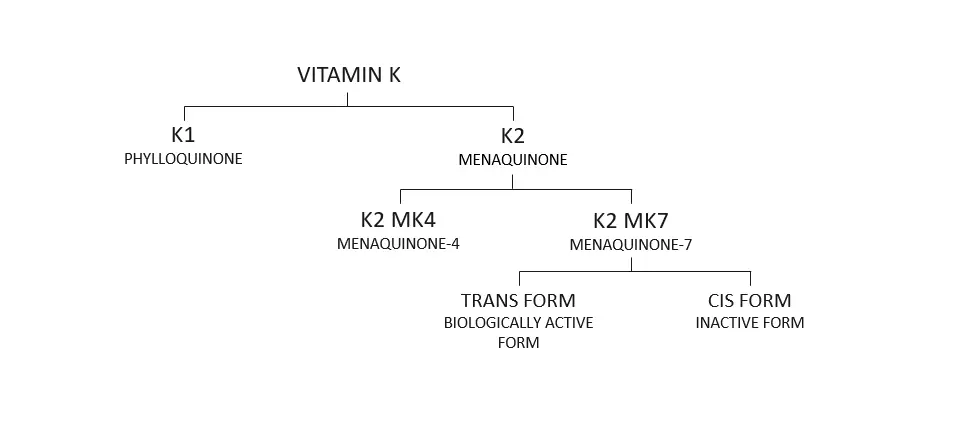
To understand the unique properties of vitamin K2 MK-7, it's essential to first recognize the distinctions between the various forms of vitamin K. The vitamin K family consists of several compounds, primarily divided into two main categories: vitamin K1 (phylloquinone) and vitamin K2 (menaquinones). While they share some similarities, their sources, functions, and efficacy in the body differ significantly.
to support blood coagulation, which is crucial for proper wound healing. However, vitamin K1 has limited bioavailability and is not as effective in supporting other bodily functions beyond blood clotting.
On the other hand, vitamin K2 exists in several subtypes, with MK-4 and MK-7 being the most prominent. MK-4 is found in animal-based foods and can be synthesized by the body from vitamin K1. However, its half-life in the body is relatively short, limiting its effectiveness. This is where vitamin K2 MK-7 stands out.
Vitamin K2 MK-7 is primarily produced by bacterial fermentation and is found in fermented foods like natto, a traditional Japanese dish made from fermented soybeans. What sets MK-7 apart is its exceptional bioavailability and extended half-life in the body. While vitamin K1 and MK-4 are cleared from the bloodstream within hours, MK-7 can remain active for several days, providing a more stable and consistent source of vitamin K.
The molecular structure of MK-7 also contributes to its superior functionality. The longer side chain of MK-7 allows it to be distributed more effectively throughout the body, reaching bones and soft tissues more efficiently than other forms of vitamin K. This enhanced distribution is key to its ability to support various bodily functions beyond blood clotting.
Moreover, vitamin K2 MK-7 has shown a greater affinity for activating specific proteins in the body, particularly osteocalcin and matrix Gla protein (MGP). Osteocalcin is crucial for bone formation, while MGP plays a vital role in preventing calcium deposition in arteries and other soft tissues. By effectively activating these proteins, MK-7 contributes significantly to both bone and cardiovascular health.
What are the benefits of taking Vitamin K2 MK-7 supplements?
The benefits of taking vitamin K2 MK-7 supplements are extensive and backed by a growing body of scientific research. As we explore these benefits, it becomes clear why this form of vitamin K is gaining recognition as a crucial nutrient for overall health and wellness.
One of the primary benefits of vitamin K2 MK-7 is its significant impact on bone health. As mentioned earlier, MK-7 activates osteocalcin, a protein essential for bone formation. By ensuring that osteocalcin is properly carboxylated (activated), MK-7 helps to bind calcium to the bone matrix, improving bone density and strength. This is particularly important for preventing osteoporosis and reducing the risk of fractures, especially in postmenopausal women and older adults.
Several studies have demonstrated the efficacy of MK-7 in supporting bone health. A three-year study published in the journal "Osteoporosis International" found that postmenopausal women taking MK-7 supplements showed significantly reduced age-related decline in bone mineral density compared to those taking a placebo. Another study in the "European Journal of Nutrition" reported that MK-7 supplementation improved bone strength and prevented bone loss in postmenopausal women.
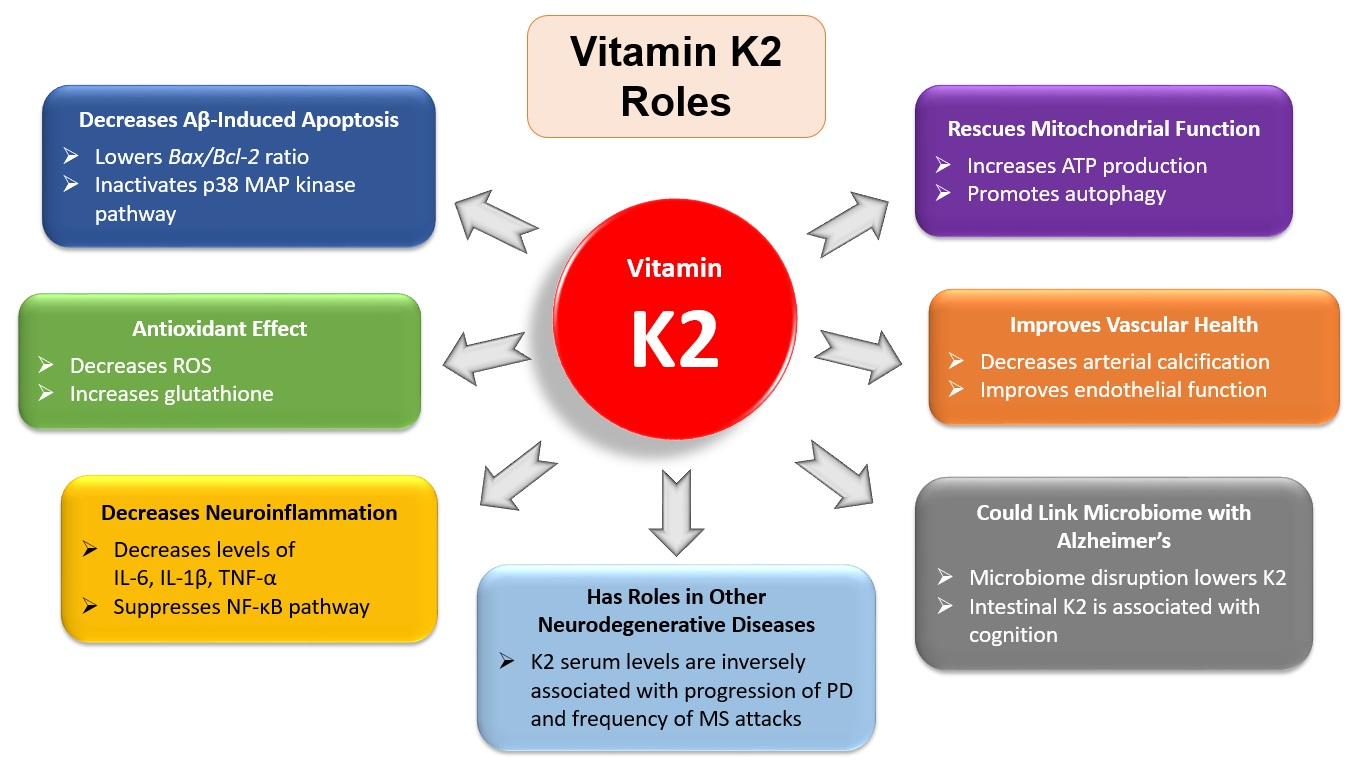
Beyond bone health, vitamin K2 MK-7 plays a crucial role in cardiovascular health. Its ability to activate matrix Gla protein (MGP) is key to this benefit. MGP is a potent inhibitor of vascular calcification, which is the hardening of arteries due to calcium buildup. By ensuring that MGP is fully activated, MK-7 helps to keep calcium out of the arteries and other soft tissues, potentially reducing the risk of heart disease and improving overall cardiovascular function.
Research published in the journal "Thrombosis and Haemostasis" found that high intake of vitamin K2, particularly the MK-7 form, was associated with reduced coronary calcification and a lower risk of cardiovascular events. Another study in the "Journal of Nutrition" showed that higher vitamin K2 intake was associated with a reduced risk of coronary heart disease.
Vitamin K2 MK-7 also shows promise in supporting cognitive health and potentially reducing the risk of neurodegenerative diseases. Some studies suggest that vitamin K plays a role in the metabolism of sphingolipids, which are important components of the myelin sheath that protects nerve fibers. By supporting proper sphingolipid metabolism, MK-7 may contribute to maintaining cognitive function and brain health as we age.
Additionally, emerging research indicates that vitamin K2 MK-7 may have anti-inflammatory properties. Chronic inflammation is linked to various health issues, including arthritis, diabetes, and certain cancers. By potentially reducing inflammation, MK-7 could offer protective effects against these conditions, although more research is needed to fully understand this relationship.
How much Vitamin K2 MK-7 should you take daily?
Determining the optimal daily intake of vitamin K2 MK-7 is an important consideration for those looking to harness its health benefits. While research on specific dosage recommendations is ongoing, several factors influence the ideal intake, including age, health status, and individual nutritional needs.
Currently, there is no official Recommended Dietary Allowance (RDA) specifically for vitamin K2 MK-7. The general RDA for vitamin K is based primarily on the amount needed for blood clotting, which is primarily addressed by vitamin K1. However, for the unique benefits associated with vitamin K2 MK-7, higher doses are often recommended.
Most studies on the health benefits of vitamin K2 MK-7 have used doses ranging from 45 to 360 micrograms (mcg) per day. A commonly recommended dose for general health maintenance is around 100-200 mcg daily. For those with specific health concerns or conditions, higher doses may be appropriate under the guidance of a healthcare professional.
For bone health, studies have shown positive effects with doses between 100-180 mcg per day. A landmark three-year study on postmenopausal women used a daily dose of 180 mcg of MK-7, showing significant improvements in bone mineral density and strength.
When it comes to cardiovascular health, some research suggests that higher doses may be beneficial. Studies have used doses up to 360 mcg per day, showing positive effects on arterial stiffness and calcification. However, it's important to note that more doesn't always mean better, and the optimal dose can vary based on individual factors.
Age is an important consideration in determining the appropriate intake of vitamin K2 MK-7. As we age, our ability to absorb and utilize nutrients can decrease, and the risk of conditions like osteoporosis and cardiovascular disease increases. For this reason, older adults may benefit from higher doses of MK-7 compared to younger individuals.
It's also crucial to consider the interaction between vitamin K2 MK-7 and other nutrients, particularly vitamin D and calcium. These nutrients work synergistically, and their balance is important for optimal health benefits. Some experts recommend a ratio of vitamin D to K2 MK-7, suggesting 1000 IU of vitamin D3 for every 100 mcg of K2 MK-7.
For individuals taking blood-thinning medications like warfarin, it's essential to consult with a healthcare provider before supplementing with vitamin K2 MK-7. While MK-7 doesn't affect blood clotting as significantly as vitamin K1, it can still interact with these medications.
In conclusion, while vitamin K2 MK-7 offers numerous health benefits, determining the right dosage requires consideration of individual factors and ideally should be done in consultation with a healthcare professional. A general recommendation of 100-200 mcg daily is often suitable for maintaining overall health, but higher doses may be appropriate for specific health concerns. As research in this area continues to evolve, our understanding of optimal dosages and applications of vitamin K2 MK-7 is likely to become more refined, offering even more targeted approaches to health and wellness.
For further information or inquiries about our products, feel free to contact us at duke@hongdaherb.com.
References
1. Schurgers, L. J., et al. (2007). Vitamin K-containing dietary supplements: comparison of synthetic vitamin K1 and natto-derived menaquinone-7. Blood, 109(8), 3279-3283.
2. Knapen, M. H., et al. (2015). Three-year low-dose menaquinone-7 supplementation helps decrease bone loss in healthy postmenopausal women. Osteoporosis International, 26(9), 2555-2562.
3. Geleijnse, J. M., et al. (2004). Dietary intake of menaquinone is associated with a reduced risk of coronary heart disease: the Rotterdam Study. The Journal of Nutrition, 134(11), 3100-3105.
4. Beulens, J. W., et al. (2009). High dietary menaquinone intake is associated with reduced coronary calcification. Atherosclerosis, 203(2), 489-493.
5. Sato, T., et al. (2012). Comparison of menaquinone-4 and menaquinone-7 bioavailability in healthy women. Nutrition Journal, 11(1), 93.
6. Theuwissen, E., et al. (2012). Low-dose menaquinone-7 supplementation improved extra-hepatic vitamin K status, but had no effect on thrombin generation in healthy subjects. British Journal of Nutrition, 108(9), 1652-1657.
7. Kaneki, M., et al. (2001). Japanese fermented soybean food as the major determinant of the large geographic difference in circulating levels of vitamin K2: possible implications for hip-fracture risk. Nutrition, 17(4), 315-321.
8. Shea, M. K., et al. (2009). Vitamin K supplementation and progression of coronary artery calcium in older men and women. The American Journal of Clinical Nutrition, 89(6), 1799-1807.
9. Iwamoto, J., et al. (2009). Effect of vitamin K2 on cortical and cancellous bone mass, cortical osteocyte and lacunar system, and porosity in sciatic neurectomized rats. Calcified Tissue International, 84(1), 36-44.
10. Westenfeld, R., et al. (2012). Effect of vitamin K2 supplementation on functional vitamin K deficiency in hemodialysis patients: a randomized trial. American Journal of Kidney Diseases, 59(2), 186-195.