What Does Chitosan Powder Do To Fat?
2025-08-15 17:52:49
Chitosan powder is a dietary supplement derived from chitin that has recently gained attention for its potential weight management benefits. Specifically, chitosan powder is purported to bind to fat molecules in the digestive tract, preventing the absorption of dietary fat and reducing calorie intake. But how exactly does chitosan interact with fat, and what does the science say about its effects? This article will explore what chitosan powder is, its mechanism of action, key research findings, potential weight loss benefits, proper dosage and usage, side effects to watch out for, and final considerations regarding the incorporation of chitosan powder into a nutrition regimen.
What is Chitosan Powder?
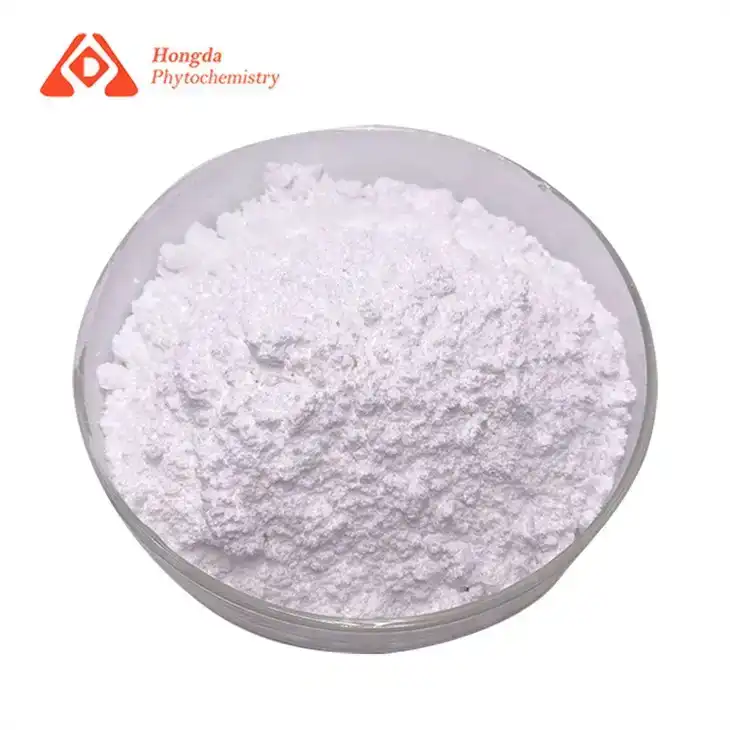
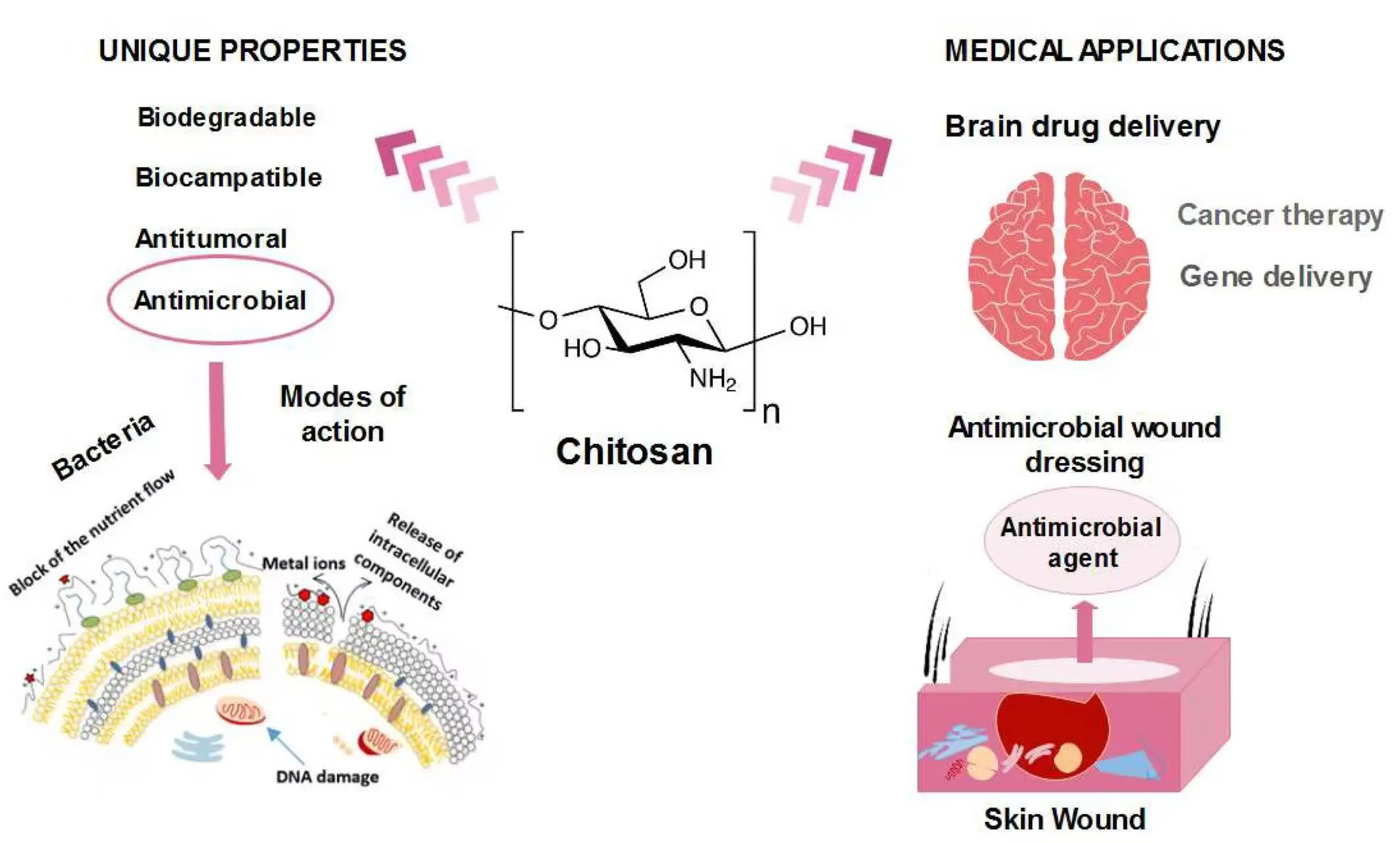
Chitosan powder is derived from chitin, an insoluble fiber found in the exoskeletons of shellfish, including shrimp, crabs, and lobsters. Through a deacetylation process, chitin is converted into a soluble fiber compound called chitosan which can then be processed into a fine powder supplement. Due to its molecular structure, chitosan powder is able to bind to negatively charged fat molecules. This includes triglycerides and cholesterol found in foods such as oils, butter, cheeses, and fatty cuts of meat. It's hypothesized that by binding to fat, chitosan is able to prevent its absorption by the body and instead allows it to pass through the digestive system undigested. The subsequent excretion of the trapped fat is what leads to the promoted weight loss effects of chitosan powder.
Mechanism of Action
According to proposed mechanisms, the positively charged amino groups on chitosan bind to free fatty acids and other fat molecules which have an inherent negative charge. This prompts the development of a gel-like substance that entangles dietary fats. Since this chitosan-fat complex is too enormous to possibly be assimilated through the gastrointestinal covering, it goes on through the gastrointestinal system where it is eventually discharged in the defecation. Basically, it is trusted that the utilization of chitosan powder preceding a high-fat feast permits it to draw in and catch fat before it has an opportunity to be consumed by the body, consequently diminishing general fat and calorie consumption. Through this process of fat binding, early research indicated that chitosan may have potential applications in supporting weight loss efforts. However, further robust evidence is still needed.
Scientific Studies on Chitosan Powder and Fat Absorption
Various examinations have been directed planning to determine the impacts of chitosan powder on fat assimilation inside the body. Be that as it may, the outcomes have been to a great extent conflicting and unconvincing. Some studies report a significant reduction in the absorption of dietary fat along with increased fecal fat content after the consumption of chitosan powder supplements. Yet the quality of these studies regarding factors such as design, controls, and sample size have been questionable. Conversely, several rigorously controlled trials found no statistically significant difference in fat absorption between participants given chitosan versus a placebo. A 2003 meta-analysis evaluated 15 randomized placebo-controlled studies and concluded the effect of chitosan on body weight reduction was not clinically significant. Despite some early encouraging results, a collective analysis of the research suggests inconclusive evidence regarding chitosan's ability to induce clinically meaningful fat malabsorption or weight loss. More standardized and methodologically sound investigation is warranted.
Potential Benefits for Weight Management
Given the mixed findings discussed above, whether chitosan powder delivers on its proposed benefits for weight management remains debatable. In theory, by binding to fat and preventing its absorption, chitosan could promote weight loss via increased caloric excretion. If shown to be definitively effective, chitosan may therefore contribute meaningfully to weight reduction when combined with a balanced reduced-calorie diet and exercise regimen. Besides fat binding, additional properties of soluble fibers such as chitosan include delayed gastric emptying and increased satiety which could also assist with weight loss efforts. However based on current evidence, the benefits of chitosan powder for weight management remain uncertain pending further efficacy studies in humans. Any potential effects derived would also likely be modest without accompanying lifestyle interventions around diet and activity.
Dosage Recommendations
Most studies on chitosan powder have utilized doses between 1–6 grams taken before a high-fat meal, often divided into smaller multiple servings throughout the day. Products available online and in specialty stores typically recommend taking 2–3 capsules or tablets containing 500–750mg chitosan powder each, up to 3 times daily. It's commonly advised to take chitosan powder supplements about 15-30 minutes before eating as its fat binding capabilities can become saturated. Additionally, an adequate intake of water is important to support the increased fat excretion promoted by chitosan powder. Most clinical trials show limited side effects with chitosan powder use in the short term. However, due to lack of quality long-term safety studies, continuous use beyond 12 weeks is not recommended. As with any supplement, it's prudent to first consult a doctor or dietician to advise on use alongside existing medications or medical conditions.
Potential Side Effects
According to clinical studies, chitosan powder is well tolerated by most healthy adults in the short term with limited occurrences of adverse side effects. When they do occur, common symptoms associated with chitosan powder include mild gastrointestinal issues such as constipation, diarrhea, bloating, nausea, and flatulence. These effects are likely caused by the increased fat content being excreted through bowel movements. Additionally, chitosan's attribute as a soluble fiber means it can absorb water in the intestinal tract, potentially contributing to temporary dehydration and electrolyte imbalances if fluid intake is inadequate. There is also the possibility of allergic reactions in those with existing shellfish allergies. More severe side effects can occur in high uncontrolled doses over extended periods. It's therefore important to follow suggested dosing guidelines carefully when incorporating chitosan powder into a nutritional regimen.
Conclusion
In summary, while chitosan powder shows theoretical promise as a supplement to support fat malabsorption and weight loss, current research remains inconclusive regarding any clinically meaningful effects for weight management. The evidence is still highly mixed at this time over whether chitosan has reliable effects on fat absorption and metabolism. However, if shown to be effective with more rigorous future studies, chitosan may promote increased fat excretion and reduced caloric intake when combined with sensible dietary strategies. As with any supplement lacking definitive efficacy data, it's important consult with a medical professional before trialing chitosan powder, especially for high-risk groups or alongside other medications where contraindications are possible.
Our Pure Chitosan Powder is produced at our factory following strict ISO and GMP standards. Raw materials are carefully selected and products must pass inspection before being stored. With direct in-house manufacturing, we can accept custom production and Packaging orders. Free samples can also be provided. We have a new capsule production workshop to accommodate capsule customization. With over 30 years of experience, we have exhibited globally at shows like CPHI Europe, Vitafoods Europe, FIE Europe, FFFI, SSE America and more. Our commitment to quality and innovation makes us a leading Pure Chitosan Powder Supplier. If interested in our Chitosan Powder or any other products, please Contact Us at duke@hongdaherb.com anytime. We look forward to potentially working together.
References:
1. Kumar, A., Ilavenil, S., Kim, D., Arasu, M., Lee, K., Ravikumar, S., Park, H. furthermore, Choi, G., 2015. Factors impacting the limiting of chitosan for the recuperation of chromium from tannery wastewater. Global diary of organic macromolecules, 72, pp.1430-1435.
2. Fernández-Arévalo, T., Chel-Guerrero, L., Martínez-Fernández, A., Correa-Pacheco, Z., García-Santamaría, J., Betancur-Ancona, D. what's more, Hernández-Gómez, L., 2017. Chitosan practical properties. Marine medications, 15(9), p.274.
3. Guzman-Partida, A.M., Robles-Sánchez, R.M., Ortega-Nieblas, M. also, Vázquez-Moreno, L., 2004. Restricting of cholesterol by the dietary fiber chitosan in vitro gastric and digestive reproductions. Diary of farming and food science, 52(6), pp.1562-1567.
4. Vårum, K.M., Anthonsen, M.W., Grasdalen, H. furthermore, Smidsrød, O., 1991. Assurance of the level of N-acetylation and the conveyance of N-acetyl bunches in to some degree N-deacetylated chitins (chitosans) by high-field n.m.r. spectroscopy. Starch Exploration, 211, pp.17-23.
5. Gallaher, C.M., Munion, J., Hesslink, R., Astute, J. also, Gallaher, D.D., 2000. Cholesterol decrease by glucomannan and chitosan is interceded by changes in cholesterol assimilation and bile corrosive and fat discharge in rodents. The Diary of nourishment, 130(11), pp.2753-2759.