What Is Rutin Extract From?
2025-08-15 17:52:08
Rutin is a flavonoid compound found naturally in various plants and fruits. It's widely known for its antioxidant properties and potential health benefits. Rutin Extract is derived from several sources in nature, with some of the most common being buckwheat, citrus fruits, and certain vegetables. This powerful compound has gained attention in recent years for its potential to support cardiovascular health, strengthen blood vessels, and reduce inflammation.
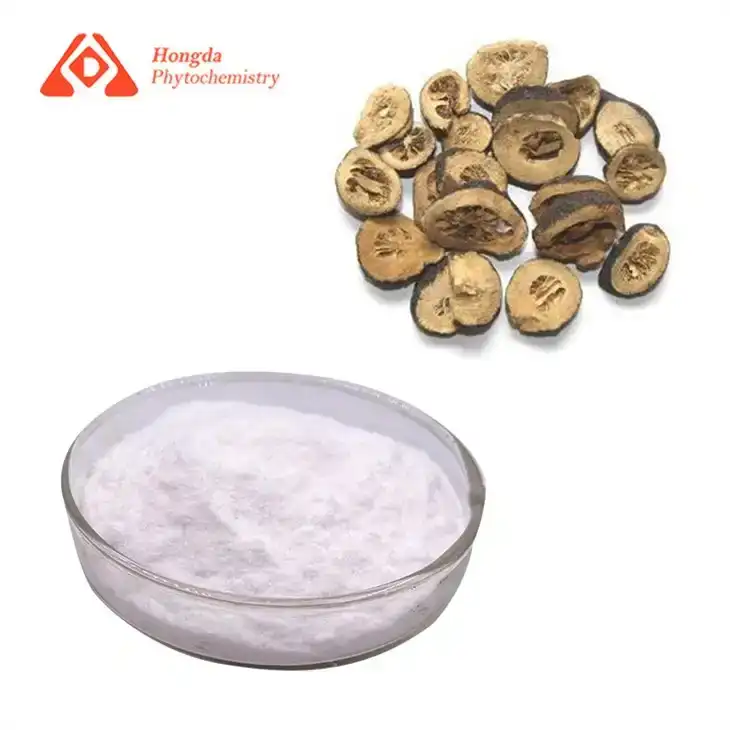
Hongda Phytochemistry Co., Ltd. specializes in the production of natural Sophora japonica fruit extract, leveraging our strategic location within the Sophora japonica production base. Operating with a dedicated production workshop, we offer a range of high-quality products including rutin, troxerutin, isoquercetin, and rhamnose. For inquiries and collaboration opportunities, interested parties are encouraged to contact duke@hongdaherb.com.

What Are the Health Benefits of Rutin?
Rutin, a bioflavonoid found in many plants, has been the subject of numerous studies exploring its potential health benefits. This powerful compound is known for its antioxidant properties, which help protect cells from damage caused by free radicals. Free radicals are unstable molecules that can cause oxidative stress, leading to various health issues and accelerated aging.
One of the most significant health benefits of rutin is its positive impact on cardiovascular health. Research has shown that rutin may help improve blood circulation by strengthening blood vessels and capillaries. This action can potentially reduce the risk of conditions such as varicose veins, spider veins, and easy bruising. Moreover, rutin has been found to have anti-inflammatory properties, which may help reduce the risk of chronic diseases associated with inflammation, including heart disease and certain types of cancer.
Rutin's ability to support cardiovascular health extends to its potential in managing blood pressure and cholesterol levels. Some studies suggest that rutin may help lower LDL (bad) cholesterol while increasing HDL (good) cholesterol, thus promoting a healthier lipid profile. Additionally, rutin has been shown to have anti-platelet effects, which means it may help prevent blood clots from forming, potentially reducing the risk of stroke and heart attack.
Another area where rutin shows promise is in managing diabetes and its complications. Research indicates that rutin may help improve insulin sensitivity and reduce blood sugar levels, which could be beneficial for people with diabetes or those at risk of developing the condition. Furthermore, rutin's antioxidant properties may help protect against diabetic complications such as neuropathy and retinopathy by reducing oxidative stress in the body.
Rutin has also been studied for its potential neuroprotective effects. Some research suggests that it may help protect brain cells from damage and improve cognitive function. This has led to interest in rutin as a possible therapeutic agent for neurodegenerative disorders such as Alzheimer's and Parkinson's disease, although more research is needed to fully understand its effects in this area.
In addition to these benefits, rutin has been explored for its potential to support skin health. Its antioxidant properties may help protect the skin from UV damage and premature aging. Some studies have also suggested that rutin may help improve skin elasticity and reduce the appearance of fine lines and wrinkles when applied topically or consumed as part of a balanced diet.
How is Rutin Extract Processed and Purified?
The process of extracting and purifying rutin from plant sources involves several steps designed to isolate the compound and ensure its purity and potency. The extraction process typically begins with the selection of high-quality plant material known to contain significant amounts of rutin, such as buckwheat, citrus fruits, or elder flowers.
The first step in the extraction process is usually the preparation of the plant material. This may involve drying and grinding the plant parts to increase the surface area and facilitate better extraction. Once prepared, the plant material is subjected to an extraction method, which can vary depending on the source and desired end product.
One common extraction method is solvent extraction. In this process, the plant material is mixed with a suitable solvent, often ethanol or methanol, which dissolves the rutin and other compounds from the plant tissues. The choice of solvent is crucial, as it affects the efficiency of extraction and the purity of the final product. The mixture is typically agitated and may be heated to enhance the extraction process.
After the initial extraction, the solution containing rutin and other plant compounds is separated from the solid plant material through filtration. The resulting liquid extract then undergoes further processing to isolate and purify the rutin. This often involves a series of steps such as liquid-liquid extraction, where the extract is mixed with different solvents to separate rutin from other compounds based on their solubility properties.
Advanced purification techniques may also be employed, such as column chromatography. In this method, the extract is passed through a column filled with a stationary phase material. Different compounds in the extract travel through the column at different rates, allowing for their separation.
Rutin can then be collected as it elutes from the column.
Another method that may be used in the purification process is recrystallization. This technique involves dissolving the crude rutin extract in a suitable solvent and then carefully controlling the conditions to allow pure rutin crystals to form. These crystals can then be separated from the remaining solution, resulting in a highly purified rutin product.
Throughout the extraction and purification process, quality control measures are implemented to ensure the purity and potency of the rutin extract. This may include analytical techniques such as high-performance liquid chromatography (HPLC) or mass spectrometry to verify the identity and concentration of rutin in the extract.
The final steps in processing rutin extract often involve drying and standardization. The purified rutin solution is carefully dried, often using techniques like spray drying or freeze-drying, to produce a powder form of rutin extract. This powder may then be standardized to ensure a consistent concentration of rutin, making it suitable for use in dietary supplements or other products.
It's important to note that the specific extraction and purification methods can vary depending on the manufacturer and the intended use of the rutin extract. Some processes may be proprietary, and companies often invest in research to develop more efficient and effective extraction methods.

Can Rutin Extract Be Safely Used in Dietary Supplements?
The use of rutin extract in dietary supplements has gained popularity due to its potential health benefits. However, as with any supplement, it's important to consider safety, efficacy, and proper usage. When evaluating the safety of rutin extract in dietary supplements, several factors come into play, including the source of the rutin, the extraction and purification process, and the dosage.
One of the primary considerations in the safety of rutin extract is its source. As mentioned earlier, rutin is found naturally in many plants and fruits, which have been consumed by humans for centuries. This long history of use provides some assurance of its safety when consumed in normal dietary amounts. However, when concentrated into a supplement form, the amounts of rutin can be much higher than what would be consumed through diet alone.
The extraction and purification process of rutin is crucial in determining the safety of the final product. Reputable manufacturers adhere to strict quality control measures to ensure that their rutin extract is free from contaminants and adulterants. This includes testing for heavy metals, pesticides, and other potential harmful substances. Good Manufacturing Practices (GMP) certification is an important indicator that a supplement manufacturer is following proper safety and quality protocols.
Dosage is another critical factor in the safe use of rutin extract in supplements. While rutin is generally considered safe when taken in appropriate amounts, excessive intake may lead to side effects. The optimal dosage of rutin can vary depending on factors such as age, health status, and the specific health concern being addressed. Most studies on rutin have used doses ranging from 500 mg to 2000 mg per day, divided into multiple doses. However, it's important to note that these doses are often higher than what is typically found in dietary supplements.
Research on the safety profile of rutin has been generally positive. Several studies have shown that rutin is well-tolerated by most individuals when taken in recommended doses. However, some people may experience mild side effects such as headaches, flushing, or gastrointestinal discomfort. These side effects are usually mild and transient, resolving on their own or with a reduction in dosage.
One area of concern with rutin supplements is their potential interaction with certain medications. Rutin has been shown to have blood-thinning properties, which could potentially interact with anticoagulant medications such as warfarin. Additionally, because rutin may affect blood sugar levels, individuals taking diabetes medications should monitor their blood sugar closely and consult with their healthcare provider before using rutin supplements.
Pregnant and breastfeeding women should exercise caution when considering rutin supplements, as there is limited research on its safety in these populations. It's always advisable for these individuals to consult with a healthcare professional before starting any new supplement regimen.
For individuals with specific health conditions or those taking medications, it's crucial to consult with a healthcare provider before adding rutin supplements to their routine. A healthcare professional can provide personalized advice based on an individual's health status, medication regimen, and specific health goals.
When choosing a rutin supplement, it's important to select products from reputable manufacturers who provide clear information about their sourcing, extraction methods, and quality control processes. Look for supplements that have been third-party tested for purity and potency. This information is often available on the product label or the manufacturer's website.
In conclusion, rutin extract can be safely used in dietary supplements when proper precautions are taken. This includes choosing high-quality products, adhering to recommended dosages, and consulting with a healthcare provider, especially for individuals with pre-existing health conditions or those taking medications. As research on rutin continues, our understanding of its safety profile and potential benefits will likely expand, potentially leading to more targeted and effective use of rutin supplements in the future.
Hongda Phytochemistry Co., Ltd. specializes in the production of natural Sophora japonica fruit extract, leveraging our strategic location within the Sophora japonica production base. Operating with a dedicated production workshop, we offer a range of high-quality products including rutin, troxerutin, isoquercetin, and rhamnose. Our factory ensures direct production capabilities and welcomes customized orders for both production and Packaging. We provide free samples and have recently expanded to include a capsule production workshop, enabling tailored capsule products. With a strong presence at global Exhibitions such as CPHI, Vitafoods, FIE, FFFI, and SSE, we are recognized as a reputable Rutin Powder Manufacturer. For inquiries and collaboration opportunities, interested parties are encouraged to contact duke@hongdaherb.com.
References:
1. Ganeshpurkar, A., & Saluja, A. K. (2017). The Pharmacological Potential of Rutin. Saudi Pharmaceutical Journal, 25(2), 149-164.
2. Chua, L. S. (2013). A review on plant-based rutin extraction methods and its pharmacological activities. Journal of Ethnopharmacology, 150(3), 805-817.
3. Erlund, I. (2004). Review of the flavonoids quercetin, hesperetin, and naringenin. Dietary sources, bioactivities, bioavailability, and epidemiology. Nutrition Research, 24(10), 851-874.
4. Kreft, S., Knapp, M., & Kreft, I. (1999). Extraction of rutin from buckwheat (Fagopyrum esculentum Moench) seeds and determination by capillary electrophoresis. Journal of Agricultural and Food Chemistry, 47(11), 4649-4652.
5. Ghorbani, A. (2017). Mechanisms of antidiabetic effects of flavonoid rutin. Biomedicine & Pharmacotherapy, 96, 305-312.
6. Sharma, S., Ali, A., Ali, J., Sahni, J. K., & Baboota, S. (2013). Rutin: therapeutic potential and recent advances in drug delivery. Expert Opinion on Investigational Drugs, 22(8), 1063-1079.
7. Perk, A. A., Shatynska-Mytsyk, I., Gerçek, Y. C., Boztaş, K., Yazgan, M., Fayyaz, S., & Farooqi, A. A. (2014). Rutin mediated targeting of signaling machinery in cancer cells. Cancer Cell International, 14(1), 124.
8. Kaur, R., Kapoor, K., & Kaur, H. (2011). Plants as a source of anticancer agents. Journal of Natural Products, 1, 101-110.
9. Hosseinzadeh, H., & Nassiri-Asl, M. (2014). Review of the protective effects of rutin on the metabolic function as an important dietary flavonoid. Journal of Endocrinological Investigation, 37(9), 783-788.
10. Verma, A. K., & Pratap, R. (2010). The biological potential of flavones. Natural Product Reports, 27(11), 1571-1593.