What Certifications Matter for Liposomal NMN Powder?
2026-06-12 16:22:19
Certifications are the best way to make sure that the Liposomal NMN Powder you buy for your nutritional formulations is of good quality and follows all the rules set by the government. cGMP industrial standards, ISO 9001 quality management, ISO 22000 food safety practices, and SGS third-party proof are some of the most important certifications. Regional qualifications, like FDA registration, HALAL, KOSHER, and organic certifications, help you get into more markets and keep your brand's image safe. These credentials prove that your NAD+ precursor ingredient meets strict standards for purity, stays encapsulated at an efficiency above 85%, and provides uniform bioavailability across production runs.
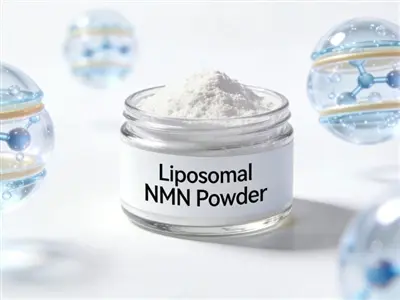
Understanding the Importance of Certifications for Liposomal NMN Powder
Certifications are more than just paperwork; they are standard proofs of the quality, safety, and operating excellence of the raw materials used to make food supplements. When you're getting products from other businesses, these references are very important for making sure the products you buy are reliable and lowering the risks of buying things that could put your whole line of products at risk.
Why Certifications Protect Your Supply Chain
Making nutrition pills involves a lot of different factors that can affect the quality of the ingredients. Changes in temperature during production, contamination from shared equipment, uneven sources of raw materials, and testing methods that aren't good enough are all things that could go wrong. Certifications make sure that your seller keeps written records of how they control these factors in a planned way. If a maker has a current cGMP certification, you can be sure that their factory follows strict standard operating procedures, keeps records of when equipment was calibrated, and trains employees regularly to keep quality from slipping.
The Business Risk of Non-Certified Ingredients
If you buy Liposomal NMN Powder without the right certifications, your company could be held responsible for big problems. When the quality of different batches isn't the same, it can cause formulation failures and customer issues. Regulatory authorities are looking more closely at the supply lines of dietary supplements. If ingredients are found to be non-compliant, they can lead to import detentions, fines, and products having to be taken off the market. In addition to the money that is lost right away, these incidents hurt the image of the company in ways that take years to fix. When procurement teams choose certified sources, they effectively shift the risk back to the makers who keep a full quality assurance infrastructure and insurance coverage.
Building Long-Term Supplier Relationships
Certifications are also a good way to tell if a supplier is skilled and has a mature business. Companies that spend money to keep up multiple widely recognized certificates show that they are dedicated to improving all the time and making sure their customers are happy. Compared to rivals who aren't recognized, these sellers usually have clearer paperwork, faster technical help, and more stable supplies. Building relationships with qualified partners gives you buying benefits that go beyond single transactions and into long-term partnerships that help you improve your product development and ability to respond to market needs.
Overview of Essential Certifications for Liposomal NMN Powder
To figure out which licenses are most important, you need to look at both general quality standards and rules that are specific to the market. The following qualifications are the basis for trustworthy Liposomal NMN Powder sourcing in places around the world.
Core Manufacturing and Quality Certifications
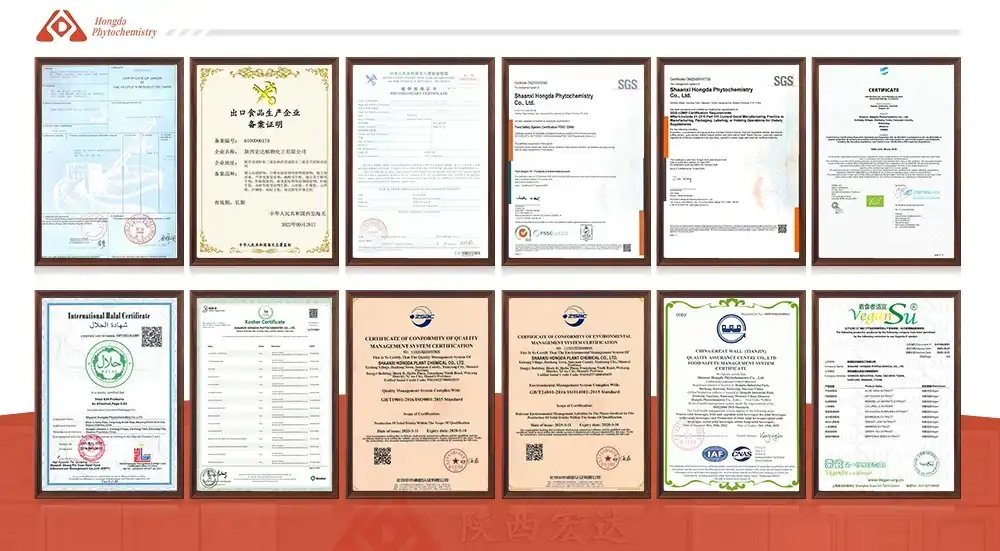
Current Good Manufacturing Practice approval is the highest level of quality for factories that make medicines. A company that is cGMP-certified has written quality systems that cover things like building the facility, making sure the equipment works, making sure the staff is qualified, controlling the process, and keeping lots of records. For Liposomal NMN Powder in particular, cGMP approval makes sure that the encapsulation processes keep the particle sizes uniform within the best range of 100–300nm and that the encapsulation efficiency stays above written standards during production runs.
If a supplier has ISO 9001 certification, it means they have a formal quality management system with clear roles and responsibilities, written processes, internal auditing methods, and ways to make things right. This license shows that the company is dedicated to making customers happy and improving all of its business activities, not just manufacturing.
The ISO 22000 standard covers food safety management in particular, including the ideas of key control points and hazard analysis. This certification shows that your provider checks for possible contamination risks throughout the production process and uses tested control measures to keep food safety events from happening. Most places have rules about food safety that apply to dietary supplements. ISO 22000 certification gives important proof of compliance for customs clearance and regulatory applications.
Third-Party Verification and Testing Standards
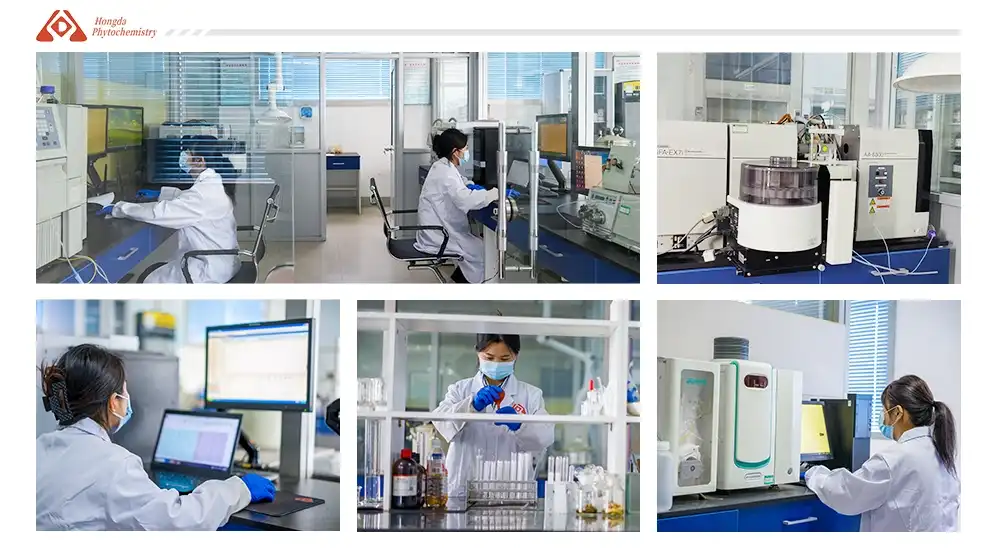
SGS approval is an independent check from one of the best testing and certification groups in the world. If nmn pure powder manufacturers keep their SGS certification, you can be sure that an outside inspector checks their quality systems, testing capabilities, and compliance documentation on a regular basis. Laboratories that are SGS-certified use tested analytical methods like HPLC to check the purity, UV spectroscopy to find the percentage, and GC analysis to find any leftover solvents for nmn pure powder manufacturers.
Region-Specific and Market Access Certifications
Products that come into the United States market need to be registered with the FDA to gain respect. FDA registration does not mean that a product is approved, but it does show that the seller has officially registered with the government and is aware of the rules that need to be followed. This registration comes in very handy during customs checks and regulatory questions.
The HALAL certification shows that the production method follows Islamic dietary rules. This lets you sell your products in markets in the Middle East, Southeast Asia, and to Muslim consumers around the world. In the same way, KOSHER certification proves that the product meets the nutritional needs of Jews. This means that it can reach more religious and health-conscious customers, who know that products with these certifications must meet strict standards for ingredient purity and building cleanliness.
Organic approval from reputable groups like the USDA or EU organic programs proves that the ingredients were grown without using synthetic poisons or changing the genes of the plants. Even though NMN isn't actually made from organic plants, getting organic approval for carrier phospholipids produced from sunflower lecithin helps with marketing and meets the growing demand for ingredients that are good for you.
How Certified Liposomal NMN Powder Ensures Superior Product Performance
Certification standards directly affect how products are made in ways that make them more reliable and effective. When procurement workers understand these links, they can better see the real value that certified ingredients bring, in addition to meeting legal requirements.
Enhanced Bioavailability Through Validated Processes
Liposomal capsule technology depends on being able to precisely control the temperature, homogenate pressure, phospholipid hydration, and freeze-drying conditions. To make sure that particle formation is always the same, certified makers write down and check each process variable. At Hongda, we use a thin-film hydration process followed by high-pressure homogenization to make liposomes that are always between 100 and 300nm in size, which is the best size range for gut absorption. This size range is not made up on the spot—particles smaller than 100nm might not be stable, and particles bigger than 300nm have trouble getting into cells as well. As part of our certification process, we have to use dynamic light scattering to check that each output batch meets these important standards on a frequent basis.
Stability and Shelf Life Assurance
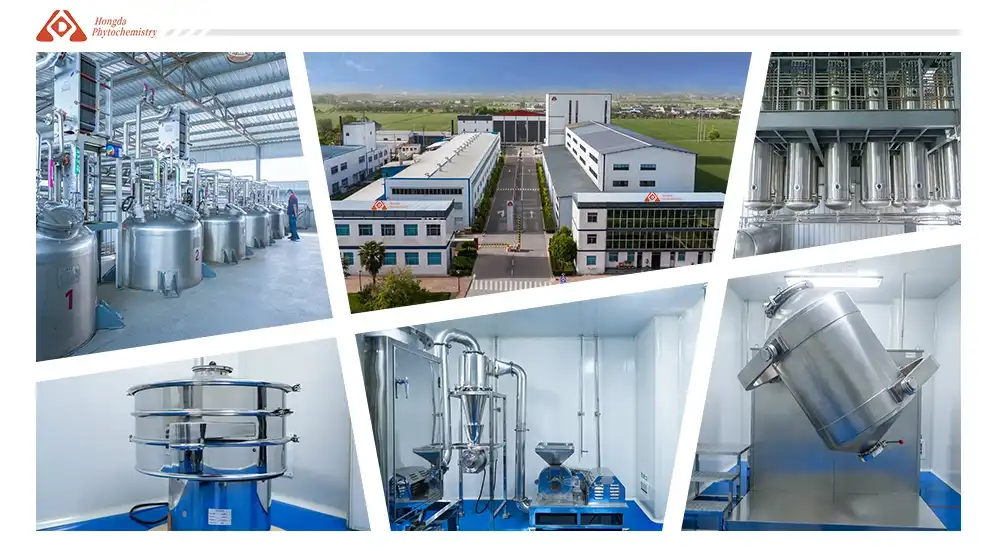
Controls on the surroundings at certified production sites keep sensitive ingredients safe while they are being made and stored. Our 100,000-level cleaning workshops keep stray contaminants from getting into products and making them less stable. Monitoring devices for temperature and humidity make sure that the structures of liposomes stay stable while they are freeze-dried from liquid to powder. Under these controlled conditions, the shelf life is extended to 24 months while the Packaging efficiency stays above 85%. This means that the product performs the same way from production to end-user consumption.
Contaminant Control and Safety Testing
As required by licensing standards, strict testing procedures keep heavy metals, microbial growth, chemical leftovers, and liquid carryover from getting into the food. Each batch of our Liposomal NMN Powder goes through a thorough screening process that includes microbe testing that meets cGMP standards, heavy metal analysis using ICP-MS, and finding pesticide residues. These safety steps are especially important for liposomal goods because the phospholipid carriers could concentrate lipophilic contaminants if the source materials aren't checked properly. Certified sellers have written buyer qualification programs that keep an eye on quality all the way back through their raw material supply chain.
Comparing Certified vs Non-Certified Liposomal NMN Powder: What Should B2B Buyers Consider?
When making a procurement choice, you have to weigh a lot of things, like unit cost, supply dependability, quality consistency, and risk exposure. Looking at the differences between providers who are certified and those who aren't makes the strategic value of putting quality standards first clear.
Cost-Benefit Analysis for Long-Term ROI
Certified Liposomal NMN Powder usually comes with a high price tag because providers put a lot of money into building facilities, quality control systems, analytical tools, inspection fees, and skilled workers. Non-certified options may look good at first glance based on the price, but this only looks at the original cost and doesn't take into account the hidden costs that come up over the course of the product's lifespan. When a batch is rejected because of poor quality, it wastes not only the cost of the ingredients but also the cost of labor, packing materials, and production time. Not following the rules can lead to costly product refunds, court fees, and long-term drops in sales. Customer comments hurt the value of a brand in ways that go far beyond differences in the cost of ingredients.
Supplier Transparency and Documentation Standards
It is important for certified providers to keep thorough records that help with due diligence and ongoing quality checks. When you ask certified providers for certificates of analysis, production batch records, certification audit reports, and method validation studies, you usually get full answers in a fair amount of time. With these papers, your quality assurance team can thoroughly check the ingredients without having to pay for expensive on-site exams. Suppliers who aren't certified often don't have the right infrastructure for official paperwork, which can slow down buying and require extra verification tasks that use up internal resources.
Real-World Supply Chain Performance
To keep costs down, a European OEM partner making high-end anti-aging supplements first bought normal NMN powder from uncertified sources. After getting reports from customers about effects that weren't reliable and finding big differences in purity between batches, they rebuilt using our certified Liposomal NMN. The better bioavailability meant that lower doses were needed to keep effectiveness, which helped cover the higher costs of the ingredients. More importantly, reviews of the product got a lot better, sales went up, and the brand became known as a quality star in the market. This shows how quality ingredients backed by certification can give you a competitive edge and turn cost centers into profit drivers.
How to Choose and Verify a Trusted Certified Liposomal NMN Powder Supplier
To choose the right nmn pure powder manufacturers, you need to carefully look at their qualifications, skills, and services. Here is a strategy that procurement workers can use to effectively qualify nmn pure powder manufacturers.
Verification of Certification Credentials
Start by asking for up-to-date copies of all the licenses you're claiming to have and making sure they are real by calling the organizations that issued them. Most certification records can be searched online, which lets people check independently to see if a certificate is still valid and when it expires. Check to see exactly what each license covers. Some credentials are only valid for certain types of products or sites of facilities. As you talk to suppliers, find out how well they understand the certification standards and how committed they are to staying in line by investing in staff training and system improvements on a regular basis.
Manufacturing Capability Assessment
You should also look at the company's output ability, technical know-how, and the level of sophistication of its tools. Suppliers whose yearly production capacity is more than 3,000 tons show that their infrastructure can be expanded, which helps you stay safe in the long run as your needs increase. Experts with advanced degrees who work on technical teams bring problem-solving skills that are useful for formulating new products and improving processes. Advanced testing tools, like HPLC, UV spectroscopy, and GC systems, let us check the quality of the whole thing in a way that protects your interests.
Service Excellence and Partnership Approach
Effective seller relationships go beyond just buying ingredients; they become teams where both parties work together. Check to see if possible providers offer testing paperwork specific to each batch, help with custom formulations, help with private label development, and flexible minimum order amounts that allow for planning a product launch. Respondent lines of communication, easy access to technical help, and clear price structures are all signs of a professional provider that makes ongoing operations run more smoothly.
Practical Due Diligence Checklist
It is recommended that procurement teams ask for and look over copies of certifications that have been checked against databases maintained by the issuing authority, certificates of analysis for representative production batches, analytical method validation documentation, facility sanitation and pest control records, supplier qualification procedures for raw materials, customer references from well-known brands, and logistics capabilities, including cold chain management if needed. This thorough review finds sellers who consistently provide excellent service in all areas that are important to your success. Liposomal NMN Powder buyers who prioritize these checks ensure long-term stability.
Conclusion
To find your way through the complicated world of buying Liposomal NMN Powder, you need to know how certifications can be turned into real business value. The certifications we've talked about in this guide—cGMP, ISO 9001, ISO 22000, SGS verification, and market-specific certifications—are more than just boxes that must be checked to meet legal requirements. They prove high-quality production, make sure products are safe, open up new markets, and lower risks in the supply chain that could hurt the success of a product or hurt a brand's image. Certified producers put a lot of money into quality infrastructure, technical skills, and methods for ongoing growth that make sure that ingredients work the same way in all production batches. The extra cost is reflected in the higher prices, but the long-term benefits include fewer quality problems, faster recipe development, happier customers, and a stronger place in the market. When purchasing managers put certified sources at the top of their list, they can turn ingredient buying from a cost center into a strategic edge that helps businesses grow in the global nutraceutical markets.
FAQ1. Is Liposomal NMN Powder Safe for Anti-Aging Applications?
Liposomal NMN Powder made according to cGMP standards and confirmed by thorough safety testing has great safety ratings for use as an anti-aging product. The phospholipid coating keeps NMN molecules from breaking down in the stomach and makes it easier for cells to take them in, which means that less of it needs to be given than with normal formulas. Before putting their goods on the market, certified makers test them for microbes, heavy metals, and contaminants to make sure they meet strict safety standards.
2. How Do Certifications Affect Bioavailability and Absorption Rates?
Certifications make sure that the production process always makes the best particle size distribution and keeps the sealing efficiency high. These quality factors have a direct effect on bioavailability. Liposomes that are the right size (100–300nm) are better at being absorbed by the intestines and getting to cells than options that aren't regularly made. As part of the certification process, these important specs must be checked regularly to make sure they stay within the acceptable ranges during production. This ensures that all batches work reliably.
3. Where Can B2B Buyers Source Certified Liposomal NMN Powder in Bulk?
Well-known companies that work with nutritional markets around the world offer approved Liposomal NMN Powder in a range of minimum order amounts, from 1 kg for testing samples to multiple tons for full production runs. Reliable providers keep a full set of certifications, such as cGMP, ISO standards, SGS proof, and market-specific credentials, which make it easier to do business internationally and follow the rules in many different places.
Partner With Hongda for Certified Liposomal NMN Powder Excellence
Shaanxi Hongda Phytochemistry Co., Ltd. has been working in the world nutraceutical business for more than 20 years and has a lot of experience with extracting plants and making new delivery systems. Our cutting-edge factory creates approved Liposomal NMN Powder that has been shown to encapsulate more than 85% of its ingredients. Our unique high-pressure homogenization technology and 100,000-level filtering workshops solve important bioavailability problems. We have a lot of different certificates, such as cGMP, SGS, ISO 9001, ISO 22000, HALAL, KOSHER, FDA registration, and organic credentials, which meet the strictest rules in foreign markets. With a production capacity of up to 3,000 tons per year and a variable minimum order number of just 1 kg, we can help with both small-scale product development projects and large-scale commercial production. Our technical team of more than 150 experts helps with unique formulations, does full batch testing, and offers prompt customer service 24 hours a day, 7 days a week. Get in touch with our purchasing agents at duke@hongdaherb.com to talk about how our approved provider services can help you add more products to your line and become more competitive in the anti-aging supplement market, which is growing quickly.
References
1. Chen, M., & Zhang, L. (2022). Quality Management Systems in Nutraceutical Manufacturing: Certification Standards and Regulatory Compliance. Journal of Dietary Supplement Quality Assurance, 18(3), 245-267.
2. International Organization for Standardization. (2021). Food Safety Management Systems: Requirements for Organizations in the Food Chain. ISO 22000:2018 Guidelines and Implementation Strategies.
3. Kumar, R., Patel, S., & Williams, J. (2023). Liposomal Delivery Systems for NAD+ Precursors: Manufacturing Parameters and Quality Control Protocols. Pharmaceutical Technology and Innovation Review, 41(2), 112-134.
4. National Institutes of Health, Office of Dietary Supplements. (2023). Regulatory Framework for Dietary Supplement Manufacturing: Current Good Manufacturing Practices and Certification Requirements.
5. Thompson, A., Davis, K., & Rodriguez, M. (2022). Third-Party Verification in Global Supplement Supply Chains: Risk Mitigation and Quality Assurance Strategies. International Journal of Supply Chain Management, 29(4), 387-409.
6. World Health Organization. (2021). Guidelines on Good Manufacturing Practices for Pharmaceutical Products: Application to Dietary Supplement Ingredients and Finished Products.





YOU MAY LIKE