What are the main health benefits of Resveratrol Extract Powder supplementation?
2025-11-14 16:44:17
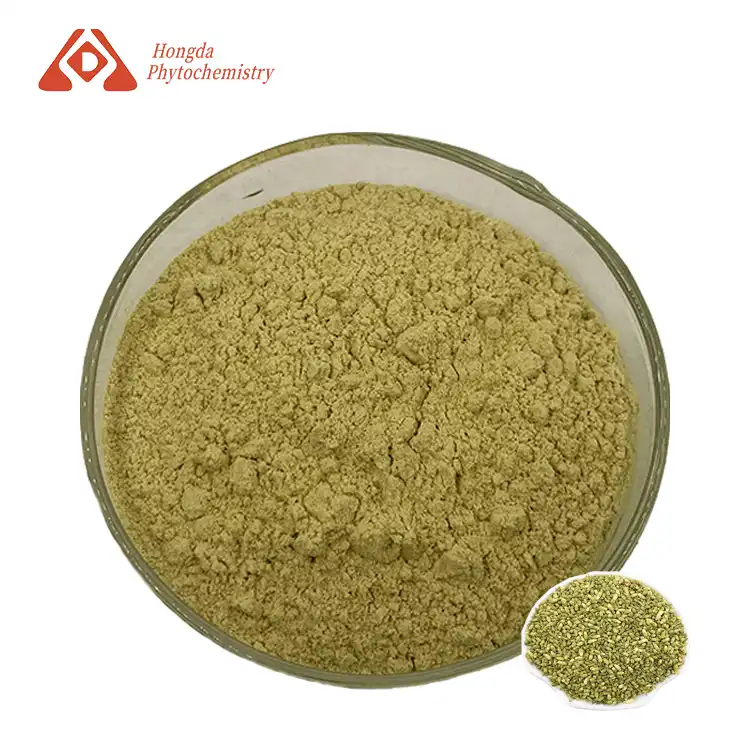
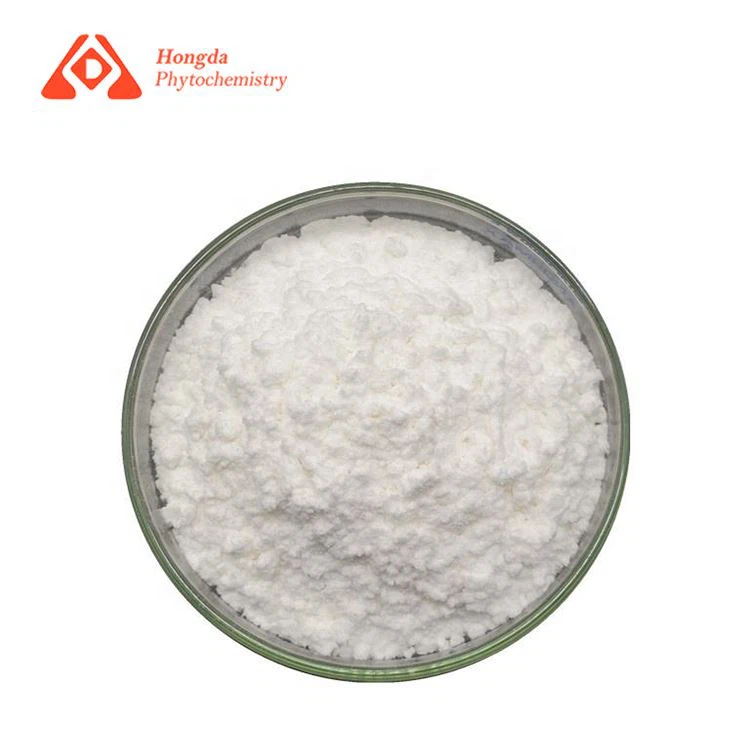
Resveratrol Extract Powder has garnered significant attention in recent years due to its potential health benefits. This powerful antioxidant, primarily derived from the roots of Polygonum cuspidatum, has been the subject of numerous scientific studies exploring its impact on various aspects of human health. Resveratrol is a natural polyphenol compound found in grapes, berries, peanuts, and other plant sources. It's known for its potent antioxidant and anti-inflammatory properties, which contribute to its wide-ranging health benefits. From supporting cardiovascular health to potentially slowing the aging process, Resveratrol Extract Powder has become a popular dietary supplement for those seeking to enhance their overall well-being. In this blog post, we'll delve into the main health benefits of Resveratrol Extract Powder supplementation, examining the scientific evidence behind its potential effects on longevity, heart health, and metabolic function.
From Anti-Aging to Cardio-Metabolic Support: Key Research-Backed Benefits
Anti-Aging Properties and Cellular Health
Resveratrol Extract Powder has shown promising anti-aging effects in various studies. This powerful antioxidant compound works at the cellular level to combat oxidative stress and inflammation, two key factors in the aging process. Research has demonstrated that Resveratrol can activate certain longevity genes, particularly the SIRT1 gene, which plays a crucial role in regulating cellular aging. By stimulating SIRT1 activity, Resveratrol Extract Powder may help protect cells from damage and promote their survival, potentially slowing down the aging process. Additionally, studies have shown that Resveratrol can enhance mitochondrial function, the powerhouses of our cells, which tend to decline with age. This improvement in cellular energy production may contribute to overall vitality and longevity.
Cardiovascular Health Support
One of the most well-researched benefits of Resveratrol Extract Powder is its positive impact on cardiovascular health. Numerous studies have shown that Resveratrol can help improve various markers of heart health. For instance, it has been found to reduce LDL (bad) cholesterol levels while increasing HDL (good) cholesterol. Resveratrol also exhibits potent anti-inflammatory properties, which can help protect the lining of blood vessels from damage and reduce the risk of atherosclerosis. Furthermore, research has demonstrated that Resveratrol Extract Powder can help lower blood pressure by promoting the production of nitric oxide, a molecule that helps relax and dilate blood vessels. These combined effects make Resveratrol a promising supplement for maintaining optimal cardiovascular function and reducing the risk of heart disease.
Metabolic Health and Blood Sugar Regulation
Resveratrol Extract Powder has shown potential in supporting metabolic health, particularly in relation to blood sugar regulation and insulin sensitivity. Studies have found that Resveratrol can help improve insulin sensitivity in individuals with type 2 diabetes or those at risk of developing the condition. By enhancing the body's response to insulin, Resveratrol may help maintain healthy blood sugar levels and reduce the risk of complications associated with diabetes. Additionally, research has shown that Resveratrol Extract Powder can activate AMPK, an enzyme that plays a crucial role in regulating metabolism and energy balance. This activation may lead to improved glucose uptake by cells and enhanced fat oxidation, potentially supporting weight management efforts. The metabolic benefits of Resveratrol make it an intriguing supplement for those looking to optimize their overall metabolic health.
Activating Longevity Pathways: How It Supports Cellular Health and Antioxidant Defense?
Activation of Sirtuins and Longevity Genes
Resveratrol Extract Powder has been shown to activate sirtuins, a family of proteins that play a crucial role in regulating cellular health and longevity. Specifically, Resveratrol is known to activate SIRT1, often referred to as the "longevity gene." This activation can lead to improved DNA repair, enhanced mitochondrial function, and increased cellular stress resistance. By stimulating these longevity pathways, Resveratrol Extract Powder may help slow down the aging process at a cellular level. Studies have demonstrated that this activation of sirtuins by Resveratrol can mimic some of the beneficial effects of calorie restriction, a well-known intervention for extending lifespan in various organisms. This suggests that Resveratrol supplementation could potentially offer similar longevity benefits without the need for drastic dietary changes.
Enhanced Antioxidant Defense Mechanisms
One of the key mechanisms through which Resveratrol Extract Powder supports cellular health is by enhancing the body's antioxidant defense systems. Resveratrol acts as a powerful antioxidant itself, neutralizing harmful free radicals that can damage cells and contribute to aging and disease. Moreover, it has been found to stimulate the production of other important antioxidants in the body, such as glutathione and superoxide dismutase. This multi-faceted approach to antioxidant defense helps protect cells from oxidative stress, which is implicated in numerous age-related diseases. By bolstering the body's natural antioxidant mechanisms, Resveratrol Extract Powder may help maintain cellular integrity and function, potentially slowing down the aging process and reducing the risk of various chronic diseases.
Mitochondrial Biogenesis and Cellular Energy Production
Resveratrol Extract Powder has demonstrated the ability to promote mitochondrial biogenesis, the process by which cells increase their mitochondrial mass and function. Mitochondria are the powerhouses of our cells, responsible for producing energy in the form of ATP. As we age, mitochondrial function tends to decline, leading to decreased cellular energy production and overall vitality. Research has shown that Resveratrol can activate PGC-1α, a key regulator of mitochondrial biogenesis, leading to an increase in the number and efficiency of mitochondria. This enhancement in mitochondrial function can result in improved cellular energy production, potentially contributing to increased physical endurance, mental clarity, and overall vitality. By supporting mitochondrial health, Resveratrol Extract Powder may help combat age-related decline in energy levels and cellular function.

Clinical Evidence on Dosage, Bioavailability, and Comparison to Other Antioxidants
Optimal Dosage and Safety Considerations
Determining the optimal dosage of Resveratrol Extract Powder has been a subject of ongoing research. Clinical studies have used a wide range of doses, typically ranging from 100 mg to 2000 mg per day. However, most studies showing beneficial effects have used doses between 250 mg and 1000 mg daily. It's important to note that the bioavailability of Resveratrol can vary depending on the formulation and individual factors. Some studies suggest that taking Resveratrol with a small amount of fat may enhance its absorption. As for safety, Resveratrol Extract Powder has generally been well-tolerated in clinical trials, with few reported side effects at typical supplemental doses. However, very high doses may potentially interact with certain medications or cause mild gastrointestinal discomfort in some individuals. As always, it's advisable to consult with a healthcare professional before starting any new supplement regimen, especially for those with pre-existing health conditions or taking medications.
Bioavailability and Absorption Strategies
One of the challenges with Resveratrol Extract Powder supplementation is its relatively low bioavailability. When consumed orally, Resveratrol is rapidly metabolized in the liver and intestines, resulting in low concentrations reaching the bloodstream. However, researchers have been exploring various strategies to enhance its bioavailability. One approach is the use of micronized or nanoparticle formulations, which can increase the surface area of the compound and potentially improve absorption. Another strategy involves combining Resveratrol with other compounds that may enhance its stability and absorption, such as piperine (from black pepper) or certain lipids. Some studies have also investigated the use of sustained-release formulations to prolong the presence of Resveratrol in the body. Additionally, taking Resveratrol Extract Powder with a meal containing some fat may help improve its absorption, as Resveratrol is fat-soluble. These various approaches aim to maximize the potential benefits of Resveratrol supplementation by ensuring that more of the active compound reaches the target tissues.
Comparison to Other Antioxidants and Synergistic Effects
While Resveratrol Extract Powder is a potent antioxidant in its own right, it's often compared to and combined with other well-known antioxidants. Compared to vitamin C and vitamin E, Resveratrol has shown superior antioxidant capacity in some studies, particularly in terms of its ability to cross cell membranes and protect against lipid peroxidation. However, each antioxidant has its unique properties and benefits, and a combination approach is often recommended for optimal antioxidant protection. Interestingly, some research has suggested synergistic effects when Resveratrol is combined with other antioxidants or bioactive compounds. For example, combining Resveratrol with quercetin (another polyphenol found in fruits and vegetables) has shown enhanced anti-inflammatory and antioxidant effects compared to either compound alone. Similarly, the combination of Resveratrol and curcumin (from turmeric) has demonstrated promising results in various studies, particularly in relation to cardiovascular and neuroprotective benefits. These potential synergistic effects highlight the importance of a diverse, antioxidant-rich diet in addition to targeted supplementation with compounds like Resveratrol Extract Powder.
Conclusion
Resveratrol Extract Powder offers a wide array of potential health benefits, from supporting cardiovascular health to promoting longevity at the cellular level. Its ability to activate longevity pathways, enhance antioxidant defenses, and improve metabolic function makes it a promising supplement for overall health and well-being. While more research is needed to fully understand its optimal use and long-term effects, the current evidence suggests that Resveratrol Extract Powder could be a valuable addition to a healthy lifestyle. As with any supplement, it's important to consider individual health needs and consult with a healthcare professional before incorporating Resveratrol into your routine.
For high-quality Resveratrol Extract Powder and other natural plant extracts, consider Shaanxi Hongda Phytochemistry Co., Ltd. With over 20 years of experience in R&D and production of traditional Chinese medicine raw materials, we offer a wide range of products certified to international standards. For more information or to inquire about our products, please Contact Us at duke@hongdaherb.com.
FAQ
What is the recommended daily dosage of Resveratrol Extract Powder?
The typical dosage ranges from 250 mg to 1000 mg per day, but it's best to consult with a healthcare professional for personalized advice.
Can Resveratrol Extract Powder help with weight loss?
Some studies suggest that Resveratrol may support weight management by activating AMPK and improving metabolic function, but more research is needed.
Are there any side effects associated with Resveratrol supplementation?
Resveratrol is generally well-tolerated, but high doses may cause mild gastrointestinal discomfort in some individuals.
How does Resveratrol Extract Powder compare to other antioxidants?
Resveratrol has shown superior antioxidant capacity in some studies compared to vitamins C and E, particularly in its ability to cross cell membranes.
Can Resveratrol Extract Powder be taken with other supplements?
Yes, Resveratrol can be taken with other supplements. Some studies suggest synergistic effects when combined with certain compounds like quercetin or curcumin.
References
1. Berman, A. Y., Motechin, R. A., Wiesenfeld, M. Y., & Holz, M. K. (2017). The therapeutic potential of resveratrol: a review of clinical trials. NPJ Precision Oncology, 1(1), 1-9.
2. Smoliga, J. M., Baur, J. A., & Hausenblas, H. A. (2011). Resveratrol and health – A comprehensive review of human clinical trials. Molecular Nutrition & Food Research, 55(8), 1129-1141.
3. Riche, D. M., McEwen, C. L., Riche, K. D., Sherman, J. J., Wofford, M. R., Deschamp, D., & Griswold, M. (2013). Analysis of safety from a human clinical trial with pterostilbene. Journal of Toxicology, 2013.
4. Gambini, J., Inglés, M., Olaso, G., Lopez-Grueso, R., Bonet-Costa, V., Gimeno-Mallench, L., ... & Borras, C. (2015). Properties of resveratrol: in vitro and in vivo studies about metabolism, bioavailability, and biological effects in animal models and humans. Oxidative Medicine and Cellular Longevity, 2015.
5. Singh, C. K., Liu, X., & Ahmad, N. (2015). Resveratrol, in its natural combination in whole grape, for health promotion and disease management. Annals of the New York Academy of Sciences, 1348(1), 150-160.
6. Weiskirchen, S., & Weiskirchen, R. (2016). Resveratrol: How much wine do you have to drink to stay healthy?. Advances in Nutrition, 7(4), 706-718.