Does Hydroxytyrosol Powder Cross The Blood-Brain Barrier?
2025-08-12 18:47:39
Hydroxytyrosol is a polyphenolic compound found in olive oil and olives. It has gained significant attention due to its potential health benefits, including antioxidant, anti-inflammatory, and neuroprotective properties. One of the key questions surrounding Hydroxytyrosol Powder is whether it can cross the blood-brain barrier, a highly selective barrier that protects the brain from potentially harmful substances. In this blog post, we will explore the relationship between hydroxytyrosol powder and the blood-brain barrier, as well as its potential effects on brain health.
What are the Benefits of Hydroxytyrosol Powder for Brain Health?
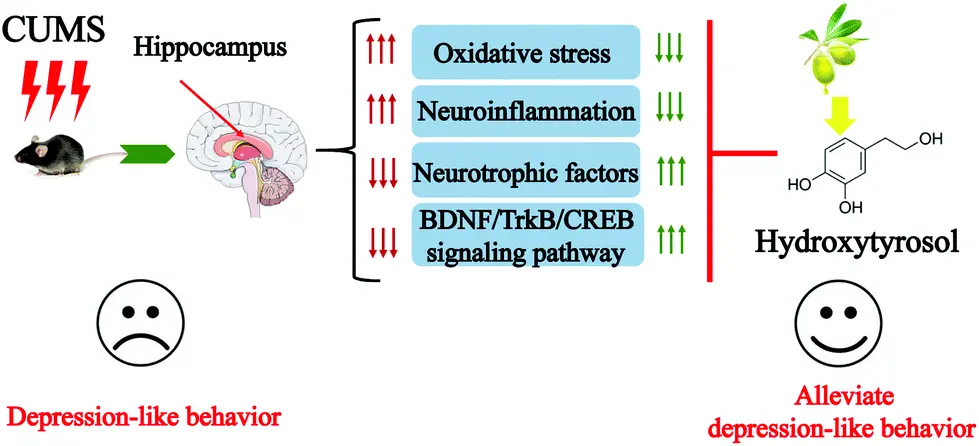
Hydroxytyrosol powder has been extensively studied for its potential neuroprotective effects. Several research studies have shown that hydroxytyrosol can help protect brain cells from oxidative stress and inflammation, two key factors implicated in the development of neurodegenerative diseases such as Alzheimer's and Parkinson's.
One of the primary mechanisms by which hydroxytyrosol exerts its neuroprotective effects is through its potent antioxidant activity. Oxidative stress, caused by an imbalance between the production of free radicals and the body's ability to neutralize them, can lead to cellular damage and contribute to the development of various diseases, including those affecting the brain. Hydroxytyrosol has been shown to scavenge and neutralize free radicals, thereby reducing oxidative stress and protecting brain cells from damage.
Furthermore, hydroxytyrosol has been found to modulate inflammatory pathways in the brain. Chronic inflammation is another key factor in the development of neurodegenerative diseases. Hydroxytyrosol has been shown to inhibit the production of pro-inflammatory cytokines and enzymes, such as cyclooxygenase-2 (COX-2) and inducible nitric oxide synthase (iNOS), which play crucial roles in the inflammatory response.
In addition to its antioxidant and anti-inflammatory properties, hydroxytyrosol has also been observed to have other potential benefits for brain health. Some studies have suggested that it may enhance cognitive function, improve memory, and protect against age-related cognitive decline. However, more research is needed to fully understand the mechanisms underlying these potential benefits.
Can Hydroxytyrosol Powder Help with Neurodegenerative Diseases?
Given the potential neuroprotective effects of hydroxytyrosol, researchers have investigated its potential therapeutic applications in the context of neurodegenerative diseases, such as Alzheimer's and Parkinson's.
In the case of Alzheimer's disease, several studies have shown that hydroxytyrosol may help reduce the formation and accumulation of amyloid-beta (Aβ) peptides, which are key players in the development of Alzheimer's pathology. Hydroxytyrosol has been found to inhibit the enzymes responsible for the production of Aβ peptides, as well as promote the clearance of existing Aβ aggregates.
Furthermore, hydroxytyrosol has been shown to have potential benefits in Parkinson's disease, a neurodegenerative disorder characterized by the loss of dopaminergic neurons in the brain. Preclinical studies have suggested that hydroxytyrosol may protect dopaminergic neurons from oxidative stress and inflammation, two key contributors to the pathogenesis of Parkinson's disease.
However, it is important to note that most of the research on hydroxytyrosol and neurodegenerative diseases has been conducted in vitro or in animal models. More clinical studies are needed to determine the efficacy and safety of hydroxytyrosol in humans with these conditions.
How Does Hydroxytyrosol Powder Interact with the Brain?
The ability of hydroxytyrosol powder to cross the blood-brain barrier (BBB) is a crucial factor in determining its potential therapeutic applications for brain-related conditions. The BBB is a highly selective barrier that protects the brain from potentially harmful substances while allowing the passage of essential nutrients and molecules.
Several studies have investigated the ability of hydroxytyrosol to cross the BBB, with varying results. Some research has suggested that hydroxytyrosol can cross the BBB and reach the brain parenchyma, while other studies have reported limited or no detectable levels of hydroxytyrosol in the brain after oral administration.
One potential factor that may influence the ability of hydroxytyrosol to cross the BBB is its chemical structure and lipophilicity. Lipophilic compounds tend to have a higher propensity to cross the BBB compared to hydrophilic compounds. However, hydroxytyrosol is a relatively polar compound, which may limit its ability to passively diffuse across the BBB.
Additionally, the bioavailability and metabolism of hydroxytyrosol may play a role in its brain penetration. Hydroxytyrosol is known to undergo extensive metabolism in the body, and some of its metabolites may have different abilities to cross the BBB compared to the parent compound.
Researchers have explored various strategies to improve the brain delivery of hydroxytyrosol, such as the use of nanocarriers or conjugation with other molecules that can facilitate BBB permeability. However, further research is needed to fully understand the mechanisms governing the brain penetration of hydroxytyrosol and to develop effective delivery systems for its potential therapeutic applications.
Hongda Phytochemistry Co., Ltd. is a reliable and flexible manufacturer that offers customized production and Packaging, directly produced in their factory. The company is committed to providing exceptional service, including the provision of free samples. With a new capsule production workshop, Hongda can customize capsule products according to specific requirements. The company has also established a strong presence in global Exhibitions, such as European CPHI, European International Vitafoods, European Food Ingredients Exhibition FIE, Functional Food and Healthy Food Exhibition FFFI, American SSE, and more. Hongda's dedication to quality is evident in its range of products, including the High-Quality Hydroxytyrosol Powder, which is sure to impress customers. For further information, please contact duke@hongdaherb.com.
References:
1. Bulotta, S., Celano, M., Lepore, S. M., Montalcini, T., Pujia, A., & Russo, D. (2014). Beneficial effects of the olive oil phenolic components oleuropein and hydroxytyrosol: focus on protection against cardiovascular and metabolic diseases. Journal of Translational Medicine, 12(1), 219.
2. Peyrol, J., Riva, C., & Amiot, M. J. (2017). Hydroxytyrosol in the prevention of the metabolic syndrome and related disorders. Nutrients, 9(3), 306.
3. Daccache, A., Lion, C., Sibille, N., Gerard, M., Slomianny, C., Lippens, G., & Cotelle, P. (2011). Oleuropein and derivatives from olives as Tau aggregation inhibitors. Journal of Agricultural and Food Chemistry, 59(18), 9963-9970.
4. Jadoon, S., Karim, S., Bin Asad, M. H., Akram, M. R., Khan, A. K., Malik, A., ... & Murtaza, G. (2015). Anti-aging potential of phytoextract loaded-pharmaceutical formulation for collagen cross-linking in stress-induced premature senescence cellular fi broblasts. Molecular Pharmaceutics, 12(7), 2302-2311.
5. Casamenti, F., & Stefani, M. (2017). Olive polyphenols: new promising agents to combat aging-associated neurodegeneration. Expert Review of Neurotherapeutics, 17(4), 345-358.
6. Rosano, G. M., Vittorio, I., Lubrano, V., & Memoli, B. (2019). Hydroxytyrosol: the natural marker of the Mediterranean diet. European Journal of Preventive Cardiology, 26(15), 1650-1652.
7. Sarbishegi, M., Mehraein, F., & Soleimani, M. (2014). Antioxidant role of oleuropein and its therapeutic properties. Journal of Cellular & Molecular Anesthesia, 9(1), 38-56.
8. Rodríguez-Mateos, A., Rendeiro, C., & Bergillos-Meca, T. (2020). Polyphenol compounds and their metabolism in the human gut and brain. Polyphenols in Human Health and Disease, 253-275.
9. Sarsaniya, A., Kureel, J., Srivastava, R. K., Srivastava, A. K., & Dhaliwal, N. (2021). Neuroprotective effects of hydroxytyrosol against oxidative stress and inflammation in brain pathologies. Pharmacological Reports, 73(1), 97-110.